
Contents
- 🌡️ Introduction to Heat Waves
- 🌍 Global Impact of Heat Waves
- 📈 Rising Temperatures and Climate Change
- 🌟 Extreme Heat Events: A New Normal
- 🌎 Regional Variations in Heat Waves
- 🚨 Health Impacts of Heat Waves
- 🌟 Economic Consequences of Heat Waves
- 🔍 Understanding Heat Wave Measurement
- 🌈 Mitigating the Effects of Heat Waves
- 🌊 Future Projections and Preparedness
- 👥 International Cooperation and Response
- Frequently Asked Questions
- Related Topics
Overview
Heat waves, like the 2003 European heat wave that claimed over 70,000 lives, are becoming increasingly frequent and severe due to climate change. The World Health Organization (WHO) reports that heat stress can cause a range of health problems, from mild heat exhaustion to life-threatening heat strokes. According to NASA, the past four years have been the hottest on record, with 2020 being the hottest year ever recorded globally, with a average temperature of 1.02°C above the 1961-1990 average. The consequences of heat waves are far-reaching, from devastating wildfires like the 2019-2020 Australian bushfires, which burned over 10 million hectares of land, to crippling economic losses, with the 1995 Chicago heat wave costing an estimated $1.4 billion in damages. As the planet continues to warm, it's essential to develop strategies for mitigating and adapting to heat waves, such as implementing early warning systems and promoting heat-resilient urban planning. The future of heat wave management will depend on our ability to balance economic, social, and environmental considerations, with the WHO estimating that the economic benefits of heat wave mitigation measures could outweigh the costs by a factor of 10 to 1.
🌡️ Introduction to Heat Waves
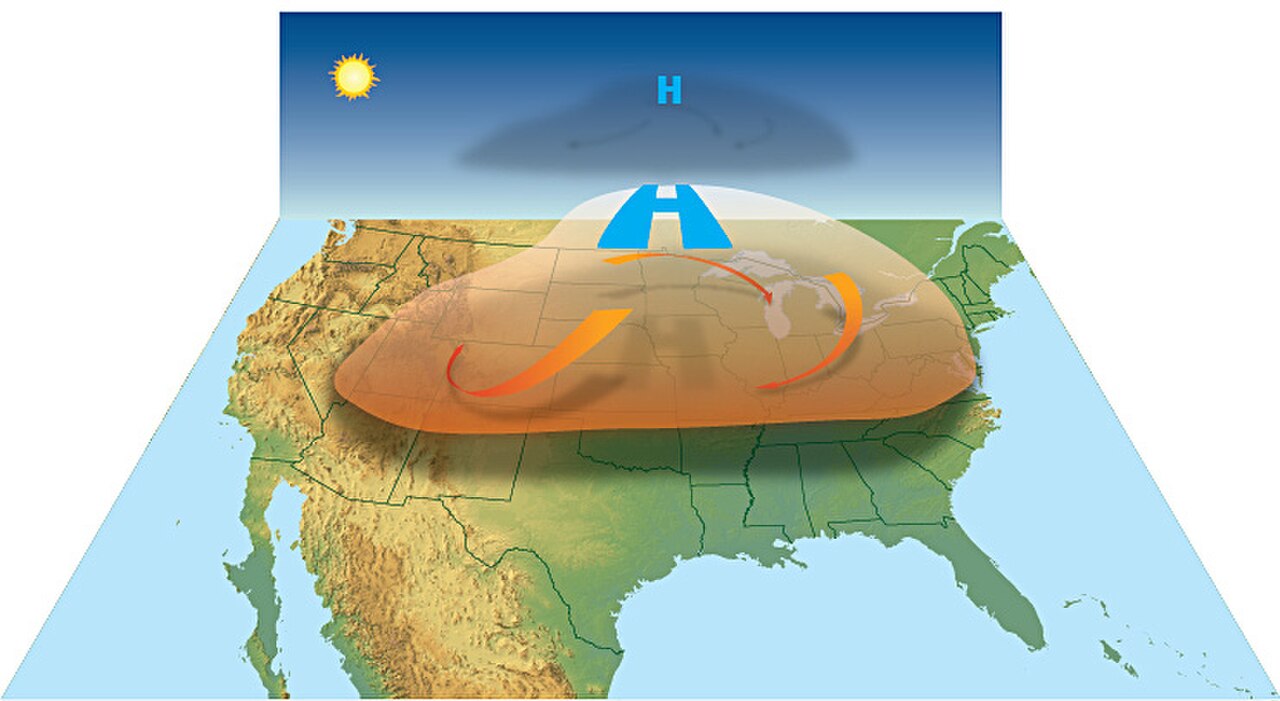
Heat waves, also known as extreme heat events, are periods of abnormally hot weather that can last for multiple days, causing significant disruptions to daily life and posing serious health risks. According to the World Meteorological Organization, heat waves have become more frequent and intense over land, across almost every area on Earth since the 1950s. This increase in frequency and duration is primarily caused by climate change. The main difficulties in defining heat waves arise when quantifying what constitutes 'normal' temperature states and determining the spatial extent of the event. For instance, temperatures considered normal in hotter climates can be regarded as a heat wave in cooler areas, as seen in the heat wave that affected Europe in 2022.
🌍 Global Impact of Heat Waves
The global impact of heat waves is a pressing concern, with many regions experiencing consecutive days of extreme heat. In 2024, record-breaking temperatures were reported in Europe, North America, and China, highlighting the increasing frequency and severity of extreme heat events worldwide. Heat waves have significant effects on the environment, including droughts, wildfires, and water scarcity. The United Nations has recognized the need for international cooperation to address the challenges posed by heat waves, which is essential for developing effective disaster risk reduction strategies.
📈 Rising Temperatures and Climate Change
The relationship between rising temperatures and climate change is well-established. As the planet continues to warm due to increasing levels of greenhouse gases in the atmosphere, the frequency and intensity of heat waves are expected to increase. This is particularly concerning, as heat waves can have devastating effects on human health, especially for vulnerable populations such as the elderly and young children. The World Health Organization has emphasized the need for heat wave preparedness and climate change mitigation strategies to reduce the risks associated with extreme heat events.
🌟 Extreme Heat Events: A New Normal
Extreme heat events have become a new normal in many parts of the world. The increasing frequency and severity of heat waves are causing significant disruptions to daily life, including power outages, transportation disruptions, and food shortages. The economic consequences of heat waves are also substantial, with estimated losses in the billions of dollars. The International Monetary Fund has recognized the need for climate resilience and sustainable development strategies to reduce the economic risks associated with heat waves.
🌎 Regional Variations in Heat Waves
Regional variations in heat waves are significant, with different parts of the world experiencing unique challenges. For example, the Indian subcontinent is particularly vulnerable to heat waves due to its high population density and limited access to air conditioning. In contrast, regions with more developed infrastructure, such as Australia and California, are better equipped to respond to heat waves, but still face significant challenges. The National Oceanic and Atmospheric Administration has developed heat wave prediction models to help communities prepare for and respond to extreme heat events.
🚨 Health Impacts of Heat Waves
The health impacts of heat waves are a major concern, particularly for vulnerable populations such as the elderly, young children, and people with pre-existing medical conditions. Heat-related illnesses, such as heat stroke and heat exhaustion, can be life-threatening if not treated promptly. The Centers for Disease Control and Prevention has developed guidelines for heat wave preparedness and response, including the importance of staying hydrated, staying cool, and seeking medical attention if necessary.
🌟 Economic Consequences of Heat Waves
The economic consequences of heat waves are substantial, with estimated losses in the billions of dollars. The Economic Commission for Latin America and the Caribbean has recognized the need for climate resilience and sustainable development strategies to reduce the economic risks associated with heat waves. This includes investing in infrastructure that can withstand extreme heat events, such as green roofs and cool pavements. The International Energy Agency has also emphasized the importance of energy efficiency and renewable energy in reducing the economic impacts of heat waves.
🔍 Understanding Heat Wave Measurement
Understanding heat wave measurement is crucial for developing effective disaster risk reduction strategies. The World Meteorological Organization has developed guidelines for heat wave measurement, including the use of temperature indices and heat wave duration. The National Centers for Environmental Information has also developed heat wave databases to help communities track and respond to extreme heat events.
🌈 Mitigating the Effects of Heat Waves
Mitigating the effects of heat waves requires a multi-faceted approach, including heat wave preparedness, climate change mitigation, and infrastructure development. The United Nations has recognized the need for international cooperation to address the challenges posed by heat waves, which is essential for developing effective disaster risk reduction strategies. This includes investing in early warning systems, emergency response plans, and climate resilience initiatives.
🌊 Future Projections and Preparedness
Future projections indicate that heat waves will continue to increase in frequency and intensity, posing significant challenges for communities around the world. The Intergovernmental Panel on Climate Change has emphasized the need for climate change mitigation and climate resilience strategies to reduce the risks associated with heat waves. This includes investing in renewable energy, energy efficiency, and sustainable development initiatives. The World Bank has also recognized the importance of climate-smart agriculture and climate-resilient infrastructure in reducing the impacts of heat waves.
👥 International Cooperation and Response
International cooperation and response are essential for addressing the challenges posed by heat waves. The United Nations has recognized the need for global cooperation to develop effective disaster risk reduction strategies, including heat wave preparedness and response plans. The World Meteorological Organization has also developed guidelines for heat wave measurement and heat wave prediction, which can help communities track and respond to extreme heat events.
Key Facts
- Year
- 2020
- Origin
- Global
- Category
- Environmental Science
- Type
- Environmental Phenomenon
Frequently Asked Questions
What is a heat wave?
A heat wave, also known as an extreme heat event, is a period of abnormally hot weather that can last for multiple days, causing significant disruptions to daily life and posing serious health risks. According to the World Meteorological Organization, heat waves have become more frequent and intense over land, across almost every area on Earth since the 1950s. The main difficulties in defining heat waves arise when quantifying what constitutes 'normal' temperature states and determining the spatial extent of the event. For instance, temperatures considered normal in hotter climates can be regarded as a heat wave in cooler areas, as seen in the heat wave that affected Europe in 2022.
What are the health impacts of heat waves?
The health impacts of heat waves are a major concern, particularly for vulnerable populations such as the elderly, young children, and people with pre-existing medical conditions. Heat-related illnesses, such as heat stroke and heat exhaustion, can be life-threatening if not treated promptly. The Centers for Disease Control and Prevention has developed guidelines for heat wave preparedness and response, including the importance of staying hydrated, staying cool, and seeking medical attention if necessary.
How can we mitigate the effects of heat waves?
Mitigating the effects of heat waves requires a multi-faceted approach, including heat wave preparedness, climate change mitigation, and infrastructure development. The United Nations has recognized the need for international cooperation to address the challenges posed by heat waves, which is essential for developing effective disaster risk reduction strategies. This includes investing in early warning systems, emergency response plans, and climate resilience initiatives.
What are the economic consequences of heat waves?
The economic consequences of heat waves are substantial, with estimated losses in the billions of dollars. The Economic Commission for Latin America and the Caribbean has recognized the need for climate resilience and sustainable development strategies to reduce the economic risks associated with heat waves. This includes investing in infrastructure that can withstand extreme heat events, such as green roofs and cool pavements. The International Energy Agency has also emphasized the importance of energy efficiency and renewable energy in reducing the economic impacts of heat waves.
How can we prepare for heat waves?
Preparing for heat waves requires a proactive approach, including heat wave preparedness plans, emergency response plans, and infrastructure development. The World Meteorological Organization has developed guidelines for heat wave measurement and heat wave prediction, which can help communities track and respond to extreme heat events. The United Nations has also recognized the need for international cooperation to address the challenges posed by heat waves, which is essential for developing effective disaster risk reduction strategies.
What is the role of climate change in heat waves?
The relationship between rising temperatures and climate change is well-established. As the planet continues to warm due to increasing levels of greenhouse gases in the atmosphere, the frequency and intensity of heat waves are expected to increase. This is particularly concerning, as heat waves can have devastating effects on human health, especially for vulnerable populations such as the elderly and young children. The World Health Organization has emphasized the need for heat wave preparedness and climate change mitigation strategies to reduce the risks associated with extreme heat events.
How can we reduce the risks associated with heat waves?
Reducing the risks associated with heat waves requires a multi-faceted approach, including heat wave preparedness, climate change mitigation, and infrastructure development. The United Nations has recognized the need for international cooperation to address the challenges posed by heat waves, which is essential for developing effective disaster risk reduction strategies. This includes investing in early warning systems, emergency response plans, and climate resilience initiatives.