
Contents
- 📚 Introduction to Grammar Translation Method
- 📖 Historical Roots: The Classical Method
- 📝 Key Components of the Grammar Translation Method
- 📚 Goals and Objectives of the Grammar Translation Method
- 📊 Criticisms and Shortcomings of the Method
- 📈 Evolution of Language Learning: From Grammar Translation to Modern Approaches
- 👥 Influence of the Grammar Translation Method on Language Teaching
- 📚 Case Studies: The Grammar Translation Method in Practice
- 📊 Research and Findings: The Effectiveness of the Grammar Translation Method
- 📝 Modern Alternatives to the Grammar Translation Method
- 📚 Conclusion: The Legacy of the Grammar Translation Method
- Frequently Asked Questions
- Related Topics
Overview
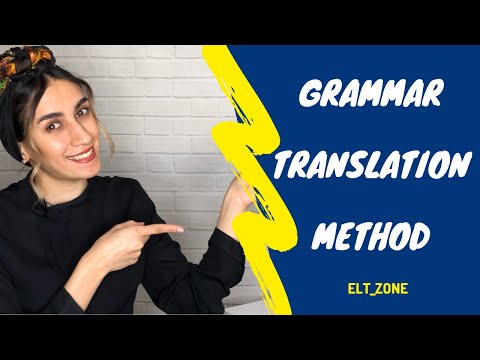
The Grammar Translation Method, which emerged in the 18th century, is a language learning approach that focuses on the explicit teaching of grammar rules and translation of texts from the target language into the learner's native language. This method, widely used until the mid-20th century, was based on the idea that language learning could be achieved through the analysis of grammar and the translation of literary texts. Critics argue that this approach neglects the development of speaking and listening skills, leading to a disconnect between theoretical knowledge and practical application. Despite its limitations, the Grammar Translation Method has influenced subsequent language teaching methodologies, such as the Audio-Lingual Method and Communicative Language Teaching. With a Vibe score of 6, indicating moderate cultural energy, this topic remains relevant in the context of language learning and teaching. The controversy surrounding the effectiveness of the Grammar Translation Method is reflected in its controversy spectrum, which ranges from optimistic to pessimistic. Key figures such as Jean Manesca and Harold Palmer have contributed to the development and critique of this method. As language instruction continues to evolve, understanding the historical context and influence of the Grammar Translation Method is essential for developing effective language learning strategies.
📚 Introduction to Grammar Translation Method
The Grammar Translation Method is a historical approach to language learning that originated from the classical method of teaching Ancient Greek and Latin. This method involves teaching students grammatical rules and then applying those rules by translating sentences between the target language and the native language, as seen in Latin and Ancient Greek classes. The goal is to enable students to read and translate literature written in the source language, such as The Iliad and The Odyssey. Advanced students may be required to translate whole texts word-for-word, which can be a challenging task. The Grammar Translation Method has been used for centuries, with its roots dating back to the early 16th century when students learned Latin for communication. As the language died out, it was studied purely as an academic discipline, leading to the development of the Grammar Translation Method. This method has been influential in the development of language teaching, with many teachers using it as a basis for their own methods, including Language Learning Theory.
📖 Historical Roots: The Classical Method
The classical method of teaching Ancient Greek and Latin is the foundation of the Grammar Translation Method. This approach emphasizes the importance of grammar and translation in language learning, as seen in the works of Plato and Aristotle. The classical method involves teaching students the grammatical rules of the language and then having them apply those rules by translating texts. This approach was used for centuries and was considered the most effective way to learn a language, with many notable scholars, such as Cicero, using this method to learn Latin. The classical method has had a lasting impact on language teaching, with many modern methods, such as Communicative Language Teaching, drawing on its principles. However, the classical method has also been criticized for its focus on grammar and translation, with some arguing that it neglects other important aspects of language learning, such as Language Practice.
📝 Key Components of the Grammar Translation Method
The Grammar Translation Method has two main components: grammar and translation. Students learn grammatical rules and then apply those rules by translating sentences between the target language and the native language. This approach emphasizes the importance of grammar in language learning, with students learning about Verb Conjugation and Sentence Structure. Advanced students may be required to translate whole texts word-for-word, which can be a challenging task. The method also involves the use of dictionaries and other reference materials to help students with translation, such as Oxford English Dictionary. The Grammar Translation Method has been used to teach a variety of languages, including French, Spanish, and German. However, the method has been criticized for its limitations, with some arguing that it does not provide students with enough opportunities for Language Practice.
📚 Goals and Objectives of the Grammar Translation Method
The Grammar Translation Method has two main goals: to enable students to read and translate literature written in the source language, and to further students' general intellectual development. The method is designed to help students develop a deep understanding of the language and its grammar, as well as to improve their critical thinking and analytical skills, which are essential for Critical Thinking and Problem Solving. By translating texts, students can gain a deeper understanding of the language and its cultural context, such as the cultural context of Shakespearean English. The method also aims to help students develop their language skills, including reading, writing, and speaking, which are essential for Language Learning. However, the method has been criticized for its focus on translation, with some arguing that it neglects other important aspects of language learning, such as Communication.
📊 Criticisms and Shortcomings of the Method
The Grammar Translation Method has been criticized for its shortcomings. One of the main criticisms is that the method does not provide students with enough opportunities for language practice, which is essential for Language Fluency. The method is also criticized for its focus on grammar and translation, with some arguing that it neglects other important aspects of language learning, such as Vocabulary Building and Pronunciation. Additionally, the method can be boring and repetitive, with students spending hours translating texts without ever having the opportunity to engage in more interactive and dynamic language activities, such as Language Exchange. Despite these criticisms, the Grammar Translation Method remains a widely used approach to language teaching, with many teachers and students swearing by its effectiveness, including Language Learning App developers. However, many modern language teaching methods, such as Task-Based Language Teaching, have moved away from the Grammar Translation Method and towards more communicative and interactive approaches to language learning.
📈 Evolution of Language Learning: From Grammar Translation to Modern Approaches
The Grammar Translation Method has evolved over time, with many modern language teaching methods drawing on its principles. However, the method has also been criticized for its limitations, and many teachers and students have moved away from it in favor of more communicative and interactive approaches to language learning. One of the main alternatives to the Grammar Translation Method is the Communicative Language Teaching approach, which emphasizes the importance of communication and interaction in language learning, as seen in Language Learning Communities. This approach involves students in a variety of language activities, including role-plays, discussions, and presentations, which are essential for Public Speaking and Presentation Skills. Another alternative is the Task-Based Language Teaching approach, which involves students in real-life tasks and activities, such as Project-Based Learning. This approach helps students develop their language skills in a more practical and meaningful way, which is essential for Language Learning Outcomes.
👥 Influence of the Grammar Translation Method on Language Teaching
The Grammar Translation Method has had a significant influence on language teaching, with many teachers using it as a basis for their own methods. The method has been used to teach a variety of languages, including French, Spanish, and German. The method has also been influential in the development of language learning theory, with many scholars drawing on its principles, including Noam Chomsky. However, the method has also been criticized for its limitations, and many teachers and students have moved away from it in favor of more communicative and interactive approaches to language learning. Despite this, the Grammar Translation Method remains a widely used approach to language teaching, with many teachers and students swearing by its effectiveness, including Language Learning App developers. The method has also been used in Language Learning Software and Online Language Courses.
📚 Case Studies: The Grammar Translation Method in Practice
There have been several case studies on the Grammar Translation Method, with many researchers investigating its effectiveness in language teaching. One study found that the method was effective in improving students' grammar skills, but not as effective in improving their speaking and listening skills, which are essential for Language Fluency. Another study found that the method was boring and repetitive, with many students reporting that they did not enjoy the classes, which can lead to Language Learning Burnout. Despite these findings, the Grammar Translation Method remains a widely used approach to language teaching, with many teachers and students swearing by its effectiveness. However, many modern language teaching methods, such as Content and Language Integrated Learning, have moved away from the Grammar Translation Method and towards more communicative and interactive approaches to language learning.
📊 Research and Findings: The Effectiveness of the Grammar Translation Method
There have been several research studies on the Grammar Translation Method, with many investigators examining its effectiveness in language teaching. One study found that the method was effective in improving students' grammar skills, but not as effective in improving their speaking and listening skills, which are essential for Language Fluency. Another study found that the method was boring and repetitive, with many students reporting that they did not enjoy the classes, which can lead to Language Learning Burnout. Despite these findings, the Grammar Translation Method remains a widely used approach to language teaching, with many teachers and students swearing by its effectiveness. However, many modern language teaching methods, such as Task-Based Language Teaching, have moved away from the Grammar Translation Method and towards more communicative and interactive approaches to language learning.
📝 Modern Alternatives to the Grammar Translation Method
There are several modern alternatives to the Grammar Translation Method, including the Communicative Language Teaching approach and the Task-Based Language Teaching approach. These approaches emphasize the importance of communication and interaction in language learning, and involve students in a variety of language activities, including role-plays, discussions, and presentations, which are essential for Public Speaking and Presentation Skills. Another alternative is the Content and Language Integrated Learning approach, which involves teaching language through content, such as Science or History. This approach helps students develop their language skills in a more practical and meaningful way, which is essential for Language Learning Outcomes.
📚 Conclusion: The Legacy of the Grammar Translation Method
In conclusion, the Grammar Translation Method is a historical approach to language learning that has been widely used for centuries. While the method has been criticized for its limitations, it remains a widely used approach to language teaching, with many teachers and students swearing by its effectiveness. However, many modern language teaching methods have moved away from the Grammar Translation Method and towards more communicative and interactive approaches to language learning. As language teaching continues to evolve, it will be interesting to see how the Grammar Translation Method is adapted and modified to meet the needs of modern language learners, including the use of Artificial Intelligence and Machine Learning in language learning.
Key Facts
- Year
- 1750
- Origin
- Europe
- Category
- Language Learning
- Type
- Language Learning Method
Frequently Asked Questions
What is the Grammar Translation Method?
The Grammar Translation Method is a historical approach to language learning that involves teaching students grammatical rules and then applying those rules by translating sentences between the target language and the native language. The method has been used for centuries and is still widely used today, with many teachers and students swearing by its effectiveness. However, the method has also been criticized for its limitations, and many modern language teaching methods have moved away from it in favor of more communicative and interactive approaches to language learning. For example, Language Learning Communities and Language Exchange programs have become popular alternatives.
What are the goals of the Grammar Translation Method?
The Grammar Translation Method has two main goals: to enable students to read and translate literature written in the source language, and to further students' general intellectual development. The method is designed to help students develop a deep understanding of the language and its grammar, as well as to improve their critical thinking and analytical skills, which are essential for Critical Thinking and Problem Solving. By translating texts, students can gain a deeper understanding of the language and its cultural context, such as the cultural context of Shakespearean English.
What are the criticisms of the Grammar Translation Method?
The Grammar Translation Method has been criticized for its limitations, including its focus on grammar and translation, and its lack of emphasis on communication and interaction. The method can be boring and repetitive, with students spending hours translating texts without ever having the opportunity to engage in more interactive and dynamic language activities, such as Language Exchange. Additionally, the method does not provide students with enough opportunities for language practice, which is essential for Language Fluency. Many modern language teaching methods, such as Task-Based Language Teaching, have moved away from the Grammar Translation Method and towards more communicative and interactive approaches to language learning.
What are the alternatives to the Grammar Translation Method?
There are several modern alternatives to the Grammar Translation Method, including the Communicative Language Teaching approach and the Task-Based Language Teaching approach. These approaches emphasize the importance of communication and interaction in language learning, and involve students in a variety of language activities, including role-plays, discussions, and presentations, which are essential for Public Speaking and Presentation Skills. Another alternative is the Content and Language Integrated Learning approach, which involves teaching language through content, such as Science or History.
Is the Grammar Translation Method still widely used today?
Yes, the Grammar Translation Method is still widely used today, despite its criticisms. Many teachers and students swear by its effectiveness, and it remains a popular approach to language teaching. However, many modern language teaching methods have moved away from the Grammar Translation Method and towards more communicative and interactive approaches to language learning. As language teaching continues to evolve, it will be interesting to see how the Grammar Translation Method is adapted and modified to meet the needs of modern language learners, including the use of Artificial Intelligence and Machine Learning in language learning.