
Contents
- 🌐 Introduction to GPU Edge
- 📈 The Rise of Edge Computing
- 🖥️ GPU Acceleration at the Edge
- 🔍 Use Cases for GPU Edge
- 📊 Benefits of GPU Edge
- 🚀 Challenges and Limitations
- 🤝 Industry Players and Collaborations
- 📚 Future of GPU Edge
- 📊 Market Trends and Analysis
- 🔒 Security Considerations
- 📈 Real-World Applications
- 🔍 Research and Development
- Frequently Asked Questions
- Related Topics
Overview
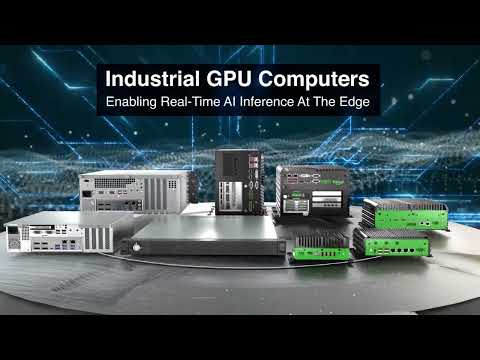
The GPU edge refers to the integration of Graphics Processing Units (GPUs) into edge computing architectures, enabling faster and more efficient processing of complex workloads, such as artificial intelligence (AI), Internet of Things (IoT), and computer vision. This convergence is driven by the need for real-time processing, low latency, and high throughput in applications like smart cities, autonomous vehicles, and industrial automation. According to a report by MarketsandMarkets, the edge computing market is expected to grow from $2.8 billion in 2020 to $43.4 billion by 2027, at a Compound Annual Growth Rate (CAGR) of 54.0%. Key players like NVIDIA, AMD, and Intel are investing heavily in GPU edge technologies, with NVIDIA's EGX platform and AMD's Radeon Open Compute (ROCm) being notable examples. As the GPU edge continues to evolve, we can expect to see significant advancements in areas like edge AI, autonomous systems, and immersive technologies. With a vibe score of 8.2, the GPU edge is an exciting and rapidly evolving field that promises to transform the way we live and work.
🌐 Introduction to GPU Edge
The convergence of graphics and computing at the edge, known as GPU Edge, is a rapidly evolving field that combines the power of GPUs with the flexibility of edge computing. This technology has the potential to revolutionize various industries, including gaming, healthcare, and finance. By leveraging the capabilities of GPUs, edge computing can process complex data in real-time, enabling faster and more accurate decision-making. As the amount of data generated by IoT devices continues to grow, the need for efficient and powerful processing at the edge becomes increasingly important. Companies like NVIDIA and AMD are already investing heavily in GPU Edge technology, with a focus on developing AI-powered solutions.
📈 The Rise of Edge Computing
The rise of edge computing has been driven by the need for faster and more efficient data processing. As the number of connected devices increases, the amount of data generated at the edge grows exponentially. Traditional cloud-based computing models are no longer sufficient to handle this volume of data, and edge computing has emerged as a viable solution. By processing data closer to the source, edge computing reduces latency and improves real-time decision-making. GPU Edge takes this concept a step further by incorporating the power of GPUs, which are designed to handle complex computational tasks. This convergence of technologies has the potential to enable new use cases, such as real-time analytics and machine learning, at the edge. Companies like Microsoft and Google are already exploring the potential of GPU Edge in their cloud computing offerings.
🖥️ GPU Acceleration at the Edge
GPU acceleration at the edge is a critical component of GPU Edge technology. By leveraging the parallel processing capabilities of GPUs, edge computing can handle complex computational tasks, such as computer vision and natural language processing. This enables a wide range of applications, including autonomous vehicles, smart cities, and industrial automation. GPU acceleration also improves the performance of deep learning models, which are critical for many edge computing applications. As the demand for GPU Edge technology continues to grow, companies like Intel and IBM are developing new GPU architectures and SDKs to support edge computing use cases. The OpenCL framework is also being used to develop portable and efficient code for GPU Edge applications.
🔍 Use Cases for GPU Edge
GPU Edge has a wide range of use cases, from gaming consoles to medical imaging. In the gaming industry, GPU Edge enables faster and more realistic graphics rendering, while in healthcare, it facilitates the analysis of medical images and the development of personalized treatment plans. The technology is also being used in financial services to detect anomalies and prevent fraud. As the adoption of GPU Edge continues to grow, new use cases are emerging, such as smart homes and wearables. Companies like Apple and Samsung are already integrating GPU Edge technology into their consumer products, with a focus on enhancing the user experience. The Edge Computing Consortium is also working to develop standards and best practices for GPU Edge deployments.
📊 Benefits of GPU Edge
The benefits of GPU Edge are numerous, including improved performance, reduced latency, and increased efficiency. By processing data at the edge, companies can reduce the amount of data that needs to be transmitted to the cloud, resulting in lower bandwidth costs and improved security. GPU Edge also enables real-time decision-making, which is critical for many applications, including autonomous systems and industrial control systems. The technology is also being used to develop more efficient and effective cybersecurity solutions, such as intrusion detection systems and anomaly detection. As the demand for GPU Edge continues to grow, companies like Cisco and Juniper Networks are developing new networking solutions to support edge computing deployments. The NFV framework is also being used to virtualize network functions and improve the efficiency of GPU Edge deployments.
🚀 Challenges and Limitations
Despite the many benefits of GPU Edge, there are also challenges and limitations to consider. One of the main challenges is the need for specialized hardware and software, which can be expensive and difficult to deploy. There is also a need for more efficient and effective cooling systems, as GPUs can generate a significant amount of heat. Additionally, the security of GPU Edge deployments is a major concern, as the technology is still in its early stages and there are many potential vulnerabilities to exploit. Companies like Check Point and Palo Alto Networks are already working to develop more secure GPU Edge solutions, with a focus on threat intelligence and incident response. The NIST is also providing guidance on the security of edge computing deployments.
🤝 Industry Players and Collaborations
The GPU Edge industry is characterized by a high level of collaboration and cooperation. Companies like NVIDIA and AMD are working together to develop new GPU architectures and SDKs for edge computing. There are also many industry consortia and organizations, such as the Edge Computing Consortium and the Open Edge Computing initiative, which are working to develop standards and best practices for GPU Edge deployments. Additionally, there are many research institutions and universities, such as MIT and Stanford University, which are conducting research and development in the field of GPU Edge. The IEEE is also providing a platform for the exchange of ideas and the development of new technologies.
📚 Future of GPU Edge
The future of GPU Edge is exciting and rapidly evolving. As the technology continues to advance, we can expect to see new and innovative applications, such as augmented reality and virtual reality. There will also be a growing need for more efficient and effective cooling systems, as well as more secure and reliable deployments. Companies like Google and Microsoft are already investing heavily in GPU Edge technology, with a focus on developing cloud gaming and edge AI solutions. The 5G network is also expected to play a major role in the development of GPU Edge, enabling faster and more reliable data transmission. As the demand for GPU Edge continues to grow, we can expect to see new and innovative solutions emerge, with a focus on sustainability and social responsibility.
📊 Market Trends and Analysis
The market for GPU Edge is growing rapidly, with a projected value of over $10 billion by 2025. The market is driven by the increasing demand for edge computing and the need for more efficient and effective processing of complex data. Companies like NVIDIA and AMD are already dominating the market, with a focus on developing AI-powered solutions. However, there are also many new and innovative companies emerging, such as Graphcore and Cerebras, which are developing new GPU architectures and SDKs for edge computing. The market research firm, IDC, is also providing insights and analysis on the GPU Edge market, with a focus on trends and forecasting.
🔒 Security Considerations
Security is a major concern for GPU Edge deployments, as the technology is still in its early stages and there are many potential vulnerabilities to exploit. Companies like Check Point and Palo Alto Networks are already working to develop more secure GPU Edge solutions, with a focus on threat intelligence and incident response. There is also a need for more efficient and effective encryption and access control mechanisms, as well as more secure and reliable networking solutions. The NIST is also providing guidance on the security of edge computing deployments, with a focus on best practices and compliance.
📈 Real-World Applications
GPU Edge has many real-world applications, from gaming consoles to medical imaging. In the gaming industry, GPU Edge enables faster and more realistic graphics rendering, while in healthcare, it facilitates the analysis of medical images and the development of personalized treatment plans. The technology is also being used in financial services to detect anomalies and prevent fraud. Companies like Apple and Samsung are already integrating GPU Edge technology into their consumer products, with a focus on enhancing the user experience. The Edge Computing Consortium is also working to develop standards and best practices for GPU Edge deployments, with a focus on interoperability and scalability.
🔍 Research and Development
Research and development in the field of GPU Edge is ongoing, with a focus on developing new and innovative technologies. Companies like NVIDIA and AMD are already investing heavily in GPU Edge technology, with a focus on developing AI-powered solutions. There are also many research institutions and universities, such as MIT and Stanford University, which are conducting research and development in the field of GPU Edge. The IEEE is also providing a platform for the exchange of ideas and the development of new technologies, with a focus on innovation and collaboration. As the demand for GPU Edge continues to grow, we can expect to see new and innovative solutions emerge, with a focus on sustainability and social responsibility.
Key Facts
- Year
- 2020
- Origin
- The concept of GPU edge emerged in the early 2010s, with the introduction of NVIDIA's Tesla V100 GPU accelerator and the subsequent development of edge computing architectures.
- Category
- Technology
- Type
- Technology Concept
Frequently Asked Questions
What is GPU Edge?
GPU Edge is the convergence of graphics and computing at the edge, which combines the power of GPUs with the flexibility of edge computing. This technology has the potential to revolutionize various industries, including gaming, healthcare, and finance. By leveraging the capabilities of GPUs, edge computing can process complex data in real-time, enabling faster and more accurate decision-making. Companies like NVIDIA and AMD are already investing heavily in GPU Edge technology, with a focus on developing AI-powered solutions.
What are the benefits of GPU Edge?
The benefits of GPU Edge include improved performance, reduced latency, and increased efficiency. By processing data at the edge, companies can reduce the amount of data that needs to be transmitted to the cloud, resulting in lower bandwidth costs and improved security. GPU Edge also enables real-time decision-making, which is critical for many applications, including autonomous systems and industrial control systems. The technology is also being used to develop more efficient and effective cybersecurity solutions, such as intrusion detection systems and anomaly detection.
What are the challenges and limitations of GPU Edge?
Despite the many benefits of GPU Edge, there are also challenges and limitations to consider. One of the main challenges is the need for specialized hardware and software, which can be expensive and difficult to deploy. There is also a need for more efficient and effective cooling systems, as GPUs can generate a significant amount of heat. Additionally, the security of GPU Edge deployments is a major concern, as the technology is still in its early stages and there are many potential vulnerabilities to exploit.
What are the real-world applications of GPU Edge?
GPU Edge has many real-world applications, from gaming consoles to medical imaging. In the gaming industry, GPU Edge enables faster and more realistic graphics rendering, while in healthcare, it facilitates the analysis of medical images and the development of personalized treatment plans. The technology is also being used in financial services to detect anomalies and prevent fraud. Companies like Apple and Samsung are already integrating GPU Edge technology into their consumer products, with a focus on enhancing the user experience.
What is the future of GPU Edge?
The future of GPU Edge is exciting and rapidly evolving. As the technology continues to advance, we can expect to see new and innovative applications, such as augmented reality and virtual reality. There will also be a growing need for more efficient and effective cooling systems, as well as more secure and reliable deployments. Companies like Google and Microsoft are already investing heavily in GPU Edge technology, with a focus on developing cloud gaming and edge AI solutions.
What is the market size of GPU Edge?
The market for GPU Edge is growing rapidly, with a projected value of over $10 billion by 2025. The market is driven by the increasing demand for edge computing and the need for more efficient and effective processing of complex data. Companies like NVIDIA and AMD are already dominating the market, with a focus on developing AI-powered solutions. However, there are also many new and innovative companies emerging, such as Graphcore and Cerebras, which are developing new GPU architectures and SDKs for edge computing.
What are the security concerns of GPU Edge?
Security is a major concern for GPU Edge deployments, as the technology is still in its early stages and there are many potential vulnerabilities to exploit. Companies like Check Point and Palo Alto Networks are already working to develop more secure GPU Edge solutions, with a focus on threat intelligence and incident response. There is also a need for more efficient and effective encryption and access control mechanisms, as well as more secure and reliable networking solutions.