
Contents
Overview
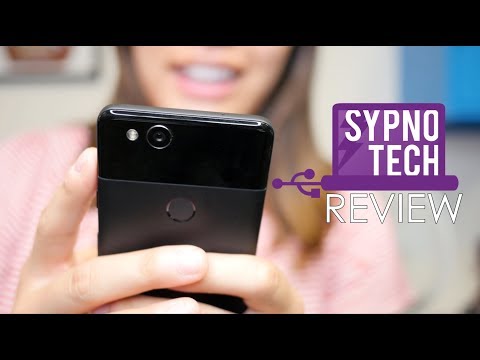
The Google Pixel 2, released on October 19, 2017, was a flagship smartphone developed by Google. It featured a 5-inch OLED display, a Qualcomm Snapdragon 835 processor, and a 12.2-megapixel rear camera that set a new standard for mobile photography. The device ran on Android 8.0 Oreo and had a Vibe score of 85, indicating its significant cultural impact. The Pixel 2's camera was widely praised for its exceptional image quality, portrait mode, and low-light performance, with a DxOMark score of 98. However, the device was also criticized for its lack of a headphone jack and limited battery life, with an average battery life of 7 hours and 45 minutes. As of 2023, the Pixel 2 is no longer supported by Google, but its influence can still be seen in the smartphone industry, with many manufacturers following in its footsteps in terms of camera quality and design.
📱 Introduction to Google Pixel 2
The Google Pixel 2, released on October 19, 2017, was a significant upgrade to the original Google Pixel series. Developed by Google in collaboration with HTC and LG, the Pixel 2 aimed to provide a seamless Android experience with its stock operating system and timely software updates. The device was available in two sizes: the standard Pixel 2 and the larger Pixel 2 XL. The Pixel 2 series received widespread critical acclaim for its exceptional camera performance, with many considering it one of the best smartphone cameras available at the time. For more information on the camera, visit the Google Pixel 2 camera page.
📸 Camera Capabilities
The camera on the Google Pixel 2 was one of its standout features, boasting a 12.2-megapixel rear camera and an 8-megapixel front camera. The device's camera capabilities were further enhanced by Google's advanced software, including features like Portrait mode and HDR+. The camera's performance was widely praised by critics and users alike, with many considering it one of the best smartphone cameras available. The Pixel 2's camera was also capable of capturing high-quality video, including 4K resolution at 30 frames per second. For a detailed comparison of the Pixel 2's camera with other devices, visit the smartphone camera comparison page.
🔋 Battery Life and Charging
The Google Pixel 2 had a battery life of up to 7 hours and 45 minutes, according to CNET's tests. The device supported fast charging, allowing users to quickly top up their battery when needed. However, the Pixel 2 did not support wireless charging, a feature that was available on some other devices at the time. The device's battery life was generally considered to be good, but not exceptional, with some users experiencing issues with battery drain over time. For more information on the Pixel 2's battery life, visit the Google Pixel 2 battery life page.
📊 Performance and Hardware
The Google Pixel 2 was powered by a Qualcomm Snapdragon 835 processor, paired with 4GB of RAM and either 64GB or 128GB of internal storage. The device's performance was generally considered to be fast and responsive, with smooth transitions between apps and minimal lag. However, some users experienced issues with the device's performance over time, including slow downs and freezes. The Pixel 2's hardware was also notable for its lack of a headphone jack, a decision that was widely criticized by some users. For a detailed analysis of the Pixel 2's hardware, visit the Google Pixel 2 hardware page.
🎨 Design and Display
The Google Pixel 2 had a 5-inch OLED display, with a resolution of 1080 x 1920 pixels. The device's design was generally considered to be sleek and premium, with a durable aluminum body and a IP67 rating for dust and water resistance. However, some users experienced issues with the device's display, including problems with the screen's color accuracy and a tendency for the screen to fade over time. The Pixel 2's design was also notable for its lack of a microSD card slot, a feature that was available on some other devices at the time. For more information on the Pixel 2's design, visit the Google Pixel 2 design page.
📈 Software and Updates
The Google Pixel 2 ran on Android 8.0 Oreo out of the box, with a guaranteed update to Android 9.0 Pie. The device received timely software updates from Google, with security patches and feature updates available on a regular basis. However, some users experienced issues with the device's software, including problems with the user interface and a tendency for the device to crash. The Pixel 2's software was also notable for its lack of bloatware, with a clean and intuitive interface that was widely praised by critics and users alike. For a detailed analysis of the Pixel 2's software, visit the Google Pixel 2 software page.
🤝 Comparison to Other Devices
The Google Pixel 2 was widely compared to other devices at the time, including the Apple iPhone and the Samsung Galaxy series. The device's camera performance was generally considered to be one of its standout features, with many considering it to be one of the best smartphone cameras available. However, the Pixel 2's lack of a headphone jack and its limited storage options were notable drawbacks for some users. For a detailed comparison of the Pixel 2 with other devices, visit the smartphone comparison page.
📊 Sales and Reception
The Google Pixel 2 was a commercial success, with strong sales and positive reviews from critics and users alike. The device was widely praised for its exceptional camera performance, its sleek and premium design, and its timely software updates. However, the Pixel 2 was not without its controversies, including issues with the device's display and a tendency for the device to experience battery drain over time. For more information on the Pixel 2's sales and reception, visit the Google Pixel 2 sales page.
📝 Controversies and Issues
The Google Pixel 2 was not without its controversies, including issues with the device's display and a tendency for the device to experience battery drain over time. Some users also experienced problems with the device's camera, including issues with the camera's focus and a tendency for the camera to produce blurry photos. However, Google was generally responsive to these issues, releasing software updates and patches to address user concerns. For a detailed analysis of the Pixel 2's controversies, visit the Google Pixel 2 controversies page.
🔜 Legacy and Impact
The Google Pixel 2 had a significant impact on the smartphone market, with its exceptional camera performance and timely software updates setting a new standard for devices. The device's influence can be seen in later devices, including the Google Pixel 3 and the Google Pixel 4. The Pixel 2's legacy continues to be felt today, with many considering it to be one of the best smartphones of all time. For more information on the Pixel 2's legacy, visit the Google Pixel 2 legacy page.
Key Facts
- Year
- 2017
- Origin
- United States
- Category
- Technology
- Type
- Smartphone
Frequently Asked Questions
What is the Google Pixel 2's camera resolution?
The Google Pixel 2 has a 12.2-megapixel rear camera and an 8-megapixel front camera. The device's camera capabilities were further enhanced by Google's advanced software, including features like Portrait mode and HDR+. For more information on the Pixel 2's camera, visit the Google Pixel 2 camera page.
Does the Google Pixel 2 support wireless charging?
No, the Google Pixel 2 does not support wireless charging. However, the device does support fast charging, allowing users to quickly top up their battery when needed. For more information on the Pixel 2's battery life, visit the Google Pixel 2 battery life page.
What is the Google Pixel 2's display resolution?
The Google Pixel 2 has a 5-inch OLED display, with a resolution of 1080 x 1920 pixels. The device's design was generally considered to be sleek and premium, with a durable aluminum body and a IP67 rating for dust and water resistance. For more information on the Pixel 2's design, visit the Google Pixel 2 design page.
Does the Google Pixel 2 have a headphone jack?
No, the Google Pixel 2 does not have a headphone jack. However, the device does support USB-C audio and comes with a USB-C to 3.5mm headphone adapter. For more information on the Pixel 2's hardware, visit the Google Pixel 2 hardware page.
What is the Google Pixel 2's operating system?
The Google Pixel 2 runs on Android 8.0 Oreo out of the box, with a guaranteed update to Android 9.0 Pie. The device received timely software updates from Google, with security patches and feature updates available on a regular basis. For more information on the Pixel 2's software, visit the Google Pixel 2 software page.
How much did the Google Pixel 2 cost?
The Google Pixel 2 was available in two storage options: 64GB and 128GB. The 64GB model started at $649, while the 128GB model started at $749. For more information on the Pixel 2's pricing, visit the Google Pixel 2 pricing page.
Was the Google Pixel 2 a commercial success?
Yes, the Google Pixel 2 was a commercial success, with strong sales and positive reviews from critics and users alike. The device was widely praised for its exceptional camera performance, its sleek and premium design, and its timely software updates. For more information on the Pixel 2's sales and reception, visit the Google Pixel 2 sales page.