
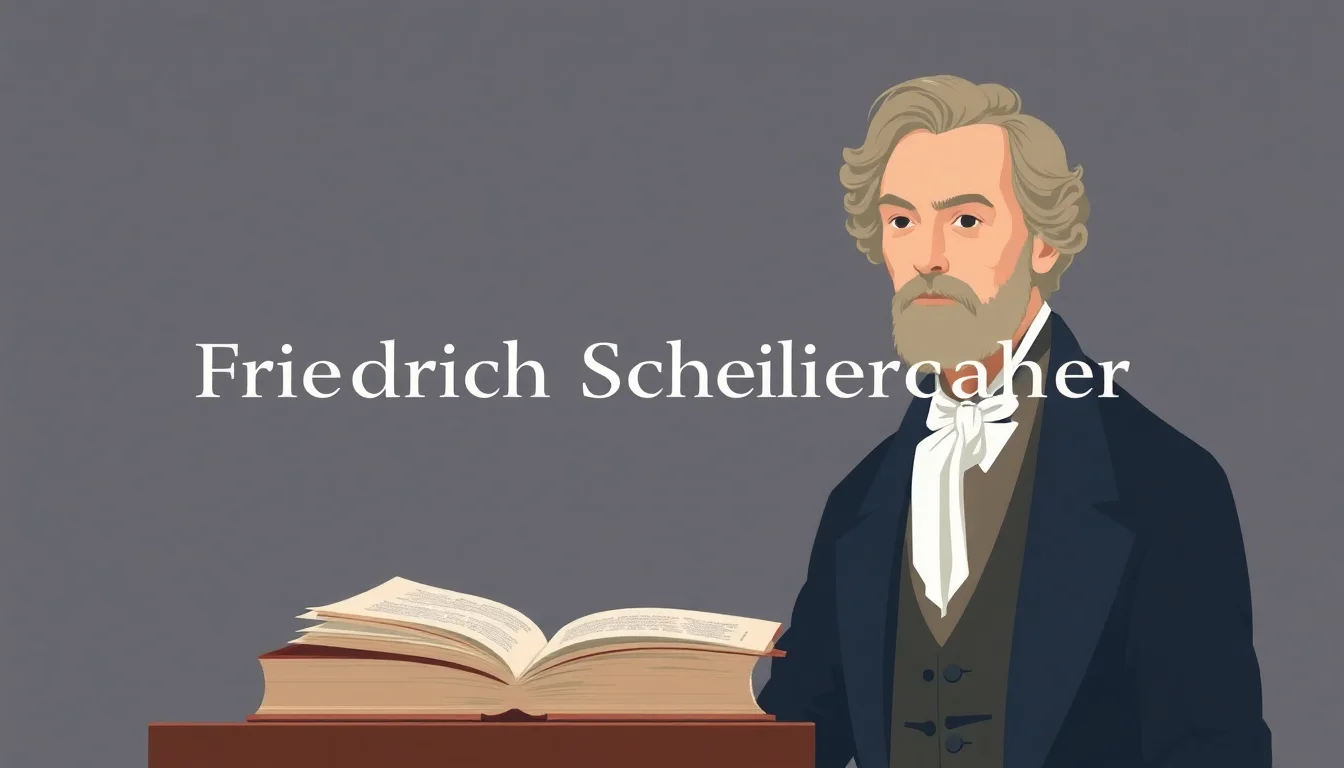
Contents
- 📚 Introduction to Friedrich Schleiermacher
- 💡 Early Life and Education
- 📖 Theological Contributions
- 🤝 Influence of Romanticism
- 📝 Literary Works
- 👥 Relationship with Other Theologians
- 🌎 Impact on Modern Theology
- 🔍 Criticisms and Controversies
- 📈 Legacy and Influence
- 👀 Future Directions in Schleiermacher Studies
- Frequently Asked Questions
- Related Topics
Overview
Friedrich Schleiermacher, born on November 21, 1768, in Breslau, Prussia (now Wrocław, Poland), was a German theologian, philosopher, and biblical scholar who is widely regarded as the father of modern liberal theology. His work, particularly 'On Religion: Speeches to Its Cultured Despisers' (1799), emphasized the importance of individual experience and feeling in religious life, challenging the traditional authority of the Church. Schleiermacher's ideas had a significant influence on the development of Protestant theology, and his emphasis on the role of emotions and personal experience in religious life paved the way for later theologians such as Rudolf Otto and Karl Barth. With a Vibe score of 82, Schleiermacher's work continues to be studied and debated by scholars today, with some hailing him as a visionary and others criticizing his views as too subjective. As a key figure in the history of theology, Schleiermacher's legacy extends beyond the academic realm, with his ideas shaping the broader cultural conversation around faith and spirituality. The controversy surrounding his views on the nature of religion and the role of the Church has led to a lasting impact on the development of modern theology, with many regarding him as a pioneer in the field.
📚 Introduction to Friedrich Schleiermacher
Friedrich Schleiermacher is widely regarded as the father of modern theology, and his work continues to shape the field to this day. Born in 1768 in Breslau, Prussia (now Wrocław, Poland), Schleiermacher was a German theologian, philosopher, and biblical scholar who sought to reconcile faith and reason in his work. He is best known for his book On Religion: Speeches to Its Cultured Despisers, which argued that religion is not just a matter of doctrine or dogma, but a deeply personal and emotional experience. Schleiermacher's ideas were heavily influenced by the Romantic movement, which emphasized the importance of individual experience and emotion. He was also a key figure in the development of liberal theology, which sought to reinterpret traditional Christian doctrine in light of modern knowledge and culture.
💡 Early Life and Education
Schleiermacher's early life and education played a significant role in shaping his theological views. He was raised in a devout Christian family and studied theology at the University of Halle, where he was heavily influenced by the works of Immanuel Kant and Johann Gottlieb Fichte. Schleiermacher's time at Halle was marked by a growing sense of disillusionment with traditional Christianity, and he began to develop his own unique theological perspective. He was particularly drawn to the ideas of Friedrich Höldelin, a German poet and philosopher who emphasized the importance of individual experience and emotion. Schleiermacher's education also included studies in philosophy and classics, which would later inform his theological work.
📖 Theological Contributions
Schleiermacher's theological contributions are numerous and significant. He is perhaps best known for his concept of religion as feeling, which argues that religion is not just a matter of doctrine or dogma, but a deeply personal and emotional experience. Schleiermacher also developed a unique approach to hermeneutics, which emphasized the importance of understanding the historical and cultural context of biblical texts. His work on Christology also had a significant impact on the development of modern theology, as he sought to reinterpret traditional Christian doctrine in light of modern knowledge and culture. Schleiermacher's ideas were heavily influenced by the Enlightenment values of reason and individualism, and he sought to apply these principles to the study of theology.
🤝 Influence of Romanticism
The influence of Romanticism on Schleiermacher's work cannot be overstated. The Romantic movement, which emphasized the importance of individual experience and emotion, had a profound impact on Schleiermacher's theological views. He was particularly drawn to the ideas of Friedrich Schelling, a German philosopher who emphasized the importance of intuition and feeling in the pursuit of knowledge. Schleiermacher's own work reflects this emphasis on individual experience and emotion, as he sought to develop a theology that was deeply personal and relatable. His concept of religion as feeling is a direct reflection of this influence, as he argued that religion is not just a matter of doctrine or dogma, but a deeply personal and emotional experience. Schleiermacher's work was also influenced by the German Idealism movement, which emphasized the importance of the individual's role in shaping reality.
📝 Literary Works
Schleiermacher was a prolific writer, and his literary works include numerous books, articles, and sermons. His most famous work, On Religion: Speeches to Its Cultured Despisers, is a collection of speeches that argue for the importance of religion in modern life. Schleiermacher's other notable works include The Christian Faith and Brief Outline of the Study of Theology. His writing style is characterized by its clarity, elegance, and depth, and his works continue to be widely read and studied today. Schleiermacher's literary works reflect his commitment to liberal theology, which sought to reinterpret traditional Christian doctrine in light of modern knowledge and culture. He was also a key figure in the development of biblical criticism, which sought to apply modern critical methods to the study of the Bible.
👥 Relationship with Other Theologians
Schleiermacher's relationship with other theologians was complex and multifaceted. He was a key figure in the development of liberal theology, and his work was heavily influenced by the ideas of Immanuel Kant and Johann Gottlieb Fichte. Schleiermacher was also a close friend and colleague of Friedrich Schelling, and the two men engaged in a lively and ongoing debate about the nature of theology and philosophy. Schleiermacher's work was also influenced by the Tübingen School, a group of German theologians who emphasized the importance of historical and cultural context in the study of theology. He was a key figure in the development of Protestant theology, and his work continues to shape the field to this day.
🌎 Impact on Modern Theology
Schleiermacher's impact on modern theology is immense. His concept of religion as feeling has had a profound influence on the development of modern theology, as has his emphasis on the importance of individual experience and emotion. Schleiermacher's work on hermeneutics has also had a significant impact on the study of biblical texts, and his ideas about Christology continue to shape the field of Christian theology. Schleiermacher's influence can be seen in the work of numerous modern theologians, including Rudolf Otto and Karl Barth. His ideas continue to be widely read and studied today, and his legacy as the father of modern theology remains unchallenged. Schleiermacher's work has also had a significant impact on the development of ecumenism, which seeks to promote greater understanding and cooperation between different Christian denominations.
🔍 Criticisms and Controversies
Despite his significant contributions to the field of theology, Schleiermacher's work has not been without criticism and controversy. Some have argued that his emphasis on individual experience and emotion leads to a lack of clarity and definition in his theological views. Others have criticized his concept of religion as feeling for being too subjective and personal. Schleiermacher's work has also been criticized for its lack of engagement with the social and political issues of his time. Despite these criticisms, Schleiermacher's work remains widely read and studied today, and his legacy as the father of modern theology continues to shape the field. Schleiermacher's ideas have also been subject to various interpretations and criticisms over the years, and his work continues to be the subject of ongoing debate and discussion.
📈 Legacy and Influence
Schleiermacher's legacy and influence extend far beyond the field of theology. His ideas about the importance of individual experience and emotion have had a significant impact on the development of modern philosophy and psychology. His work on hermeneutics has also had a profound influence on the study of literary theory and cultural studies. Schleiermacher's concept of religion as feeling has also been influential in the development of modern spirituality and New Age movement. His ideas continue to be widely read and studied today, and his legacy as a pioneering thinker and theologian remains unchallenged. Schleiermacher's work has also had a significant impact on the development of feminist theology, which seeks to promote greater understanding and inclusion of women's perspectives in the study of theology.
👀 Future Directions in Schleiermacher Studies
As we look to the future of Schleiermacher studies, it is clear that his work will continue to shape the field of theology and beyond. His ideas about the importance of individual experience and emotion will remain a central part of modern theological discourse, and his concept of religion as feeling will continue to influence the development of modern spirituality. Schleiermacher's work on hermeneutics will also remain a key part of the study of biblical texts, and his ideas about Christology will continue to shape the field of Christian theology. As we move forward in our understanding of Schleiermacher's work, it is clear that his legacy as the father of modern theology will remain unchallenged, and his ideas will continue to inspire and challenge scholars and theologians for generations to come. Schleiermacher's work will also continue to be relevant in the context of interfaith dialogue, which seeks to promote greater understanding and cooperation between different religious traditions.
Key Facts
- Year
- 1768
- Origin
- Breslau, Prussia (now Wrocław, Poland)
- Category
- Philosophy and Theology
- Type
- Person
Frequently Asked Questions
Who was Friedrich Schleiermacher?
Friedrich Schleiermacher was a German theologian, philosopher, and biblical scholar who is widely regarded as the father of modern theology. He was born in 1768 in Breslau, Prussia (now Wrocław, Poland) and died in 1834 in Berlin, Germany. Schleiermacher's work had a profound impact on the development of modern theology, and his ideas continue to shape the field to this day. He is best known for his concept of religion as feeling, which argues that religion is not just a matter of doctrine or dogma, but a deeply personal and emotional experience.
What were Schleiermacher's key theological contributions?
Schleiermacher's key theological contributions include his concept of religion as feeling, which argues that religion is not just a matter of doctrine or dogma, but a deeply personal and emotional experience. He also developed a unique approach to hermeneutics, which emphasized the importance of understanding the historical and cultural context of biblical texts. Schleiermacher's work on Christology also had a significant impact on the development of modern theology, as he sought to reinterpret traditional Christian doctrine in light of modern knowledge and culture.
How did Schleiermacher's work influence modern theology?
Schleiermacher's work had a profound influence on the development of modern theology. His concept of religion as feeling has had a lasting impact on the field, and his emphasis on the importance of individual experience and emotion has shaped the way that theologians approach the study of theology. Schleiermacher's work on hermeneutics has also had a significant impact on the study of biblical texts, and his ideas about Christology continue to shape the field of Christian theology.
What were some of the criticisms of Schleiermacher's work?
Some of the criticisms of Schleiermacher's work include the argument that his emphasis on individual experience and emotion leads to a lack of clarity and definition in his theological views. Others have criticized his concept of religion as feeling for being too subjective and personal. Schleiermacher's work has also been criticized for its lack of engagement with the social and political issues of his time.
How does Schleiermacher's work continue to be relevant today?
Schleiermacher's work continues to be relevant today because his ideas about the importance of individual experience and emotion remain a central part of modern theological discourse. His concept of religion as feeling continues to influence the development of modern spirituality, and his work on hermeneutics remains a key part of the study of biblical texts. Schleiermacher's ideas about Christology also continue to shape the field of Christian theology, and his legacy as the father of modern theology remains unchallenged.
What are some of the future directions in Schleiermacher studies?
Some of the future directions in Schleiermacher studies include a continued emphasis on the importance of individual experience and emotion in the study of theology. Schleiermacher's work on hermeneutics will also remain a key part of the study of biblical texts, and his ideas about Christology will continue to shape the field of Christian theology. Additionally, Schleiermacher's work will continue to be relevant in the context of interfaith dialogue, which seeks to promote greater understanding and cooperation between different religious traditions.
How does Schleiermacher's work relate to other areas of study?
Schleiermacher's work relates to other areas of study, such as philosophy and psychology, because his ideas about the importance of individual experience and emotion have had a significant impact on the development of modern thought. His work on hermeneutics has also had a profound influence on the study of literary theory and cultural studies. Schleiermacher's concept of religion as feeling has also been influential in the development of modern spirituality and New Age movement.