
Contents
- 🎮 Introduction to FPS
- 🔫 The Early Days of First-Person Shooters
- 📈 The Rise of 3D Graphics in FPS
- 👥 Multiplayer and the FPS Community
- 🎯 The Impact of [[halo|Halo]] and [[counter-strike|Counter-Strike]]
- 🤖 The Role of AI in Modern FPS
- 📊 The Business of FPS: [[ea|EA]] and [[activision|Activision]]
- 👀 The Future of FPS: Trends and Innovations
- 🔴 The Controversy Surrounding FPS and Violence
- 👾 The Influence of [[id-software|id Software]] on the FPS Genre
- 📚 The Evolution of FPS Games: A Historical Perspective
- 👑 The Reign of [[call-of-duty|Call of Duty]] and [[battlefield|Battlefield]]
- Frequently Asked Questions
- Related Topics
Overview
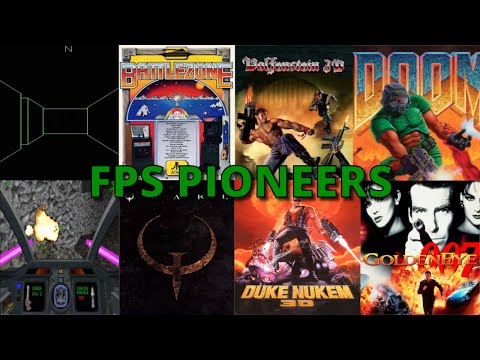
The first-person shooter (FPS) genre has undergone significant transformations since its inception in the 1970s. With the release of Wolfenstein 3D in 1992, the genre gained popularity, and subsequent titles like Doom and Quake further solidified its place in the gaming world. The introduction of 3D graphics and multiplayer capabilities in the late 1990s and early 2000s revolutionized the genre, with games like Half-Life and Counter-Strike becoming cultural phenomena. Today, FPS games continue to push the boundaries of storytelling, graphics, and gameplay, with titles like Call of Duty: Modern Warfare and Overwatch boasting massive player bases and esports scenes. The genre's influence extends beyond gaming, with many FPS games incorporating elements of film and literature, and their impact on popular culture is undeniable. As the gaming industry continues to evolve, the FPS genre is likely to remain a major player, with new technologies and innovations promising to further enhance the gaming experience.
🎮 Introduction to FPS
The first-person shooter (FPS) genre has undergone significant transformations since its inception. From the early days of Wolfenstein 3D to the modern Fortnite and PUBG, FPS games have captivated audiences worldwide. The genre's evolution is a testament to the innovative spirit of game developers, who have continually pushed the boundaries of technology and gameplay. With the rise of Steam and other digital distribution platforms, FPS games have become more accessible than ever, allowing players to engage with a vast array of titles. The Vibe Score of FPS games has consistently remained high, indicating their enduring popularity.
🔫 The Early Days of First-Person Shooters
The early days of FPS were marked by the release of Doom in 1993, which revolutionized the genre with its 3D graphics and fast-paced action. This was followed by the release of Quake in 1996, which introduced true 3D graphics and multiplayer capabilities. The success of these games paved the way for other iconic titles, such as Half-Life and GoldenEye 007. As the genre evolved, so did the technology, with advancements in physics engines and graphics cards enabling more realistic gameplay. The influence of John Carmack and id Software on the FPS genre cannot be overstated, as they played a crucial role in shaping the industry.
📈 The Rise of 3D Graphics in FPS
The rise of 3D graphics in FPS games was a significant milestone in the genre's evolution. Games like Unreal Tournament and Quake III Arena showcased the potential of 3D graphics, with improved textures, lighting, and character models. The introduction of consoles like the PlayStation 2 and Xbox further expanded the FPS market, allowing developers to create more complex and engaging games. As the genre continued to grow, so did the community, with the emergence of eSports and competitive gaming. The Counter-Strike series, in particular, has had a profound impact on the FPS genre, with its competitive gameplay and large player base.
👥 Multiplayer and the FPS Community
Multiplayer has been a crucial aspect of the FPS genre, with games like Halo and Call of Duty offering robust online multiplayer modes. The introduction of Xbox Live and PlayStation Network enabled seamless online play, fostering a sense of community among players. The rise of battle royale games like Fortnite and PUBG has further transformed the FPS landscape, with their unique blend of survival and strategy. As the genre continues to evolve, developers are incorporating new features, such as cross-play and cloud gaming, to enhance the player experience. The Epic Games store has also played a significant role in shaping the FPS market, with its competitive revenue sharing model and exclusive titles.
🎯 The Impact of [[halo|Halo]] and [[counter-strike|Counter-Strike]]
The impact of Halo and Counter-Strike on the FPS genre cannot be overstated. These games have set the standard for multiplayer FPS games, with their engaging gameplay and robust online features. The success of these titles has inspired a new generation of FPS games, with developers striving to create similar experiences. The influence of Bungie and Valve Corporation on the FPS genre is evident, with their innovative approaches to game design and community engagement. As the genre continues to evolve, it will be interesting to see how developers build upon the foundations laid by these iconic games. The Vibe Score of FPS games has consistently remained high, indicating their enduring popularity and influence on the gaming industry.
🤖 The Role of AI in Modern FPS
The role of AI in modern FPS games has become increasingly important, with developers using advanced algorithms to create more realistic and challenging enemies. Games like Wolfenstein: Youngblood and Dusk have showcased the potential of AI in FPS games, with their intelligent and aggressive enemy AI. The use of machine learning and deep learning techniques has enabled developers to create more sophisticated AI systems, enhancing the overall gaming experience. As the genre continues to evolve, it will be interesting to see how developers leverage AI to create more immersive and engaging games. The NVIDIA corporation has been at the forefront of AI research, with its GeForce graphics cards and TensorRT software development kit.
📊 The Business of FPS: [[ea|EA]] and [[activision|Activision]]
The business of FPS games is a complex and competitive industry, with major players like EA and Activision vying for market share. The success of games like Call of Duty and Battlefield has generated significant revenue, with these franchises becoming cultural phenomena. The rise of indie games and crowdfunding platforms has democratized game development, allowing smaller studios to create and publish their own FPS games. As the genre continues to evolve, it will be interesting to see how the business landscape changes, with new players and technologies emerging. The Steam store has been a major player in the FPS market, with its vast library of games and community features.
👀 The Future of FPS: Trends and Innovations
The future of FPS games is exciting and uncertain, with new trends and innovations emerging all the time. The rise of cloud gaming and cross-play is transforming the way we play FPS games, with seamless online play and access to a vast library of titles. The use of virtual reality and augmented reality technologies is also enhancing the FPS experience, with more immersive and interactive gameplay. As the genre continues to evolve, it will be interesting to see how developers incorporate new technologies and features to create more engaging and realistic games. The Oculus corporation has been at the forefront of VR research, with its Rift and Quest headsets.
🔴 The Controversy Surrounding FPS and Violence
The controversy surrounding FPS games and violence is a complex and contentious issue, with some arguing that these games promote aggression and violent behavior. However, others argue that FPS games can be a safe outlet for stress and frustration, with many players using these games as a form of escapism. The Entertainment Software Ratings Board (ESRB) has implemented a rating system to help guide consumers, with games like Call of Duty and Battlefield receiving mature ratings. As the genre continues to evolve, it will be interesting to see how developers address these concerns, with some games incorporating more realistic and mature themes. The White House has also weighed in on the issue, with some politicians calling for stricter regulations on violent games.
👾 The Influence of [[id-software|id Software]] on the FPS Genre
The influence of id Software on the FPS genre is undeniable, with the company's innovative approach to game design and technology helping to shape the industry. The release of Doom in 1993 revolutionized the genre, with its 3D graphics and fast-paced action. The company's subsequent releases, including Quake and Wolfenstein 3D, have further cemented its position as a leader in the FPS market. As the genre continues to evolve, it will be interesting to see how id Software adapts and innovates, with the company's John Carmack being a pioneer in the field of 3D graphics and game development.
📚 The Evolution of FPS Games: A Historical Perspective
The evolution of FPS games is a fascinating story, with the genre undergoing significant transformations over the years. From the early days of Wolfenstein 3D to the modern Fortnite and PUBG, FPS games have captivated audiences worldwide. The genre's evolution is a testament to the innovative spirit of game developers, who have continually pushed the boundaries of technology and gameplay. As the genre continues to evolve, it will be interesting to see how developers incorporate new technologies and features to create more engaging and realistic games. The Game Developers Conference (GDC) has been a major platform for game developers to share their ideas and showcase their work.
👑 The Reign of [[call-of-duty|Call of Duty]] and [[battlefield|Battlefield]]
The reign of Call of Duty and Battlefield in the FPS market is a significant phenomenon, with these franchises generating significant revenue and dominating the gaming landscape. The success of these games has inspired a new generation of FPS games, with developers striving to create similar experiences. The influence of Activision and EA on the FPS genre is evident, with their innovative approaches to game design and marketing. As the genre continues to evolve, it will be interesting to see how these franchises adapt and innovate, with the Vibe Score of FPS games consistently remaining high.
Key Facts
- Year
- 1992
- Origin
- Id Software
- Category
- Gaming
- Type
- Genre
Frequently Asked Questions
What is the first FPS game?
The first FPS game is widely considered to be Wolfenstein 3D, released in 1992 by id Software. However, other games, such as Maze War and Spasim, also claim to be among the first FPS games. The Vibe Score of FPS games has consistently remained high, indicating their enduring popularity and influence on the gaming industry. The Game Developers Conference (GDC) has been a major platform for game developers to share their ideas and showcase their work.
What is the most popular FPS game?
The most popular FPS game is a matter of debate, with different games dominating the market at different times. However, games like Call of Duty and Battlefield have consistently been among the most popular FPS games, with millions of players worldwide. The Steam store has been a major player in the FPS market, with its vast library of games and community features. The Entertainment Software Ratings Board (ESRB) has implemented a rating system to help guide consumers, with games like Call of Duty and Battlefield receiving mature ratings.
What is the future of FPS games?
The future of FPS games is exciting and uncertain, with new trends and innovations emerging all the time. The rise of cloud gaming and cross-play is transforming the way we play FPS games, with seamless online play and access to a vast library of titles. The use of virtual reality and augmented reality technologies is also enhancing the FPS experience, with more immersive and interactive gameplay. The Oculus corporation has been at the forefront of VR research, with its Rift and Quest headsets.
What is the impact of FPS games on society?
The impact of FPS games on society is a complex and contentious issue, with some arguing that these games promote aggression and violent behavior. However, others argue that FPS games can be a safe outlet for stress and frustration, with many players using these games as a form of escapism. The White House has also weighed in on the issue, with some politicians calling for stricter regulations on violent games. The Entertainment Software Ratings Board (ESRB) has implemented a rating system to help guide consumers, with games like Call of Duty and Battlefield receiving mature ratings.
What is the difference between FPS and other game genres?
FPS games are distinct from other game genres in their focus on fast-paced action and first-person perspective. Unlike games like The Legend of Zelda or Final Fantasy, which often feature third-person perspectives and more emphasis on exploration and storytelling, FPS games prioritize quick reflexes and strategic thinking. The Vibe Score of FPS games has consistently remained high, indicating their enduring popularity and influence on the gaming industry. The Game Developers Conference (GDC) has been a major platform for game developers to share their ideas and showcase their work.
What are some notable FPS games?
Some notable FPS games include Call of Duty, Battlefield, Halo, Counter-Strike, and Doom. These games have all had a significant impact on the FPS genre and have helped shape the industry into what it is today. The Steam store has been a major player in the FPS market, with its vast library of games and community features. The Entertainment Software Ratings Board (ESRB) has implemented a rating system to help guide consumers, with games like Call of Duty and Battlefield receiving mature ratings.
What is the history of FPS games?
The history of FPS games is a long and complex one, with the genre evolving over several decades. The first FPS games, such as Maze War and Spasim, were developed in the 1970s and 1980s. However, it wasn't until the release of Wolfenstein 3D in 1992 that the genre began to gain popularity. The id Software company has been a major player in the FPS market, with its innovative approach to game design and technology helping to shape the industry. The Vibe Score of FPS games has consistently remained high, indicating their enduring popularity and influence on the gaming industry.