
Contents
- 📈 Introduction to Fortune 500 Companies
- 💼 History of the Fortune 500
- 📊 How the Fortune 500 is Compiled
- 📈 The Impact of the Fortune 500 on the US Economy
- 📰 Media Coverage and Public Perception
- 📊 Key Statistics and Trends
- 👥 The Role of CEOs in Fortune 500 Companies
- 🌎 Global Reach and Influence
- 💸 Financial Performance and Revenue
- 📈 Future Outlook and Challenges
- 📊 Comparison to Other Business Rankings
- 👀 Conclusion and Final Thoughts
- Frequently Asked Questions
- Related Topics
Overview
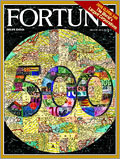
The Fortune 500 is an annual list compiled by Fortune magazine, ranking the 500 largest American companies by total revenue. The list has been published since 1955 and has become a benchmark for corporate success. Companies like Walmart, Amazon, and Apple have consistently topped the list in recent years, with revenues exceeding $500 billion. However, the ranking is not without controversy, with critics arguing that it prioritizes size over social responsibility and environmental sustainability. As of 2022, the Fortune 500 companies collectively generated over $16 trillion in revenue, employing millions of people worldwide. The list is closely watched by investors, policymakers, and business leaders, as it reflects the shifting landscape of the global economy. With the rise of new industries and technologies, the composition of the Fortune 500 is likely to continue evolving, with companies like Tesla and Netflix gaining prominence, while traditional giants like General Electric and Ford face increasing competition.
📈 Introduction to Fortune 500 Companies
The Fortune 500 is an annual list compiled and published by Fortune magazine that ranks 500 of the largest United States corporations by total revenue for their respective fiscal years. The list includes publicly held companies, along with privately held companies for which revenues are publicly available. The concept of the Fortune 500 was created by Edgar P. Smith, a Fortune editor, and the first list was published in 1955. The Fortune 500 is more commonly used than its subset Fortune 100 or superset Fortune 1000. The list is widely regarded as a benchmark for corporate success and is closely followed by business leaders, investors, and economists. For example, companies like Apple and Amazon have consistently ranked high on the list, demonstrating their significant impact on the US economy.
💼 History of the Fortune 500
The history of the Fortune 500 dates back to 1955, when the first list was published by Fortune magazine. The concept was created by Edgar P. Smith, who aimed to provide a comprehensive ranking of the largest US corporations. Over the years, the list has undergone several changes, including the addition of privately held companies and the use of new methodologies to calculate revenue. Today, the Fortune 500 is widely recognized as a leading indicator of corporate success and is closely followed by business leaders and investors. Companies like General Motors and Ford Motor Company have been featured on the list for decades, demonstrating their enduring presence in the US economy. The list is also closely tied to other business rankings, such as the Forbes 500 and the S&P 500.
📊 How the Fortune 500 is Compiled
The Fortune 500 is compiled using a combination of publicly available data and surveys of private companies. The list ranks companies by their total revenue for their respective fiscal years, which is typically defined as the 12-month period ending on or before March 31st. The revenue figures are based on data from various sources, including company reports, industry publications, and government filings. The list also includes companies that are not publicly traded, but for which revenue data is publicly available. For example, companies like Koch Industries and Cargill are privately held, but are included on the list due to their significant revenue. The compilation process involves a team of researchers and editors who review and verify the data to ensure accuracy and consistency. The list is also subject to audit and review by external parties, such as accounting firms and industry experts.
📈 The Impact of the Fortune 500 on the US Economy
The Fortune 500 has a significant impact on the US economy, with the companies on the list accounting for a substantial portion of the country's GDP. The list includes companies from a wide range of industries, including technology, healthcare, finance, and retail. The companies on the list are also major employers, with many of them providing jobs for hundreds of thousands of people. For example, companies like Walmart and McDonald's are among the largest employers in the US, with a significant presence in the retail and fast food industries. The list is also closely tied to other economic indicators, such as the Dow Jones Industrial Average and the S&P 500. The Fortune 500 is widely regarded as a benchmark for corporate success and is closely followed by business leaders, investors, and economists.
📰 Media Coverage and Public Perception
The Fortune 500 receives extensive media coverage and public attention, with many companies on the list being household names. The list is widely reported on by major news outlets, including CNBC, Bloomberg, and The Wall Street Journal. The list is also closely followed by business leaders and investors, who use it as a benchmark for corporate success. For example, companies like Google and Facebook have been featured on the list in recent years, demonstrating their significant growth and impact on the US economy. The list is also subject to criticism and controversy, with some arguing that it prioritizes revenue over other important factors, such as social responsibility and environmental sustainability. Companies like Patagonia and REI have been recognized for their commitment to social and environmental responsibility, and have been featured on lists such as the B Corp list.
📊 Key Statistics and Trends
The Fortune 500 is characterized by a number of key statistics and trends. For example, the list is dominated by companies from the technology and healthcare industries, with companies like Microsoft and Johnson & Johnson consistently ranking high. The list is also characterized by a high level of concentration, with the top 10 companies on the list accounting for a significant portion of the total revenue. The list is also subject to significant turnover, with companies rising and falling in the rankings from year to year. For example, companies like Tesla and Netflix have experienced significant growth in recent years, and have risen rapidly in the rankings. The list is also closely tied to other business rankings, such as the Fortune 100 and the Fortune 1000.
👥 The Role of CEOs in Fortune 500 Companies
The CEOs of Fortune 500 companies play a critical role in shaping the direction and strategy of their companies. Many of these CEOs are highly experienced and well-respected leaders, with a deep understanding of their industries and markets. For example, CEOs like Tim Cook of Apple and Jeff Bezos of Amazon are widely recognized for their leadership and vision. The CEOs of Fortune 500 companies are also subject to significant scrutiny and pressure, with many facing challenges such as increasing competition, regulatory scrutiny, and shareholder expectations. Companies like General Electric and 3M have been led by CEOs who have navigated significant challenges and transformations, and have emerged as leaders in their industries.
🌎 Global Reach and Influence
The Fortune 500 companies have a significant global reach and influence, with many of them operating in multiple countries and regions. For example, companies like Coca-Cola and McDonald's are recognized around the world, and have a significant presence in many countries. The list is also characterized by a high level of globalization, with many companies on the list having significant international operations and revenue. The Fortune 500 companies are also subject to significant global challenges, such as trade tensions, regulatory differences, and cultural differences. Companies like IBM and Procter & Gamble have been recognized for their global reach and influence, and have been featured on lists such as the Fortune Global 500.
💸 Financial Performance and Revenue
The financial performance of the Fortune 500 companies is a key aspect of the list, with many companies on the list generating significant revenue and profits. For example, companies like ExxonMobil and Berkshire Hathaway are among the most profitable companies in the world, with significant revenue and earnings. The list is also characterized by a high level of financial complexity, with many companies on the list having significant debt, pension liabilities, and other financial obligations. Companies like JPMorgan Chase and Bank of America have been recognized for their financial performance and stability, and have been featured on lists such as the Fortune 100.
📈 Future Outlook and Challenges
The future outlook for the Fortune 500 companies is subject to significant uncertainty and challenge, with many companies on the list facing significant disruption and change. For example, companies like Ford Motor Company and General Motors are facing significant challenges in the automotive industry, with the rise of electric vehicles and autonomous driving. The list is also subject to significant technological change, with many companies on the list facing disruption from new technologies and business models. Companies like Amazon and Microsoft have been recognized for their ability to adapt and innovate, and have been featured on lists such as the Fortune 100.
📊 Comparison to Other Business Rankings
The Fortune 500 is often compared to other business rankings, such as the Forbes 500 and the S&P 500. While these lists have some similarities, they also have some significant differences. For example, the Forbes 500 is based on a combination of revenue, profits, and market value, while the S&P 500 is based on market capitalization. The Fortune 500 is widely regarded as the most comprehensive and authoritative list of its kind, and is closely followed by business leaders and investors. Companies like Alphabet and Facebook have been featured on multiple lists, demonstrating their significant impact and influence on the US economy.
👀 Conclusion and Final Thoughts
In conclusion, the Fortune 500 is a significant and influential list that provides a comprehensive ranking of the largest US corporations. The list is widely regarded as a benchmark for corporate success and is closely followed by business leaders, investors, and economists. While the list is subject to some criticism and controversy, it remains a widely recognized and respected indicator of corporate performance and success. Companies like Walmart and ExxonMobil have been featured on the list for decades, demonstrating their enduring presence and influence on the US economy.
Key Facts
- Year
- 2022
- Origin
- United States
- Category
- Business and Finance
- Type
- Corporation
Frequently Asked Questions
What is the Fortune 500?
The Fortune 500 is an annual list compiled and published by Fortune magazine that ranks 500 of the largest United States corporations by total revenue for their respective fiscal years. The list includes publicly held companies, along with privately held companies for which revenues are publicly available. The concept of the Fortune 500 was created by Edgar P. Smith, a Fortune editor, and the first list was published in 1955.
How is the Fortune 500 compiled?
The Fortune 500 is compiled using a combination of publicly available data and surveys of private companies. The list ranks companies by their total revenue for their respective fiscal years, which is typically defined as the 12-month period ending on or before March 31st. The revenue figures are based on data from various sources, including company reports, industry publications, and government filings.
What are the key statistics and trends of the Fortune 500?
The Fortune 500 is characterized by a number of key statistics and trends, including a high level of concentration, with the top 10 companies on the list accounting for a significant portion of the total revenue. The list is also subject to significant turnover, with companies rising and falling in the rankings from year to year. The list is also closely tied to other business rankings, such as the Forbes 500 and the S&P 500.
Who are the CEOs of the Fortune 500 companies?
The CEOs of the Fortune 500 companies are highly experienced and well-respected leaders, with a deep understanding of their industries and markets. Many of these CEOs are widely recognized for their leadership and vision, and have been featured on lists such as the Fortune 100 and the Fortune 1000.
What is the global reach and influence of the Fortune 500 companies?
The Fortune 500 companies have a significant global reach and influence, with many of them operating in multiple countries and regions. For example, companies like Coca-Cola and McDonald's are recognized around the world, and have a significant presence in many countries. The list is also characterized by a high level of globalization, with many companies on the list having significant international operations and revenue.