
Contents
- 🏯 Introduction to Fort Santiago
- 🔥 History of Fort Santiago: A Timeline
- 🏗️ Architecture and Design of the Fort
- 👑 Spanish Colonial Era: The Founding of Fort Santiago
- 🏴☠️ American Colonial Era: The Transformation of Fort Santiago
- 🕊️ Japanese Occupation: The Dark Period of Fort Santiago
- 📸 Tourism and Preservation Efforts: The Revitalization of Fort Santiago
- 🤝 Cultural Significance: Fort Santiago in Modern Times
- 📚 Educational Programs and Events: Learning from Fort Santiago
- 📸 Photo Gallery: Exploring the Wonders of Fort Santiago
- 🗺️ Nearby Attractions: Exploring the Walled City of Intramuros
- Frequently Asked Questions
- Related Topics
Overview
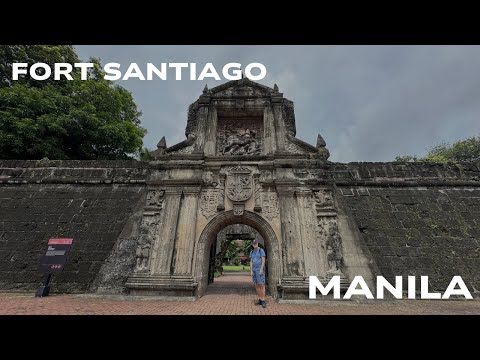
Fort Santiago, a 16th-century citadel located in Manila, Philippines, has witnessed the country's tumultuous past, from the Spanish colonization to the Japanese occupation during World War II. This historic fort has been a silent witness to the execution of national hero José Rizal in 1896 and has served as a prison for Filipino revolutionaries. With a vibe score of 8, Fort Santiago attracts millions of visitors each year, offering a glimpse into the country's rich history and cultural heritage. The fort's architecture is a testament to the Spanish colonial era, with its stone walls, battlements, and ornate gate. As a cultural and historical landmark, Fort Santiago continues to be a source of national pride and a reminder of the country's struggle for independence. Today, the fort is part of the Intramuros historic walled city and is managed by the Intramuros Administration, which oversees its preservation and maintenance.
🏯 Introduction to Fort Santiago
Fort Santiago, located in the heart of Manila, is a historic citadel that has witnessed the rise and fall of various colonial powers. This ancient fort has been a silent witness to the country's rich history, from the Spanish colonization of the Philippines to the Japanese occupation of the Philippines. Today, Fort Santiago is a popular tourist destination, attracting visitors from all over the world. The fort's strategic location, at the mouth of the Pasig River, made it an ideal spot for the Spanish Empire to establish a stronghold in the Philippines. As a result, Fort Santiago played a crucial role in the country's history, serving as a military base, a prison, and even a theater.
🔥 History of Fort Santiago: A Timeline
The history of Fort Santiago dates back to 1571, when Spanish conquistador Miguel López de Legazpi arrived in Manila. The fort was originally made of wood and bamboo, but it was later rebuilt using stone and brick. Over the years, Fort Santiago has undergone several transformations, with each colonial power leaving its mark on the fort's architecture and design. The fort's history is a testament to the country's complex past, with various colonial powers vying for control of the Philippines. The Spanish colonization of the Philippines had a profound impact on the country's culture, with the introduction of Catholicism and the Spanish language.
🏗️ Architecture and Design of the Fort
The architecture and design of Fort Santiago reflect the various colonial styles that have influenced the Philippines. The fort's walls, made of stone and brick, are a testament to the Spanish Empire's engineering skills. The fort's design, with its bastions and ramparts, is typical of Spanish colonial architecture. The fort's interior features a plaza, a chapel, and several barracks. The fort's architecture is a blend of Spanish, American, and Japanese styles, reflecting the various colonial powers that have occupied the Philippines. The Intramuros district, where Fort Santiago is located, is a UNESCO World Heritage Site and a popular tourist destination.
👑 Spanish Colonial Era: The Founding of Fort Santiago
During the Spanish colonial era, Fort Santiago served as a military base and a prison. The fort was also used as a theater, with various performances and events taking place within its walls. The Spanish Empire used Fort Santiago as a strategic location to control the Pasig River and the surrounding areas. The fort's location made it an ideal spot for the Spanish to establish a stronghold in the Philippines. The Spanish colonization of the Philippines had a profound impact on the country's culture, with the introduction of Catholicism and the Spanish language. The Philippine Revolution against Spanish rule began in the late 19th century, with Emilio Aguinaldo leading the fight for independence.
🏴☠️ American Colonial Era: The Transformation of Fort Santiago
During the American colonial era, Fort Santiago underwent significant transformations. The United States used the fort as a military base and a prison, with many Filipino nationalists being imprisoned within its walls. The fort's architecture and design were also modified during this period, with the addition of new buildings and facilities. The American colonization of the Philippines had a significant impact on the country's culture, with the introduction of English language and American education. The Philippine Army was established during this period, with Fort Santiago serving as its headquarters. The American colonial era came to an end with the Japanese occupation of the Philippines during World War II.
🕊️ Japanese Occupation: The Dark Period of Fort Santiago
During the Japanese occupation of the Philippines, Fort Santiago was used as a prison and a torture chamber. Many Filipino nationalists and American prisoners of war were imprisoned and tortured within the fort's walls. The fort's dark history during this period is a testament to the brutality of war and the importance of preserving historical sites like Fort Santiago. The Japanese occupation of the Philippines had a profound impact on the country's culture, with the introduction of Japanese language and Japanese education. The Philippine guerrilla movement played a significant role in the fight against Japanese rule, with many Filipino guerrillas using Fort Santiago as a hideout.
📸 Tourism and Preservation Efforts: The Revitalization of Fort Santiago
Today, Fort Santiago is a popular tourist destination, attracting visitors from all over the world. The fort's historic significance and cultural importance make it a must-visit destination for anyone interested in history, architecture, and culture. The fort's preservation efforts are a testament to the importance of preserving historical sites and promoting cultural heritage. The National Historical Commission of the Philippines is responsible for the preservation and maintenance of Fort Santiago, with the help of various government agencies and private organizations. The fort's museum features a collection of artifacts and exhibits that showcase the fort's history and significance. The Intramuros Administration is responsible for the management and maintenance of the Intramuros district, where Fort Santiago is located.
🤝 Cultural Significance: Fort Santiago in Modern Times
Fort Santiago's cultural significance extends beyond its historical importance. The fort has been used as a symbol of Filipino resilience and national pride. The fort's preservation efforts are a testament to the importance of preserving cultural heritage and promoting national identity. The fort's cultural significance is also reflected in its architecture and design, which showcase the country's rich cultural diversity. The Philippine culture is a unique blend of Spanish, American, and Japanese influences, with a strong emphasis on family and community. The fort's cultural significance is also reflected in its art and literature, with many Filipino artists and Filipino writers drawing inspiration from the fort's history and architecture.
📚 Educational Programs and Events: Learning from Fort Santiago
Fort Santiago offers various educational programs and events that cater to different age groups and interests. The fort's museum features interactive exhibits and displays that showcase the fort's history and significance. The fort also offers guided tours and workshops that provide visitors with a deeper understanding of the fort's history and cultural importance. The National Historical Commission of the Philippines offers various educational programs and events that promote historical awareness and cultural appreciation. The Intramuros Administration also offers various educational programs and events that promote cultural heritage and national identity.
📸 Photo Gallery: Exploring the Wonders of Fort Santiago
Fort Santiago's photo gallery features a collection of photographs that showcase the fort's history, architecture, and cultural significance. The gallery includes images of the fort's walls, bastions, and ramparts, as well as its interior and exhibits. The gallery also features images of the fort's surroundings, including the Pasig River and the Intramuros district. The National Historical Commission of the Philippines is responsible for the maintenance and upkeep of the fort's photo gallery, with the help of various government agencies and private organizations.
🗺️ Nearby Attractions: Exploring the Walled City of Intramuros
Fort Santiago is located in the heart of the Intramuros district, a UNESCO World Heritage Site and a popular tourist destination. The district features a collection of historic buildings, museums, and landmarks that showcase the country's rich history and cultural heritage. Visitors to Fort Santiago can also explore the surrounding areas, including the Pasig River and the Manila Cathedral. The Intramuros Administration is responsible for the management and maintenance of the Intramuros district, with the help of various government agencies and private organizations.
Key Facts
- Year
- 1571
- Origin
- Spanish Colonial Era, Philippines
- Category
- History, Architecture, Tourism
- Type
- Historical Landmark
Frequently Asked Questions
What is the history of Fort Santiago?
Fort Santiago has a rich history that dates back to 1571, when Spanish conquistador Miguel López de Legazpi arrived in Manila. The fort has been used as a military base, a prison, and even a theater. The fort's history is a testament to the country's complex past, with various colonial powers vying for control of the Philippines. The Spanish colonization of the Philippines had a profound impact on the country's culture, with the introduction of Catholicism and the Spanish language.
What is the architecture and design of Fort Santiago?
The architecture and design of Fort Santiago reflect the various colonial styles that have influenced the Philippines. The fort's walls, made of stone and brick, are a testament to the Spanish Empire's engineering skills. The fort's design, with its bastions and ramparts, is typical of Spanish colonial architecture. The fort's interior features a plaza, a chapel, and several barracks.
What is the cultural significance of Fort Santiago?
Fort Santiago's cultural significance extends beyond its historical importance. The fort has been used as a symbol of Filipino resilience and national pride. The fort's preservation efforts are a testament to the importance of preserving cultural heritage and promoting national identity. The fort's cultural significance is also reflected in its architecture and design, which showcase the country's rich cultural diversity.
What are the educational programs and events offered by Fort Santiago?
Fort Santiago offers various educational programs and events that cater to different age groups and interests. The fort's museum features interactive exhibits and displays that showcase the fort's history and significance. The fort also offers guided tours and workshops that provide visitors with a deeper understanding of the fort's history and cultural importance.
What are the nearby attractions to Fort Santiago?
Fort Santiago is located in the heart of the Intramuros district, a UNESCO World Heritage Site and a popular tourist destination. The district features a collection of historic buildings, museums, and landmarks that showcase the country's rich history and cultural heritage. Visitors to Fort Santiago can also explore the surrounding areas, including the Pasig River and the Manila Cathedral.
How do I get to Fort Santiago?
Fort Santiago is located in the heart of Manila, and can be easily accessed by public transportation. The fort is also within walking distance of several hotels and restaurants. Visitors can take a taxi or a jeepney to get to the fort, or walk from the nearby Intramuros district.
What are the operating hours of Fort Santiago?
Fort Santiago is open to the public from 8am to 6pm, Tuesday to Sunday. The fort is closed on Mondays and during special holidays. Visitors can purchase tickets at the fort's entrance, or book a guided tour in advance.