
Contents
- 🌳 Introduction to Food Forestry
- 🌴 Principles of Food Forestry
- 🌿 Benefits of Food Forestry
- 🌻 Designing a Food Forest
- 🌺 Implementing Food Forestry Practices
- 🌸 Case Studies and Success Stories
- 🌹 Challenges and Limitations
- 🌺 Future Directions and Innovations
- 🌻 Policy and Community Engagement
- 🌴 Economic Viability and Market Trends
- 🌳 Conclusion and Call to Action
- 📚 Further Reading and Resources
- Frequently Asked Questions
- Related Topics
Overview
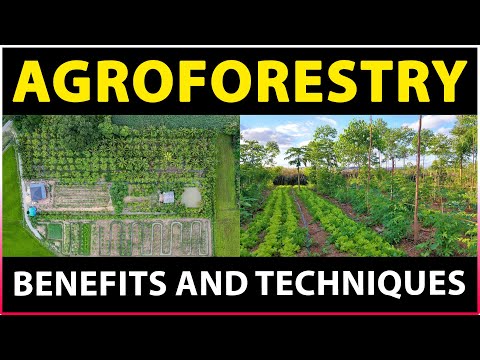
Food forestry, also known as agroforestry, is a revolutionary approach to agriculture that involves designing and managing ecosystems to produce food while promoting biodiversity and ecological health. This practice, pioneered by individuals like Bill Mollison and David Holmgren, co-founders of the permaculture movement, has been gaining traction since the 1970s. By integrating trees, shrubs, and other perennial plants into farming systems, food forestry can increase crop yields, reduce soil erosion, and mitigate climate change. However, its adoption is often hindered by conflicting land-use policies and the dominance of industrial agriculture. With a vibe score of 8, food forestry has the potential to transform the way we produce and consume food, but its success depends on addressing the tensions between economic, social, and environmental interests. As the global population continues to grow, food forestry may become a crucial component of a more sustainable food system, with proponents like Toby Hemenway and Geoff Lawton leading the charge. The influence of food forestry can be seen in the work of organizations like the Food and Agriculture Organization (FAO) of the United Nations, which has recognized the importance of agroforestry in achieving sustainable development goals.
🌳 Introduction to Food Forestry
Food forestry, also known as agroforestry, is a sustainable agricultural practice that involves integrating trees into farming systems to promote ecological interactions and synergies. This approach has been gaining popularity in recent years due to its potential to enhance biodiversity, improve soil health, and mitigate climate change. According to Sustainable Agriculture experts, food forestry can be an effective way to reduce the environmental impact of farming while increasing crop yields and promoting ecosystem services. For example, the Permaculture movement has been instrumental in popularizing food forestry practices, with many farmers and gardeners adopting these methods to create more resilient and diverse farming systems. As noted by Bill Mollison, a pioneer in permaculture, food forestry can help to recreate the complex relationships found in natural ecosystems, leading to more stable and productive farming systems.
🌴 Principles of Food Forestry
The principles of food forestry are rooted in the idea of mimicking natural ecosystems to create diverse and resilient farming systems. This involves designing polycultures that include a variety of plant and animal species, as well as incorporating trees and other woody vegetation into the farming landscape. By doing so, farmers can promote ecological interactions and synergies, such as Mycorrhizal Networks, which can enhance soil fertility and structure. Additionally, food forestry practices can help to reduce soil erosion, improve water quality, and support biodiversity, as highlighted in the work of Masanobu Fukuoka and his approach to Natural Farming. As a result, food forestry has become an important component of Regenerative Agriculture and Agroecology movements.
🌿 Benefits of Food Forestry
The benefits of food forestry are numerous and well-documented. By promoting ecological interactions and synergies, food forestry can enhance biodiversity, improve soil health, and mitigate climate change. For example, studies have shown that Agroforestry systems can sequester more carbon than traditional farming systems, while also providing habitat for a wide range of plant and animal species. Additionally, food forestry can help to improve water quality, reduce soil erosion, and promote ecosystem services, such as Pollination and Pest Control. As noted by John Jeavons, a leading expert in Biointensive Agriculture, food forestry can be an effective way to increase crop yields while reducing the environmental impact of farming.
🌻 Designing a Food Forest
Designing a food forest requires careful planning and consideration of the local climate, soil, and ecosystem. This involves selecting a diverse range of plant and animal species that are well-suited to the local conditions, as well as designing the layout and structure of the food forest. For example, Permaculture Design principles can be used to create a diverse and resilient food forest, with multiple layers and guilds of plants and animals working together to promote ecological interactions and synergies. Additionally, Keyline Design principles can be used to optimize water harvesting and storage, while minimizing soil erosion and improving soil health. As highlighted in the work of Sepp Holzer, a renowned expert in Permaculture and Holzer Permaculture, designing a food forest requires a deep understanding of ecological principles and patterns.
🌺 Implementing Food Forestry Practices
Implementing food forestry practices requires a commitment to long-term sustainability and ecological stewardship. This involves adopting a holistic approach to farming, one that considers the complex relationships between plants, animals, and microorganisms in the ecosystem. For example, Regenerative Agriculture practices, such as No-Till Farming and Cover Cropping, can be used to promote soil health and reduce erosion, while also supporting biodiversity and ecosystem services. Additionally, Agroforestry systems can be designed to provide habitat for a wide range of plant and animal species, while also promoting ecological interactions and synergies. As noted by Gabe Brown, a leading expert in Regenerative Agriculture, implementing food forestry practices requires a deep understanding of ecological principles and a commitment to long-term sustainability.
🌸 Case Studies and Success Stories
There are many case studies and success stories that demonstrate the effectiveness of food forestry practices. For example, the Greenbelt Movement in Africa has used agroforestry to promote sustainable land use and reduce poverty, while also supporting biodiversity and ecosystem services. Additionally, the Permaculture Movement has inspired a wide range of food forestry projects and initiatives around the world, from small-scale gardens to large-scale farms. As highlighted in the work of Wangari Maathai, a Nobel Peace Prize laureate and founder of the Greenbelt Movement, food forestry can be an effective way to promote sustainable development and reduce poverty, while also supporting biodiversity and ecosystem services.
🌹 Challenges and Limitations
Despite the many benefits of food forestry, there are also challenges and limitations to its adoption. For example, food forestry often requires significant upfront investment in terms of time, money, and labor, which can be a barrier for many farmers and gardeners. Additionally, food forestry practices may not be well-suited to all climates and ecosystems, and may require careful planning and management to ensure their success. As noted by Andrew Meares, a leading expert in Permaculture and Agroforestry, food forestry requires a deep understanding of ecological principles and a commitment to long-term sustainability, which can be a challenge for many farmers and gardeners.
🌺 Future Directions and Innovations
The future of food forestry is exciting and full of possibilities. As the world grapples with the challenges of climate change, biodiversity loss, and sustainable development, food forestry is likely to play an increasingly important role in promoting ecological sustainability and resilience. For example, Vertical Farming and Urban Agriculture are two areas where food forestry practices are being applied in innovative and exciting ways, with the potential to promote sustainable food systems and reduce the environmental impact of farming. As highlighted in the work of Dickson Despommier, a renowned expert in Vertical Farming, food forestry can be an effective way to promote sustainable development and reduce poverty, while also supporting biodiversity and ecosystem services.
🌻 Policy and Community Engagement
Policy and community engagement are critical components of promoting food forestry practices. This involves working with governments, NGOs, and local communities to promote sustainable agriculture and reduce the environmental impact of farming. For example, the USDA has launched a number of initiatives to promote agroforestry and sustainable agriculture, including the National Agroforestry Center. Additionally, organizations such as the Permaculture Research Institute and the Agroforestry Network are working to promote food forestry practices and support sustainable development. As noted by Eric Toensmeier, a leading expert in Permaculture and Agroforestry, policy and community engagement are essential for promoting food forestry practices and supporting sustainable development.
🌴 Economic Viability and Market Trends
The economic viability and market trends of food forestry are complex and multifaceted. While food forestry practices can be more labor-intensive and require significant upfront investment, they can also provide a range of economic benefits, including increased crop yields, improved soil health, and enhanced ecosystem services. For example, studies have shown that Agroforestry systems can be more profitable than traditional farming systems, while also providing a range of environmental benefits. As highlighted in the work of Steve Gabriel, a renowned expert in Agroforestry and Permaculture, food forestry can be an effective way to promote sustainable development and reduce poverty, while also supporting biodiversity and ecosystem services.
🌳 Conclusion and Call to Action
In conclusion, food forestry is a powerful tool for promoting sustainable agriculture and reducing the environmental impact of farming. By integrating trees into farming systems and promoting ecological interactions and synergies, food forestry can enhance biodiversity, improve soil health, and mitigate climate change. As we look to the future, it is essential that we continue to promote and support food forestry practices, through policy and community engagement, education and outreach, and research and development. As noted by Bill Mollison, a pioneer in permaculture, food forestry can help to recreate the complex relationships found in natural ecosystems, leading to more stable and productive farming systems. By working together, we can create a more sustainable and resilient food system, one that promotes ecological sustainability and supports human well-being.
📚 Further Reading and Resources
For further reading and resources on food forestry, please see the following links: Permaculture, Agroforestry, Regenerative Agriculture, Sustainable Agriculture, and Ecological Farming. Additionally, the Permaculture Research Institute and the Agroforestry Network are excellent resources for learning more about food forestry practices and supporting sustainable development.
Key Facts
- Year
- 1970
- Origin
- Tasmania, Australia
- Category
- Environmental Sustainability
- Type
- Agricultural Practice
Frequently Asked Questions
What is food forestry?
Food forestry, also known as agroforestry, is a sustainable agricultural practice that involves integrating trees into farming systems to promote ecological interactions and synergies. This approach has been gaining popularity in recent years due to its potential to enhance biodiversity, improve soil health, and mitigate climate change. As noted by Bill Mollison, a pioneer in permaculture, food forestry can help to recreate the complex relationships found in natural ecosystems, leading to more stable and productive farming systems. For example, Permaculture and Agroforestry are two approaches that have been instrumental in popularizing food forestry practices.
What are the benefits of food forestry?
The benefits of food forestry are numerous and well-documented. By promoting ecological interactions and synergies, food forestry can enhance biodiversity, improve soil health, and mitigate climate change. For example, studies have shown that Agroforestry systems can sequester more carbon than traditional farming systems, while also providing habitat for a wide range of plant and animal species. Additionally, food forestry can help to improve water quality, reduce soil erosion, and promote ecosystem services, such as Pollination and Pest Control. As noted by John Jeavons, a leading expert in Biointensive Agriculture, food forestry can be an effective way to increase crop yields while reducing the environmental impact of farming.
How can I get started with food forestry?
Getting started with food forestry requires careful planning and consideration of the local climate, soil, and ecosystem. This involves selecting a diverse range of plant and animal species that are well-suited to the local conditions, as well as designing the layout and structure of the food forest. For example, Permaculture Design principles can be used to create a diverse and resilient food forest, with multiple layers and guilds of plants and animals working together to promote ecological interactions and synergies. Additionally, Keyline Design principles can be used to optimize water harvesting and storage, while minimizing soil erosion and improving soil health. As highlighted in the work of Sepp Holzer, a renowned expert in Permaculture and Holzer Permaculture, designing a food forest requires a deep understanding of ecological principles and patterns.
What are some common challenges and limitations of food forestry?
Despite the many benefits of food forestry, there are also challenges and limitations to its adoption. For example, food forestry often requires significant upfront investment in terms of time, money, and labor, which can be a barrier for many farmers and gardeners. Additionally, food forestry practices may not be well-suited to all climates and ecosystems, and may require careful planning and management to ensure their success. As noted by Andrew Meares, a leading expert in Permaculture and Agroforestry, food forestry requires a deep understanding of ecological principles and a commitment to long-term sustainability, which can be a challenge for many farmers and gardeners.
What is the future of food forestry?
The future of food forestry is exciting and full of possibilities. As the world grapples with the challenges of climate change, biodiversity loss, and sustainable development, food forestry is likely to play an increasingly important role in promoting ecological sustainability and resilience. For example, Vertical Farming and Urban Agriculture are two areas where food forestry practices are being applied in innovative and exciting ways, with the potential to promote sustainable food systems and reduce the environmental impact of farming. As highlighted in the work of Dickson Despommier, a renowned expert in Vertical Farming, food forestry can be an effective way to promote sustainable development and reduce poverty, while also supporting biodiversity and ecosystem services.
How can I learn more about food forestry?
There are many resources available for learning more about food forestry, including books, online courses, and workshops. For example, the Permaculture Research Institute and the Agroforestry Network are excellent resources for learning more about food forestry practices and supporting sustainable development. Additionally, Permaculture and Agroforestry are two approaches that have been instrumental in popularizing food forestry practices, and there are many online resources and communities available for learning more about these approaches. As noted by Eric Toensmeier, a leading expert in Permaculture and Agroforestry, learning more about food forestry requires a deep understanding of ecological principles and a commitment to long-term sustainability.
What are some common myths and misconceptions about food forestry?
There are many myths and misconceptions about food forestry, including the idea that it is only suitable for small-scale gardens or farms. In reality, food forestry can be applied at a wide range of scales, from small gardens to large farms. Additionally, some people may believe that food forestry is too labor-intensive or requires too much upfront investment, but in reality, food forestry can be a cost-effective and efficient way to promote sustainable agriculture and reduce the environmental impact of farming. As noted by Steve Gabriel, a renowned expert in Agroforestry and Permaculture, food forestry can be an effective way to promote sustainable development and reduce poverty, while also supporting biodiversity and ecosystem services.