
Contents
- 🌫️ Introduction to Fog Computing
- 📈 The Rise of Edge Computing
- 🔍 Fog Computing Architecture
- 📊 Benefits of Fog Computing
- 🚀 Real-World Applications of Fog Computing
- 🤝 Fog Computing and IoT
- 📊 Fog Computing vs Cloud Computing
- 🚫 Challenges and Limitations of Fog Computing
- 🔮 Future of Fog Computing
- 📈 Market Trends and Opportunities
- 📚 Conclusion and Recommendations
- 📊 Glossary of Fog Computing Terms
- Frequently Asked Questions
- Related Topics
Overview
Fog computing, pioneered by Cisco in 2012, is an emerging paradigm that extends cloud computing to the edge of the network, reducing latency and improving real-time processing. By distributing data processing across a network of edge devices, fog computing enables faster, more efficient, and more secure data analysis. This approach has significant implications for industries such as IoT, smart cities, and industrial automation, with companies like GE, IBM, and Microsoft already investing heavily in fog computing research and development. With a projected market size of $18.2 billion by 2025, fog computing is poised to revolutionize the way we process and analyze data. However, concerns around security, interoperability, and standardization remain, highlighting the need for continued innovation and collaboration. As fog computing continues to evolve, it's likely to have a profound impact on the future of data-driven decision-making, with potential applications in areas like autonomous vehicles, smart grids, and healthcare.
🌫️ Introduction to Fog Computing
Fog computing, also known as fog networking, is an emerging technology that extends cloud computing to the edge of the network, using edge devices to carry out a substantial amount of computation, storage, and communication locally. This approach reduces the amount of data that needs to be transmitted to the cloud, resulting in lower latency and improved real-time processing. As discussed in fog computing architecture, this technology has the potential to revolutionize the way we process and analyze data. With the increasing demand for IoT devices, fog computing is becoming an essential component of modern computing infrastructure. According to market research, the fog computing market is expected to grow significantly in the next few years, driven by the adoption of IIoT and smart city initiatives.
📈 The Rise of Edge Computing
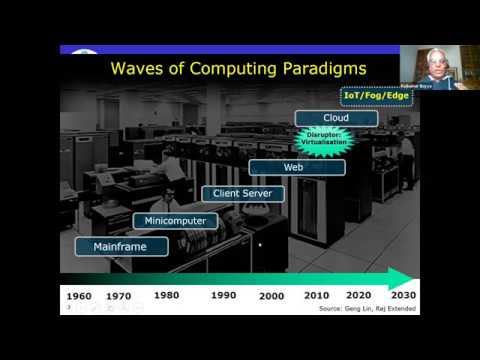
The rise of edge computing has been driven by the need for faster and more reliable data processing. As the amount of data generated by IoT devices continues to grow, traditional cloud computing architectures are becoming increasingly inadequate. Fog computing, with its ability to process data at the edge of the network, is well-positioned to address this challenge. Companies like Cisco Systems and IBM are already investing heavily in fog computing research and development, and the technology is being used in a variety of applications, including smart grid management and industrial automation. For more information on edge computing, see edge computing architecture.
🔍 Fog Computing Architecture
Fog computing architecture is designed to be highly distributed and scalable, with a focus on real-time processing and low latency. The architecture typically consists of a network of fog nodes, each of which is responsible for processing and analyzing data from a specific set of IoT devices. The fog nodes are connected to each other and to the cloud via a high-speed network, allowing for seamless communication and data exchange. As discussed in fog computing security, this architecture also provides a high level of security and reliability, making it suitable for use in critical applications such as healthcare and financial services. For more information on fog computing architecture, see fog computing architecture.
📊 Benefits of Fog Computing
The benefits of fog computing are numerous and well-documented. By processing data at the edge of the network, fog computing can reduce latency and improve real-time processing, making it ideal for applications that require fast and reliable data processing. Additionally, fog computing can reduce the amount of data that needs to be transmitted to the cloud, resulting in lower bandwidth costs and improved network efficiency. As discussed in fog computing use cases, this technology is being used in a variety of applications, including smart cities, industrial automation, and healthcare. For more information on the benefits of fog computing, see fog computing benefits.
🚀 Real-World Applications of Fog Computing
Fog computing has a wide range of real-world applications, from smart cities to industrial automation. In smart cities, fog computing can be used to manage and analyze data from IoT devices, such as traffic sensors and surveillance cameras. In industrial automation, fog computing can be used to improve the efficiency and reliability of manufacturing processes, by providing real-time monitoring and control of equipment and machinery. As discussed in fog computing and IoT, this technology is also being used in a variety of other applications, including healthcare and financial services. For more information on real-world applications of fog computing, see fog computing use cases.
🤝 Fog Computing and IoT
Fog computing and IoT are closely related technologies, as fog computing is often used to process and analyze data from IoT devices. The IoT refers to the network of physical devices, vehicles, and other items that are embedded with sensors, software, and connectivity, allowing them to collect and exchange data. Fog computing provides a platform for IoT devices to process and analyze data in real-time, reducing the latency and improving the efficiency of IoT applications. As discussed in IoT devices, this technology is being used in a variety of applications, including smart grid management and industrial automation. For more information on fog computing and IoT, see fog computing and IoT.
📊 Fog Computing vs Cloud Computing
Fog computing and cloud computing are both used for data processing and storage, but they have some key differences. Cloud computing is a centralized architecture, where data is processed and stored in a remote data center. Fog computing, on the other hand, is a decentralized architecture, where data is processed and stored at the edge of the network. As discussed in cloud computing architecture, this makes fog computing more suitable for applications that require low latency and real-time processing. For more information on fog computing vs cloud computing, see fog computing vs cloud computing.
🚫 Challenges and Limitations of Fog Computing
While fog computing has many benefits, it also has some challenges and limitations. One of the main challenges is the complexity of managing and maintaining a large network of fog nodes, each of which may have different hardware and software configurations. Additionally, fog computing requires a high level of security and reliability, as the data being processed and stored is often sensitive and critical. As discussed in fog computing security, this makes it essential to implement robust security measures, such as encryption and access control. For more information on challenges and limitations of fog computing, see fog computing challenges.
🔮 Future of Fog Computing
The future of fog computing is exciting and rapidly evolving. As the technology continues to mature, we can expect to see more widespread adoption in a variety of applications, from smart cities to industrial automation. Additionally, the development of new technologies, such as artificial intelligence and blockchain, is expected to further enhance the capabilities and potential of fog computing. As discussed in fog computing trends, this will create new opportunities for innovation and growth, and will require companies to invest in research and development to stay ahead of the curve. For more information on the future of fog computing, see fog computing future.
📈 Market Trends and Opportunities
The market for fog computing is growing rapidly, driven by the increasing demand for IoT and edge computing solutions. According to market research, the fog computing market is expected to reach $1.4 billion by 2025, with a compound annual growth rate (CAGR) of 28.4%. This growth is being driven by the adoption of fog computing in a variety of applications, including smart cities, industrial automation, and healthcare. As discussed in fog computing market trends, companies that invest in fog computing research and development will be well-positioned to take advantage of this growth and stay ahead of the competition. For more information on market trends and opportunities, see fog computing market trends.
📚 Conclusion and Recommendations
In conclusion, fog computing is a rapidly evolving technology that has the potential to revolutionize the way we process and analyze data. With its ability to process data at the edge of the network, fog computing can reduce latency and improve real-time processing, making it ideal for applications that require fast and reliable data processing. As discussed in fog computing recommendations, companies that invest in fog computing research and development will be well-positioned to take advantage of this growth and stay ahead of the competition. For more information on fog computing, see fog computing overview.
📊 Glossary of Fog Computing Terms
This glossary provides a list of key terms and definitions related to fog computing, including fog node, edge device, and real-time processing. It also includes a list of key companies and organizations involved in fog computing research and development, such as Cisco Systems and IBM. For more information on fog computing terminology, see fog computing glossary.
Key Facts
- Year
- 2012
- Origin
- Cisco Systems
- Category
- Emerging Technologies
- Type
- Technology
Frequently Asked Questions
What is fog computing?
Fog computing is a distributed architecture that uses edge devices to carry out a substantial amount of computation, storage, and communication locally and routed over the Internet backbone. It is designed to reduce latency and improve real-time processing, making it ideal for applications that require fast and reliable data processing. For more information, see fog computing overview.
What are the benefits of fog computing?
The benefits of fog computing include reduced latency, improved real-time processing, and lower bandwidth costs. It also provides a high level of security and reliability, making it suitable for use in critical applications such as healthcare and financial services. For more information, see fog computing benefits.
What are the challenges and limitations of fog computing?
The challenges and limitations of fog computing include the complexity of managing and maintaining a large network of fog nodes, and the need for robust security measures to protect sensitive and critical data. Additionally, fog computing requires a high level of scalability and flexibility, making it essential to invest in research and development to stay ahead of the curve. For more information, see fog computing challenges.
What is the future of fog computing?
The future of fog computing is exciting and rapidly evolving. As the technology continues to mature, we can expect to see more widespread adoption in a variety of applications, from smart cities to industrial automation. Additionally, the development of new technologies, such as artificial intelligence and blockchain, is expected to further enhance the capabilities and potential of fog computing. For more information, see fog computing future.
What are the market trends and opportunities for fog computing?
The market for fog computing is growing rapidly, driven by the increasing demand for IoT and edge computing solutions. According to market research, the fog computing market is expected to reach $1.4 billion by 2025, with a compound annual growth rate (CAGR) of 28.4%. This growth is being driven by the adoption of fog computing in a variety of applications, including smart cities, industrial automation, and healthcare. For more information, see fog computing market trends.
How does fog computing relate to IoT?
Fog computing and IoT are closely related technologies, as fog computing is often used to process and analyze data from IoT devices. The IoT refers to the network of physical devices, vehicles, and other items that are embedded with sensors, software, and connectivity, allowing them to collect and exchange data. Fog computing provides a platform for IoT devices to process and analyze data in real-time, reducing the latency and improving the efficiency of IoT applications. For more information, see fog computing and IoT.
What is the difference between fog computing and cloud computing?
Fog computing and cloud computing are both used for data processing and storage, but they have some key differences. Cloud computing is a centralized architecture, where data is processed and stored in a remote data center. Fog computing, on the other hand, is a decentralized architecture, where data is processed and stored at the edge of the network. This makes fog computing more suitable for applications that require low latency and real-time processing. For more information, see fog computing vs cloud computing.