
Contents
- 📊 Introduction to Financial Records
- 📈 Understanding Financial Statements
- 📊 Balance Sheet Analysis
- 💸 Income Statement Insights
- 📊 Cash Flow Statement Overview
- 📊 Financial Ratio Analysis
- 📊 Financial Record Keeping
- 📊 Auditing and Assurance
- 📊 Financial Reporting Standards
- 📊 Emerging Trends in Financial Records
- 📊 Conclusion and Future Outlook
- Frequently Asked Questions
- Related Topics
Overview
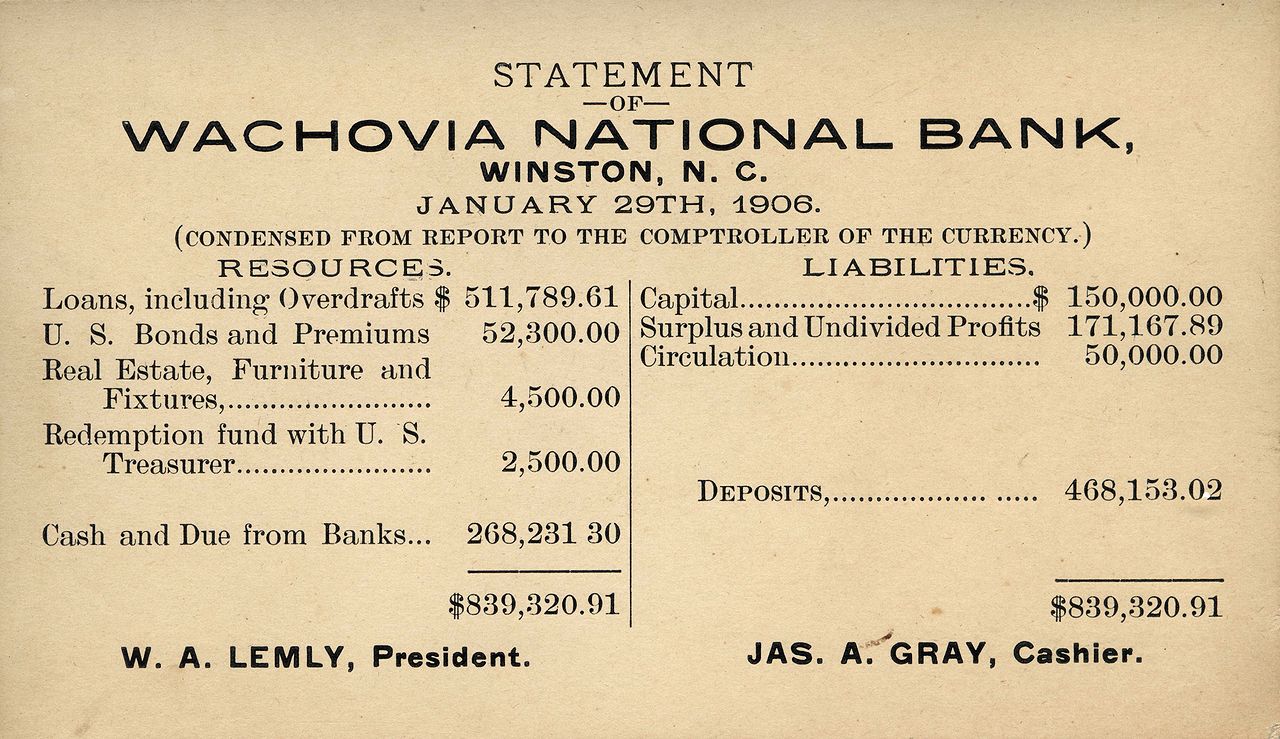
Financial records, dating back to ancient civilizations such as the Phoenicians and Babylonians, have been a cornerstone of economic activity, providing a tangible representation of transactions, trade, and commerce. The evolution of financial records has been marked by significant milestones, including the introduction of double-entry bookkeeping in the 15th century by Luca Pacioli, and the advent of digital accounting systems in the late 20th century. Today, financial records are maintained by individuals, businesses, and governments, and are subject to various regulations and standards, such as the Generally Accepted Accounting Principles (GAAP) and the International Financial Reporting Standards (IFRS). The accuracy and transparency of financial records are crucial for informed decision-making, risk assessment, and compliance with regulatory requirements. With the increasing use of artificial intelligence, blockchain, and cloud computing, the management and analysis of financial records are becoming more efficient and secure. As the global economy continues to evolve, the importance of reliable and accessible financial records will only continue to grow, with potential applications in areas such as financial inclusion, fraud detection, and economic forecasting.
📊 Introduction to Financial Records
Financial records are the backbone of any business or individual's financial management. They provide a comprehensive picture of an entity's financial health, including its assets, liabilities, and equity. As discussed in Financial Management, effective financial record-keeping is crucial for making informed decisions. The Generally Accepted Accounting Principles (GAAP) provide a framework for preparing financial statements. By analyzing financial records, stakeholders can gain insights into a company's performance, as seen in Financial Analysis.
📈 Understanding Financial Statements
Financial statements are formal records of the financial activities and position of a business, person, or other entity. The Balance Sheet provides a snapshot of a company's financial position at a specific point in time, while the Income Statement shows the revenues and expenses over a period. The Cash Flow Statement reveals the inflows and outflows of cash and cash equivalents. Understanding these statements is essential for Financial Planning and Investment Decision Making.
📊 Balance Sheet Analysis
The Balance Sheet is a critical component of financial records, as it presents a company's financial position at a specific point in time. It includes assets, such as Current Assets and Non-Current Assets, as well as liabilities, such as Current Liabilities and Non-Current Liabilities. By analyzing the Balance Sheet, investors and creditors can assess a company's liquidity, solvency, and financial flexibility, as discussed in Financial Ratio Analysis. The Return on Equity (ROE) ratio is a key metric used to evaluate a company's profitability.
💸 Income Statement Insights
The Income Statement, also known as the Profit and Loss Statement, provides a detailed picture of a company's revenues and expenses over a specific period. It includes Revenue from sales, Cost of Goods Sold, and Operating Expenses. By analyzing the Income Statement, stakeholders can identify trends, such as increases in Revenue Growth or decreases in Net Income. The Price-to-Earnings Ratio (P/E Ratio) is a widely used metric to evaluate a company's valuation.
📊 Cash Flow Statement Overview
The Cash Flow Statement is essential for understanding a company's ability to generate cash and pay its debts. It includes Operating Activities, Investing Activities, and Financing Activities. By analyzing the Cash Flow Statement, investors and creditors can assess a company's liquidity and solvency, as discussed in Cash Flow Analysis. The Cash Flow to Debt Ratio is a key metric used to evaluate a company's debt repayment ability.
📊 Financial Ratio Analysis
Financial ratio analysis is a powerful tool for evaluating a company's financial performance. Ratios, such as the Current Ratio and Debt-to-Equity Ratio, provide insights into a company's liquidity, solvency, and profitability. By analyzing these ratios, stakeholders can identify trends and make informed decisions, as discussed in Financial Modeling. The Efficient Market Hypothesis suggests that financial markets are informationally efficient, but Behavioral Finance challenges this assumption.
📊 Financial Record Keeping
Effective financial record-keeping is crucial for businesses and individuals. It involves maintaining accurate and complete records of financial transactions, including Accounts Payable and Accounts Receivable. By using Accounting Software, such as QuickBooks or Xero, entities can streamline their financial record-keeping and improve their financial management, as discussed in Financial Accounting. The Internal Controls framework provides a structure for ensuring the accuracy and reliability of financial records.
📊 Auditing and Assurance
Auditing and assurance are critical components of financial record-keeping. Auditors, such as KPMG or Deloitte, examine financial records to ensure their accuracy and compliance with relevant laws and regulations. By obtaining an Audit Report, entities can demonstrate their commitment to transparency and accountability, as discussed in Auditing. The Sarbanes-Oxley Act regulates auditing and financial reporting in the United States.
📊 Financial Reporting Standards
Financial reporting standards, such as International Financial Reporting Standards (IFRS) and Generally Accepted Accounting Principles (GAAP), provide a framework for preparing financial statements. These standards ensure consistency and comparability across entities, enabling stakeholders to make informed decisions, as discussed in Financial Reporting. The Securities and Exchange Commission (SEC) regulates financial reporting in the United States.
📊 Emerging Trends in Financial Records
Emerging trends in financial records, such as Blockchain and Artificial Intelligence (AI), are transforming the way entities manage their financial records. By leveraging these technologies, entities can improve their financial management, reduce costs, and enhance their decision-making, as discussed in Fintech. The Internet of Things (IoT) is also expected to impact financial record-keeping in the future.
📊 Conclusion and Future Outlook
In conclusion, financial records are a critical component of financial management. By understanding financial statements, analyzing financial ratios, and maintaining accurate records, entities can make informed decisions and achieve their financial goals. As the financial landscape continues to evolve, it is essential to stay up-to-date with emerging trends and technologies, such as Cryptocurrency and Robo-Advisory. The future of financial records will be shaped by Regulatory Compliance and Technological Innovation.
Key Facts
- Year
- 2022
- Origin
- Ancient Mesopotamia
- Category
- Finance
- Type
- Concept
Frequently Asked Questions
What are financial records?
Financial records are formal records of the financial activities and position of a business, person, or other entity. They provide a comprehensive picture of an entity's financial health, including its assets, liabilities, and equity. Financial records include financial statements, such as the Balance Sheet, Income Statement, and Cash Flow Statement. As discussed in Financial Management, effective financial record-keeping is crucial for making informed decisions.
Why are financial statements important?
Financial statements are important because they provide a snapshot of a company's financial position at a specific point in time. They include the Balance Sheet, Income Statement, and Cash Flow Statement, which provide insights into a company's liquidity, solvency, and profitability. By analyzing financial statements, stakeholders can make informed decisions, such as Investment Decision Making and Financial Planning. The Generally Accepted Accounting Principles (GAAP) provide a framework for preparing financial statements.
What is financial ratio analysis?
Financial ratio analysis is a powerful tool for evaluating a company's financial performance. Ratios, such as the Current Ratio and Debt-to-Equity Ratio, provide insights into a company's liquidity, solvency, and profitability. By analyzing these ratios, stakeholders can identify trends and make informed decisions, as discussed in Financial Modeling. The Efficient Market Hypothesis suggests that financial markets are informationally efficient, but Behavioral Finance challenges this assumption.
Why is auditing and assurance important?
Auditing and assurance are critical components of financial record-keeping. Auditors examine financial records to ensure their accuracy and compliance with relevant laws and regulations. By obtaining an Audit Report, entities can demonstrate their commitment to transparency and accountability, as discussed in Auditing. The Sarbanes-Oxley Act regulates auditing and financial reporting in the United States.
What are emerging trends in financial records?
Emerging trends in financial records, such as Blockchain and Artificial Intelligence (AI), are transforming the way entities manage their financial records. By leveraging these technologies, entities can improve their financial management, reduce costs, and enhance their decision-making, as discussed in Fintech. The Internet of Things (IoT) is also expected to impact financial record-keeping in the future.
How do financial records impact investment decisions?
Financial records, such as financial statements and financial ratios, provide critical information for investment decisions. By analyzing these records, investors can assess a company's financial health, growth potential, and risk profile, as discussed in Investment Decision Making. The Price-to-Earnings Ratio (P/E Ratio) is a widely used metric to evaluate a company's valuation. The Return on Equity (ROE) ratio is a key metric used to evaluate a company's profitability.
What is the role of financial reporting standards?
Financial reporting standards, such as International Financial Reporting Standards (IFRS) and Generally Accepted Accounting Principles (GAAP), provide a framework for preparing financial statements. These standards ensure consistency and comparability across entities, enabling stakeholders to make informed decisions, as discussed in Financial Reporting. The Securities and Exchange Commission (SEC) regulates financial reporting in the United States.