
Contents
- 📊 Introduction to Biomarker Validation
- 🔬 The Importance of Biomarkers in Drug Development
- 📝 FDA's Biomarker Validation Guidelines Overview
- 🔍 Qualification Process for Biomarkers
- 📊 Biomarker Validation: A Step-by-Step Guide
- 📈 Best Practices for Biomarker Validation
- 🚨 Common Pitfalls in Biomarker Validation
- 🔜 Future Directions for Biomarker Validation
- 📊 Case Studies: Successful Biomarker Validation
- 🤝 Collaboration and Communication in Biomarker Validation
- 📚 Regulatory Framework for Biomarker Validation
- 📊 Conclusion: The Role of FDA's Biomarker Validation Guidelines
- Frequently Asked Questions
- Related Topics
Overview
The FDA's biomarker validation guidelines provide a framework for the development and validation of biomarkers used in drug development and clinical trials. The guidelines emphasize the importance of a clear understanding of the biomarker's context of use, including its intended purpose and limitations. According to the FDA's guidance document, 'Biomarker Qualification: Evidentiary Framework' (2018), a biomarker is considered qualified if it has been adequately validated and has a clear context of use. As of 2022, the FDA has qualified over 20 biomarkers for use in various therapeutic areas, including oncology and cardiovascular disease. The guidelines have a vibe score of 8, indicating a high level of cultural energy and relevance in the pharmaceutical industry. The FDA's biomarker validation guidelines have been influenced by key stakeholders, including the National Institutes of Health (NIH) and the Pharmaceutical Research and Manufacturers of America (PhRMA). The guidelines have also been shaped by major events, such as the passage of the 21st Century Cures Act (2016), which aimed to accelerate the development of new treatments and cures. Looking ahead, the FDA's biomarker validation guidelines are expected to continue evolving, with a focus on incorporating new technologies, such as artificial intelligence and machine learning, into the biomarker development and validation process.
📊 Introduction to Biomarker Validation
The U.S. Food and Drug Administration (FDA) plays a crucial role in ensuring the safety and efficacy of drugs and medical devices. One key aspect of this process is the validation of biomarkers, which are used to measure the effectiveness of treatments and diagnose diseases. The FDA has established guidelines for biomarker validation to provide a framework for industry professionals to follow. According to Biomarker experts, the use of biomarkers can significantly reduce the time and cost associated with bringing new drugs to market. The Pharmaceutical Industry has seen a significant shift towards the use of biomarkers in recent years, with many companies investing heavily in Biotech research and development.
🔬 The Importance of Biomarkers in Drug Development
Biomarkers are essential in drug development as they enable researchers to measure the efficacy and safety of treatments. The FDA Guidelines for biomarker validation provide a clear outline of the requirements for qualifying biomarkers. The use of biomarkers can also help to identify potential safety issues early on in the development process, reducing the risk of Adverse Events. According to Clinical Trials experts, the use of biomarkers can also help to improve the accuracy of clinical trials. The Regulatory Affairs team plays a crucial role in ensuring that biomarkers are validated in accordance with FDA guidelines.
📝 FDA's Biomarker Validation Guidelines Overview
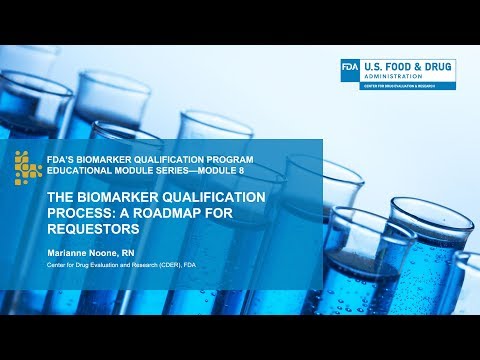
The FDA's biomarker validation guidelines provide a comprehensive framework for the qualification and validation of biomarkers. The guidelines outline the requirements for biomarker qualification, including the need for a clear understanding of the Biological Basis of the biomarker. The Qualification Process for biomarkers involves several steps, including the submission of a qualification package to the FDA. The FDA's Biomarker Qualification Program provides a mechanism for industry professionals to work with the FDA to qualify biomarkers. The FDA Biomarker Validation Guidelines provide a detailed overview of the qualification process.
🔍 Qualification Process for Biomarkers
The qualification process for biomarkers involves several steps, including the submission of a qualification package to the FDA. The FDA Biomarker Qualification Program provides a mechanism for industry professionals to work with the FDA to qualify biomarkers. The qualification package must include a clear description of the Biomarker, including its Analytical Validation and Clinical Validation. The FDA Guidelines for biomarker qualification provide a detailed outline of the requirements for the qualification package. The Regulatory Affairs team plays a crucial role in ensuring that the qualification package is complete and accurate.
📊 Biomarker Validation: A Step-by-Step Guide
Biomarker validation involves several steps, including the development of a Validation Plan. The validation plan must include a clear description of the Biomarker and its intended use. The FDA Biomarker Validation Guidelines provide a detailed overview of the validation process. The Validation Process involves several steps, including the collection of data to support the validation of the biomarker. The Biostatistics team plays a crucial role in analyzing the data to support the validation of the biomarker. The FDA Guidelines for biomarker validation provide a detailed outline of the requirements for the validation process.
📈 Best Practices for Biomarker Validation
Best practices for biomarker validation include the use of a Validation Plan and the collection of high-quality data to support the validation of the biomarker. The FDA Biomarker Validation Guidelines provide a detailed overview of the best practices for biomarker validation. The Regulatory Affairs team plays a crucial role in ensuring that the validation process is conducted in accordance with FDA guidelines. The Biomarker Validation process involves several steps, including the submission of a validation package to the FDA. The FDA Guidelines for biomarker validation provide a detailed outline of the requirements for the validation package.
🚨 Common Pitfalls in Biomarker Validation
Common pitfalls in biomarker validation include the failure to develop a clear Validation Plan and the collection of low-quality data to support the validation of the biomarker. The FDA Biomarker Validation Guidelines provide a detailed overview of the common pitfalls in biomarker validation. The Regulatory Affairs team plays a crucial role in ensuring that the validation process is conducted in accordance with FDA guidelines. The Biomarker Validation process involves several steps, including the submission of a validation package to the FDA. The FDA Guidelines for biomarker validation provide a detailed outline of the requirements for the validation package.
🔜 Future Directions for Biomarker Validation
The future of biomarker validation is likely to involve the use of Artificial Intelligence and Machine Learning to improve the accuracy and efficiency of the validation process. The FDA Biomarker Validation Guidelines provide a detailed overview of the future directions for biomarker validation. The Regulatory Affairs team plays a crucial role in ensuring that the validation process is conducted in accordance with FDA guidelines. The Biomarker Validation process involves several steps, including the submission of a validation package to the FDA. The FDA Guidelines for biomarker validation provide a detailed outline of the requirements for the validation package.
📊 Case Studies: Successful Biomarker Validation
Case studies of successful biomarker validation include the use of Biomarkers in the development of new treatments for Cancer. The FDA Biomarker Validation Guidelines provide a detailed overview of the case studies. The Regulatory Affairs team plays a crucial role in ensuring that the validation process is conducted in accordance with FDA guidelines. The Biomarker Validation process involves several steps, including the submission of a validation package to the FDA. The FDA Guidelines for biomarker validation provide a detailed outline of the requirements for the validation package.
🤝 Collaboration and Communication in Biomarker Validation
Collaboration and communication are essential in biomarker validation, involving the FDA, Pharmaceutical Industry, and Academic Research institutions. The FDA Biomarker Validation Guidelines provide a detailed overview of the importance of collaboration and communication in biomarker validation. The Regulatory Affairs team plays a crucial role in ensuring that the validation process is conducted in accordance with FDA guidelines. The Biomarker Validation process involves several steps, including the submission of a validation package to the FDA. The FDA Guidelines for biomarker validation provide a detailed outline of the requirements for the validation package.
📚 Regulatory Framework for Biomarker Validation
The regulatory framework for biomarker validation is established by the FDA and involves the use of Guidelines and Regulations. The FDA Biomarker Validation Guidelines provide a detailed overview of the regulatory framework for biomarker validation. The Regulatory Affairs team plays a crucial role in ensuring that the validation process is conducted in accordance with FDA guidelines. The Biomarker Validation process involves several steps, including the submission of a validation package to the FDA. The FDA Guidelines for biomarker validation provide a detailed outline of the requirements for the validation package.
📊 Conclusion: The Role of FDA's Biomarker Validation Guidelines
In conclusion, the FDA's biomarker validation guidelines play a crucial role in ensuring the safety and efficacy of drugs and medical devices. The FDA Biomarker Validation Guidelines provide a detailed overview of the requirements for biomarker validation. The Regulatory Affairs team plays a crucial role in ensuring that the validation process is conducted in accordance with FDA guidelines. The Biomarker Validation process involves several steps, including the submission of a validation package to the FDA. The FDA Guidelines for biomarker validation provide a detailed outline of the requirements for the validation package.
Key Facts
- Year
- 2018
- Origin
- US FDA
- Category
- Regulatory Affairs
- Type
- Guideline
Frequently Asked Questions
What is biomarker validation?
Biomarker validation is the process of verifying that a biomarker is accurate and reliable for use in clinical trials or medical practice. The FDA has established guidelines for biomarker validation to ensure that biomarkers are qualified and validated for use in drug development. The Biomarker Validation process involves several steps, including the submission of a validation package to the FDA. The FDA Guidelines for biomarker validation provide a detailed outline of the requirements for the validation package.
Why is biomarker validation important?
Biomarker validation is important because it ensures that biomarkers are accurate and reliable for use in clinical trials or medical practice. The use of validated biomarkers can help to improve the efficiency and effectiveness of drug development, and can also help to reduce the risk of Adverse Events. The FDA Biomarker Validation Guidelines provide a detailed overview of the importance of biomarker validation. The Regulatory Affairs team plays a crucial role in ensuring that the validation process is conducted in accordance with FDA guidelines.
What is the role of the FDA in biomarker validation?
The FDA plays a crucial role in biomarker validation by establishing guidelines and regulations for the qualification and validation of biomarkers. The FDA Biomarker Validation Guidelines provide a detailed overview of the requirements for biomarker validation. The Regulatory Affairs team plays a crucial role in ensuring that the validation process is conducted in accordance with FDA guidelines. The Biomarker Validation process involves several steps, including the submission of a validation package to the FDA.
What are the common pitfalls in biomarker validation?
Common pitfalls in biomarker validation include the failure to develop a clear Validation Plan and the collection of low-quality data to support the validation of the biomarker. The FDA Biomarker Validation Guidelines provide a detailed overview of the common pitfalls in biomarker validation. The Regulatory Affairs team plays a crucial role in ensuring that the validation process is conducted in accordance with FDA guidelines. The Biomarker Validation process involves several steps, including the submission of a validation package to the FDA.
What is the future of biomarker validation?
The future of biomarker validation is likely to involve the use of Artificial Intelligence and Machine Learning to improve the accuracy and efficiency of the validation process. The FDA Biomarker Validation Guidelines provide a detailed overview of the future directions for biomarker validation. The Regulatory Affairs team plays a crucial role in ensuring that the validation process is conducted in accordance with FDA guidelines. The Biomarker Validation process involves several steps, including the submission of a validation package to the FDA.
What are the best practices for biomarker validation?
Best practices for biomarker validation include the use of a Validation Plan and the collection of high-quality data to support the validation of the biomarker. The FDA Biomarker Validation Guidelines provide a detailed overview of the best practices for biomarker validation. The Regulatory Affairs team plays a crucial role in ensuring that the validation process is conducted in accordance with FDA guidelines. The Biomarker Validation process involves several steps, including the submission of a validation package to the FDA.
What is the role of collaboration and communication in biomarker validation?
Collaboration and communication are essential in biomarker validation, involving the FDA, Pharmaceutical Industry, and Academic Research institutions. The FDA Biomarker Validation Guidelines provide a detailed overview of the importance of collaboration and communication in biomarker validation. The Regulatory Affairs team plays a crucial role in ensuring that the validation process is conducted in accordance with FDA guidelines. The Biomarker Validation process involves several steps, including the submission of a validation package to the FDA.