
Contents
- 🎯 Introduction to Exenatide
- ⚙️ Mechanism of Action
- 📊 Key Facts & Numbers
- 👥 Key People & Organizations
- 🌍 Cultural Impact & Influence
- ⚡ Current State & Latest Developments
- 🤔 Controversies & Debates
- 🔮 Future Outlook & Predictions
- 💡 Practical Applications
- 📚 Related Topics & Deeper Reading
- Frequently Asked Questions
- References
- Related Topics
Overview
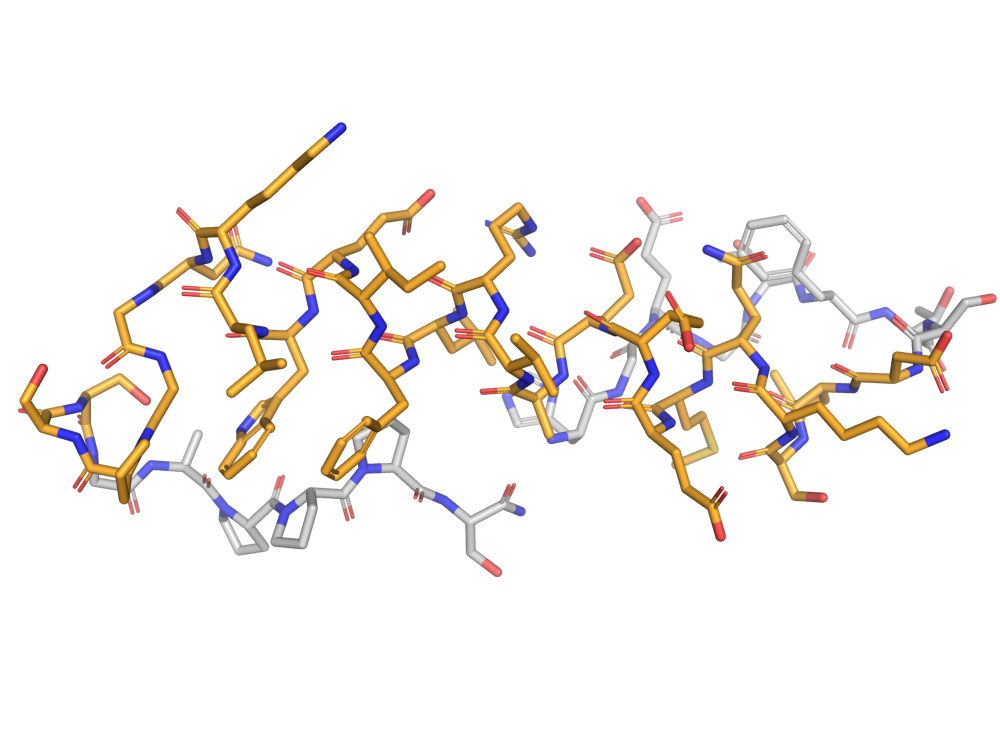
Exenatide, sold under the brand name Byetta, is a medication used to treat type 2 diabetes, utilized in conjunction with diet, exercise, and other antidiabetic medications. It is administered via injection under the skin and functions by increasing insulin release from the pancreas while decreasing excessive glucagon release. Common side effects include low blood sugar, nausea, and abdominal pain, with more serious side effects potentially being medullary thyroid cancer, angioedema, pancreatitis, and kidney injury. Approved for medical use in the United States in 2005, exenatide has become a significant treatment option for type 2 diabetes, with over 1 million prescriptions in the US in 2019 alone. Its mechanism as a glucagon-like peptide-1 receptor agonist makes it a valuable asset in managing blood sugar levels. However, its use in pregnancy and breastfeeding is of unclear safety, necessitating careful consideration by healthcare providers. As research continues, exenatide remains a crucial component in the management of type 2 diabetes, offering patients an additional treatment avenue beyond traditional metformin and sulfonylureas.
🎯 Introduction to Exenatide
Exenatide, developed by Amylin Pharmaceuticals and Eli Lilly and Company, was first approved by the US Food and Drug Administration (FDA) in 2005 for the treatment of type 2 diabetes. Its brand name, Byetta, has become synonymous with a new approach to managing blood sugar levels, distinct from traditional medications like metformin and sulfonylureas. The story of exenatide's development is closely tied to the discovery of the glucagon-like peptide-1 (GLP-1) receptor and its role in glucose metabolism, as researched by scientists like Daniel J. Drayke at University of California.
⚙️ Mechanism of Action
The mechanism of action of exenatide involves mimicking the action of the naturally occurring hormone GLP-1, which is released in response to food intake and helps to regulate blood glucose levels. By binding to GLP-1 receptors, exenatide enhances the release of insulin from the pancreas and decreases the release of glucagon, a hormone that raises blood glucose levels. This dual action helps to lower blood glucose levels and improve glycemic control. As explained by American Diabetes Association, understanding the role of GLP-1 and its agonists like exenatide is crucial for developing effective diabetes management strategies.
📊 Key Facts & Numbers
Key facts about exenatide include its approval by the FDA in 2005, its classification as a GLP-1 receptor agonist, and its administration via injection under the skin. In 2019, it was the 312th most commonly prescribed medication in the United States, with more than 1 million prescriptions. The development and marketing of exenatide have involved collaborations between Amylin Pharmaceuticals, Eli Lilly and Company, and other pharmaceutical companies. Research on exenatide has been published in numerous medical journals, including the New England Journal of Medicine and Journal of Clinical Endocrinology and Metabolism.
👥 Key People & Organizations
The development and approval of exenatide have involved the contributions of many key people and organizations. Amylin Pharmaceuticals and Eli Lilly and Company have played significant roles in the development and marketing of exenatide. Regulatory agencies like the US Food and Drug Administration (FDA) have overseen the approval process for exenatide. Additionally, medical organizations such as the American Diabetes Association have provided guidelines and recommendations for the use of exenatide in the treatment of type 2 diabetes. Researchers at institutions like Harvard University and Stanford University have conducted studies on the efficacy and safety of exenatide.
🌍 Cultural Impact & Influence
Exenatide has had a significant cultural impact and influence on the treatment of type 2 diabetes. Its introduction has provided patients with an additional treatment option beyond traditional medications, offering hope for improved glycemic control and reduced risk of complications. The development of exenatide has also spurred research into other GLP-1 receptor agonists, expanding the range of treatment options available to patients. As noted by World Health Organization (WHO), the availability of medications like exenatide is crucial for addressing the global burden of diabetes. Furthermore, exenatide has been discussed in various health and wellness forums, including WebMD and Healthline.
⚡ Current State & Latest Developments
As of 2024, exenatide remains a widely used medication for the treatment of type 2 diabetes. Ongoing research continues to explore its potential benefits and risks, including its effects on cardiovascular outcomes and its potential for use in combination with other medications. The National Institutes of Health (NIH) and other research institutions are conducting studies to further understand the mechanisms of action of exenatide and to identify potential new uses for this medication. Additionally, pharmaceutical companies like Novartis and AstraZeneca are developing new GLP-1 receptor agonists, expanding the treatment landscape for type 2 diabetes.
🤔 Controversies & Debates
Despite its benefits, exenatide has been the subject of controversy and debate. Concerns have been raised regarding its potential risks, including the possibility of medullary thyroid cancer, angioedema, pancreatitis, and kidney injury. The FDA has issued warnings and updated labeling to reflect these potential risks. Furthermore, the high cost of exenatide and other GLP-1 receptor agonists has been a subject of debate, with some arguing that these medications are not accessible to all patients who may benefit from them. As discussed by Mayo Clinic, the cost-effectiveness of exenatide and other diabetes medications is a critical consideration for healthcare providers and patients.
🔮 Future Outlook & Predictions
Looking to the future, exenatide is likely to remain a significant player in the treatment of type 2 diabetes. Ongoing research and development are expected to lead to the introduction of new GLP-1 receptor agonists and other medications that target related pathways. The potential for exenatide to be used in combination with other medications, such as metformin and sulfonylureas, is also being explored. As the prevalence of type 2 diabetes continues to rise, the need for effective and accessible treatments like exenatide will only continue to grow. According to Centres for Disease Control and Prevention (CDC), the development of new treatments for type 2 diabetes is crucial for addressing the growing burden of this disease.
💡 Practical Applications
In practical terms, exenatide is used by patients with type 2 diabetes who require additional treatment beyond diet and exercise. It is typically prescribed in conjunction with other medications, such as metformin and sulfonylureas. Patients using exenatide must monitor their blood glucose levels regularly and report any adverse effects to their healthcare provider. The medication is administered via injection under the skin, typically twice a day. As advised by American Heart Association, patients with type 2 diabetes should work closely with their healthcare providers to develop a comprehensive treatment plan that includes medications like exenatide, as well as lifestyle modifications.
Key Facts
- Year
- 2005
- Origin
- United States
- Category
- chronic-conditions
- Type
- medication
Frequently Asked Questions
What is exenatide used for?
Exenatide is used to treat type 2 diabetes, helping to improve glycemic control and reduce the risk of complications. It is typically prescribed in conjunction with diet, exercise, and other medications, such as metformin and sulfonylureas. As noted by Mayo Clinic, exenatide can be an effective addition to a comprehensive treatment plan for type 2 diabetes.
How does exenatide work?
Exenatide works by mimicking the action of the naturally occurring hormone GLP-1, which helps to regulate blood glucose levels. It binds to GLP-1 receptors, enhancing the release of insulin from the pancreas and decreasing the release of glucagon, a hormone that raises blood glucose levels. This dual action helps to lower blood glucose levels and improve glycemic control, as explained by American Diabetes Association.
What are the potential risks of exenatide?
The potential risks of exenatide include medullary thyroid cancer, angioedema, pancreatitis, and kidney injury. The FDA has issued warnings and updated labeling to reflect these potential risks. Patients using exenatide should monitor their blood glucose levels regularly and report any adverse effects to their healthcare provider, as advised by Centres for Disease Control and Prevention (CDC).
How is exenatide administered?
Exenatide is administered via injection under the skin, typically twice a day. Patients should follow the instructions provided by their healthcare provider and use the medication as directed. As noted by WebMD, proper administration and dosing of exenatide are crucial for achieving optimal therapeutic effects and minimizing potential side effects.
Can exenatide be used in combination with other medications?
Yes, exenatide can be used in combination with other medications, such as metformin and sulfonylureas. The potential benefits and risks of using exenatide in combination with other medications should be carefully considered by healthcare providers and patients, as discussed by Harvard University researchers.
What is the cost of exenatide?
The cost of exenatide can vary depending on the location and healthcare system. In the United States, the cost of exenatide can range from $500 to $1,000 per month, depending on the dosage and frequency of administration. As noted by Healthline, the cost-effectiveness of exenatide and other diabetes medications is an important consideration for patients and healthcare providers.
Is exenatide available in other countries?
Yes, exenatide is available in other countries, including Canada, Europe, and Australia. The availability and cost of exenatide can vary depending on the country and healthcare system, as explained by World Health Organization (WHO).