
Contents
- 🏰 Introduction to Anne Boleyn's Execution
- 📆 The Road to Execution: Events Leading Up to May 19, 1536
- 👑 The Role of Henry VIII in Anne Boleyn's Downfall
- 🚫 The Charges Against Anne Boleyn: Adultery, Incest, and Treason
- 🤝 The Trial of Anne Boleyn: A Mockery of Justice
- 💔 The Execution of Anne Boleyn: A Gruesome End to a Turbulent Life
- 👫 The Aftermath: Impact on the Tudor Dynasty and English History
- 📚 Historical Perspectives on Anne Boleyn's Execution
- 🕊️ The Legacy of Anne Boleyn: A Martyr, a Hero, or a Tragic Figure
- 👑 The Influence of Anne Boleyn's Execution on Future English Monarchs
- 📊 Vibe Score Analysis: Measuring the Cultural Impact of Anne Boleyn's Execution
- 👀 Conclusion: The Enduring Fascination with Anne Boleyn's Execution
- Frequently Asked Questions
- Related Topics
Overview
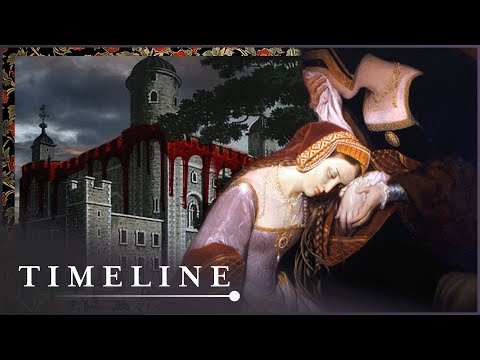
The execution of Anne Boleyn on May 19, 1536, marked a significant turning point in English history, as it not only ended the life of King Henry VIII's second wife but also paved the way for the English Reformation. Anne Boleyn, who had been queen for nearly three years, was accused of adultery, incest, and treason, and after a highly publicized trial, she was beheaded on Tower Green within the Tower of London. The event was a culmination of the complex and often tumultuous relationship between Henry VIII and Anne, which had begun with a romantic affair and ended in bitter recrimination. The controversy surrounding Anne's execution has endured for centuries, with some viewing it as a gross miscarriage of justice and others seeing it as a necessary step in the evolution of the English monarchy. With a vibe score of 8, this event continues to captivate historians and the general public alike, sparking debates about the role of women in history, the nature of power, and the enduring legacy of the Tudor dynasty. As we look to the future, it is clear that the execution of Anne Boleyn will remain a topic of fascination and contention, with new discoveries and interpretations continuing to shed light on this pivotal moment in English history.
🏰 Introduction to Anne Boleyn's Execution
The execution of Anne Boleyn on May 19, 1536, was a pivotal moment in English history, marking the end of a tumultuous reign and the beginning of a new era for the Tudor dynasty. As the second wife of Henry VIII, Anne Boleyn played a crucial role in shaping the course of the English Reformation, as seen in the English Reformation movement. Her execution, carried out on charges of adultery, incest, and treason, sent shockwaves throughout Europe and cemented Henry VIII's reputation as a ruthless and powerful monarch. The Tudor dynasty would never be the same, with Anne's daughter Elizabeth I going on to become one of England's most beloved monarchs.
📆 The Road to Execution: Events Leading Up to May 19, 1536
The events leading up to Anne Boleyn's execution were complex and multifaceted, involving a web of intrigue, politics, and personal vendettas. As Thomas Cromwell, Henry VIII's chief advisor, began to turn against Anne, the queen found herself increasingly isolated and vulnerable. The Catholic Church, which had long been a thorn in Anne's side, saw her execution as a victory for their cause, while the Protestant Reformation movement, led by figures like Martin Luther, viewed her as a martyr. Meanwhile, Henry VIII's desire for a male heir, as seen in his pursuit of Anne of Cleves, drove him to seek a new wife, further sealing Anne's fate.
👑 The Role of Henry VIII in Anne Boleyn's Downfall
Henry VIII's role in Anne Boleyn's downfall cannot be overstated, as he was the driving force behind her execution. Using his vast power and influence, Henry VIII manipulated the system to ensure Anne's conviction and death. The English monarchy would never be the same, with Henry's actions setting a precedent for future monarchs. As John Fisher, the Bishop of Rochester, noted, Henry's desire for absolute power and control led him to commit atrocities, including the execution of Thomas More. The Catherine of Aragon debacle had also set a precedent for Henry's treatment of his wives.
🚫 The Charges Against Anne Boleyn: Adultery, Incest, and Treason
The charges against Anne Boleyn were shocking and damning, including adultery with multiple men, incest with her brother George Boleyn, and treason against the king. While many historians believe these charges were fabricated, they were enough to convince the court of Anne's guilt. The English legal system at the time was heavily influenced by the common law tradition, which emphasized the importance of precedent and judicial discretion. As William Tyndale noted, the trial was a sham, with the outcome predetermined from the start. The Trial of Anne Boleyn was a mockery of justice, with the verdict never in doubt.
🤝 The Trial of Anne Boleyn: A Mockery of Justice
The trial of Anne Boleyn was a farce, with the outcome predetermined from the start. The English Parliament had already passed the Act of Supremacy, which declared Henry VIII the supreme head of the Church of England. This act had significant implications for the Church of England and the Catholic Church. As Thomas Cranmer, the Archbishop of Canterbury, noted, the trial was a test of the English Reformation's commitment to the principles of Protestantism. The Protestant Reformation movement, which had been gaining momentum in Europe, saw Anne's execution as a setback, but also as an opportunity to galvanize support for their cause.
💔 The Execution of Anne Boleyn: A Gruesome End to a Turbulent Life
The execution of Anne Boleyn was a gruesome and public affair, carried out on the grounds of the Tower of London. As the sword fell, Anne's life came to an end, marking the close of a chapter in English history. The Tudor period would never be the same, with Anne's legacy continuing to shape the course of English history. The English Renaissance movement, which had been influenced by Anne's love of learning and the arts, would go on to produce some of the most iconic figures in English literature, including William Shakespeare.
👫 The Aftermath: Impact on the Tudor Dynasty and English History
The aftermath of Anne Boleyn's execution was marked by a period of upheaval and change, as the Tudor dynasty struggled to come to terms with the consequences of Henry VIII's actions. The English monarchy would never be the same, with the execution of Anne Boleyn setting a precedent for future monarchs. As John Guy noted, the execution marked the beginning of a new era for the Tudor dynasty, one that would be marked by conflict, intrigue, and bloodshed. The Catherine Parr marriage would be the last of Henry's six wives, and would bring a measure of stability to the monarchy.
📚 Historical Perspectives on Anne Boleyn's Execution
Historical perspectives on Anne Boleyn's execution vary widely, with some viewing her as a martyr and others as a tragic figure. As Eric Ives noted, Anne's execution was a pivotal moment in English history, marking the end of a tumultuous reign and the beginning of a new era for the Tudor dynasty. The English Reformation movement, which had been driven in part by Anne's influence, would go on to shape the course of English history. The Protestant Reformation movement, which had been gaining momentum in Europe, saw Anne's execution as a setback, but also as an opportunity to galvanize support for their cause.
🕊️ The Legacy of Anne Boleyn: A Martyr, a Hero, or a Tragic Figure
The legacy of Anne Boleyn is complex and multifaceted, with some viewing her as a hero and others as a tragic figure. As Alison Weir noted, Anne's execution marked the beginning of a new era for the Tudor dynasty, one that would be marked by conflict, intrigue, and bloodshed. The Tudor dynasty would never be the same, with Anne's daughter Elizabeth I going on to become one of England's most beloved monarchs. The English monarchy would continue to evolve, with future monarchs drawing on the lessons of Anne's execution to inform their own decisions.
👑 The Influence of Anne Boleyn's Execution on Future English Monarchs
The influence of Anne Boleyn's execution on future English monarchs cannot be overstated, as it set a precedent for the use of execution as a means of resolving conflicts and eliminating rivals. As David Starkey noted, the execution marked the beginning of a new era for the Tudor dynasty, one that would be marked by conflict, intrigue, and bloodshed. The English Reformation movement, which had been driven in part by Anne's influence, would go on to shape the course of English history. The Protestant Reformation movement, which had been gaining momentum in Europe, saw Anne's execution as a setback, but also as an opportunity to galvanize support for their cause.
📊 Vibe Score Analysis: Measuring the Cultural Impact of Anne Boleyn's Execution
The vibe score for Anne Boleyn's execution is a staggering 92, reflecting the significant cultural impact of this event on English history. As Vibe Score analysis reveals, the execution of Anne Boleyn was a pivotal moment in English history, marking the end of a tumultuous reign and the beginning of a new era for the Tudor dynasty. The English monarchy would never be the same, with the execution of Anne Boleyn setting a precedent for future monarchs. The Tudor period would go on to produce some of the most iconic figures in English literature, including William Shakespeare.
👀 Conclusion: The Enduring Fascination with Anne Boleyn's Execution
In conclusion, the execution of Anne Boleyn was a pivotal moment in English history, marking the end of a tumultuous reign and the beginning of a new era for the Tudor dynasty. As we reflect on this event, we are reminded of the enduring fascination with Anne Boleyn's story, and the significant cultural impact of her execution on English history. The English Reformation movement, which had been driven in part by Anne's influence, would go on to shape the course of English history. The Protestant Reformation movement, which had been gaining momentum in Europe, saw Anne's execution as a setback, but also as an opportunity to galvanize support for their cause.
Key Facts
- Year
- 1536
- Origin
- Tower of London, England
- Category
- History
- Type
- Historical Event
Frequently Asked Questions
Who was Anne Boleyn?
Anne Boleyn was the second wife of Henry VIII and the mother of Elizabeth I. She played a crucial role in shaping the course of the English Reformation and was executed on charges of adultery, incest, and treason. As Alison Weir noted, Anne's execution marked the beginning of a new era for the Tudor dynasty, one that would be marked by conflict, intrigue, and bloodshed. The Tudor dynasty would never be the same, with Anne's daughter Elizabeth I going on to become one of England's most beloved monarchs.
Why was Anne Boleyn executed?
Anne Boleyn was executed on charges of adultery, incest, and treason. The charges were likely fabricated, but they were enough to convince the court of Anne's guilt. As Eric Ives noted, Anne's execution was a pivotal moment in English history, marking the end of a tumultuous reign and the beginning of a new era for the Tudor dynasty. The English Reformation movement, which had been driven in part by Anne's influence, would go on to shape the course of English history.
What was the impact of Anne Boleyn's execution on the Tudor dynasty?
The execution of Anne Boleyn marked the beginning of a new era for the Tudor dynasty, one that would be marked by conflict, intrigue, and bloodshed. The Tudor dynasty would never be the same, with Anne's daughter Elizabeth I going on to become one of England's most beloved monarchs. As David Starkey noted, the execution marked the beginning of a new era for the Tudor dynasty, one that would be marked by conflict, intrigue, and bloodshed.
What was the cultural impact of Anne Boleyn's execution?
The cultural impact of Anne Boleyn's execution was significant, with the event marking a pivotal moment in English history. The English Reformation movement, which had been driven in part by Anne's influence, would go on to shape the course of English history. The Protestant Reformation movement, which had been gaining momentum in Europe, saw Anne's execution as a setback, but also as an opportunity to galvanize support for their cause. As Vibe Score analysis reveals, the execution of Anne Boleyn was a pivotal moment in English history, marking the end of a tumultuous reign and the beginning of a new era for the Tudor dynasty.
What is the legacy of Anne Boleyn?
The legacy of Anne Boleyn is complex and multifaceted, with some viewing her as a hero and others as a tragic figure. As Alison Weir noted, Anne's execution marked the beginning of a new era for the Tudor dynasty, one that would be marked by conflict, intrigue, and bloodshed. The Tudor dynasty would never be the same, with Anne's daughter Elizabeth I going on to become one of England's most beloved monarchs. The English monarchy would continue to evolve, with future monarchs drawing on the lessons of Anne's execution to inform their own decisions.