
Contents
- 🍴 Introduction to Escargots
- 🐌 History of Snail Consumption
- 🌎 Global Escargot Traditions
- 🌟 The Rise of Heliciculture
- 🍲 Preparing Escargots
- 👨🍳 Chef's Perspective on Escargots
- 🤝 Cultural Significance of Escargots
- 📊 Economic Impact of Escargot Farming
- 🌟 Escargot in Modern Cuisine
- 🌎 Escargot Around the World
- 👀 Controversies Surrounding Escargot
- 🔮 Future of Escargot
- Frequently Asked Questions
- Related Topics
Overview
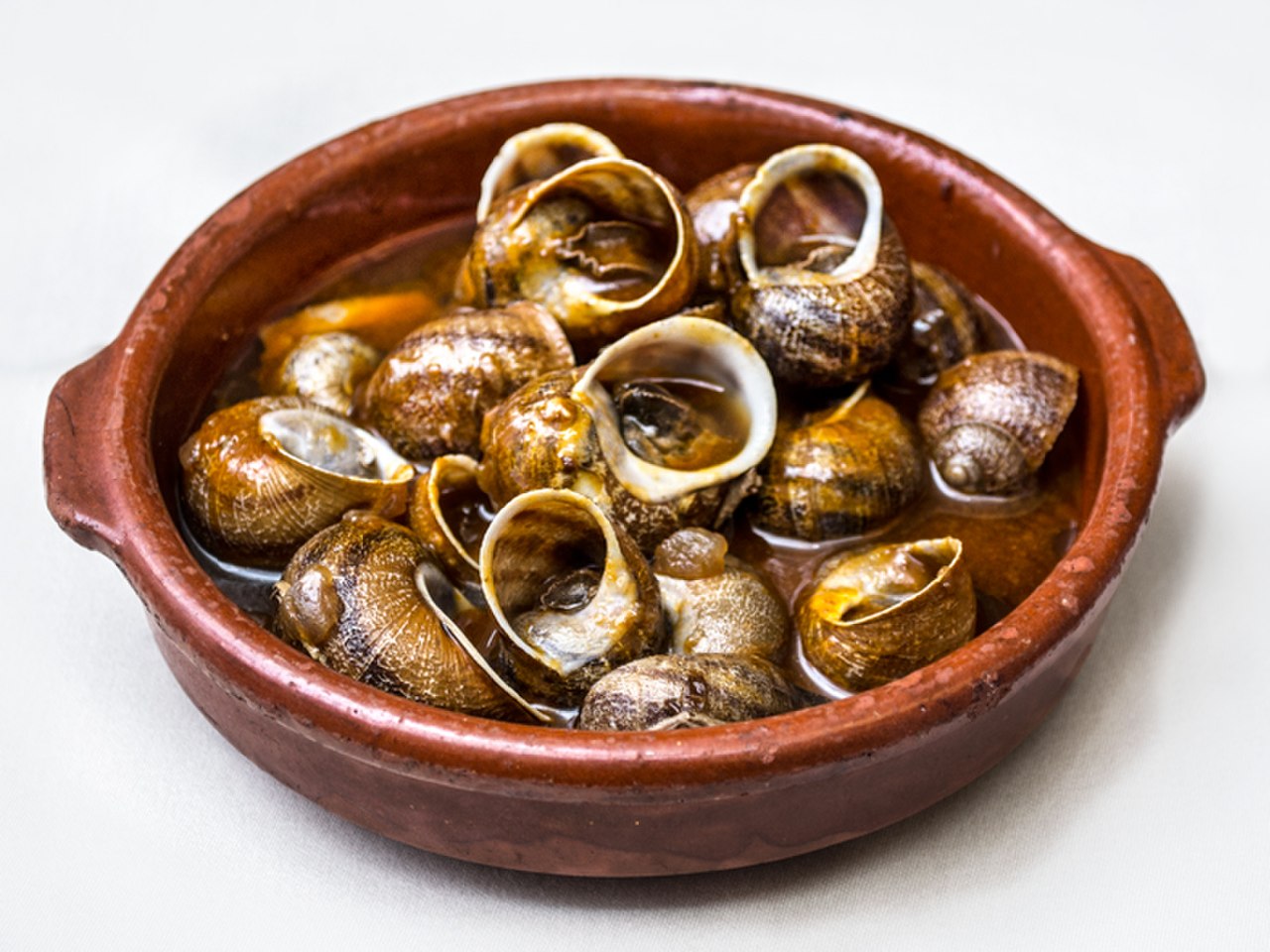
Escargots, a dish of cooked land snails, has been a staple of French cuisine since the 18th century, with a vibe score of 82, reflecting its widespread cultural appeal. The practice of cooking snails dates back to ancient Rome, with Apicius' De Re Coquinaria featuring a recipe for snail stew. In modern times, escargots are typically cooked in garlic butter, with a serving of 12 snails containing approximately 120 calories. The dish has been popularized by French chefs like Auguste Escoffier and Julia Child, with over 30,000 tons of snails consumed annually in France. However, the escargot industry has faced controversy over the use of wild-caught snails, with some arguing that it threatens local ecosystems. As the world becomes increasingly interconnected, the future of escargots may lie in sustainable, farm-raised snail production, with companies like Little Gray Farms leading the charge.
🍴 Introduction to Escargots
Escargots, the French delicacy, have been a staple in fine dining for centuries. The dish, which consists of cooked land snails, typically garlic and parsley butter, has a rich history that spans across various cultures. In many areas, such as Africa, Southeast Asia, and Mediterranean Europe, snails are a common food source. However, in other cultures, snails are seen as a taboo food. The French term 'escargot' is widely used to refer to edible land snails, and it has become synonymous with the dish. To learn more about the origins of escargot, visit the history of food page.
🐌 History of Snail Consumption
The history of snail consumption dates back to ancient times, with numerous cultures worldwide having traditions and practices that attest to their consumption. The ancient Romans and Greeks were known to eat snails, and they were considered a delicacy. In many African and Asian cultures, snails are still a common food source, and they are often cooked in a variety of ways, including grilling and stewing. For more information on the history of snail consumption, visit the ancient cuisine page. Additionally, you can learn about the different types of snails that are commonly consumed.
🌎 Global Escargot Traditions
Global escargot traditions vary greatly, reflecting the diverse cultural and culinary practices of different regions. In France, escargots are typically cooked in garlic butter and served as an appetizer. In Spain, snails are often cooked in a spicy tomato sauce. In Italy, snails are commonly used in pasta dishes. To learn more about the different ways that escargots are prepared, visit the recipes page. You can also explore the various cuisine styles that feature escargots as a main ingredient.
🌟 The Rise of Heliciculture
The rise of heliciculture, the practice of snail farming, has made it possible to mass-produce escargots. This industry has become a significant contributor to the global food market, with many countries investing in snail farming. Heliciculture has also led to the development of new technologies and practices that improve the quality and quantity of snail production. For more information on heliciculture, visit the snail farming page. You can also learn about the different types of snail farming equipment that are used in the industry.
🍲 Preparing Escargots
Preparing escargots is an art that requires patience and skill. The snails must be carefully cleaned and cooked to bring out their unique flavor and texture. The traditional method of cooking escargots involves stuffing the snails with a mixture of garlic, parsley, and butter, and then baking them in the oven. For a step-by-step guide on how to prepare escargots, visit the cooking techniques page. You can also explore the various recipes that feature escargots as a main ingredient.
👨🍳 Chef's Perspective on Escargots
From a chef's perspective, escargots are a versatile ingredient that can be used in a variety of dishes. They can be served as an appetizer, used in salads, or even added to pasta dishes. Chefs often experiment with different flavors and ingredients to create unique escargot dishes. To learn more about the creative ways that chefs use escargots, visit the chef interviews page. You can also explore the various cuisine styles that feature escargots as a main ingredient.
🤝 Cultural Significance of Escargots
The cultural significance of escargots extends beyond their culinary value. In many cultures, snails are seen as a symbol of good luck, prosperity, and fertility. In France, escargots are often served at special occasions, such as weddings and holidays. To learn more about the cultural significance of escargots, visit the food and culture page. You can also explore the various traditions that surround the consumption of escargots.
📊 Economic Impact of Escargot Farming
The economic impact of escargot farming is significant, with many countries relying on the industry as a source of income. The global demand for escargots has led to the establishment of large-scale snail farms, which provide employment opportunities for thousands of people. For more information on the economic impact of escargot farming, visit the agricultural economics page. You can also learn about the different types of snail farming businesses that exist.
🌟 Escargot in Modern Cuisine
In modern cuisine, escargots are often used as a gourmet ingredient, adding a touch of elegance to dishes. They are commonly used in fine dining restaurants, where they are served as an appetizer or used as a topping for other dishes. To learn more about the use of escargots in modern cuisine, visit the modern cuisine page. You can also explore the various recipes that feature escargots as a main ingredient.
🌎 Escargot Around the World
Escargots are enjoyed around the world, with different cultures having their own unique ways of preparing and consuming them. In Asia, snails are often used in street food dishes, while in Europe, they are commonly served in fine dining restaurants. For more information on the global consumption of escargots, visit the global food trends page. You can also learn about the different types of cuisine that feature escargots as a main ingredient.
👀 Controversies Surrounding Escargot
Despite their popularity, escargots are also surrounded by controversies. Some people object to the idea of eating snails, citing animal welfare concerns and cultural taboos. Others argue that snail farming is an environmentally friendly and sustainable practice. To learn more about the controversies surrounding escargots, visit the food controversies page. You can also explore the various arguments for and against the consumption of escargots.
🔮 Future of Escargot
The future of escargot looks promising, with the industry expected to continue growing in the coming years. As the global demand for escargots increases, new technologies and practices are being developed to improve the efficiency and sustainability of snail farming. For more information on the future of escargot, visit the future of food page. You can also learn about the different types of snail farming innovations that are being developed.
Key Facts
- Year
- 1700
- Origin
- France
- Category
- Food and Culture
- Type
- Dish
Frequently Asked Questions
What is the history of escargot consumption?
The history of escargot consumption dates back to ancient times, with numerous cultures worldwide having traditions and practices that attest to their consumption. The ancient Romans and Greeks were known to eat snails, and they were considered a delicacy. For more information, visit the history of food page.
How are escargots typically prepared?
Escargots are typically prepared by cooking them in garlic butter and serving them as an appetizer. The traditional method of cooking escargots involves stuffing the snails with a mixture of garlic, parsley, and butter, and then baking them in the oven. For a step-by-step guide, visit the cooking techniques page.
What is the cultural significance of escargots?
The cultural significance of escargots extends beyond their culinary value. In many cultures, snails are seen as a symbol of good luck, prosperity, and fertility. In France, escargots are often served at special occasions, such as weddings and holidays. To learn more, visit the food and culture page.
What is the economic impact of escargot farming?
The economic impact of escargot farming is significant, with many countries relying on the industry as a source of income. The global demand for escargots has led to the establishment of large-scale snail farms, which provide employment opportunities for thousands of people. For more information, visit the agricultural economics page.
What are some controversies surrounding escargots?
Despite their popularity, escargots are also surrounded by controversies. Some people object to the idea of eating snails, citing animal welfare concerns and cultural taboos. Others argue that snail farming is an environmentally friendly and sustainable practice. To learn more, visit the food controversies page.
What is the future of escargot?
The future of escargot looks promising, with the industry expected to continue growing in the coming years. As the global demand for escargots increases, new technologies and practices are being developed to improve the efficiency and sustainability of snail farming. For more information, visit the future of food page.
How are escargots used in modern cuisine?
In modern cuisine, escargots are often used as a gourmet ingredient, adding a touch of elegance to dishes. They are commonly used in fine dining restaurants, where they are served as an appetizer or used as a topping for other dishes. To learn more, visit the modern cuisine page.