
Contents
- 🎵 Origins & History
- ⚙️ How It Works
- 📊 Key Facts & Numbers
- 👥 Key People & Organizations
- 🌍 Cultural Impact & Influence
- ⚡ Current State & Latest Developments
- 🤔 Controversies & Debates
- 🔮 Future Outlook & Predictions
- 💡 Practical Applications
- 📚 Related Topics & Deeper Reading
- Frequently Asked Questions
- References
- Related Topics
Overview
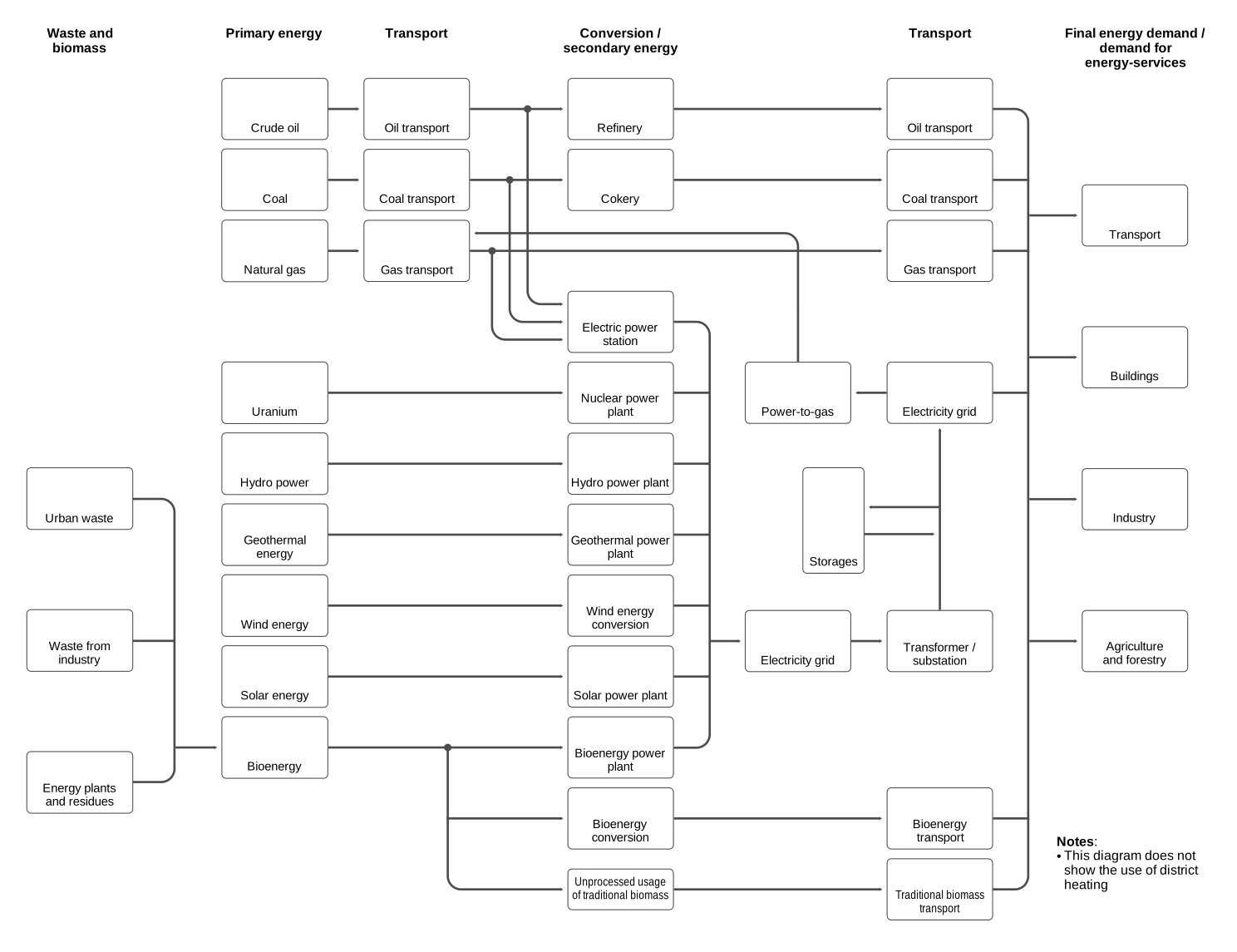
An energy system is a system primarily designed to supply energy-services to end-users, with the intent of minimizing energy losses and ensuring efficient use of energy. The concept of an energy system spans multiple disciplines, including engineering and economics, and involves the analysis of energy production, conversion, delivery, and use. The energy system is crucial for meeting the energy demands of modern society, and its development and management have significant impacts on the environment, economy, and public health. According to the International Energy Agency (IEA), the global energy system is responsible for approximately 65% of human-caused greenhouse gas emissions, highlighting the need for a transition to a more sustainable and low-carbon energy system. The energy system also has significant implications for public health, with the World Health Organization (WHO) estimating that air pollution from fossil fuel combustion is responsible for approximately 7 million premature deaths worldwide each year.
🎵 Origins & History
The concept of an energy system has its roots in the early 20th century, when the first commercial power plants were built. Since then, the energy system has evolved to include a wide range of energy sources, including fossil fuels, nuclear power, and renewable energy sources such as solar and wind power. The development of the energy system has been shaped by the work of pioneers such as Nikola Tesla and Thomas Edison, who played key roles in the development of the first electrical power systems. Today, the energy system is a complex network of energy production, conversion, delivery, and use, involving a wide range of stakeholders, including governments, corporations, and individuals.
⚙️ How It Works
The energy system works by converting primary energy sources, such as coal, oil, and natural gas, into usable forms of energy, such as electricity and heat. This process involves a range of technologies, including power plants, transmission lines, and distribution networks. The energy system also involves the use of energy storage technologies, such as batteries, to manage the variability of renewable energy sources. Companies such as Tesla and Siemens are at the forefront of the development of energy storage technologies, while organizations such as the International Energy Agency (IEA) and the National Renewable Energy Laboratory (NREL) are working to promote the development of sustainable energy systems.
📊 Key Facts & Numbers
The energy system is a significant contributor to greenhouse gas emissions, with the IEA estimating that the energy sector is responsible for approximately 65% of human-caused emissions. The energy system is also a major user of water resources, with the production of energy from fossil fuels and nuclear power requiring significant amounts of water for cooling and other purposes. According to the United States Environmental Protection Agency (EPA), the energy sector is responsible for approximately 40% of total water withdrawals in the United States. In terms of numbers, the energy system is a massive industry, with the global energy market valued at over $6 trillion in 2020, according to a report by Bloomberg. The energy system also supports a wide range of industries, including transportation, manufacturing, and construction, and is a critical component of modern society.
👥 Key People & Organizations
Key people and organizations involved in the energy system include governments, corporations, and non-governmental organizations (NGOs). Governments play a critical role in shaping energy policy and regulating the energy sector, while corporations such as ExxonMobil and Shell are major players in the energy industry. NGOs such as the World Wildlife Fund (WWF) and the Sierra Club are working to promote the development of sustainable energy systems and reduce the environmental impacts of the energy sector. Individuals such as Al Gore and Leonardo DiCaprio are also playing a key role in raising awareness about the importance of sustainable energy and the need to address climate change.
🌍 Cultural Impact & Influence
The energy system has a significant cultural impact and influence, with energy playing a critical role in modern society. The energy system has shaped the way we live, work, and travel, and has had a major impact on the environment and public health. The energy system has also been the subject of numerous controversies and debates, including the debate over the use of fossil fuels versus renewable energy sources. According to a report by the Pew Research Center, approximately 70% of Americans believe that the development of renewable energy sources should be a priority, while approximately 20% believe that the development of fossil fuels should be a priority. The energy system has also been the subject of numerous artistic and literary works, including the documentary film An Inconvenient Truth and the novel The Windup Girl.
⚡ Current State & Latest Developments
The current state of the energy system is one of transition, with a growing focus on the development of sustainable energy sources and the reduction of greenhouse gas emissions. The energy system is also becoming increasingly decentralized, with the growth of distributed energy resources such as rooftop solar and energy storage. According to a report by the National Renewable Energy Laboratory (NREL), the cost of solar energy has fallen by over 70% in the past decade, making it more competitive with fossil fuels. The energy system is also being shaped by advances in technology, including the development of smart grids and energy storage systems. Companies such as Google and Amazon are investing heavily in the development of sustainable energy systems, while organizations such as the United Nations are working to promote the development of sustainable energy systems globally.
🤔 Controversies & Debates
There are several controversies and debates surrounding the energy system, including the debate over the use of fossil fuels versus renewable energy sources. The energy system is also the subject of numerous environmental and health concerns, including the impacts of air pollution from fossil fuel combustion and the risks associated with nuclear power. According to a report by the World Health Organization (WHO), air pollution from fossil fuel combustion is responsible for approximately 7 million premature deaths worldwide each year. The energy system is also being shaped by geopolitical tensions, including the debate over energy security and the role of energy in international relations. The International Energy Agency (IEA) is working to promote the development of sustainable energy systems and reduce the environmental impacts of the energy sector.
🔮 Future Outlook & Predictions
The future outlook for the energy system is one of significant change and transformation, with a growing focus on the development of sustainable energy sources and the reduction of greenhouse gas emissions. The energy system is expected to become increasingly decentralized, with the growth of distributed energy resources such as rooftop solar and energy storage. According to a report by the Bloomberg New Energy Finance (BNEF), the cost of solar energy is expected to fall by over 50% in the next decade, making it more competitive with fossil fuels. The energy system is also expected to be shaped by advances in technology, including the development of smart grids and energy storage systems. Companies such as Tesla and Siemens are at the forefront of the development of sustainable energy systems, while organizations such as the United Nations are working to promote the development of sustainable energy systems globally.
💡 Practical Applications
The energy system has numerous practical applications, including the provision of electricity, heat, and transportation fuels. The energy system is also critical for the operation of modern society, including the provision of energy for homes, businesses, and industries. According to a report by the International Energy Agency (IEA), the energy sector is responsible for approximately 40% of total economic output in the United States. The energy system is also being used to promote economic development and reduce poverty, particularly in developing countries. Organizations such as the World Bank and the United Nations Development Programme (UNDP) are working to promote the development of sustainable energy systems in developing countries.
Key Facts
- Year
- 2020
- Origin
- Global
- Category
- public-health
- Type
- concept
Frequently Asked Questions
What is the primary purpose of an energy system?
The primary purpose of an energy system is to supply energy-services to end-users, while minimizing energy losses and ensuring efficient use of energy. According to the International Energy Agency (IEA), the energy system is responsible for approximately 65% of human-caused greenhouse gas emissions.
What are the different types of energy systems?
There are several types of energy systems, including fossil fuel-based systems, renewable energy systems, and nuclear power systems. According to a report by the National Renewable Energy Laboratory (NREL), the cost of solar energy has fallen by over 70% in the past decade, making it more competitive with fossil fuels.
How is the energy system changing?
The energy system is undergoing a significant transformation, with a growing focus on the development of sustainable energy sources and the reduction of greenhouse gas emissions. According to a report by the Bloomberg New Energy Finance (BNEF), the cost of solar energy is expected to fall by over 50% in the next decade, making it more competitive with fossil fuels.
What are the benefits of a sustainable energy system?
A sustainable energy system has numerous benefits, including the reduction of greenhouse gas emissions, improved air quality, and enhanced energy security. According to a report by the World Health Organization (WHO), air pollution from fossil fuel combustion is responsible for approximately 7 million premature deaths worldwide each year.
How can individuals contribute to a sustainable energy system?
Individuals can contribute to a sustainable energy system by reducing their energy consumption, using energy-efficient appliances, and investing in renewable energy sources such as solar or wind power. According to a report by the United States Environmental Protection Agency (EPA), the use of energy-efficient appliances can reduce energy consumption by up to 30%.
What is the role of government in shaping the energy system?
Governments play a critical role in shaping the energy system, including setting energy policies, regulating the energy sector, and investing in energy infrastructure. According to a report by the International Energy Agency (IEA), governments can promote the development of sustainable energy systems by providing incentives for the use of renewable energy sources and improving energy efficiency.
How is the energy system related to other systems?
The energy system is closely linked to other systems, including the transportation system, the industrial system, and the economic system. According to a report by the National Science Foundation (NSF), the energy system is a critical component of the national infrastructure, and its development and management have significant implications for the environment, economy, and public health.
What are the challenges facing the energy system?
The energy system faces numerous challenges, including the need to reduce greenhouse gas emissions, improve energy efficiency, and ensure energy security. According to a report by the United Nations, the energy system must be transformed to meet the goals of the Paris Agreement and promote sustainable development.
How can the energy system be made more resilient?
The energy system can be made more resilient by diversifying energy sources, improving energy efficiency, and investing in energy infrastructure. According to a report by the World Bank, the development of sustainable energy systems can promote economic growth, reduce poverty, and improve energy access.
What is the future outlook for the energy system?
The future outlook for the energy system is one of significant change and transformation, with a growing focus on the development of sustainable energy sources and the reduction of greenhouse gas emissions. According to a report by the Bloomberg New Energy Finance (BNEF), the cost of solar energy is expected to fall by over 50% in the next decade, making it more competitive with fossil fuels.