
Contents
- 🏥 Origins & History
- 💊 How It Works
- 📊 Key Facts & Numbers
- 👥 Key People & Organizations
- 🌎 Cultural Impact & Influence
- ⚡ Current State & Latest Developments
- 🤔 Controversies & Debates
- 🔮 Future Outlook & Predictions
- 💡 Practical Applications
- 📚 Related Topics & Deeper Reading
- Frequently Asked Questions
- References
- Related Topics
Overview
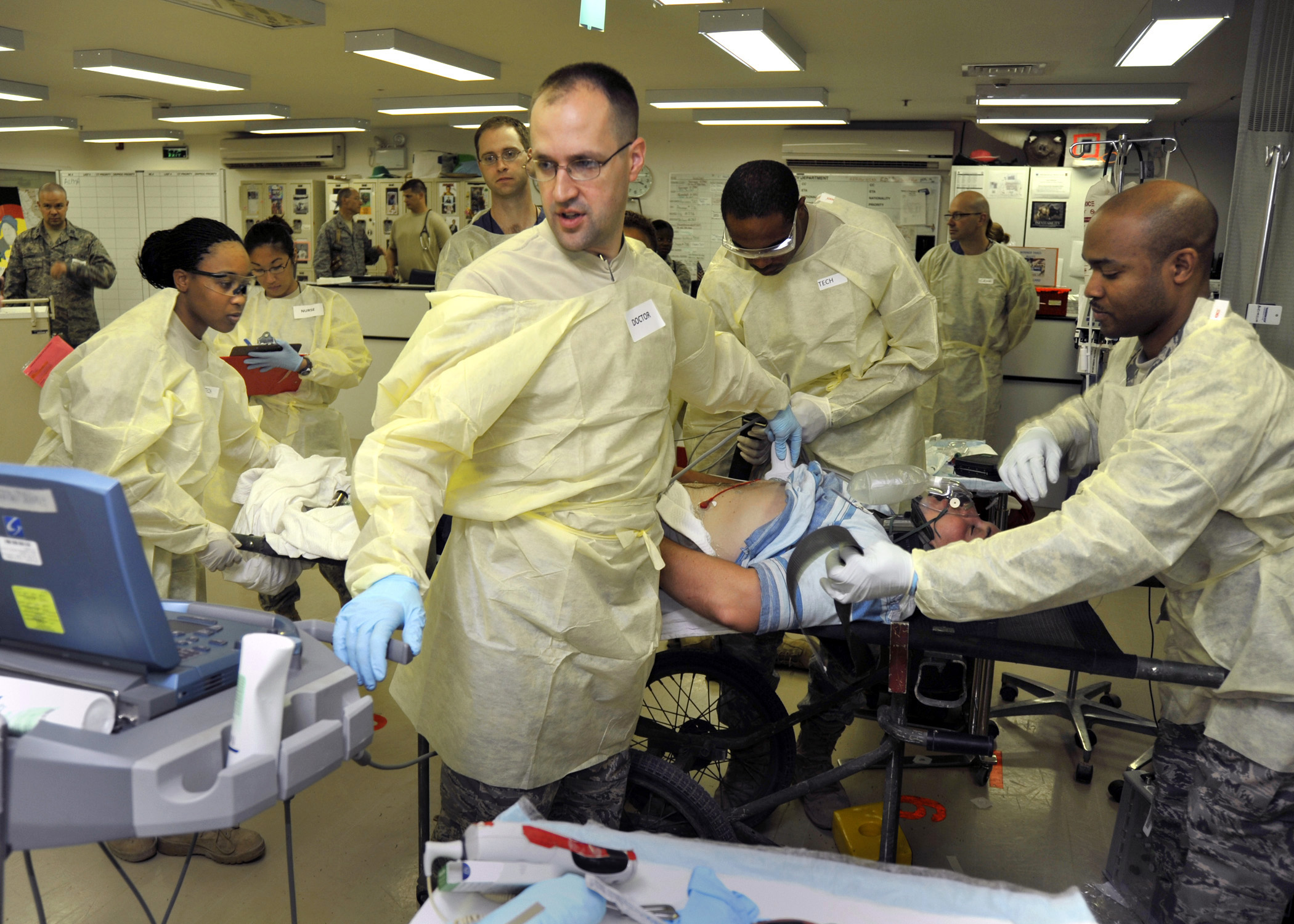
Emergency medicine physicians are highly trained medical specialists who provide immediate care to patients in emergency situations, working in hospital emergency departments, and sometimes as part of emergency medical services. Their expertise spans advanced life support, trauma care, and management of life-threatening conditions, making them crucial in saving lives. With their work being high-pressure and demanding, emergency medicine physicians must possess a unique blend of medical knowledge, quick decision-making skills, and the ability to work well under stress. According to the American College of Emergency Physicians (ACEP), there are over 37,000 emergency medicine physicians practicing in the United States alone, with the field continuously evolving to meet the changing needs of emergency care. The role of emergency medicine physicians is not only vital in emergency departments but also extends to community health, public health initiatives, and medical research, highlighting their multifaceted contributions to healthcare. As noted by the World Health Organization (WHO), emergency care is an essential component of healthcare systems globally, underscoring the importance of emergency medicine physicians in providing timely and effective care. With the increasing demand for emergency services, the work of emergency medicine physicians is more critical than ever, requiring ongoing support, recognition, and advancement of their specialty to ensure the best possible outcomes for patients in emergency situations.
🏥 Origins & History
Emergency medicine as a distinct specialty has its roots in the 1960s, with the establishment of the first emergency medicine residency program in 1970 at the University of Cincinnati, led by pioneers like Peter Sachs. This marked the beginning of formal training for emergency medicine physicians, recognizing the need for specialized care in emergency situations. The development of emergency medicine as a specialty was influenced by the work of organizations such as the American College of Emergency Physicians (ACEP), which was founded in 1968. Today, emergency medicine physicians are a crucial part of healthcare systems worldwide, working in emergency departments, and in some countries, as part of emergency medical services, alongside emergency medical technicians (EMTs) and paramedics.
💊 How It Works
The work of emergency medicine physicians involves a wide range of medical specialties, from cardiology and traumatology to toxicology and psychiatry. They must be adept at diagnosing and treating a broad spectrum of conditions, often with limited information and under time pressure. Emergency medicine physicians are also involved in public health initiatives, such as disaster response and prevention of infectious diseases, working closely with organizations like the World Health Organization (WHO) and the Centers for Disease Control and Prevention (CDC). Their role extends beyond patient care to include education, research, and advocacy for emergency medicine, as seen in the work of the Emergency Medicine Research community.
📊 Key Facts & Numbers
Key facts about emergency medicine physicians include that they are required to complete a minimum of 4 years of undergraduate education, followed by 4 years of medical school, and then 3-4 years of residency training in emergency medicine. According to the Bureau of Labor Statistics, the median annual salary for physicians, including emergency medicine physicians, was over $208,000 in May 2020. The demand for emergency medicine physicians is expected to grow, with the field seeing a significant increase in the number of emergency department visits, which reached over 145 million in the United States in 2020, as reported by the CDC. Organizations like the ACEP and the Emergency Nurses Association (ENA) play critical roles in supporting the development of emergency medicine.
👥 Key People & Organizations
Key people in the history and development of emergency medicine include Peter Sachs, one of the founders of the first emergency medicine residency program, and Bruce Janigian, who has been instrumental in advancing the field through education and advocacy. Organizations such as the ACEP and the WHO are crucial in setting standards, providing education, and promoting the specialty of emergency medicine globally. The work of these individuals and organizations highlights the collaborative nature of emergency medicine, which relies on the contributions of many to provide high-quality care.
🌎 Cultural Impact & Influence
The cultural impact of emergency medicine physicians is profound, with their work often being depicted in popular media, such as in TV shows like Grey's Anatomy and ER, which can influence public perceptions of emergency care. However, these portrayals also underscore the high-stakes environment in which emergency medicine physicians work, emphasizing the need for skilled, compassionate care in emergency situations. The influence of emergency medicine extends beyond entertainment, with emergency medicine physicians contributing to public health policy, disaster response, and community health initiatives, as seen in the work of the CDC and the WHO.
⚡ Current State & Latest Developments
Currently, emergency medicine physicians are at the forefront of responding to the COVID-19 pandemic, working tirelessly to provide care to those affected and to develop strategies for managing the spread of the virus. The pandemic has highlighted the importance of emergency medicine in global health security, with emergency medicine physicians playing a critical role in the response to public health emergencies. As the field continues to evolve, there is a growing emphasis on telemedicine and innovative technologies to improve access to emergency care, as well as on addressing issues of burnout and wellness among emergency medicine physicians, with organizations like the ACEP and the American Medical Association (AMA) advocating for support.
🤔 Controversies & Debates
Controversies in emergency medicine include debates over the best approaches to pain management, the appropriate use of imaging studies in emergency settings, and the challenges of addressing health disparities in emergency care. There are also discussions about the role of emergency medical services (EMS) in the community and how to optimize the interface between prehospital care and emergency department care, with organizations like the National Association of EMS Physicians (NAEMSP) and the ACEP working to address these issues.
🔮 Future Outlook & Predictions
Looking to the future, emergency medicine physicians will continue to play a vital role in healthcare, with advancements in technology, such as artificial intelligence (AI) and machine learning, expected to enhance their ability to diagnose and treat patients. There will also be a growing focus on preventive care and population health, with emergency medicine physicians working to prevent emergencies before they occur, in collaboration with organizations like the WHO and the CDC. As the specialty evolves, it is likely that emergency medicine physicians will take on even more leadership roles in healthcare, driving innovation and improvement in emergency care.
💡 Practical Applications
Practical applications of the work of emergency medicine physicians can be seen in the development of EMS systems, the implementation of telemedicine platforms, and the creation of public health programs aimed at preventing injuries and illnesses. Their expertise is also applied in disaster response and global health initiatives, where they work to provide emergency care in resource-limited settings, often in collaboration with organizations like the Red Cross and Doctors Without Borders.
Key Facts
- Year
- 1968
- Origin
- United States
- Category
- public-health
- Type
- profession
Frequently Asked Questions
What is the role of an emergency medicine physician?
Emergency medicine physicians provide immediate care to patients in emergency situations, working in hospital emergency departments and sometimes as part of emergency medical services. Their expertise includes advanced life support, trauma care, and management of life-threatening conditions. According to the American College of Emergency Physicians (ACEP), emergency medicine physicians must possess a strong foundation in medical knowledge, as well as the ability to work well under pressure and make quick, informed decisions. As noted by the World Health Organization (WHO), emergency care is an essential component of healthcare systems globally, highlighting the critical role of emergency medicine physicians in providing timely and effective care.
How do emergency medicine physicians contribute to public health?
Emergency medicine physicians play a significant role in public health, working on initiatives such as disaster response, prevention of infectious diseases, and community health programs. They collaborate with organizations like the Centers for Disease Control and Prevention (CDC) and the WHO to address health disparities and improve access to care. The work of emergency medicine physicians in public health is multifaceted, involving not only patient care but also education, research, and advocacy, as seen in the efforts of the Emergency Medicine Research community to advance the field and improve outcomes.
What are some of the challenges faced by emergency medicine physicians?
Emergency medicine physicians face numerous challenges, including high-stress work environments, the need to make quick decisions with limited information, and the emotional toll of dealing with life-threatening situations. They must also navigate complex healthcare systems and work to address health disparities, all while maintaining their own wellness and avoiding burnout. As noted by the American Medical Association (AMA), supporting the well-being of emergency medicine physicians is critical to ensuring the quality of care provided to patients.
How is the field of emergency medicine evolving?
The field of emergency medicine is continuously evolving, with advancements in technology, such as artificial intelligence (AI) and machine learning, expected to enhance diagnosis and treatment. There is also a growing focus on preventive care and population health, with emergency medicine physicians working to prevent emergencies before they occur. The role of emergency medicine physicians in global health initiatives is expanding, with a greater emphasis on providing care in resource-limited settings and addressing global health disparities, in collaboration with organizations like the Red Cross and Doctors Without Borders.
What is the future outlook for emergency medicine physicians?
The future outlook for emergency medicine physicians is promising, with a growing demand for their services and an increasing recognition of their critical role in healthcare. As the specialty continues to evolve, emergency medicine physicians will take on leadership roles in driving innovation and improvement in emergency care, working closely with organizations like the ACEP and the WHO to advance the field and improve patient outcomes. With the integration of telemedicine and other technologies, emergency medicine physicians will be able to reach more patients and provide care in new and innovative ways, further expanding their impact on global health security.
How can emergency medicine physicians contribute to medical research?
Emergency medicine physicians can contribute to medical research by participating in studies, publishing research papers, and presenting at conferences. They can also collaborate with other healthcare professionals and researchers to advance the field of emergency medicine, addressing key questions and challenges in emergency care. The Emergency Medicine Research community is active in promoting research and innovation in the field, with a focus on improving patient outcomes and advancing the specialty of emergency medicine. By engaging in research, emergency medicine physicians can help to identify best practices, develop new treatments, and improve the quality of care provided to patients in emergency situations.
What are some of the key organizations involved in emergency medicine?
Key organizations involved in emergency medicine include the American College of Emergency Physicians (ACEP), the World Health Organization (WHO), and the Centers for Disease Control and Prevention (CDC). These organizations play critical roles in setting standards, providing education, and promoting the specialty of emergency medicine globally. They also work to address key challenges in emergency care, such as health disparities and access to care, and support the development of emergency medicine physicians through education, research, and advocacy.