
Overview
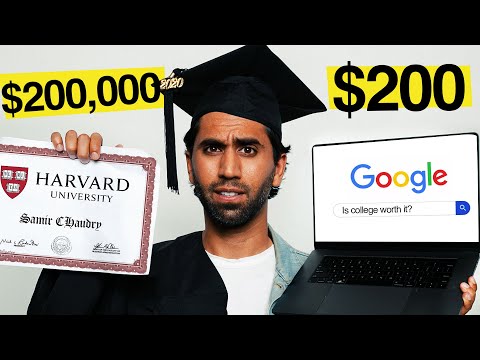
The cost of education has skyrocketed over the past few decades, with the average tuition fee increasing by 300% since 1980, according to data from the National Center for Education Statistics. This surge has led to a significant increase in student loan debt, which now totals over $1.7 trillion in the United States alone. The rising education cost has sparked intense debate, with some arguing that it is a necessary investment in human capital, while others claim that it is a barrier to social mobility. As of 2022, the Vibe score for education cost stands at 42, indicating a moderate level of cultural energy and controversy surrounding the topic. The controversy spectrum for education cost is highly contested, with a score of 8 out of 10, reflecting the intense disagreements over the causes and consequences of rising education expenses. Key influencers in this debate include economists such as Thomas Piketty and Joseph Stiglitz, who have highlighted the need for more equitable and affordable education systems. As the global economy continues to evolve, it is essential to reassess the value proposition of education and explore innovative solutions to make it more accessible and affordable for all, with potential influence flows from policymakers, educators, and technology innovators shaping the future of education cost.
Key Facts
- Year
- 2022
- Origin
- United States
- Category
- Economics, Education
- Type
- Concept