
Contents
- 🌟 Introduction to Edinburgh Festival Fringe
- 🎭 History of the Fringe
- 📅 Festival Structure and Programming
- 🎬 Performance Venues and Events
- 🌍 International Participation and Impact
- 🤝 Community Engagement and Outreach
- 📊 Economic Impact and Funding
- 📈 Growth and Challenges
- 🎉 Notable Performers and Shows
- 📚 Critical Reception and Reviews
- 👏 Awards and Recognition
- 🔮 Future Developments and Innovations
- Frequently Asked Questions
- Related Topics
Overview
The Edinburgh Festival Fringe is the largest arts festival in the world, with a history dating back to 1947 when eight theatre companies turned up uninvited to the Edinburgh International Festival. Today, it features over 50,000 performances of theatre, comedy, dance, music, and more, with a vibe score of 92, attracting millions of visitors to Edinburgh, Scotland. The festival has launched the careers of many notable performers, including Hugh Laurie, Emma Thompson, and Rowan Atkinson. With its open-access policy, anyone can participate, making it a hotbed for new talent and innovative performances. The festival's influence flows can be seen in the many other fringe festivals that have sprung up around the world, with over 200 festivals inspired by the Edinburgh model. As the festival continues to grow and evolve, it faces challenges such as gentrification, ticket prices, and the impact of Brexit on its international reputation, with a controversy spectrum of 6 out of 10, reflecting the debates and tensions surrounding its development and management.
🌟 Introduction to Edinburgh Festival Fringe
The Edinburgh Festival Fringe, often simply called the Fringe, is the largest arts festival in the world, Edinburgh being its vibrant host city. Established in 1947, the Fringe has grown to include over 50,000 performances of more than 3,000 different shows. The festival is a theatre lover's paradise, featuring a wide range of performances, from comedy and music to dance and opera. The Fringe is also a platform for new and experimental works, with many artists using the festival to showcase their talents. With its unique festival atmosphere, the Fringe attracts visitors from all over the world, making it a significant contributor to Edinburgh's economy. The festival's success has also inspired other fringe festivals around the globe, such as the Adelaide Fringe in Australia.
🎭 History of the Fringe
The history of the Fringe is closely tied to the Edinburgh International Festival, which was founded in 1947. The first Fringe festival was held in the same year, with eight theatre companies performing at the Royal Lyceum Theatre. Over the years, the Fringe has grown in size and popularity, with more and more performers and venues joining the festival. In the 1960s, the Fringe became a hub for counterculture and avant-garde performances, featuring artists such as Alan Bennett and Beyond the Fringe. Today, the Fringe is a celebration of artistic diversity, with performances ranging from Shakespeare to improvisation. The festival's history is a testament to the power of artistic expression and the importance of providing a platform for new and innovative works.
📅 Festival Structure and Programming
The Fringe festival takes place over 25 days in August, with performances held in a variety of venues across Edinburgh. The festival is structured around a number of different programmes, including the British Comedy Awards and the Total Theatre Awards. The programming is diverse, featuring a range of performances, from musical theatre to physical theatre. The Fringe also includes a number of workshops and masterclasses, providing opportunities for performers to develop their skills and learn from industry professionals. With its unique programming and diverse range of performances, the Fringe is a must-visit event for anyone interested in the arts. The festival's programme is available online, making it easy for visitors to plan their trip and book tickets for their favourite shows.
🎬 Performance Venues and Events
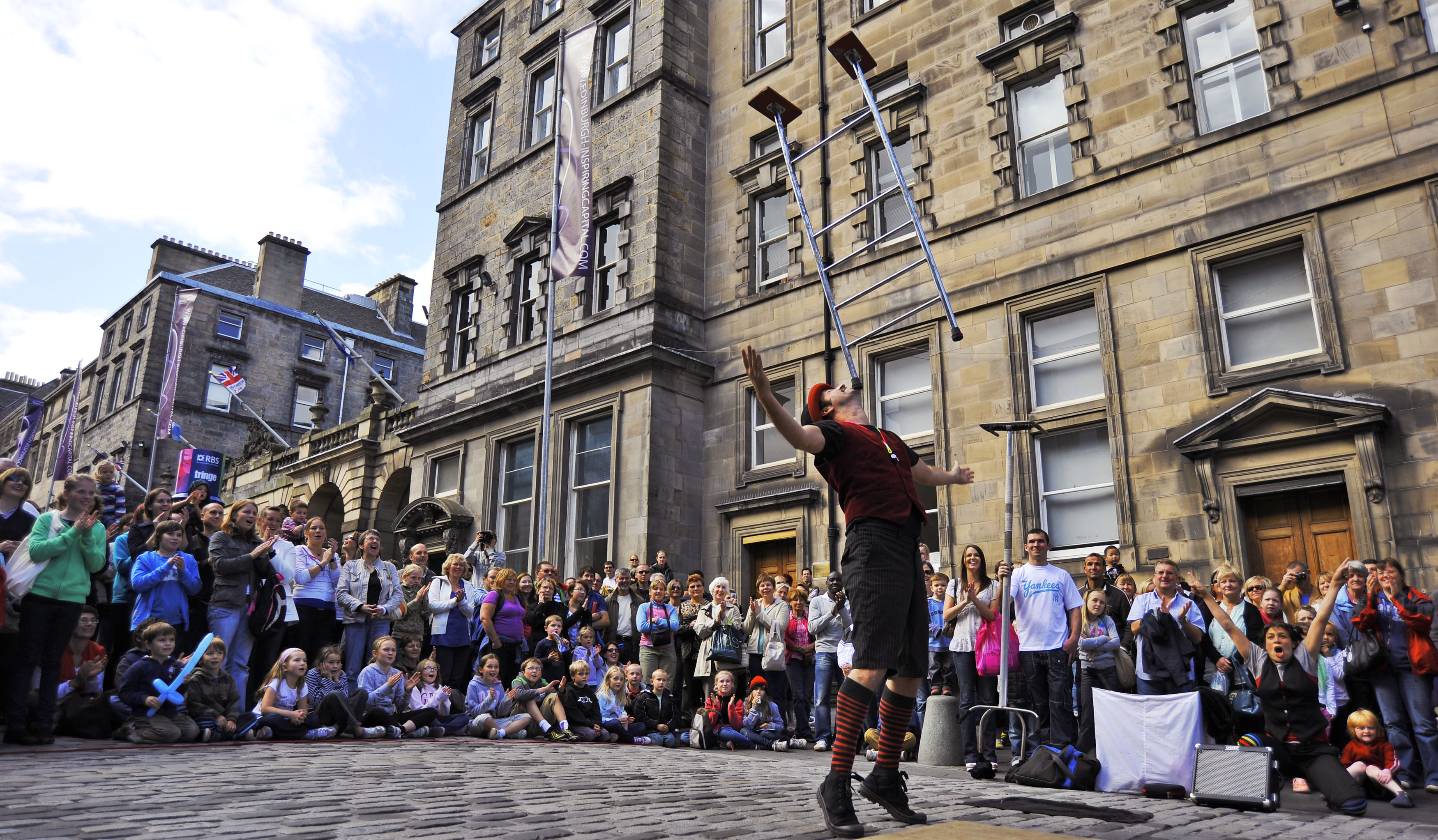
The Fringe features a wide range of performance venues, from large theatres to small pubs and clubs. Many of the venues are located in the Old Town area of Edinburgh, which provides a unique and atmospheric backdrop for the festival. The Royal Mile is a particularly popular area, with many venues and performers located along this historic street. The Fringe also includes a number of outdoor performances, such as street performances and public art installations. With its diverse range of venues and performances, the Fringe is a truly immersive experience, offering something for everyone. The festival's venues are also home to a number of food and drink outlets, providing visitors with a range of options to suit all tastes and budgets.
🌍 International Participation and Impact
The Fringe is a truly international festival, with performers and visitors from all over the world. The festival has a significant impact on the local economy, with many businesses benefiting from the influx of visitors. The Fringe also provides a platform for international performers to showcase their talents, with many using the festival as a springboard for their careers. The festival's international reputation has also inspired other fringe festivals around the globe, such as the Vancouver Fringe in Canada. With its global reach and influence, the Fringe is a major player in the world of arts and culture. The festival's impact is not limited to the arts, with many visitors also drawn to Edinburgh's rich history and culture.
🤝 Community Engagement and Outreach
The Fringe is committed to community engagement and outreach, with a number of initiatives aimed at promoting the festival and its performances to local residents. The festival also includes a number of free and low-cost events, making it accessible to a wide range of people. The Fringe has also partnered with a number of local organisations, such as the Edinburgh College of Art, to provide opportunities for students and emerging artists. With its commitment to community engagement, the Fringe is a festival that is truly embedded in the local community. The festival's outreach programmes are an important part of its mission, providing opportunities for people of all ages and backgrounds to engage with the arts.
📊 Economic Impact and Funding
The Fringe is a significant contributor to the local economy, with many businesses benefiting from the influx of visitors. The festival also receives funding from a number of sources, including the Scottish Government and the City of Edinburgh Council. The Fringe has also established a number of partnerships with local businesses, providing opportunities for sponsorship and advertising. With its significant economic impact, the Fringe is an important part of Edinburgh's cultural and economic landscape. The festival's funding model is a key part of its success, providing a stable financial foundation for the festival to grow and develop.
📈 Growth and Challenges
The Fringe has experienced significant growth in recent years, with more and more performers and visitors drawn to the festival. However, this growth has also presented a number of challenges, such as increased competition for venues and audiences. The Fringe has responded to these challenges by introducing a number of new initiatives, such as the Fringe Festival App, which provides visitors with a convenient way to navigate the festival and book tickets. With its commitment to innovation and development, the Fringe is well-placed to continue its growth and success in the years to come. The festival's growth is a testament to the power of artistic expression and the importance of providing a platform for new and innovative works.
🎉 Notable Performers and Shows
The Fringe has played host to a number of notable performers and shows over the years, including MONTY PYTHON and Rowan Atkinson. The festival has also been a launchpad for the careers of many famous performers, such as Emma Thompson and Hugh Laurie. With its unique and diverse programming, the Fringe is a platform for performers to showcase their talents and gain recognition. The festival's performers are a key part of its success, providing visitors with a wide range of entertainment options. The Fringe has also been a platform for new and innovative works, with many performers using the festival to showcase their talents and gain recognition.
📚 Critical Reception and Reviews
The Fringe has received widespread critical acclaim, with many reviewers praising the festival's diverse and innovative programming. The festival has also been recognised for its contribution to the arts, with many awards and nominations received over the years. The The Scotsman newspaper has been a long-time supporter of the Fringe, providing extensive coverage of the festival and its performances. With its critical reception and recognition, the Fringe is a festival that is truly respected and admired. The festival's reviews are an important part of its success, providing visitors with a guide to the best performances and events.
👏 Awards and Recognition
The Fringe has received a number of awards and nominations over the years, including the The Queen's Award for Enterprise. The festival has also been recognised for its contribution to the arts, with many awards and nominations received from organisations such as the British Comedy Awards. With its awards and recognition, the Fringe is a festival that is truly respected and admired. The festival's awards are a testament to its success and its importance in the world of arts and culture.
🔮 Future Developments and Innovations
The Fringe is committed to innovation and development, with a number of new initiatives and projects in the pipeline. The festival is also exploring new ways to engage with audiences, such as through the use of social media and digital technology. With its commitment to innovation and development, the Fringe is well-placed to continue its growth and success in the years to come. The festival's future is bright, with many exciting developments and innovations on the horizon.
Key Facts
- Year
- 1947
- Origin
- Edinburgh, Scotland
- Category
- Arts and Culture
- Type
- Festival
Frequently Asked Questions
What is the Edinburgh Festival Fringe?
The Edinburgh Festival Fringe is the largest arts festival in the world, featuring a wide range of performances, including theatre, comedy, music, and dance. The festival takes place over 25 days in August and is held in various venues across Edinburgh. The Fringe is a platform for new and innovative works, with many performers using the festival to showcase their talents and gain recognition.
When and where does the Fringe take place?
The Fringe takes place over 25 days in August and is held in various venues across Edinburgh. The festival is structured around a number of different programmes, including the British Comedy Awards and the Total Theatre Awards.
What kind of performances can I expect to see at the Fringe?
The Fringe features a wide range of performances, including theatre, comedy, music, and dance. The festival also includes a number of workshops and masterclasses, providing opportunities for performers to develop their skills and learn from industry professionals.
How can I get tickets for the Fringe?
Tickets for the Fringe can be booked online or in person at the festival's box office. The festival's programme is available online, making it easy for visitors to plan their trip and book tickets for their favourite shows.
What is the economic impact of the Fringe?
The Fringe is a significant contributor to the local economy, with many businesses benefiting from the influx of visitors. The festival also receives funding from a number of sources, including the Scottish Government and the City of Edinburgh Council.
What is the future of the Fringe?
The Fringe is committed to innovation and development, with a number of new initiatives and projects in the pipeline. The festival is also exploring new ways to engage with audiences, such as through the use of social media and digital technology.
How can I get involved in the Fringe?
There are many ways to get involved in the Fringe, including performing, volunteering, and sponsoring. The festival also includes a number of workshops and masterclasses, providing opportunities for performers to develop their skills and learn from industry professionals.