
Contents
- 🌎 Introduction to Sustainable Economics
- 💰 The Cost of Unsustainability
- 📈 Economic Benefits of Sustainability
- 🌟 Renewable Energy and Sustainable Development
- 🚮 Waste Management and the Circular Economy
- 🌿 Sustainable Agriculture and Food Systems
- 🏙️ Urban Planning and Sustainable Cities
- 📊 Measuring Sustainability: Indicators and Metrics
- 🤝 International Cooperation and Sustainable Development
- 🚀 The Future of Sustainable Economics
- 📚 Conclusion: The Economics of Sustainability in Practice
- Frequently Asked Questions
- Related Topics
Overview
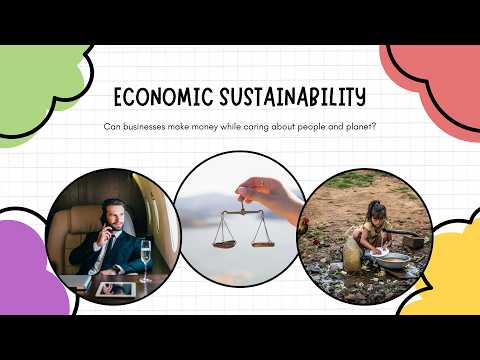
The economics of sustainability is a rapidly evolving field that seeks to balance economic growth with environmental stewardship. As of 2022, the global sustainable economy market is projected to reach $12.8 trillion by 2028, growing at a CAGR of 10.3% (Source: ResearchAndMarkets). However, critics argue that this growth may come at the cost of increased resource extraction and carbon emissions, with the World Economic Forum estimating that the global economy is currently using 1.7 times the resources that the planet can sustainably provide. Proponents of sustainable economics, such as Kate Raworth and Tim Jackson, argue that a circular economy and degrowth strategies can help reduce waste and pollution while promoting social equity. Despite these efforts, the controversy surrounding sustainable economics persists, with some arguing that it is a form of 'greenwashing' that allows companies to appear environmentally friendly while continuing to prioritize profits. As the world grapples with the challenges of climate change, the economics of sustainability will play a critical role in shaping the future of our planet, with key entities such as the United Nations Environment Programme and the World Business Council for Sustainable Development influencing the development of sustainable economic policies.
🌎 Introduction to Sustainable Economics
The economics of sustainability is a vital field of study that explores the intersection of economic development and environmental protection. As the world grapples with the challenges of climate change, biodiversity loss, and resource depletion, sustainable economics offers a framework for achieving economic growth while minimizing harm to the environment. The concept of sustainable development was first introduced in the 1980s and has since become a cornerstone of international development policy. According to the United Nations, sustainable development is 'meeting the needs of the present without compromising the ability of future generations to meet their own needs.' The economics of sustainability is closely related to environmental economics, which studies the economic impact of environmental policies and the economic value of natural resources.
💰 The Cost of Unsustainability
The cost of unsustainability is staggering, with estimates suggesting that environmental degradation and resource depletion are costing the global economy trillions of dollars each year. The World Health Organization estimates that air pollution alone is responsible for over 7 million premature deaths annually, resulting in significant economic losses. Furthermore, the economic costs of climate change are projected to be catastrophic, with some estimates suggesting that the global economy could shrink by up to 11% by 2100 if left unchecked. In contrast, investing in sustainable infrastructure and renewable energy can create jobs, stimulate economic growth, and reduce greenhouse gas emissions. Companies like Tesla and Vestas are already leading the way in the transition to a low-carbon economy, and governments are beginning to take notice. The European Union, for example, has set ambitious targets to reduce greenhouse gas emissions and increase the use of renewable energy.
📈 Economic Benefits of Sustainability
The economic benefits of sustainability are numerous and well-documented. A study by the International Renewable Energy Agency found that the renewable energy sector could support up to 24 million jobs globally by 2030, up from 11 million in 2018. Additionally, sustainable practices can help companies reduce costs, improve efficiency, and enhance their brand reputation. The Dow Jones Sustainability Index is one example of a financial metric that tracks the performance of sustainable companies. Furthermore, sustainable agriculture and forestry practices can help to preserve biodiversity, protect ecosystems, and support rural development. The Food and Agriculture Organization of the United Nations estimates that sustainable agriculture practices can increase crop yields by up to 20% while reducing the environmental impact of farming.
🌟 Renewable Energy and Sustainable Development
Renewable energy is a critical component of sustainable development, and the cost of renewable energy technologies like solar and wind power is decreasing rapidly. The National Renewable Energy Laboratory estimates that the cost of solar energy has fallen by over 70% in the last decade, making it more competitive with fossil fuels. Companies like SunPower and Siemens Gamesa are leading the way in the development of renewable energy technologies, and governments are implementing policies to support the transition to a low-carbon economy. The Paris Agreement, for example, sets a global goal to limit warming to well below 2°C and pursue efforts to limit it to 1.5°C above pre-industrial levels. The International Energy Agency estimates that the world will need to invest over $1 trillion annually in clean energy technologies to meet the goals of the Paris Agreement.
🚮 Waste Management and the Circular Economy
Waste management is another critical aspect of sustainable development, and the concept of the circular economy is gaining traction. The Ellen MacArthur Foundation estimates that the circular economy could generate over $1 trillion in economic benefits by 2025, while reducing waste and greenhouse gas emissions. Companies like H&M and Patagonia are already implementing circular economy practices, such as clothing take-back programs and recycling initiatives. Furthermore, sustainable waste management practices can help to reduce the environmental impact of waste disposal, while also creating jobs and stimulating economic growth. The World Business Council for Sustainable Development estimates that the waste management sector could support up to 10 million jobs globally by 2030.
🌿 Sustainable Agriculture and Food Systems
Sustainable agriculture and food systems are essential for ensuring global food security, while also protecting the environment. The Food and Agriculture Organization of the United Nations estimates that the global population will reach 9.7 billion by 2050, putting pressure on the world's food systems. Sustainable agriculture practices like organic farming and permaculture can help to increase crop yields, improve soil health, and reduce the environmental impact of farming. Companies like Whole Foods and Mcdonald's are already investing in sustainable agriculture practices, while governments are implementing policies to support sustainable agriculture. The United States Department of Agriculture, for example, has launched initiatives to support organic farming and reduce the use of antibiotics in agriculture.
🏙️ Urban Planning and Sustainable Cities
Urban planning and sustainable cities are critical for reducing the environmental impact of urbanization. The United Nations estimates that over 60% of the world's population will live in cities by 2030, putting pressure on urban infrastructure and services. Sustainable urban planning practices like green infrastructure and smart cities can help to reduce energy consumption, improve air quality, and enhance the quality of life for urban residents. Companies like Siemens and Cisco are already investing in smart city technologies, while governments are implementing policies to support sustainable urban development. The City of Copenhagen, for example, has set ambitious targets to become carbon neutral by 2025.
📊 Measuring Sustainability: Indicators and Metrics
Measuring sustainability is critical for tracking progress and identifying areas for improvement. The United Nations has developed a set of Sustainable Development Goals (SDGs) that provide a framework for measuring sustainability. The SDGs include goals like SDG 7 (affordable and clean energy), SDG 12 (responsible consumption and production), and SDG 13 (climate action). Companies like Dow and DuPont are already using the SDGs to guide their sustainability reporting and goal-setting. Furthermore, metrics like the Global Reporting Initiative (GRI) and the Carbon Disclosure Project (CDP) provide a framework for companies to report on their sustainability performance.
🤝 International Cooperation and Sustainable Development
International cooperation is essential for addressing the global challenges of sustainability. The Paris Agreement is one example of an international agreement that aims to address the global challenge of climate change. The United Nations has also launched initiatives like the Sustainable Development Goals (SDGs) and the UN Environment programme to support international cooperation on sustainability. Companies like Unilever and Nestle are already partnering with governments and NGOs to support sustainable development. The World Economic Forum, for example, has launched initiatives to support sustainable development and reduce the environmental impact of business operations.
🚀 The Future of Sustainable Economics
The future of sustainable economics is exciting and rapidly evolving. The World Economic Forum estimates that the global economy could be transformed by technologies like artificial intelligence, blockchain, and the Internet of Things. Companies like Google and Microsoft are already investing in sustainable technologies, while governments are implementing policies to support the transition to a low-carbon economy. The European Union, for example, has launched initiatives to support the development of sustainable technologies and reduce greenhouse gas emissions. As the world continues to grapple with the challenges of sustainability, one thing is clear: the economics of sustainability will play a critical role in shaping the future of our planet.
📚 Conclusion: The Economics of Sustainability in Practice
In conclusion, the economics of sustainability is a vital field of study that offers a framework for achieving economic growth while minimizing harm to the environment. As the world continues to grapple with the challenges of climate change, biodiversity loss, and resource depletion, sustainable economics provides a roadmap for a more sustainable future. Companies like Tesla and Vestas are already leading the way in the transition to a low-carbon economy, and governments are implementing policies to support sustainable development. The United Nations has launched initiatives like the Sustainable Development Goals (SDGs) to provide a framework for measuring sustainability and tracking progress. As we look to the future, one thing is clear: the economics of sustainability will play a critical role in shaping the future of our planet.
Key Facts
- Year
- 2022
- Origin
- Vibepedia
- Category
- Environmental Economics
- Type
- Concept
Frequently Asked Questions
What is the economics of sustainability?
The economics of sustainability is a field of study that explores the intersection of economic development and environmental protection. It provides a framework for achieving economic growth while minimizing harm to the environment. The economics of sustainability is closely related to environmental economics, which studies the economic impact of environmental policies and the economic value of natural resources. Companies like Tesla and Vestas are already leading the way in the transition to a low-carbon economy, and governments are implementing policies to support sustainable development.
What are the benefits of sustainable economics?
The benefits of sustainable economics are numerous and well-documented. Sustainable practices can help companies reduce costs, improve efficiency, and enhance their brand reputation. The Dow Jones Sustainability Index is one example of a financial metric that tracks the performance of sustainable companies. Furthermore, sustainable agriculture and forestry practices can help to preserve biodiversity, protect ecosystems, and support rural development. The Food and Agriculture Organization of the United Nations estimates that sustainable agriculture practices can increase crop yields by up to 20% while reducing the environmental impact of farming.
What is the role of renewable energy in sustainable development?
Renewable energy is a critical component of sustainable development, and the cost of renewable energy technologies like solar and wind power is decreasing rapidly. The National Renewable Energy Laboratory estimates that the cost of solar energy has fallen by over 70% in the last decade, making it more competitive with fossil fuels. Companies like SunPower and Siemens Gamesa are leading the way in the development of renewable energy technologies, and governments are implementing policies to support the transition to a low-carbon economy.
What is the circular economy?
The circular economy is a concept that aims to reduce waste and the consumption of resources by promoting the reuse and recycling of products. The Ellen MacArthur Foundation estimates that the circular economy could generate over $1 trillion in economic benefits by 2025, while reducing waste and greenhouse gas emissions. Companies like H&M and Patagonia are already implementing circular economy practices, such as clothing take-back programs and recycling initiatives.
How can sustainable agriculture practices help to reduce the environmental impact of farming?
Sustainable agriculture practices like organic farming and permaculture can help to increase crop yields, improve soil health, and reduce the environmental impact of farming. The Food and Agriculture Organization of the United Nations estimates that sustainable agriculture practices can increase crop yields by up to 20% while reducing the environmental impact of farming. Companies like Whole Foods and Mcdonald's are already investing in sustainable agriculture practices, while governments are implementing policies to support sustainable agriculture.
What is the role of international cooperation in addressing the global challenges of sustainability?
International cooperation is essential for addressing the global challenges of sustainability. The Paris Agreement is one example of an international agreement that aims to address the global challenge of climate change. The United Nations has also launched initiatives like the Sustainable Development Goals (SDGs) and the UN Environment programme to support international cooperation on sustainability. Companies like Unilever and Nestle are already partnering with governments and NGOs to support sustainable development.
What is the future of sustainable economics?
The future of sustainable economics is exciting and rapidly evolving. The World Economic Forum estimates that the global economy could be transformed by technologies like artificial intelligence, blockchain, and the Internet of Things. Companies like Google and Microsoft are already investing in sustainable technologies, while governments are implementing policies to support the transition to a low-carbon economy.