
Contents
- 📊 Introduction to Economic Forecasting
- 📈 The Importance of Forecasting in Economic Analysis
- 📊 Types of Economic Forecasts
- 📁 Institutions Involved in Economic Forecasting
- 📊 Methods and Techniques of Economic Forecasting
- 📈 Challenges and Limitations of Economic Forecasting
- 📊 Applications of Economic Forecasting
- 📊 The Role of Technology in Economic Forecasting
- 📊 Case Studies of Successful Economic Forecasting
- 📊 Future Directions in Economic Forecasting
- 📊 Conclusion
- Frequently Asked Questions
- Related Topics
Overview
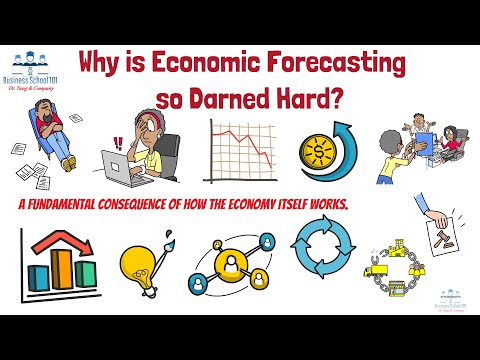
Economic forecasting is the process of making predictions about the economy, which can be made at a high level of aggregation—for example, for Gross Domestic Product, Inflation Rate, Unemployment Rate, or the Fiscal Deficit. Forecasts can also be made at a more disaggregated level, targeting specific economic sectors or even individual firms, such as Industry Analysis and Company Valuation. This practice is a fundamental part of economic analysis, providing a measure of a potential investment's future prospects and helping shape policy decisions, as seen in Monetary Policy and Fiscal Policy. Many institutions engage in economic forecasting, including national governments, banks and central banks, consultants and private sector entities such as Think Tanks, and companies or international organizations such as the International Monetary Fund, World Bank, and the Organisation for Economic Co-operation and Development. A broad range of forecasts are collected and compiled by Consensus Economics.
📈 The Importance of Forecasting in Economic Analysis
The importance of forecasting in economic analysis cannot be overstated, as it provides a framework for understanding the potential risks and opportunities associated with a particular investment or policy decision. By analyzing historical data and trends, economists can identify patterns and relationships that can inform their forecasts, such as the relationship between Interest Rates and Inflation Rate. For example, the Phillips Curve shows the inverse relationship between unemployment and inflation. Additionally, forecasts can be used to evaluate the potential impact of different policy scenarios, such as the effects of Taxation on economic growth. This is particularly important for policymakers, who must make decisions about how to allocate resources and prioritize different policy objectives, such as Economic Growth and Poverty Reduction.
📊 Types of Economic Forecasts
There are several types of economic forecasts, including short-term, medium-term, and long-term forecasts. Short-term forecasts typically focus on the near future, such as the next quarter or year, and are often used to inform business decisions, such as Inventory Management and Supply Chain Management. Medium-term forecasts look further ahead, typically 2-5 years, and are often used to inform investment decisions, such as Portfolio Management and Asset Allocation. Long-term forecasts look even further ahead, typically 5-10 years or more, and are often used to inform strategic planning decisions, such as Corporate Strategy and Innovation Management. Each type of forecast has its own unique challenges and requirements, and economists must carefully consider the strengths and limitations of different forecasting methods, such as Time Series Analysis and Econometric Modeling.
📁 Institutions Involved in Economic Forecasting
Many institutions are involved in economic forecasting, including national governments, banks and central banks, consultants and private sector entities such as think-tanks, and companies or international organizations such as the International Monetary Fund, World Bank, and the OECD. These institutions use a variety of methods and techniques to produce their forecasts, including Macroeconomic Modeling, Microeconomic Analysis, and Data Analytics. For example, the Federal Reserve uses a combination of macroeconomic models and data analysis to inform its monetary policy decisions. Additionally, many institutions participate in regular forecasting exercises, such as the Consensus Forecast, which provides a comprehensive picture of the economic outlook. These forecasts are often used to inform policy decisions and business strategy, and are closely watched by investors, policymakers, and other stakeholders, such as Central Banks and Financial Institutions.
📊 Methods and Techniques of Economic Forecasting
Economic forecasting is a complex and challenging task, and there are many methods and techniques that economists use to produce their forecasts. Some common methods include Time Series Analysis, Econometric Modeling, and Scenario Planning. Each of these methods has its own strengths and limitations, and economists must carefully consider the trade-offs between different approaches. For example, time series analysis can be useful for identifying patterns and trends in historical data, but may not be effective for forecasting rare events or structural changes, such as Black Swan Events. On the other hand, econometric modeling can be useful for capturing complex relationships between different economic variables, but may require large amounts of data and computational power, such as High Performance Computing.
📈 Challenges and Limitations of Economic Forecasting
Despite the importance of economic forecasting, there are many challenges and limitations to this practice. One of the main challenges is the inherent uncertainty of economic systems, which can make it difficult to predict future outcomes with accuracy. Additionally, economic forecasts are often sensitive to small changes in assumptions or data, which can have a large impact on the results. Furthermore, there are many potential biases and errors that can affect economic forecasts, such as Confirmation Bias and Sampling Bias. To address these challenges, economists must be careful to use robust and reliable methods, and to clearly communicate the limitations and uncertainties of their forecasts, such as Sensitivity Analysis and Scenario Analysis.
📊 Applications of Economic Forecasting
Economic forecasting has many practical applications, including informing business decisions, such as Investment Decisions and Strategic Planning. For example, companies use economic forecasts to inform their investment decisions, such as Capital Budgeting and Project Evaluation. Additionally, policymakers use economic forecasts to inform their decisions about taxation, spending, and regulation, such as Fiscal Policy and Monetary Policy. Economic forecasts can also be used to evaluate the potential impact of different policy scenarios, such as the effects of Trade Policy on economic growth. By providing a framework for understanding the potential risks and opportunities associated with different economic outcomes, economic forecasts can help businesses and policymakers make more informed decisions, such as Risk Management and Opportunity Identification.
📊 The Role of Technology in Economic Forecasting
The role of technology in economic forecasting is becoming increasingly important, as advances in data analytics and machine learning are enabling economists to analyze large amounts of data and identify complex patterns and relationships. For example, Machine Learning algorithms can be used to identify patterns in large datasets, such as Big Data, and to make predictions about future economic outcomes. Additionally, Cloud Computing and High Performance Computing are enabling economists to process large amounts of data quickly and efficiently, such as Data Mining and Text Analysis. However, there are also potential risks and challenges associated with the use of technology in economic forecasting, such as Data Quality and Model Risk. To address these challenges, economists must be careful to use robust and reliable methods, and to clearly communicate the limitations and uncertainties of their forecasts, such as Model Validation and Forecast Evaluation.
📊 Case Studies of Successful Economic Forecasting
There have been many successful examples of economic forecasting in recent years, including the use of Nowcasting to predict economic outcomes in real-time. For example, the Federal Reserve has used nowcasting to inform its monetary policy decisions, such as Interest Rate Setting. Additionally, companies such as Google and Amazon have used economic forecasting to inform their business decisions, such as Investment Decisions and Strategic Planning. These examples demonstrate the potential benefits of economic forecasting, including improved decision-making and more effective resource allocation, such as Resource Allocation and Portfolio Optimization.
📊 Future Directions in Economic Forecasting
As the field of economic forecasting continues to evolve, there are many potential future directions for research and development. One area of focus is the development of new methods and techniques for analyzing and forecasting economic data, such as Artificial Intelligence and Deep Learning. Another area of focus is the integration of economic forecasting with other fields, such as Finance and Management. Additionally, there is a growing need for more accurate and reliable economic forecasts, particularly in the context of Globalization and Climate Change. To address these challenges, economists must be willing to experiment with new approaches and to collaborate with other experts, such as Data Scientists and Business Analysts.
📊 Conclusion
In conclusion, economic forecasting is a complex and challenging task that requires careful consideration of many different factors and uncertainties. Despite the challenges, economic forecasting is a crucial tool for informing business decisions and policy decisions, and has many practical applications. As the field continues to evolve, there are many potential future directions for research and development, including the development of new methods and techniques for analyzing and forecasting economic data. By providing a framework for understanding the potential risks and opportunities associated with different economic outcomes, economic forecasts can help businesses and policymakers make more informed decisions, such as Risk Management and Opportunity Identification.
Key Facts
- Year
- 2022
- Origin
- Vibepedia.wiki
- Category
- Economics
- Type
- Concept
Frequently Asked Questions
What is economic forecasting?
Economic forecasting is the process of making predictions about the economy, which can be made at a high level of aggregation—for example, for GDP, inflation, unemployment, or the fiscal deficit. Forecasts can also be made at a more disaggregated level, targeting specific economic sectors or even individual firms. This practice is a fundamental part of economic analysis, providing a measure of a potential investment's future prospects and helping shape policy decisions, such as Monetary Policy and Fiscal Policy.
What are the different types of economic forecasts?
There are several types of economic forecasts, including short-term, medium-term, and long-term forecasts. Short-term forecasts typically focus on the near future, such as the next quarter or year, and are often used to inform business decisions, such as Inventory Management and Supply Chain Management. Medium-term forecasts look further ahead, typically 2-5 years, and are often used to inform investment decisions, such as Portfolio Management and Asset Allocation. Long-term forecasts look even further ahead, typically 5-10 years or more, and are often used to inform strategic planning decisions, such as Corporate Strategy and Innovation Management.
What are the challenges and limitations of economic forecasting?
Despite the importance of economic forecasting, there are many challenges and limitations to this practice. One of the main challenges is the inherent uncertainty of economic systems, which can make it difficult to predict future outcomes with accuracy. Additionally, economic forecasts are often sensitive to small changes in assumptions or data, which can have a large impact on the results. Furthermore, there are many potential biases and errors that can affect economic forecasts, such as Confirmation Bias and Sampling Bias. To address these challenges, economists must be careful to use robust and reliable methods, and to clearly communicate the limitations and uncertainties of their forecasts, such as Sensitivity Analysis and Scenario Analysis.
What is the role of technology in economic forecasting?
The role of technology in economic forecasting is becoming increasingly important, as advances in data analytics and machine learning are enabling economists to analyze large amounts of data and identify complex patterns and relationships. For example, Machine Learning algorithms can be used to identify patterns in large datasets, such as Big Data, and to make predictions about future economic outcomes. Additionally, Cloud Computing and High Performance Computing are enabling economists to process large amounts of data quickly and efficiently, such as Data Mining and Text Analysis. However, there are also potential risks and challenges associated with the use of technology in economic forecasting, such as Data Quality and Model Risk.
What are the applications of economic forecasting?
Economic forecasting has many practical applications, including informing business decisions, such as Investment Decisions and Strategic Planning. For example, companies use economic forecasts to inform their investment decisions, such as Capital Budgeting and Project Evaluation. Additionally, policymakers use economic forecasts to inform their decisions about taxation, spending, and regulation, such as Fiscal Policy and Monetary Policy. Economic forecasts can also be used to evaluate the potential impact of different policy scenarios, such as the effects of Trade Policy on economic growth.