
Contents
Overview
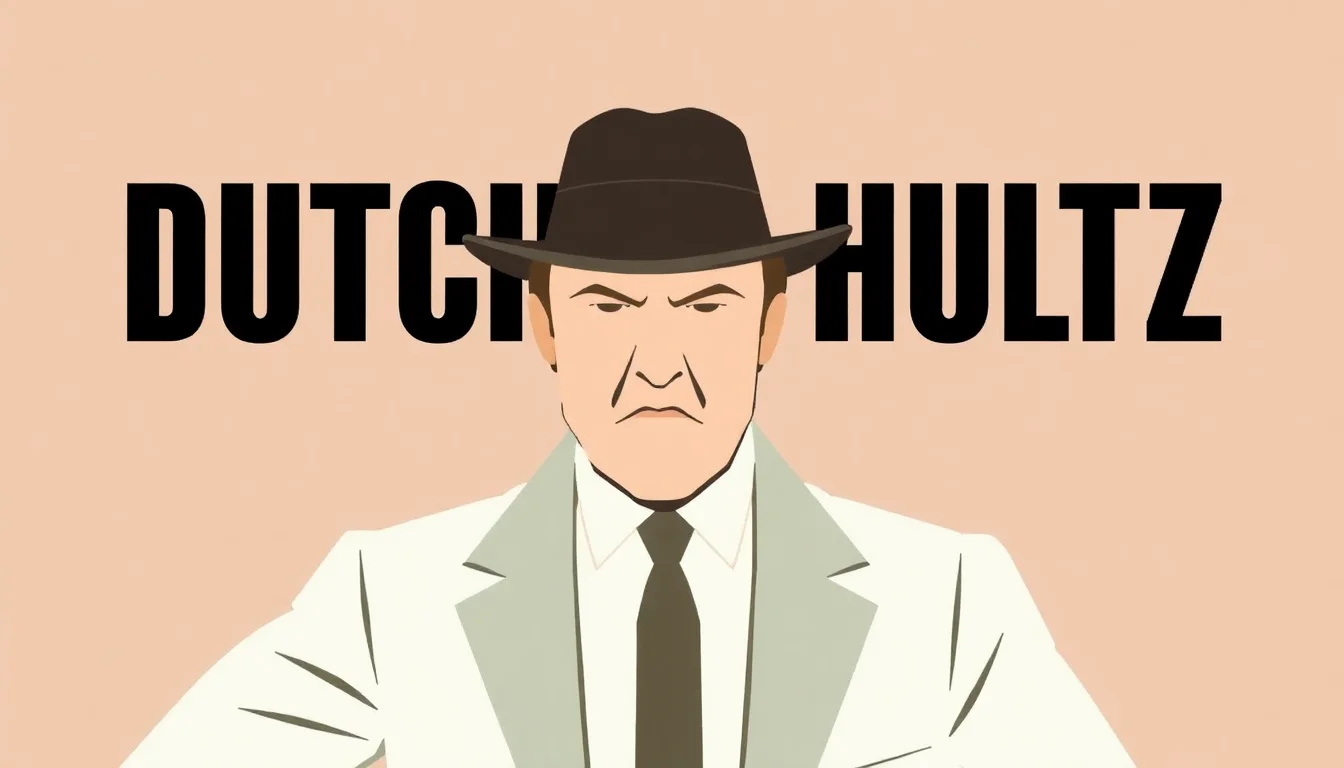
Dutch Schultz, born Arthur Flegenheimer on August 6, 1902, was a notorious American gangster who rose to prominence during the Prohibition era. With a Vibe score of 82, Schultz's life was marked by violence, bootlegging, and a ruthless pursuit of power. His gang, which included notable figures like Otto Berman and Abe Landau, controlled a significant portion of the New York City bootlegging trade. However, Schultz's reign was cut short when he was shot and killed on October 23, 1935, in a infamous hit orchestrated by the National Crime Syndicate. The controversy surrounding his death, with some speculating that Charles 'Lucky' Luciano was involved, has endured for decades. As a key figure in the history of organized crime, Dutch Schultz's legacy continues to fascinate and influence popular culture, with his story inspiring numerous films, books, and documentaries.
👊 Introduction to Dutch Schultz
Dutch Schultz, born Arthur Simon Flegenheimer on August 6, 1902, was a notorious American gangster who rose to prominence during the Prohibition era. His life was marked by violence, crime, and a ruthless pursuit of power. Schultz's early life was shaped by his experiences on the streets of New York City, where he quickly learned to rely on his wits and fists to survive. He began his career as a small-time hoodlum, running with local gangs and engaging in petty crime. As he gained notoriety, Schultz caught the attention of Lucky Luciano, a powerful Italian-American gangster who would become a key figure in his life.
🔫 Early Life and Career
Schultz's early life was marked by poverty and instability. His family moved frequently, and he was often forced to rely on his own resources to get by. Despite these challenges, Schultz demonstrated a natural aptitude for business and a keen sense of strategy. He quickly rose through the ranks of the local gangs, earning a reputation as a fierce and cunning fighter. Schultz's association with Owney Madden, a prominent gangster and owner of the Cotton Club, further solidified his position in the underworld. As he gained power and influence, Schultz began to expand his operations, investing in bootlegging and other illicit activities.
💸 Rise to Power
Schultz's rise to power was swift and brutal. He eliminated his rivals, often through violent means, and consolidated his control over the local gangs. His reputation as a ruthless and cunning gangster spread, earning him the respect and fear of his peers. Schultz's financial empire grew rapidly, as he invested in real estate, gambling, and other ventures. He became known for his lavish spending and extravagant lifestyle, often flaunting his wealth in public. Despite his success, Schultz remained wary of the law, using his connections and influence to stay one step ahead of the authorities. He was particularly close to Dixie Davis, his lawyer and confidant, who helped him navigate the complex web of underworld politics.
🚫 The Murder of Vincent Coll
The murder of Vincent Coll, a rival gangster, marked a turning point in Schultz's career. Coll, also known as the 'Mad Dog,' had been a thorn in Schultz's side for years, and their feud had been escalating for months. The killing, which was carried out by Schultz's associates, sparked a wave of violence and retaliation. Schultz's actions had far-reaching consequences, drawing the attention of the authorities and sparking a gang war that would ultimately lead to his downfall. As the violence escalated, Schultz found himself at odds with other powerful gangsters, including Charles Luciano and Meyer Lansky.
👮 The Law Catches Up
As the law closed in, Schultz became increasingly desperate and isolated. He was pursued by the authorities, who were determined to bring him to justice. Schultz's world began to unravel, as his associates turned against him and his empire crumbled. Despite his efforts to evade capture, Schultz was eventually cornered by the police and forced to go into hiding. His relationship with Joan Flegenheimer, his wife, suffered as a result of his actions, and he became increasingly paranoid and withdrawn. Schultz's mental state deteriorated, and he became convinced that he was being targeted by his enemies.
💔 Personal Life and Relationships
Schultz's personal life was marked by turmoil and tragedy. His relationship with his wife, Joan, was strained, and he was often absent or distant. Despite his wealth and influence, Schultz struggled with personal demons, including a deep-seated insecurity and a fear of abandonment. His associations with other women, including Martha Nelson, further complicated his personal life. Schultz's family, including his mother and father, were often drawn into his conflicts, and they suffered as a result of his actions. As his empire crumbled, Schultz's personal life began to fall apart, and he was left alone to face the consequences of his actions.
📊 Financial Empire
Schultz's financial empire was built on a foundation of crime and corruption. He invested in a range of illicit activities, from bootlegging to gambling, and he used his influence and connections to protect his interests. Schultz's wealth and power were staggering, and he lived a life of luxury and excess. However, his empire was also fragile and vulnerable to attack. As the authorities closed in, Schultz's financial empire began to crumble, and he was forced to go into hiding. His associates, including Abraham Landau, were left to pick up the pieces and try to salvage what was left of his empire.
🔴 The Infamous Gang War
The infamous gang war that erupted in the 1930s was a direct result of Schultz's actions. His killing of Vincent Coll had sparked a wave of violence and retaliation, and the streets of New York City became a battleground. Schultz's enemies, including Charles Luciano and Meyer Lansky, sought to destroy him, and he was forced to fight for his life. The gang war was marked by brutal violence and bloodshed, and it ultimately led to Schultz's downfall. As the violence escalated, Schultz found himself at odds with other powerful gangsters, including Bugsy Siegel and Albert Anastasia.
💀 The Death of Dutch Schultz
The death of Dutch Schultz on October 24, 1935, marked the end of an era. He was shot and killed by a group of assassins, who were hired by his enemies. Schultz's death was a result of his own actions, and it was a fitting end to a life marked by violence and crime. Despite his notorious reputation, Schultz remains a fascinating figure, and his legacy continues to captivate and inspire. His story has been immortalized in film and literature, and he remains one of the most infamous gangsters in American history. Schultz's death also marked the beginning of a new era in organized crime, as Lucky Luciano and other powerful gangsters began to consolidate their power and influence.
👥 Legacy and Impact
Dutch Schultz's legacy is complex and multifaceted. He was a ruthless and cunning gangster, who rose to power through violence and intimidation. However, he was also a charismatic and fascinating figure, who captivated the public imagination. Schultz's story has been told and retold in film and literature, and he remains a cultural icon. His influence can be seen in the work of Martin Scorsese and other filmmakers, who have drawn inspiration from his life and legacy. Schultz's impact on American culture is undeniable, and he continues to fascinate and inspire new generations of fans and scholars. As a cultural figure, Schultz represents the darker aspects of the American dream, and his story serves as a cautionary tale about the dangers of ambition and greed.
📚 Cultural References
Dutch Schultz has been referenced and portrayed in a range of cultural works, including film, literature, and music. His story has been immortalized in films such as The Gangster and American Gangster, and he has been the subject of numerous books and articles. Schultz's legacy continues to inspire and fascinate, and he remains a cultural icon. His story has been referenced in the work of Jay-Z and other musicians, and he has been name-dropped in a range of cultural contexts. As a cultural figure, Schultz represents the power and allure of the gangster lifestyle, and his story continues to captivate and inspire new generations of fans and scholars.
Key Facts
- Year
- 1902
- Origin
- New York City, USA
- Category
- Biography, Crime
- Type
- Person
Frequently Asked Questions
Who was Dutch Schultz?
Dutch Schultz, born Arthur Simon Flegenheimer, was a notorious American gangster who rose to prominence during the Prohibition era. He was known for his ruthless and cunning tactics, and his legacy continues to fascinate and inspire. Schultz's life was marked by violence and crime, and he was ultimately killed by a group of assassins in 1935.
What was Dutch Schultz's role in the gang war of the 1930s?
Dutch Schultz was a key figure in the gang war of the 1930s, which was sparked by his killing of Vincent Coll. The gang war was marked by brutal violence and bloodshed, and it ultimately led to Schultz's downfall. Schultz's enemies, including Charles Luciano and Meyer Lansky, sought to destroy him, and he was forced to fight for his life.
Who killed Dutch Schultz?
Dutch Schultz was killed by a group of assassins, who were hired by his enemies. The killing was carried out on October 24, 1935, and it marked the end of an era. Schultz's death was a result of his own actions, and it was a fitting end to a life marked by violence and crime.
What was Dutch Schultz's relationship with Lucky Luciano?
Dutch Schultz had a complex and often tumultuous relationship with Lucky Luciano. Luciano was a powerful Italian-American gangster who had risen to prominence during the Prohibition era. Schultz and Luciano had a deep-seated respect for each other, but they also had a rivalry that would ultimately lead to Schultz's downfall. Luciano's influence and power were a major factor in Schultz's life, and their relationship had far-reaching consequences for the world of organized crime.
What is Dutch Schultz's legacy?
Dutch Schultz's legacy is complex and multifaceted. He was a ruthless and cunning gangster, who rose to power through violence and intimidation. However, he was also a charismatic and fascinating figure, who captivated the public imagination. Schultz's story has been told and retold in film and literature, and he remains a cultural icon. His influence can be seen in the work of Martin Scorsese and other filmmakers, who have drawn inspiration from his life and legacy.
How did Dutch Schultz's death affect the world of organized crime?
Dutch Schultz's death marked the beginning of a new era in organized crime. His killing created a power vacuum, and other gangsters, including Lucky Luciano and Meyer Lansky, began to consolidate their power and influence. The gang war that had been sparked by Schultz's actions ultimately led to a more organized and structured system of crime, with Luciano and other powerful gangsters at the helm. Schultz's death also marked the end of the Prohibition era, and the beginning of a new era of organized crime in America.
What is the cultural significance of Dutch Schultz's story?
Dutch Schultz's story has significant cultural importance, as it represents the darker aspects of the American dream. His rise to power and eventual downfall serve as a cautionary tale about the dangers of ambition and greed. Schultz's story has been referenced and portrayed in a range of cultural works, including film, literature, and music, and he remains a cultural icon. His legacy continues to fascinate and inspire new generations of fans and scholars, and his story serves as a reminder of the power and allure of the gangster lifestyle.