
Contents
Overview
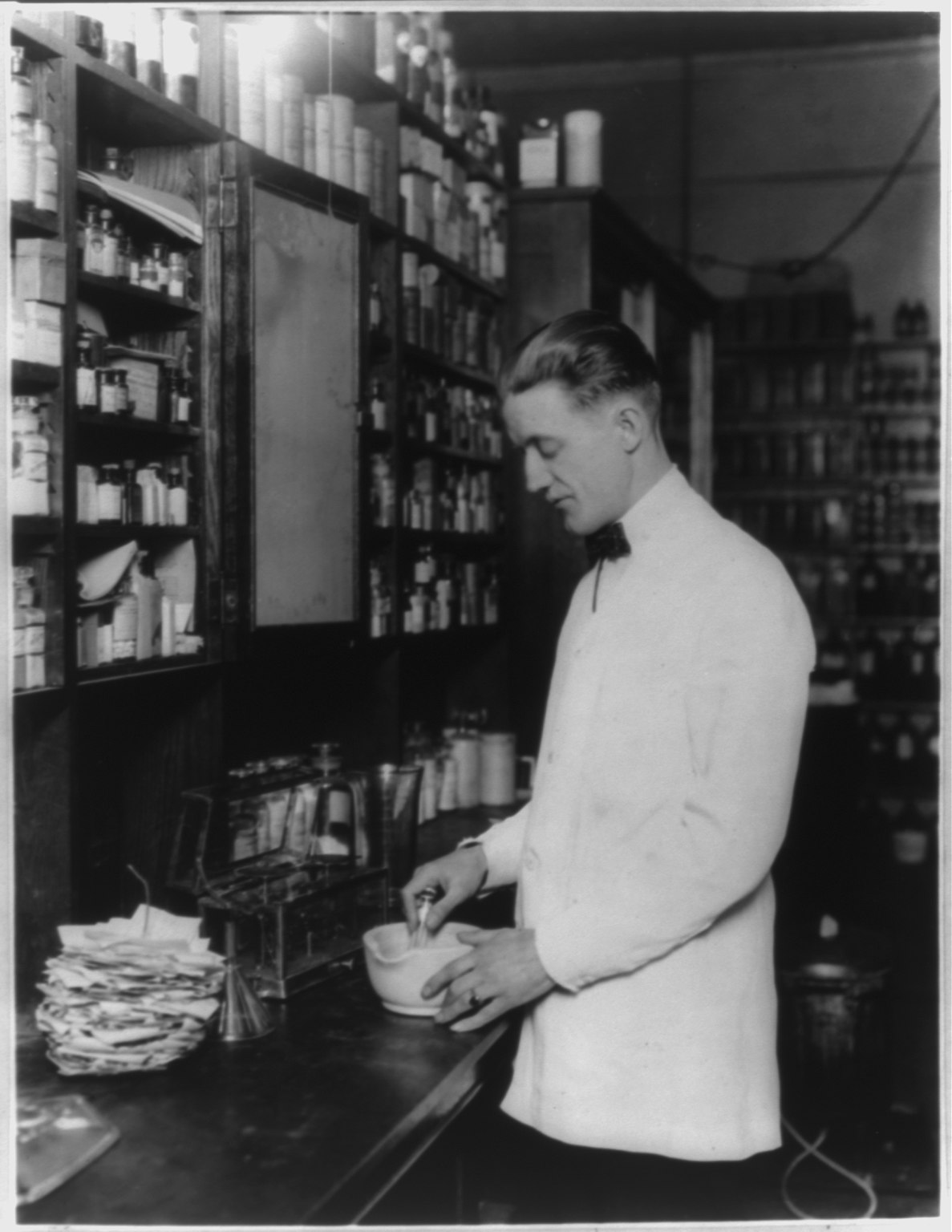
Drug compounding is a vital service provided by compounding pharmacies to create customized medications for patients with unique needs. According to the National Association of Boards of Pharmacy, this can include changing the form of a medication, such as from a tablet to a liquid, to make it easier for a patient to ingest. For example, Baxter International provides a range of compounding services, including sterile compounding, to meet the needs of patients. Compounding pharmacies, such as Wedgewood Pharmacy, work with prescribers to create patient-specific medications, taking into account the patient's medical history, allergies, and preferences.
⚙️ The Compounding Process
The compounding process involves a range of activities, from preparing medications for intravenous administration in hospital pharmacies to creating customized topical creams in outpatient pharmacies. The American Society of Health-System Pharmacists provides guidelines and resources for pharmacists involved in compounding. Companies like Sandoz and Pfizer also play a crucial role in providing the necessary ingredients and equipment for compounding pharmacies. Additionally, organizations like the Institute for Safe Medication Practices work to promote safe compounding practices.
🌎 Regulatory Framework
The regulatory framework for drug compounding is complex and involves multiple stakeholders, including the Food and Drug Administration (FDA), the National Institute of Standards and Technology (NIST), and the United States Pharmacopeia (USP). The FDA provides guidance on compounding practices, while the USP sets standards for the quality and purity of compounded medications. The National Association of Boards of Pharmacy also plays a crucial role in regulating compounding pharmacies and ensuring that they meet the necessary standards. Furthermore, the Centers for Disease Control and Prevention (CDC) provides guidance on infection control and prevention in compounding pharmacies.
🔮 Future of Compounding
The future of drug compounding is likely to be shaped by advances in technology, changes in regulatory frameworks, and evolving patient needs. Companies like Merck and Johnson & Johnson are investing in research and development to create new and innovative medications that can be customized for individual patients. Additionally, the rise of personalized medicine is driving demand for customized medications, and compounding pharmacies are well-positioned to meet this demand. The National Institutes of Health (NIH) is also conducting research on the use of compounding in personalized medicine, and the World Health Organization (WHO) is working to promote access to safe and effective medications worldwide.
Key Facts
- Year
- 2012
- Origin
- United States
- Category
- public-health
- Type
- concept
Frequently Asked Questions
What is drug compounding?
Drug compounding is the process of preparing custom medications to meet the specific needs of patients that cannot be met with mass-produced formulations. This can include changing the form of a medication, avoiding non-active ingredients, or providing an exact dose. According to the National Association of Boards of Pharmacy, compounding pharmacies work with prescribers to create patient-specific medications.
What are the benefits of drug compounding?
The benefits of drug compounding include providing customized medications that meet the unique needs of patients, improving patient outcomes, and increasing patient satisfaction. Companies like Baxter International and Sandoz provide a range of compounding services to meet the needs of patients. Additionally, organizations like the Institute for Safe Medication Practices work to promote safe compounding practices.
What are the regulatory requirements for drug compounding?
The regulatory requirements for drug compounding are complex and involve multiple stakeholders, including the Food and Drug Administration (FDA), the National Institute of Standards and Technology (NIST), and the United States Pharmacopeia (USP). The FDA provides guidance on compounding practices, while the USP sets standards for the quality and purity of compounded medications.
What is the future of drug compounding?
The future of drug compounding is likely to be shaped by advances in technology, changes in regulatory frameworks, and evolving patient needs. Companies like Merck and Johnson & Johnson are investing in research and development to create new and innovative medications that can be customized for individual patients. Additionally, the rise of personalized medicine is driving demand for customized medications, and compounding pharmacies are well-positioned to meet this demand.
How does drug compounding relate to personalized medicine?
Drug compounding is closely related to personalized medicine, as it involves creating customized medications that meet the unique needs of individual patients. The rise of personalized medicine is driving demand for customized medications, and compounding pharmacies are well-positioned to meet this demand. The National Institutes of Health (NIH) is also conducting research on the use of compounding in personalized medicine.