
Contents
- 🌿 Introduction to Drought-Tolerant Planting
- 🌸 Benefits of Drought-Tolerant Planting
- 🌻 Drought-Tolerant Plant Species
- 🌺 Soil Conservation and Preparation
- 💧 Water-Efficient Irrigation Systems
- 🌴 Climate-Resilient Landscaping
- 🏞️ Urban Planning and Drought-Tolerant Planting
- 📊 Economic Benefits of Drought-Tolerant Planting
- 🌟 Case Studies and Success Stories
- 🌈 Future of Drought-Tolerant Planting
- 🤝 Community Engagement and Education
- 🌱 Conclusion and Call to Action
- Frequently Asked Questions
- Related Topics
Overview
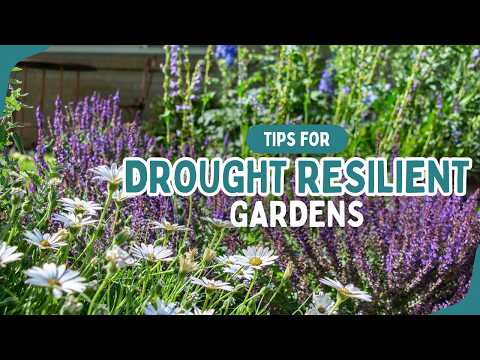
Drought-tolerant planting is a critical strategy for mitigating the impacts of climate change, with the global drought-tolerant plant market projected to reach $1.4 billion by 2025. This approach to gardening and landscaping involves selecting plant species that can thrive in low-water conditions, reducing the need for irrigation and minimizing water waste. According to a study by the University of California, drought-tolerant plants can reduce water consumption by up to 70%. However, the implementation of drought-tolerant planting is not without its challenges, including the need for careful plant selection, soil preparation, and maintenance. As the world grapples with the challenges of climate change, drought-tolerant planting is poised to play a vital role in creating more resilient and sustainable landscapes. With the support of organizations like the National Drought Mitigation Center, which provides resources and guidance for drought-tolerant planting, individuals and communities can take action to reduce their water footprint and promote environmental sustainability.
🌿 Introduction to Drought-Tolerant Planting
Drought-tolerant planting is an essential aspect of Environmental Sustainability, as it helps to conserve water and reduce the environmental impact of landscaping. With the increasing frequency of droughts and water scarcity, it is crucial to adopt drought-tolerant planting practices to ensure the resilience of our landscapes. Drought-Tolerant Plants such as succulents and cacti are ideal for water-scarce regions, as they can survive with minimal watering. The use of Permeable Pavers and Rain Gardens can also help to reduce stormwater runoff and filter out pollutants.
🌸 Benefits of Drought-Tolerant Planting
The benefits of drought-tolerant planting are numerous, including reduced water consumption, lower maintenance costs, and increased biodiversity. Xeriscaping is a type of landscaping that uses drought-tolerant plants and efficient irrigation systems to create beautiful and sustainable landscapes. Water Conservation is a critical aspect of drought-tolerant planting, as it helps to reduce the demand on potable water sources. By using Drought-Tolerant Grasses and other low-water plants, we can create lush and vibrant landscapes while minimizing our water footprint.
🌻 Drought-Tolerant Plant Species
There are many drought-tolerant plant species to choose from, each with its unique characteristics and benefits. Succulents such as aloe and agave are popular choices for drought-tolerant landscapes, as they are low-maintenance and can thrive in full sun. Native Plants are also an excellent option, as they are adapted to the local climate and soil conditions. Ground Covers such as creeping juniper and sedum can help to reduce soil erosion and create a beautiful, low-maintenance landscape.
🌺 Soil Conservation and Preparation
Soil conservation and preparation are critical components of drought-tolerant planting. Soil Amendments such as compost and mulch can help to improve soil structure and fertility, reducing the need for fertilizers and pesticides. Cover Crops can also help to reduce soil erosion and promote soil health. By using Permeable Soils and Soil Conditioners, we can create a healthy and resilient soil ecosystem that supports drought-tolerant plants.
💧 Water-Efficient Irrigation Systems
Water-efficient irrigation systems are essential for drought-tolerant planting, as they help to minimize water waste and reduce the demand on potable water sources. Drip Irrigation is a highly efficient irrigation method that delivers water directly to the roots of plants, reducing evaporation and runoff. Rainwater Harvesting is another effective way to conserve water, as it collects and stores rainwater for non-potable uses such as irrigation and toilet flushing.
🌴 Climate-Resilient Landscaping
Climate-resilient landscaping is critical for creating sustainable and resilient landscapes that can adapt to the impacts of climate change. Climate-Resilient Design involves using drought-tolerant plants, efficient irrigation systems, and other strategies to create landscapes that can thrive in a changing climate. Urban Forestry is also an important aspect of climate-resilient landscaping, as it helps to mitigate the urban heat island effect and promote air quality.
🏞️ Urban Planning and Drought-Tolerant Planting
Urban planning and drought-tolerant planting are closely linked, as urban landscapes can play a critical role in mitigating the impacts of drought and water scarcity. Urban Planning involves designing cities and landscapes that are resilient, sustainable, and adaptable to climate change. Green Infrastructure such as green roofs and green spaces can help to reduce stormwater runoff, filter out pollutants, and promote biodiversity.
📊 Economic Benefits of Drought-Tolerant Planting
The economic benefits of drought-tolerant planting are significant, as it can help to reduce water consumption, lower maintenance costs, and increase property values. Water-Efficient Landscaping can also help to reduce the economic impacts of drought, as it minimizes the demand on potable water sources. Drought-Tolerant Landscape Design involves using drought-tolerant plants, efficient irrigation systems, and other strategies to create beautiful and sustainable landscapes that are resilient to drought and water scarcity.
🌟 Case Studies and Success Stories
There are many case studies and success stories of drought-tolerant planting, from residential landscapes to commercial and industrial properties. Drought-Tolerant Parking Lots and Drought-Tolerant Roofs are just a few examples of how drought-tolerant planting can be applied to different types of landscapes. Community Gardens and Urban Farms can also help to promote drought-tolerant planting and sustainable food systems.
🌈 Future of Drought-Tolerant Planting
The future of drought-tolerant planting is exciting and full of possibilities, as new technologies and strategies emerge to support sustainable and resilient landscapes. Vertical Farming and Hydroponics are just a few examples of how drought-tolerant planting can be applied to urban agriculture and food production. Artificial Intelligence and Internet of Things can also help to optimize irrigation systems and reduce water waste.
🤝 Community Engagement and Education
Community engagement and education are critical components of drought-tolerant planting, as they help to raise awareness and promote adoption of sustainable landscaping practices. Community Outreach and Public Education programs can help to educate homeowners, businesses, and policymakers about the benefits of drought-tolerant planting. Workshops and Training programs can also provide hands-on training and technical assistance to support the adoption of drought-tolerant planting practices.
🌱 Conclusion and Call to Action
In conclusion, drought-tolerant planting is a critical aspect of environmental sustainability, as it helps to conserve water, reduce maintenance costs, and promote biodiversity. By adopting drought-tolerant planting practices, we can create resilient and sustainable landscapes that thrive in a changing climate. Call to Action: join the movement towards drought-tolerant planting and help to create a more sustainable future for our planet.
Key Facts
- Year
- 2023
- Origin
- University of California, National Drought Mitigation Center
- Category
- Environmental Sustainability
- Type
- Sustainable Practice
Frequently Asked Questions
What are the benefits of drought-tolerant planting?
The benefits of drought-tolerant planting include reduced water consumption, lower maintenance costs, and increased biodiversity. Drought-tolerant planting can also help to reduce the demand on potable water sources, minimize the impacts of drought, and promote sustainable landscaping practices.
What are some examples of drought-tolerant plants?
Some examples of drought-tolerant plants include succulents, cacti, and native plants. These plants are adapted to survive in dry conditions and can thrive with minimal watering. Other examples of drought-tolerant plants include ground covers, shrubs, and trees that are resistant to drought and heat stress.
How can I create a drought-tolerant landscape?
To create a drought-tolerant landscape, start by selecting drought-tolerant plants that are adapted to your local climate and soil conditions. Use efficient irrigation systems such as drip irrigation and rainwater harvesting to minimize water waste. Add a layer of mulch or compost to improve soil health and reduce evaporation. Finally, consider using permeable pavers and rain gardens to reduce stormwater runoff and filter out pollutants.
What are the economic benefits of drought-tolerant planting?
The economic benefits of drought-tolerant planting include reduced water consumption, lower maintenance costs, and increased property values. Drought-tolerant planting can also help to reduce the economic impacts of drought, as it minimizes the demand on potable water sources and promotes sustainable landscaping practices.
How can I get involved in drought-tolerant planting?
You can get involved in drought-tolerant planting by starting a community garden or urban farm, participating in workshops and training programs, and advocating for sustainable landscaping practices in your community. You can also support organizations that promote drought-tolerant planting and sustainable water management practices.
What are some common mistakes to avoid when creating a drought-tolerant landscape?
Some common mistakes to avoid when creating a drought-tolerant landscape include overwatering, using non-drought-tolerant plants, and failing to mulch or compost. It's also important to avoid using inefficient irrigation systems and to consider the soil type and climate when selecting plants.
How can I maintain a drought-tolerant landscape?
To maintain a drought-tolerant landscape, start by monitoring soil moisture and adjusting irrigation schedules accordingly. Add a layer of mulch or compost to improve soil health and reduce evaporation. Prune plants regularly to promote healthy growth and prevent pest and disease problems. Finally, consider using integrated pest management techniques to minimize the use of chemical pesticides and fertilizers.