
Contents
Overview
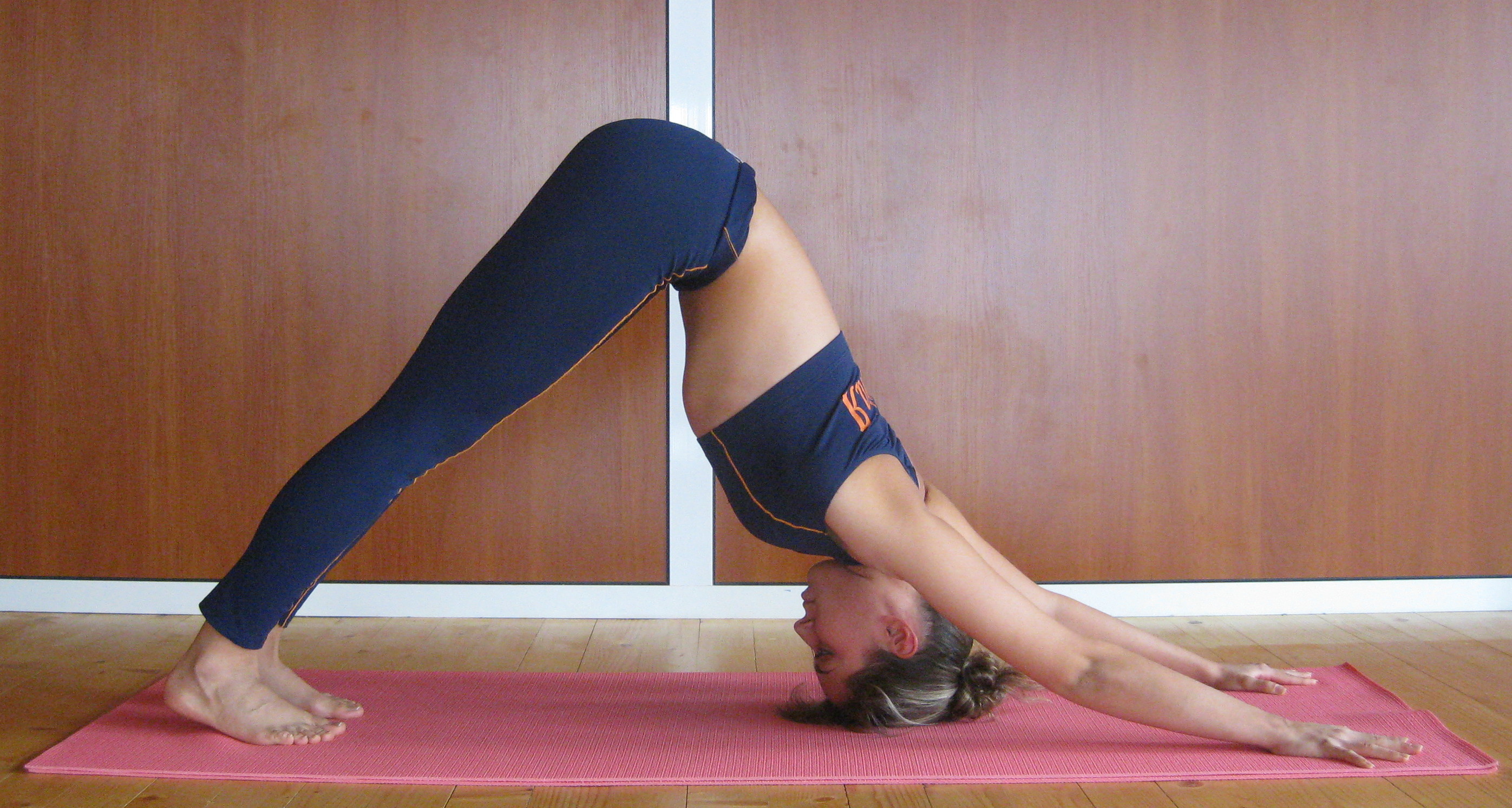
Downward Facing Dog, or Adho Mukha Svanasana, is a foundational yoga pose that stretches the hamstrings and calves while building strength in the shoulders. This pose is a staple in many yoga practices, including Surya Namaskar, and has been widely recognized in Western culture. Despite its popularity, Downward Facing Dog has also been the subject of controversy, particularly regarding its safety during pregnancy. Research has shown that the pose can be beneficial for pregnant women, but it's essential to approach it with caution and proper guidance. As a cultural phenomenon, Downward Facing Dog has been featured in film, literature, and advertising, cementing its status as an iconic yoga pose.
🧘♀️ Origins & History
The origins of Downward Facing Dog can be traced back to ancient India, where it was first described in the Hatha Yoga Pradipika, a 15th-century yoga text. The pose was later popularized in the Western world by B.K.S. Iyengar, a renowned yoga teacher and founder of Iyengar Yoga. Today, Downward Facing Dog is a staple in many yoga styles, including Vinyasa Yoga and Ashtanga Yoga.
🔍 How It Works
From a physiological perspective, Downward Facing Dog is an inversion pose that stretches the hamstring and calf muscles in the backs of the legs. It also builds strength in the shoulders and engages the core muscles. According to Yoga Journal, Downward Facing Dog can help improve flexibility, balance, and overall physical fitness. However, as with any yoga pose, it's essential to approach it with caution and proper guidance, particularly for pregnant women or individuals with certain health conditions. American Pregnancy Association recommends modifying the pose or avoiding it altogether during pregnancy, while Mayo Clinic suggests that it can be beneficial when done correctly.
🌎 Cultural Impact
Downward Facing Dog has had a significant impact on Western culture, with appearances in film, literature, and advertising. It's often used as a symbol of yoga and wellness, and has been featured in various media outlets, including The New York Times and Wellness Magazine. The pose has also been popularized by celebrity yogis, such as Christy Turlington and Gwyneth Paltrow, who have showcased its benefits on their social media platforms, including Instagram and Twitter.
🔮 Legacy & Future
As yoga continues to evolve and grow in popularity, Downward Facing Dog remains an essential part of many practices. Its legacy can be seen in the numerous variations and modifications that have been developed, including Restorative Yoga and Yin Yoga. As the yoga community continues to expand, it's likely that Downward Facing Dog will remain a staple pose, with its benefits and challenges continuing to be explored and debated by yogis and health professionals alike, including those at National Institutes of Health and World Health Organization.
Key Facts
- Year
- 15th century
- Origin
- India
- Category
- fitness
- Type
- concept
Frequently Asked Questions
What are the benefits of Downward Facing Dog?
Downward Facing Dog stretches the hamstrings and calves, builds strength in the shoulders, and engages the core muscles. It can also improve flexibility, balance, and overall physical fitness, as noted by Yoga International.
Is Downward Facing Dog safe during pregnancy?
While some sources recommend avoiding Downward Facing Dog during pregnancy, research has shown that it can be beneficial when done correctly. However, it's essential to approach the pose with caution and proper guidance, particularly for pregnant women or individuals with certain health conditions, as advised by American College of Obstetricians and Gynecologists.
How can I modify Downward Facing Dog?
There are several ways to modify Downward Facing Dog, including using blocks or straps to support the hands and feet, or bending the knees to reduce strain on the lower back. It's also possible to practice a restorative version of the pose using props, as taught by Restorative Yoga Institute.
What are some common mistakes to avoid in Downward Facing Dog?
Common mistakes to avoid in Downward Facing Dog include letting the hips sag, not engaging the core muscles, and not stretching the chest forward. It's also important to keep the palms and heels grounded and to avoid putting too much weight on the joints, as instructed by Yoga Therapy.
How can I incorporate Downward Facing Dog into my yoga practice?
Downward Facing Dog can be incorporated into a variety of yoga practices, including Vinyasa Yoga, Ashtanga Yoga, and Restorative Yoga. It's often used as a transitional pose between other poses, and can be modified to suit different levels of practice, as demonstrated by Do You Yoga.