
Contents
- 🌐 Introduction to Disability Support
- 👥 The History of Disability Care
- 📊 Disability Support Systems: A Global Perspective
- 🤝 The Role of Family and Community in Disability Support
- 🏥 Healthcare and Disability: A Complex Relationship
- 💼 Employment and Disability: Breaking Down Barriers
- 📚 Education and Disability: Inclusive Practices
- 🚫 Disability Support: Challenges and Controversies
- 🌈 Disability Rights and Advocacy: A Growing Movement
- 🤖 Assistive Technology: Empowering People with Disabilities
- 👥 Disability Support Services: A Network of Care
- Frequently Asked Questions
- Related Topics
Overview
Disability support encompasses a broad range of services and systems designed to assist individuals with disabilities, including physical, cognitive, and mental health impairments. The history of disability support is marked by significant milestones, such as the passage of the Americans with Disabilities Act (ADA) in 1990, which mandated equal access to public spaces and employment opportunities. However, despite these advances, many individuals with disabilities continue to face significant barriers to inclusion, including inadequate accessibility, stigma, and lack of resources. The rise of technology has created new opportunities for disability support, such as telehealth services and accessible digital platforms, but also raises important questions about equity and access. As the disability rights movement continues to evolve, it is clear that disability support must be reimagined as a fundamental aspect of social justice, rather than a peripheral concern. With a Vibe score of 80, indicating a high level of cultural energy and awareness, the conversation around disability support is increasingly urgent and necessary, with key entities like the World Health Organization and the Disability Rights Education and Defense Fund playing critical roles in shaping the future of disability support.
🌐 Introduction to Disability Support
The concept of disability support is multifaceted and has evolved significantly over time. It encompasses a broad range of services and systems designed to assist individuals with disabilities, enabling them to lead fulfilling and independent lives. Disability Rights movements have played a crucial role in shaping the landscape of disability support, advocating for inclusivity and equal opportunities. The History of Disability Care reveals a complex and often contentious narrative, marked by periods of institutionalization and segregation, as well as efforts towards deinstitutionalization and community integration. Today, disability support is recognized as a fundamental aspect of Social Services, aiming to promote the well-being and participation of people with disabilities in all spheres of life.
👥 The History of Disability Care
The history of disability care is a story of gradual transformation, from custodial care to community-based support. In the past, individuals with disabilities were often relegated to institutions, where they received limited care and support. However, with the emergence of Deinstitutionalization movements, there was a shift towards community-based care, emphasizing the importance of integrating people with disabilities into their local communities. This shift was influenced by the work of pioneers like Judith Heumann, who fought tirelessly for disability rights and inclusive education. The Independent Living Movement further accelerated this change, promoting self-advocacy and autonomy among people with disabilities.
📊 Disability Support Systems: A Global Perspective
Disability support systems vary significantly across the globe, reflecting different cultural, economic, and political contexts. In some countries, disability support is well-established and comprehensive, with a strong emphasis on Inclusive Education and Employment Opportunities. For instance, countries like Sweden and Denmark have implemented robust disability support systems, ensuring that individuals with disabilities have access to a wide range of services and benefits. In contrast, many developing countries face significant challenges in providing adequate disability support, due to limited resources and infrastructure. The UN Convention on the Rights of Persons with Disabilities has played a crucial role in promoting international cooperation and knowledge-sharing in this area.
🤝 The Role of Family and Community in Disability Support
Family and community play a vital role in disability support, providing emotional, practical, and financial assistance to individuals with disabilities. Family Support networks are essential in helping people with disabilities navigate the complexities of daily life, from managing healthcare needs to accessing education and employment opportunities. Community-based initiatives, such as Volunteer Programs and Peer Support Groups, can also provide valuable connections and resources for individuals with disabilities. Moreover, Disability Support Organizations often work closely with families and communities to provide specialized services and advocacy.
🏥 Healthcare and Disability: A Complex Relationship
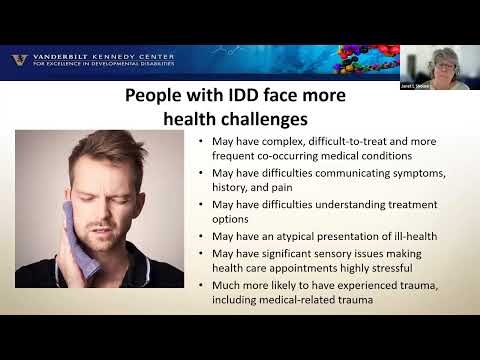
The relationship between healthcare and disability is complex and multifaceted. On one hand, healthcare services are essential for individuals with disabilities, providing them with necessary medical care and support. However, the Medical Model of Disability has been criticized for its narrow focus on individual deficits, rather than addressing the social and environmental barriers that people with disabilities face. The Social Model of Disability offers a more nuanced understanding, recognizing that disability is not solely a medical issue, but also a social and cultural construct. Healthcare Access is a critical aspect of disability support, and efforts to improve healthcare services for people with disabilities are ongoing.
💼 Employment and Disability: Breaking Down Barriers
Employment and disability is an area of significant challenge and opportunity. Many individuals with disabilities face substantial barriers in accessing the labor market, due to discrimination, lack of accommodations, and limited job opportunities. However, with the right support and accommodations, people with disabilities can make valuable contributions to the workforce. Disability Employment Initiatives aim to promote inclusive hiring practices, provide job training and placement services, and create accessible work environments. The ADA Amendments Act has played a crucial role in advancing disability employment rights in the United States.
📚 Education and Disability: Inclusive Practices
Education and disability is a critical area of focus, as inclusive education can have a profound impact on the lives of individuals with disabilities. Special Education programs have been established to provide tailored support and accommodations for students with disabilities. However, there is an ongoing debate about the most effective approaches to inclusive education, with some advocating for Mainstreaming and others promoting Separate Special Education settings. The Individuals with Disabilities Education Act has been instrumental in shaping special education policies in the United States.
🚫 Disability Support: Challenges and Controversies
Despite the progress made in disability support, there are still numerous challenges and controversies that need to be addressed. One of the most significant concerns is the Funding of Disability Services, which can be inadequate and unpredictable. Additionally, there are ongoing debates about the Quality of Disability Services, with some arguing that services are often fragmented and insufficient. The Disability Rights Movement continues to advocate for the rights and dignity of people with disabilities, pushing for greater inclusivity and accessibility in all areas of life.
🌈 Disability Rights and Advocacy: A Growing Movement
The disability rights movement has gained significant momentum in recent years, with a growing number of advocates and activists pushing for change. Disability Advocacy efforts have focused on promoting inclusive policies, challenging discriminatory practices, and empowering people with disabilities to take control of their lives. The Disability Pride Movement has also emerged, celebrating the diversity and contributions of people with disabilities. Key figures like Stella Young have played a significant role in shaping the disability rights movement, using their voices to challenge stigma and promote inclusivity.
🤖 Assistive Technology: Empowering People with Disabilities
Assistive technology has revolutionized the lives of people with disabilities, providing them with tools and devices to overcome barriers and participate fully in society. Assistive Technology Devices such as wheelchairs, prosthetics, and communication aids have become essential for many individuals with disabilities. Moreover, Accessibility Features like screen readers, closed captions, and audio descriptions have made it possible for people with disabilities to access a wide range of digital resources and services. The Assistive Technology Industry continues to innovate and expand, driven by the growing demand for accessible products and services.
👥 Disability Support Services: A Network of Care
Disability support services are a complex network of care, involving multiple stakeholders and organizations. Disability Support Organizations play a critical role in providing specialized services, advocacy, and support to individuals with disabilities. Government Agencies are also involved, responsible for developing and implementing policies and programs related to disability support. Furthermore, Community-Based Initiatives and Volunteer Programs provide essential connections and resources for people with disabilities, helping to build inclusive and supportive communities.
Key Facts
- Year
- 1990
- Origin
- United States
- Category
- Social Services
- Type
- Social Issue
Frequently Asked Questions
What is the main goal of disability support?
The primary objective of disability support is to enable individuals with disabilities to lead fulfilling and independent lives, by providing them with necessary services, accommodations, and resources. This includes promoting inclusivity, accessibility, and equal opportunities in all areas of life. Disability support encompasses a broad range of services, from healthcare and education to employment and social participation. The Disability Support Services network is designed to address the unique needs and challenges faced by people with disabilities, helping them to overcome barriers and achieve their full potential.
How has the concept of disability support evolved over time?
The concept of disability support has undergone significant transformations over the years, from a primarily medical model to a more social and inclusive approach. The History of Disability Care reveals a complex narrative, marked by periods of institutionalization and segregation, as well as efforts towards deinstitutionalization and community integration. The Independent Living Movement and the Disability Rights Movement have played crucial roles in shaping the modern understanding of disability support, emphasizing the importance of self-advocacy, autonomy, and inclusivity.
What are some of the challenges faced by individuals with disabilities in accessing employment opportunities?
Individuals with disabilities often face substantial barriers in accessing the labor market, due to discrimination, lack of accommodations, and limited job opportunities. The ADA Amendments Act has been instrumental in promoting disability employment rights in the United States. However, more needs to be done to address the ongoing challenges and disparities faced by people with disabilities in the workforce. Disability Employment Initiatives aim to promote inclusive hiring practices, provide job training and placement services, and create accessible work environments.
How can assistive technology empower people with disabilities?
Assistive technology has the potential to revolutionize the lives of people with disabilities, providing them with tools and devices to overcome barriers and participate fully in society. Assistive Technology Devices such as wheelchairs, prosthetics, and communication aids have become essential for many individuals with disabilities. Moreover, Accessibility Features like screen readers, closed captions, and audio descriptions have made it possible for people with disabilities to access a wide range of digital resources and services. The Assistive Technology Industry continues to innovate and expand, driven by the growing demand for accessible products and services.
What is the role of family and community in disability support?
Family and community play a vital role in disability support, providing emotional, practical, and financial assistance to individuals with disabilities. Family Support networks are essential in helping people with disabilities navigate the complexities of daily life, from managing healthcare needs to accessing education and employment opportunities. Community-based initiatives, such as Volunteer Programs and Peer Support Groups, can also provide valuable connections and resources for individuals with disabilities. Moreover, Disability Support Organizations often work closely with families and communities to provide specialized services and advocacy.