
Contents
- 🎯 Introduction To Kidney Disease
- ⚙️ Diagnostic Tests And Procedures
- 📊 Key Statistics And Risk Factors
- 👥 Key Organizations And Resources
- 🌍 Cultural Impact And Awareness
- ⚡ Current State And Latest Developments
- 🤔 Controversies And Debates
- 🔮 Future Outlook And Predictions
- 💡 Practical Applications And Management
- 📚 Related Topics And Deeper Reading
- Frequently Asked Questions
- References
- Related Topics
Overview
Diagnosis of kidney disease involves a combination of physical examinations, medical history, laboratory tests, and imaging studies to identify and manage kidney damage or disease. According to the National Kidney Foundation, over 37 million Americans suffer from kidney disease, with many more at risk. The Centers for Disease Control and Prevention (CDC) reports that kidney disease is the 9th leading cause of death in the United States. Early diagnosis and treatment can significantly improve outcomes, emphasizing the importance of regular health check-ups and screenings, especially for those with risk factors such as diabetes and hypertension. The American Kidney Fund estimates that the annual cost of kidney disease in the United States exceeds $100 billion. With the increasing prevalence of kidney disease, accurate diagnosis and effective management are crucial for improving patient outcomes and reducing healthcare costs.
🎯 Introduction To Kidney Disease
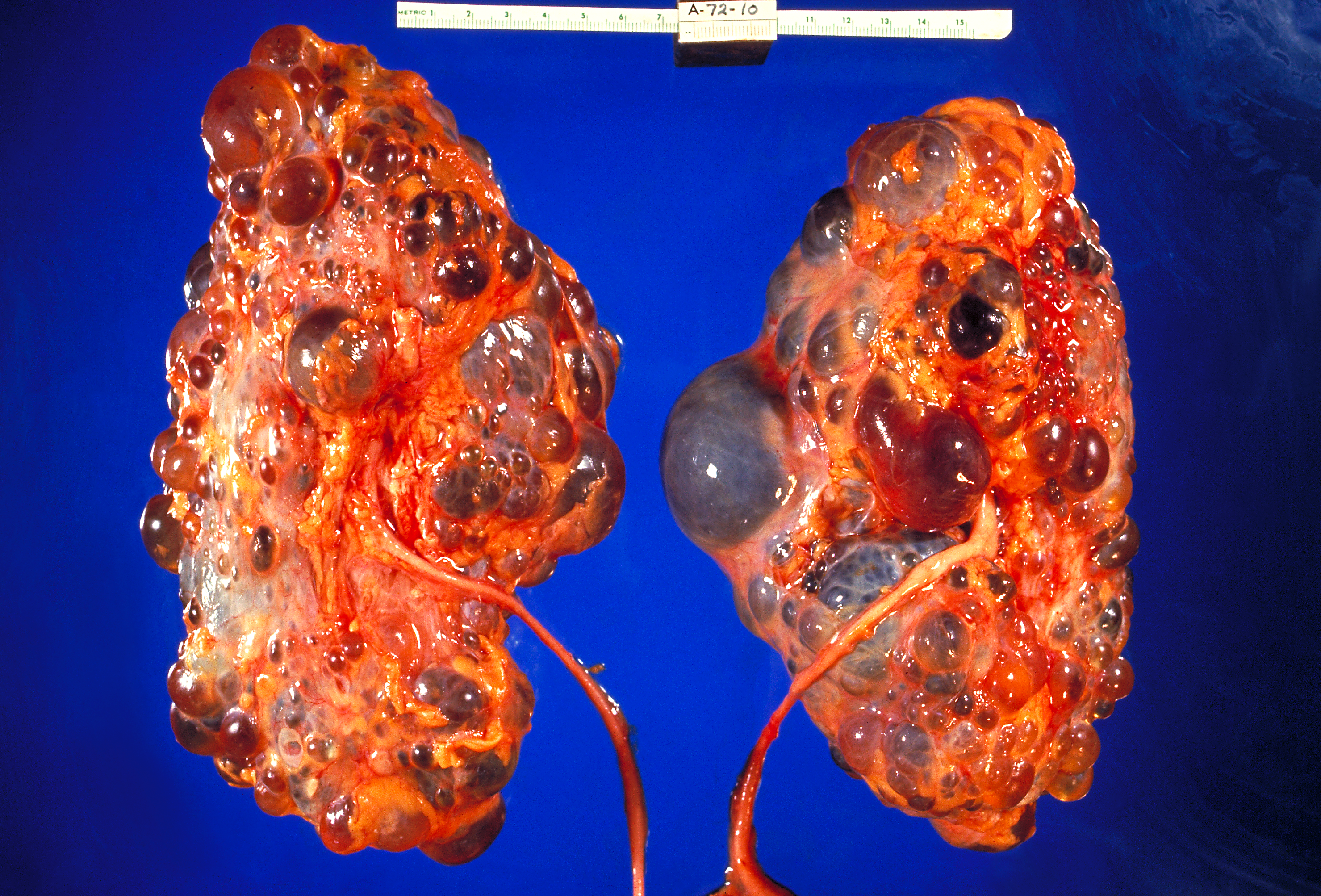
Introduction to kidney disease: Kidney disease, also known as renal disease, is a broad term that encompasses various conditions affecting the kidneys, including polycystic kidney disease (PKD), nephrotic syndrome, and kidney stones. The kidneys play a vital role in maintaining overall health by filtering waste and excess fluids from the blood, regulating blood pressure, and balancing electrolyte levels. According to the World Health Organization (WHO), kidney disease is a major public health concern worldwide, with over 850 million people affected.
⚙️ Diagnostic Tests And Procedures
Diagnostic tests and procedures: Diagnosis of kidney disease typically involves a combination of physical examinations, medical history, laboratory tests, and imaging studies. Common diagnostic tests include urinalysis, blood urea nitrogen (BUN) tests, creatinine tests, and ultrasound or CT scan imaging studies. The National Institute of Diabetes and Digestive and Kidney Diseases (NIDDK) recommends regular screenings for individuals with risk factors, such as those with a family history of kidney disease.
📊 Key Statistics And Risk Factors
Key statistics and risk factors: According to the CDC, kidney disease affects approximately 15% of adults in the United States, with the majority of cases being chronic kidney disease (CKD). The Kidney Disease: Improving Global Outcomes (KDIGO) organization reports that the global prevalence of CKD is increasing, with significant disparities in healthcare access and outcomes. Risk factors for kidney disease include diabetes, hypertension, family history, and obesity. The American Heart Association estimates that over 100 million Americans have high blood pressure, a major risk factor for kidney disease.
👥 Key Organizations And Resources
Key organizations and resources: Several organizations provide valuable resources and support for individuals affected by kidney disease, including the National Kidney Foundation, the American Kidney Fund, and the Kidney Disease: Improving Global Outcomes (KDIGO) organization. The CDC and the National Institutes of Health (NIH) also provide information and resources on kidney disease prevention, diagnosis, and management.
🌍 Cultural Impact And Awareness
Cultural impact and awareness: Kidney disease has a significant cultural impact, with many individuals and families affected by the condition. The National Kidney Foundation and other organizations promote awareness and education about kidney disease, emphasizing the importance of early diagnosis and treatment. The World Kidney Day is observed annually on the second Thursday of March to raise awareness about kidney health and disease.
⚡ Current State And Latest Developments
Current state and latest developments: Recent advances in medical technology and research have improved diagnosis and treatment options for kidney disease. The National Institutes of Health (NIH) and other research institutions are actively investigating new therapies and interventions to slow or reverse kidney disease progression. The Food and Drug Administration (FDA) has approved several new treatments for kidney disease in recent years, including Jynarque for the treatment of autosomal dominant polycystic kidney disease (ADPKD).
🤔 Controversies And Debates
Controversies and debates: There are ongoing controversies and debates in the field of kidney disease, including discussions about the optimal treatment strategies for end-stage renal disease (ESRD) and the role of kidney transplantation in managing kidney failure. The CDC and other organizations have issued guidelines and recommendations for the diagnosis and management of kidney disease, but there is ongoing debate about the best approaches to care.
🔮 Future Outlook And Predictions
Future outlook and predictions: The future outlook for kidney disease diagnosis and management is promising, with ongoing research and development of new therapies and interventions. The National Institutes of Health (NIH) and other organizations predict that advances in medical technology and personalized medicine will improve patient outcomes and reduce healthcare costs. The World Health Organization (WHO) estimates that the global prevalence of kidney disease will continue to increase, emphasizing the need for effective prevention and management strategies.
💡 Practical Applications And Management
Practical applications and management: Practical applications and management of kidney disease involve a comprehensive approach to care, including lifestyle modifications, medication management, and regular monitoring of kidney function. The American Kidney Fund and other organizations provide resources and support for individuals affected by kidney disease, emphasizing the importance of early diagnosis and treatment. The CDC recommends regular screenings for individuals with risk factors, such as those with a family history of kidney disease.
Key Facts
- Year
- 2022
- Origin
- United States
- Category
- chronic-conditions
- Type
- concept
Frequently Asked Questions
What are the common symptoms of kidney disease?
Common symptoms of kidney disease include fatigue, swelling in the feet and ankles, and changes in urination patterns. According to the National Kidney Foundation, many individuals with kidney disease do not experience symptoms until the disease is advanced.
How is kidney disease diagnosed?
Kidney disease is diagnosed through a combination of physical examinations, medical history, laboratory tests, and imaging studies. The CDC recommends regular screenings for individuals with risk factors, such as those with a family history of kidney disease.
What are the treatment options for kidney disease?
Treatment options for kidney disease depend on the underlying cause and severity of the condition. The National Institutes of Health (NIH) and other organizations recommend lifestyle modifications, medication management, and regular monitoring of kidney function. In some cases, kidney transplantation or dialysis may be necessary.
Can kidney disease be prevented?
While some cases of kidney disease cannot be prevented, there are steps that can be taken to reduce the risk of developing the condition. The American Heart Association recommends maintaining a healthy blood pressure, managing diabetes and hypertension, and avoiding obesity.
What is the prognosis for individuals with kidney disease?
The prognosis for individuals with kidney disease depends on the underlying cause and severity of the condition. The CDC reports that early diagnosis and treatment can significantly improve outcomes, emphasizing the importance of regular health check-ups and screenings.