
Contents
- 🎯 Introduction to Dental Amalgam
- ⚙️ How Dental Amalgam Works
- 📊 Key Facts and Statistics
- 👥 Key Players and Organizations
- 🌎 Global Impact and Regulations
- ⚡ Current State and Latest Developments
- 🤔 Controversies and Debates
- 🔮 Future Outlook and Predictions
- 💡 Practical Applications and Alternatives
- 📚 Related Topics and Further Reading
- Frequently Asked Questions
- References
- Related Topics
Overview
Dental amalgam, a mercury alloy used in dental fillings, has been a topic of controversy due to concerns over mercury poisoning and toxicity. Despite its durability, affordability, and ease of use, critics argue that the potential health risks outweigh its benefits. Supporters, on the other hand, claim that dental amalgam is safe, effective, and long-lasting, with some studies suggesting that it can last twice as long as resin composites. As of 2022, the FDA has stated that dental amalgam is safe for use in adults and children over the age of 6, but the debate continues. With the World Health Organization (WHO) estimating that over 80% of dental fillings worldwide are made from amalgam, the discussion surrounding its use is far from over. The American Dental Association (ADA) and the Centers for Disease Control and Prevention (CDC) have also weighed in on the issue, with the ADA stating that amalgam is a safe and effective material when used properly. Meanwhile, the CDC has noted that exposure to mercury from dental amalgam is generally low, but can vary depending on factors such as the number of fillings and oral health habits.
🎯 Introduction to Dental Amalgam
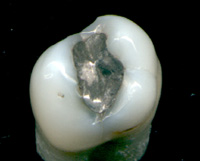
Dental amalgam has been used for over 150 years, with the first recorded use dating back to 1830. The material is a mixture of mercury, silver, tin, and copper, which provides strength, durability, and resistance to wear and tear. According to the FDA, dental amalgam is composed of approximately 50% mercury, 22-32% silver, 14-22% tin, and 1-2% copper. Despite its long history, the use of dental amalgam has been met with increasing scrutiny in recent years, with some countries, such as Norway and Sweden, banning its use altogether. For example, the Norwegian Ministry of Health and Care Services has stated that the use of dental amalgam is no longer justified due to the availability of safer alternatives.
⚙️ How Dental Amalgam Works
The process of placing a dental amalgam filling involves several steps, including preparing the tooth, mixing the amalgam material, and shaping the filling to fit the tooth. The amalgam is then hardened using a special light, and the filling is polished to create a smooth surface. According to the ADA, the placement of dental amalgam fillings can be completed in a single visit, and the material can be used to fill cavities of various sizes. However, some critics argue that the use of amalgam can be messy and time-consuming, and that the material can be difficult to work with. For instance, the International Association of Dental Research has noted that the handling of dental amalgam can be hazardous if proper precautions are not taken.
📊 Key Facts and Statistics
Some key facts about dental amalgam include: it is used in over 80% of dental fillings worldwide, it can last up to 20 years or more with proper care, and it is generally less expensive than other filling materials. However, the use of dental amalgam has also been linked to several health concerns, including mercury poisoning, tooth decay, and gum disease. According to the WHO, exposure to mercury from dental amalgam can occur through various routes, including ingestion, inhalation, and skin contact. For example, a study published in the Journal of Dental Research found that individuals with multiple amalgam fillings had higher levels of mercury in their urine than those with fewer fillings.
👥 Key Players and Organizations
Key players and organizations involved in the debate over dental amalgam include the American Dental Association (ADA), the Centers for Disease Control and Prevention (CDC), and the World Health Organization (WHO). The ADA has stated that dental amalgam is a safe and effective material when used properly, while the CDC has noted that exposure to mercury from dental amalgam is generally low. The WHO, on the other hand, has recommended that countries phase down the use of dental amalgam in favor of safer alternatives. For instance, the WHO has suggested that countries consider using alternative filling materials, such as resin composites or glass ionomer cements, which do not contain mercury.
🌎 Global Impact and Regulations
The global impact of dental amalgam is significant, with millions of people worldwide relying on the material for dental fillings. However, the use of amalgam has also been linked to environmental concerns, including the release of mercury into the air and water. According to the United Nations Environment Programme (UNEP), the use of dental amalgam is a significant source of mercury pollution, with an estimated 340 tons of mercury released into the environment each year. For example, a study published in the Journal of Environmental Science and Health found that the use of dental amalgam was associated with increased levels of mercury in wastewater and soil.
⚡ Current State and Latest Developments
As of 2022, the current state of dental amalgam is one of ongoing debate and controversy. While some countries have banned the use of amalgam, others continue to use it widely. The FDA has stated that dental amalgam is safe for use in adults and children over the age of 6, but the agency has also acknowledged that there may be some risks associated with its use. For instance, the FDA has noted that exposure to mercury from dental amalgam can occur through various routes, including ingestion, inhalation, and skin contact. Meanwhile, researchers are exploring alternative filling materials, such as resin composites and glass ionomer cements, which do not contain mercury. For example, a study published in the Journal of Dental Materials found that resin composites were a viable alternative to dental amalgam, with similar durability and strength.
🤔 Controversies and Debates
The controversy surrounding dental amalgam is complex and multifaceted, with some arguing that the material is safe and effective, while others claim that it poses significant health risks. Critics argue that the use of amalgam can lead to mercury poisoning, tooth decay, and gum disease, while supporters claim that the material is durable, affordable, and easy to use. According to the CDC, exposure to mercury from dental amalgam is generally low, but can vary depending on factors such as the number of fillings and oral health habits. For example, a study published in the Journal of Dental Research found that individuals with multiple amalgam fillings had higher levels of mercury in their urine than those with fewer fillings.
🔮 Future Outlook and Predictions
Looking to the future, it is likely that the use of dental amalgam will continue to decline as alternative filling materials become more widely available. Researchers are exploring new materials and technologies, such as nanomaterials and 3D printing, which could potentially replace amalgam altogether. According to the National Institute of Dental and Craniofacial Research (NIDCR), the development of new filling materials is a priority area of research, with the goal of creating safer and more effective alternatives to amalgam. For instance, a study published in the Journal of Dental Materials found that nanomaterials were a promising alternative to dental amalgam, with improved durability and strength.
💡 Practical Applications and Alternatives
In terms of practical applications, dental amalgam is still widely used in many parts of the world. However, alternative filling materials, such as resin composites and glass ionomer cements, are becoming increasingly popular. According to the ADA, resin composites are a viable alternative to amalgam, with similar durability and strength. For example, a study published in the Journal of Dental Research found that resin composites were a suitable alternative to dental amalgam for small to medium-sized cavities.
Key Facts
- Year
- 2022
- Origin
- United States
- Category
- public-health
- Type
- concept
Frequently Asked Questions
What is dental amalgam?
Dental amalgam is a mixture of mercury, silver, tin, and copper used to fill cavities in teeth. It is a durable and long-lasting material, but has been linked to health concerns such as mercury poisoning and tooth decay. According to the ADA, dental amalgam is composed of approximately 50% mercury, 22-32% silver, 14-22% tin, and 1-2% copper.
Is dental amalgam safe?
The safety of dental amalgam is a topic of ongoing debate. Some studies have linked the use of amalgam to health concerns such as mercury poisoning and tooth decay, while others have found no significant risks. According to the CDC, exposure to mercury from dental amalgam is generally low, but can vary depending on factors such as the number of fillings and oral health habits.
What are the alternatives to dental amalgam?
There are several alternative filling materials available, including resin composites and glass ionomer cements. These materials do not contain mercury and are considered safer and more environmentally friendly. According to the NIDCR, the development of new filling materials is a priority area of research, with the goal of creating safer and more effective alternatives to amalgam.
Can I get my amalgam fillings removed?
Yes, it is possible to have amalgam fillings removed and replaced with alternative materials. However, this should only be done under the guidance of a qualified dentist, as improper removal can lead to further health risks. According to the ADA, the removal of amalgam fillings should be done in a way that minimizes exposure to mercury and other toxic substances.
How can I reduce my exposure to mercury from dental amalgam?
To reduce your exposure to mercury from dental amalgam, you can take several steps, including avoiding the use of amalgam fillings, having existing fillings removed and replaced with alternative materials, and practicing good oral hygiene to reduce the need for fillings in the first place. According to the WHO, the use of dental amalgam is a significant public health issue, with millions of people worldwide relying on the material for dental fillings.
What are the environmental impacts of dental amalgam?
The use of dental amalgam has been linked to environmental concerns, including the release of mercury into the air and water. According to the UNEP, the use of dental amalgam is a significant source of mercury pollution, with an estimated 340 tons of mercury released into the environment each year.
How can I find a dentist who uses alternative filling materials?
You can find a dentist who uses alternative filling materials by asking your current dentist about their options, searching online for dentists in your area who offer mercury-free fillings, or checking with your local dental association for recommendations. According to the ADA, many dentists now offer alternative filling materials, including resin composites and glass ionomer cements.