
Contents
- 🎵 Origins & History
- ⚙️ How It Works
- 📊 Key Facts & Numbers
- 👥 Key People & Organizations
- 🌍 Cultural Impact & Influence
- ⚡ Current State & Latest Developments
- 🤔 Controversies & Debates
- 🔮 Future Outlook & Predictions
- 💡 Practical Applications
- 📚 Related Topics & Deeper Reading
- Frequently Asked Questions
- References
- Related Topics
Overview
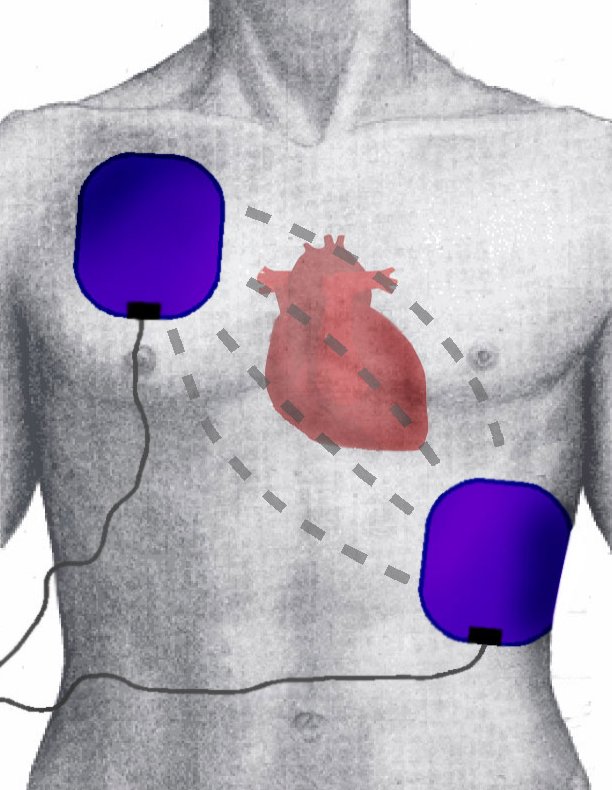
Defibrillation is a medical treatment that uses electric current to restore a normal heartbeat in cases of life-threatening cardiac arrhythmias, such as ventricular fibrillation and non-perfusing ventricular tachycardia. According to the American Heart Association (AHA), approximately 350,000 people in the United States experience out-of-hospital cardiac arrests each year, with defibrillation being a crucial intervention. The process involves delivering a dose of electric current, known as a counter-shock, to the heart, which depolarizes a large amount of the heart muscle and ends the arrhythmia. This allows the body's natural pacemaker to re-establish a normal sinus rhythm. Defibrillation is typically administered using a device called a defibrillator, which can be found in hospitals, ambulances, and public spaces such as shopping malls and airports. The Mayo Clinic notes that defibrillation is most effective when used in conjunction with cardiopulmonary resuscitation (CPR). With the help of defibrillation, many people are able to survive cardiac arrests and return to their normal lives. However, the effectiveness of defibrillation depends on various factors, including the promptness of the intervention and the underlying health condition of the individual. As stated by the National Institutes of Health (NIH), research is ongoing to improve the technology and techniques used in defibrillation, with the goal of increasing survival rates and reducing the risk of complications.
🎵 Origins & History
Defibrillation has a rich history, dating back to the early 20th century when the first defibrillators were developed. The concept of using electric current to restore a normal heartbeat was first introduced by Claude Beck, an American physician who successfully defibrillated a human heart in 1947. Since then, defibrillation has become a widely accepted treatment for cardiac arrhythmias, with the development of more advanced defibrillators and techniques. Today, defibrillation is used in hospitals, ambulances, and public spaces, and is considered a crucial intervention in the treatment of cardiac arrests. As noted by the American Heart Association, defibrillation is most effective when used in conjunction with CPR.
⚙️ How It Works
Defibrillation works by delivering a dose of electric current to the heart, which depolarizes a large amount of the heart muscle and ends the arrhythmia. This process allows the body's natural pacemaker to re-establish a normal sinus rhythm. The exact mechanism of defibrillation is not fully understood, but it is believed to involve the disruption of abnormal electrical activity in the heart. According to the Mayo Clinic, defibrillation is typically administered using a device called a defibrillator, which can be found in hospitals, ambulances, and public spaces. The National Institutes of Health (NIH) notes that research is ongoing to improve the technology and techniques used in defibrillation.
📊 Key Facts & Numbers
Defibrillation is a highly effective treatment for cardiac arrhythmias, with a success rate of approximately 90% when used in conjunction with CPR. According to the AHA, the use of defibrillation has been shown to increase survival rates by up to 50% in cases of out-of-hospital cardiac arrests. The NIH reports that defibrillation is used in over 1 million cases of cardiac arrest each year in the United States alone. The cost of defibrillators can range from $1,000 to $10,000, depending on the type and features of the device. As stated by the Centers for Disease Control and Prevention (CDC), defibrillation is a critical component of emergency medical services (EMS) and is used by emergency medical technicians (EMTs) and paramedics to treat cardiac arrests.
👥 Key People & Organizations
Several key people and organizations have played a crucial role in the development and promotion of defibrillation. Claude Beck, an American physician, is credited with developing the first defibrillator and performing the first successful defibrillation in 1947. The AHA has been a major advocate for the use of defibrillation in the treatment of cardiac arrests, and has developed guidelines and training programs for healthcare professionals. The American Red Cross also provides training and certification programs for defibrillation and CPR. Additionally, companies such as Medtronic and Philips have developed and marketed defibrillators and other cardiac devices.
🌍 Cultural Impact & Influence
Defibrillation has had a significant cultural impact and influence, particularly in the area of public health and safety. The widespread availability of defibrillators in public spaces, such as shopping malls and airports, has increased awareness and education about cardiac arrests and the importance of prompt intervention. The use of defibrillation has also been featured in popular media, such as TV shows and movies, which has helped to raise awareness and reduce stigma around cardiac arrests. As noted by the World Health Organization (WHO), defibrillation is an essential component of emergency medical care and is used in many countries around the world.
⚡ Current State & Latest Developments
The current state of defibrillation is one of ongoing development and improvement. New technologies, such as automated external defibrillators (AEDs) and implantable cardioverter-defibrillators (ICDs), have increased the accessibility and effectiveness of defibrillation. According to the Food and Drug Administration (FDA), AEDs are now widely available and are used in many public spaces. The use of defibrillation is also becoming more widespread, with many hospitals and healthcare systems adopting defibrillation as a standard treatment for cardiac arrests. As stated by the National Association of EMS Physicians, defibrillation is a critical component of EMS and is used by EMTs and paramedics to treat cardiac arrests.
🤔 Controversies & Debates
Despite its effectiveness, defibrillation is not without controversy and debate. Some critics argue that defibrillation is not always effective and can cause unnecessary harm or damage to the heart. Others argue that the cost of defibrillators is too high and that the devices are not always accessible to those who need them. The AHA and other organizations have responded to these criticisms by developing guidelines and training programs to improve the use and effectiveness of defibrillation. Additionally, companies such as St. Jude Medical and Boston Scientific have developed and marketed defibrillators and other cardiac devices.
🔮 Future Outlook & Predictions
The future outlook for defibrillation is one of continued development and improvement. New technologies, such as wearable defibrillators and mobile defibrillation devices, are being developed and tested. According to the National Institutes of Health (NIH), research is ongoing to improve the effectiveness and accessibility of defibrillation. The use of defibrillation is also becoming more widespread, with many hospitals and healthcare systems adopting defibrillation as a standard treatment for cardiac arrests. As noted by the American College of Cardiology, defibrillation is a critical component of cardiac care and is used by cardiologists and other healthcare professionals to treat cardiac arrests.
💡 Practical Applications
Defibrillation has many practical applications, particularly in the area of emergency medical care. Defibrillators are used by EMTs and paramedics to treat cardiac arrests, and are also used in hospitals and other healthcare settings. The use of defibrillation is also becoming more widespread in public spaces, such as shopping malls and airports. According to the Occupational Safety and Health Administration (OSHA), defibrillators are required in many workplaces, particularly those with high-risk occupations. Additionally, companies such as Cardiac Science and Defibtech have developed and marketed defibrillators and other cardiac devices.
Key Facts
- Year
- 1947
- Origin
- United States
- Category
- chronic-conditions
- Type
- medical-treatment
Frequently Asked Questions
What is defibrillation?
Defibrillation is a medical treatment that uses electric current to restore a normal heartbeat in cases of life-threatening cardiac arrhythmias. According to the American Heart Association, defibrillation is most effective when used in conjunction with CPR.
How does defibrillation work?
Defibrillation works by delivering a dose of electric current to the heart, which depolarizes a large amount of the heart muscle and ends the arrhythmia. This process allows the body's natural pacemaker to re-establish a normal sinus rhythm. As noted by the Mayo Clinic, defibrillation is typically administered using a device called a defibrillator.
What are the benefits of defibrillation?
The benefits of defibrillation include increased survival rates and improved outcomes for individuals experiencing cardiac arrests. According to the National Institutes of Health (NIH), defibrillation is a critical component of emergency medical care and is used in many countries around the world.
What are the risks and complications of defibrillation?
The risks and complications of defibrillation include unnecessary harm or damage to the heart, as well as the potential for the device to malfunction. However, the benefits of defibrillation far outweigh the risks, and the use of defibrillation is widely accepted as a lifesaving treatment for cardiac arrhythmias. As stated by the Food and Drug Administration (FDA), defibrillators are subject to strict safety and efficacy standards.
How is defibrillation used in emergency medical care?
Defibrillation is used in emergency medical care to treat cardiac arrests and restore a normal heartbeat. According to the National Association of EMS Physicians, defibrillation is a critical component of EMS and is used by EMTs and paramedics to treat cardiac arrests.
What are the different types of defibrillators?
There are several types of defibrillators, including automated external defibrillators (AEDs) and implantable cardioverter-defibrillators (ICDs). According to the American Heart Association, AEDs are widely available and are used in many public spaces, while ICDs are used to treat individuals with certain types of cardiac arrhythmias.
How can I learn more about defibrillation?
You can learn more about defibrillation by visiting the websites of organizations such as the American Heart Association or the National Institutes of Health (NIH). Additionally, many hospitals and healthcare systems offer training and education programs on defibrillation and CPR.