
Contents
- 🚨 Introduction to Customs Enforcement
- 📈 The Economics of Trade and Security
- 🚫 The Role of Customs Agencies in Preventing Smuggling
- 🔍 Investigating Customs Crimes: Methods and Techniques
- 🌎 International Cooperation in Customs Enforcement
- 🚨 The Impact of Technology on Customs Enforcement
- 📊 Measuring the Effectiveness of Customs Enforcement
- 🤝 Balancing Trade Facilitation and Security
- 🚫 The Challenges of Enforcing Customs Regulations
- 🌐 The Future of Customs Enforcement: Emerging Trends and Threats
- 📚 Conclusion: The Delicate Balance of Customs Enforcement
- Frequently Asked Questions
- Related Topics
Overview
Customs enforcement is a critical component of a nation's border security and economic stability, with a vibe rating of 8 out of 10. The history of customs enforcement dates back to the Tariff Act of 1789 in the United States, with the U.S. Customs Service being established in 1790. Today, customs agencies like U.S. Customs and Border Protection (CBP) and the European Union's Customs Union work to prevent the smuggling of counterfeit goods, narcotics, and other contraband, while also facilitating legitimate trade. The controversy surrounding customs enforcement often centers around issues like privacy, intellectual property rights, and the use of technology such as drones and artificial intelligence to monitor borders. With the rise of e-commerce, customs enforcement has become increasingly complex, with an estimated 1.8 billion parcels shipped globally in 2020, according to a report by the Universal Postal Union. As the world becomes more interconnected, the role of customs enforcement will continue to evolve, with a projected 15% increase in global trade value by 2025, according to the World Trade Organization.
🚨 Introduction to Customs Enforcement
Customs enforcement is a critical component of a country's national security and economic strategy. As the primary agency responsible for regulating the flow of goods across borders, customs agencies play a vital role in preventing the smuggling of Contraband and Counterfeit Goods. The World Customs Organization (WCO) provides a framework for international cooperation and standardization in customs enforcement. With the increasing volume of Global Trade, customs agencies face significant challenges in balancing Trade Facilitation with security concerns. The use of Artificial Intelligence and Data Analytics is becoming increasingly important in customs enforcement, allowing agencies to better identify and prevent Smuggling and other customs crimes.
📈 The Economics of Trade and Security
The economics of trade and security are deeply intertwined. The International Monetary Fund (IMF) estimates that the global value of International Trade is over $20 trillion. However, this trade also creates opportunities for Smuggling and other customs crimes, which can have significant economic and security implications. The World Trade Organization (WTO) provides a framework for international trade agreements, but the enforcement of these agreements is often the responsibility of national customs agencies. The use of Tariffs and other trade barriers can also have a significant impact on the economy, and customs agencies must balance the need to protect domestic industries with the need to facilitate international trade. The European Union (EU) is an example of a regional trade agreement that has implemented a common customs policy to facilitate trade among its member states.
🚫 The Role of Customs Agencies in Preventing Smuggling
Customs agencies play a critical role in preventing the smuggling of Contraband and other prohibited goods. The United States Customs and Border Protection (CBP) is one of the largest and most complex customs agencies in the world, with a budget of over $13 billion. The agency uses a variety of methods to prevent smuggling, including the use of X-ray Scanners and Sniffer Dogs. The World Health Organization (WHO) also plays a critical role in preventing the smuggling of Counterfeit Medicines and other prohibited goods. The International Chamber of Commerce (ICC) provides a framework for international cooperation and standardization in customs enforcement, and works to prevent the smuggling of Counterfeit Goods and other prohibited goods.
🔍 Investigating Customs Crimes: Methods and Techniques
Investigating customs crimes requires a range of specialized skills and techniques. The Federal Bureau of Investigation (FBI) is one of the primary agencies responsible for investigating customs crimes in the United States. The agency uses a variety of methods to investigate customs crimes, including the use of Undercover Operations and Forensic Analysis. The United Nations Office on Drugs and Crime (UNODC) also provides a framework for international cooperation and standardization in the investigation of customs crimes. The use of Data Analytics and Artificial Intelligence is becoming increasingly important in the investigation of customs crimes, allowing agencies to better identify and prevent Smuggling and other customs crimes. The European Police Office (Europol) is an example of a regional law enforcement agency that works to prevent and investigate customs crimes.
🌎 International Cooperation in Customs Enforcement
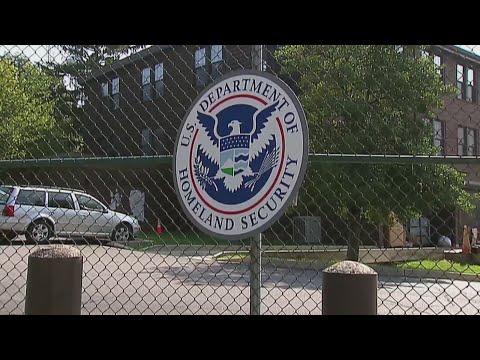
International cooperation is critical to effective customs enforcement. The World Customs Organization (WCO) provides a framework for international cooperation and standardization in customs enforcement. The organization has over 180 member countries and works to promote the secure and efficient movement of goods across borders. The International Monetary Fund (IMF) also provides a framework for international cooperation and standardization in customs enforcement, and works to promote the stability of the global financial system. The use of Mutual Recognition Agreements and other international agreements can also help to facilitate international cooperation and standardization in customs enforcement. The United States Department of Homeland Security (DHS) is an example of a national agency that works to promote international cooperation and standardization in customs enforcement.
🚨 The Impact of Technology on Customs Enforcement
The impact of technology on customs enforcement has been significant. The use of Artificial Intelligence and Data Analytics is becoming increasingly important in customs enforcement, allowing agencies to better identify and prevent Smuggling and other customs crimes. The United States Customs and Border Protection (CBP) is one of the primary agencies responsible for enforcing customs regulations in the United States, and uses a range of technologies to prevent smuggling and other customs crimes. The European Border and Coast Guard Agency (Frontex) is an example of a regional agency that uses technology to prevent smuggling and other customs crimes. The use of Blockchain and other emerging technologies is also becoming increasingly important in customs enforcement, allowing agencies to better track and verify the movement of goods across borders.
📊 Measuring the Effectiveness of Customs Enforcement
Measuring the effectiveness of customs enforcement is critical to ensuring that agencies are using their resources effectively. The World Customs Organization (WCO) provides a framework for measuring the effectiveness of customs enforcement, and works to promote the secure and efficient movement of goods across borders. The United States Customs and Border Protection (CBP) is one of the primary agencies responsible for enforcing customs regulations in the United States, and uses a range of metrics to measure the effectiveness of its enforcement efforts. The use of Key Performance Indicators (KPIs) and other metrics can help agencies to better understand the effectiveness of their enforcement efforts and identify areas for improvement. The International Monetary Fund (IMF) also provides a framework for measuring the effectiveness of customs enforcement, and works to promote the stability of the global financial system.
🤝 Balancing Trade Facilitation and Security
Balancing trade facilitation and security is a critical challenge for customs agencies. The World Trade Organization (WTO) provides a framework for international trade agreements, but the enforcement of these agreements is often the responsibility of national customs agencies. The use of Tariffs and other trade barriers can also have a significant impact on the economy, and customs agencies must balance the need to protect domestic industries with the need to facilitate international trade. The European Union (EU) is an example of a regional trade agreement that has implemented a common customs policy to facilitate trade among its member states. The United States Department of Homeland Security (DHS) is an example of a national agency that works to balance trade facilitation and security.
🚫 The Challenges of Enforcing Customs Regulations
The challenges of enforcing customs regulations are significant. The United States Customs and Border Protection (CBP) is one of the largest and most complex customs agencies in the world, with a budget of over $13 billion. The agency faces a range of challenges, including the need to balance trade facilitation and security, and the need to prevent the smuggling of Contraband and other prohibited goods. The World Customs Organization (WCO) provides a framework for international cooperation and standardization in customs enforcement, and works to promote the secure and efficient movement of goods across borders. The use of Artificial Intelligence and Data Analytics is becoming increasingly important in customs enforcement, allowing agencies to better identify and prevent Smuggling and other customs crimes.
🌐 The Future of Customs Enforcement: Emerging Trends and Threats
The future of customs enforcement is likely to be shaped by a range of emerging trends and threats. The use of Blockchain and other emerging technologies is becoming increasingly important in customs enforcement, allowing agencies to better track and verify the movement of goods across borders. The United Nations Office on Drugs and Crime (UNODC) provides a framework for international cooperation and standardization in the investigation of customs crimes, and works to prevent the smuggling of Counterfeit Medicines and other prohibited goods. The European Border and Coast Guard Agency (Frontex) is an example of a regional agency that uses technology to prevent smuggling and other customs crimes. The International Monetary Fund (IMF) also provides a framework for international cooperation and standardization in customs enforcement, and works to promote the stability of the global financial system.
📚 Conclusion: The Delicate Balance of Customs Enforcement
In conclusion, customs enforcement is a critical component of a country's national security and economic strategy. The World Customs Organization (WCO) provides a framework for international cooperation and standardization in customs enforcement, and works to promote the secure and efficient movement of goods across borders. The use of Artificial Intelligence and Data Analytics is becoming increasingly important in customs enforcement, allowing agencies to better identify and prevent Smuggling and other customs crimes. The United States Customs and Border Protection (CBP) is one of the primary agencies responsible for enforcing customs regulations in the United States, and uses a range of technologies to prevent smuggling and other customs crimes. As the global economy continues to evolve, it is likely that customs enforcement will play an increasingly important role in promoting national security and economic stability.
Key Facts
- Year
- 2020
- Origin
- United States
- Category
- Law Enforcement
- Type
- Government Agency
Frequently Asked Questions
What is the role of customs agencies in preventing smuggling?
Customs agencies play a critical role in preventing the smuggling of Contraband and other prohibited goods. They use a range of methods to prevent smuggling, including the use of X-ray Scanners and Sniffer Dogs. The World Customs Organization (WCO) provides a framework for international cooperation and standardization in customs enforcement, and works to promote the secure and efficient movement of goods across borders. The use of Artificial Intelligence and Data Analytics is becoming increasingly important in customs enforcement, allowing agencies to better identify and prevent Smuggling and other customs crimes.
How do customs agencies measure the effectiveness of their enforcement efforts?
Customs agencies use a range of metrics to measure the effectiveness of their enforcement efforts, including the use of Key Performance Indicators (KPIs) and other metrics. The World Customs Organization (WCO) provides a framework for measuring the effectiveness of customs enforcement, and works to promote the secure and efficient movement of goods across borders. The United States Customs and Border Protection (CBP) is one of the primary agencies responsible for enforcing customs regulations in the United States, and uses a range of metrics to measure the effectiveness of its enforcement efforts.
What is the impact of technology on customs enforcement?
The impact of technology on customs enforcement has been significant. The use of Artificial Intelligence and Data Analytics is becoming increasingly important in customs enforcement, allowing agencies to better identify and prevent Smuggling and other customs crimes. The United States Customs and Border Protection (CBP) is one of the primary agencies responsible for enforcing customs regulations in the United States, and uses a range of technologies to prevent smuggling and other customs crimes. The use of Blockchain and other emerging technologies is also becoming increasingly important in customs enforcement, allowing agencies to better track and verify the movement of goods across borders.
How do customs agencies balance trade facilitation and security?
Customs agencies must balance the need to facilitate international trade with the need to prevent the smuggling of Contraband and other prohibited goods. The World Trade Organization (WTO) provides a framework for international trade agreements, but the enforcement of these agreements is often the responsibility of national customs agencies. The use of Tariffs and other trade barriers can also have a significant impact on the economy, and customs agencies must balance the need to protect domestic industries with the need to facilitate international trade. The European Union (EU) is an example of a regional trade agreement that has implemented a common customs policy to facilitate trade among its member states.
What is the future of customs enforcement?
The future of customs enforcement is likely to be shaped by a range of emerging trends and threats. The use of Blockchain and other emerging technologies is becoming increasingly important in customs enforcement, allowing agencies to better track and verify the movement of goods across borders. The United Nations Office on Drugs and Crime (UNODC) provides a framework for international cooperation and standardization in the investigation of customs crimes, and works to prevent the smuggling of Counterfeit Medicines and other prohibited goods. The European Border and Coast Guard Agency (Frontex) is an example of a regional agency that uses technology to prevent smuggling and other customs crimes.