
Contents
- 🔒 Introduction to Cryptographic Hashes
- 📝 Properties of Cryptographic Hash Functions
- 🔍 Preimage Resistance: The Foundation of Data Integrity
- 📊 Collision Resistance: The Guardian of Uniqueness
- 🔑 Second Preimage Resistance: The Defender of Message Authenticity
- 📈 Security Strength: Measuring the Robustness of Cryptographic Hashes
- 🤔 Real-World Applications of Cryptographic Hashes
- 🚨 Common Attacks on Cryptographic Hashes
- 🔍 Cryptographic Hash Functions in Practice
- 📚 Conclusion: The Importance of Cryptographic Hashes in Computer Science
- Frequently Asked Questions
- Related Topics
Overview
Cryptographic hashes, with a vibe rating of 8, are the backbone of data security, enabling the verification of data integrity and authenticity. Since their inception in the 1950s, hashes have evolved significantly, with notable milestones including the development of the SHA-1 algorithm in 1995 and the introduction of SHA-3 in 2015. The controversy surrounding the security of hashes, particularly the collision vulnerabilities in SHA-1, has sparked debates among experts, with some advocating for the adoption of quantum-resistant hash functions. The influence of cryptographic hashes can be seen in various entity relationships, including their use in blockchain technology, digital signatures, and data deduplication. With a controversy spectrum of 6, the topic of cryptographic hashes is expected to continue evolving, with potential future developments including the widespread adoption of quantum-resistant hashes and the integration of hash functions into emerging technologies like homomorphic encryption. As of 2022, researchers like Daniel J. Bernstein and Tanja Lange are working on developing more secure and efficient hash functions, which could significantly impact the future of data security.
🔒 Introduction to Cryptographic Hashes
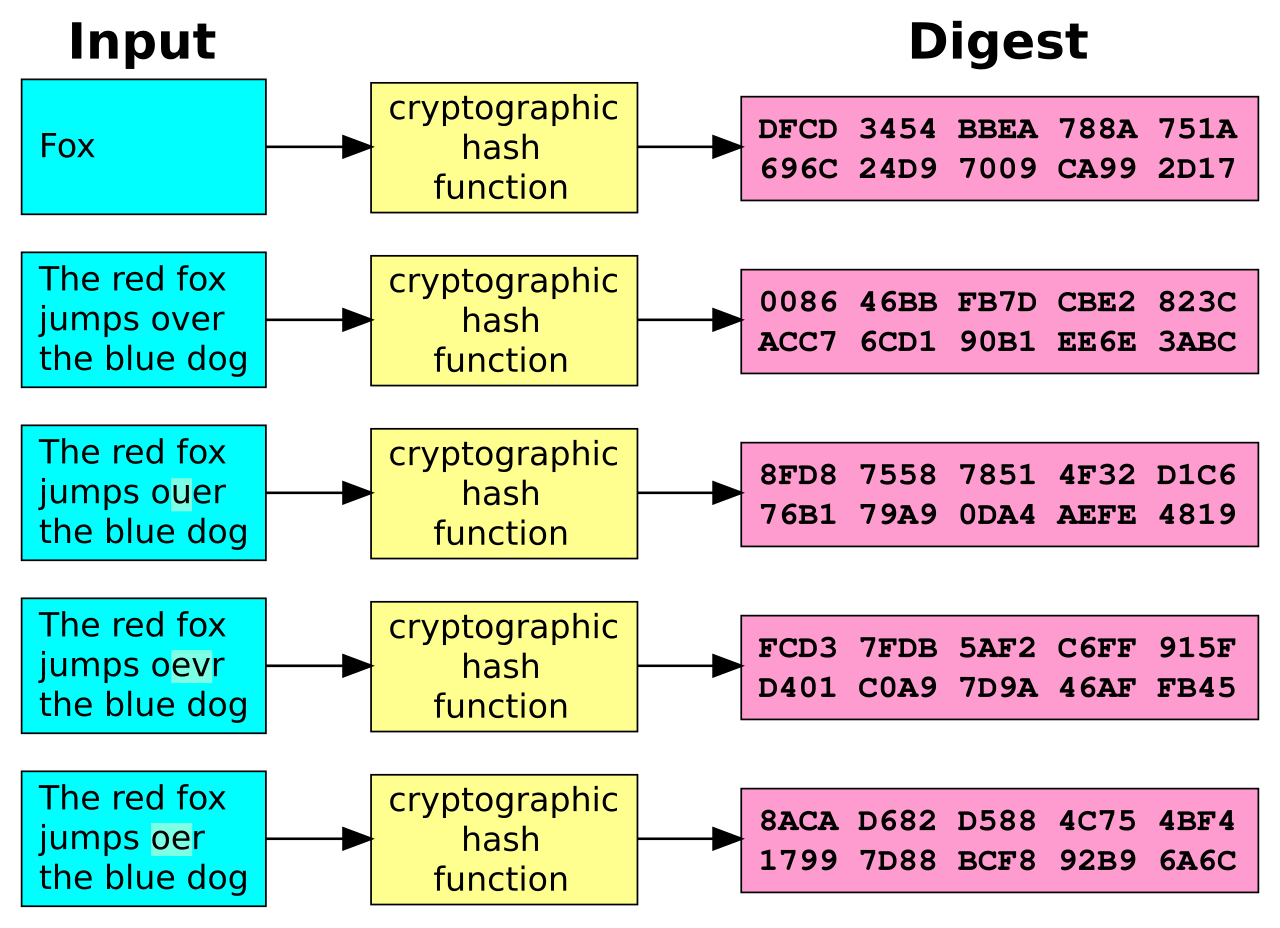
The concept of cryptographic hashes has been a cornerstone of computer science, particularly in the realm of Cryptography and Data Integrity. A cryptographic hash function (CHF) is a hash algorithm that has special properties desirable for a cryptographic application. The probability of a particular output result for a random input string is extremely low, making it an ideal representative of the message. This property is crucial in ensuring the integrity of data, as it allows for the detection of any tampering or corruption. For instance, Hash Tables rely heavily on cryptographic hashes to efficiently store and retrieve data.
📝 Properties of Cryptographic Hash Functions
Cryptographic hash functions have several key properties that make them desirable for cryptographic applications. One of these properties is preimage resistance, which refers to the difficulty of finding an input string that matches a given hash value. This property is essential in ensuring that a message cannot be tampered with or altered without being detected. Another important property is collision resistance, which refers to the difficulty of finding any pair of different messages that yield the same hash value. This property is critical in preventing attacks that rely on finding collisions to compromise the integrity of data. As discussed in Computer Security, these properties are essential in maintaining the security of digital systems.
🔍 Preimage Resistance: The Foundation of Data Integrity
Preimage resistance is a fundamental property of cryptographic hash functions, and it is the foundation of data integrity. The resistance to searching for an input string that matches a given hash value is quantified as security strength, which is typically measured in bits. A cryptographic hash with n bits of hash value is expected to have a preimage resistance strength of n bits, unless the space of possible input values is significantly smaller than 2^n. This means that the larger the hash value, the more resistant it is to preimage attacks. For example, SHA-256 has a preimage resistance strength of 256 bits, making it extremely difficult to find an input string that matches a given hash value. As explained in Cryptography 101, this property is essential in ensuring the security of digital signatures and message authentication codes.
📊 Collision Resistance: The Guardian of Uniqueness
Collision resistance is another critical property of cryptographic hash functions, and it is the guardian of uniqueness. The difficulty of finding any pair of different messages that yield the same hash value is also quantified as security strength, which is typically measured in bits. A cryptographic hash with n bits of hash value is expected to have a collision resistance strength of n/2 bits, unless the space of possible input values is significantly smaller than 2^n. This means that the larger the hash value, the more resistant it is to collision attacks. For instance, MD5 has a collision resistance strength of 128 bits, making it vulnerable to collision attacks. As discussed in Hash Collisions, this property is essential in preventing attacks that rely on finding collisions to compromise the integrity of data.
🔑 Second Preimage Resistance: The Defender of Message Authenticity
Second preimage resistance is a property of cryptographic hash functions that refers to the difficulty of finding a second message that matches the given hash value when one message is already known. This property is essential in ensuring the authenticity of messages, as it prevents an attacker from finding a second message that has the same hash value as the original message. The security strength of second preimage resistance is typically measured in bits, and it is expected to be similar to the preimage resistance strength. For example, BLAKE2 has a second preimage resistance strength of 512 bits, making it extremely difficult to find a second message that matches the given hash value. As explained in Digital Signatures, this property is essential in ensuring the security of digital signatures and message authentication codes.
📈 Security Strength: Measuring the Robustness of Cryptographic Hashes
The security strength of cryptographic hashes is measured in bits, and it is a critical factor in determining the robustness of a cryptographic hash function. A larger hash value typically means a stronger security strength, making it more resistant to preimage and collision attacks. However, the security strength of a cryptographic hash function also depends on the space of possible input values, which can significantly affect the resistance to preimage and collision attacks. For instance, SHA-3 has a security strength of 512 bits, making it one of the most secure cryptographic hash functions available. As discussed in Cryptography Trends, the security strength of cryptographic hashes is constantly evolving, with new hash functions being developed to address emerging threats.
🤔 Real-World Applications of Cryptographic Hashes
Cryptographic hashes have numerous real-world applications, including Data Integrity, Digital Signatures, and Message Authentication. They are used to ensure the integrity and authenticity of data, and to prevent tampering and corruption. Cryptographic hashes are also used in Password Storage and Password Cracking, where they are used to store and verify passwords securely. For example, Bcrypt uses a cryptographic hash function to store passwords securely, making it extremely difficult for attackers to crack the passwords. As explained in Computer Security Best Practices, cryptographic hashes are an essential component of any secure system.
🚨 Common Attacks on Cryptographic Hashes
Despite their importance, cryptographic hashes are not immune to attacks. Common attacks on cryptographic hashes include Preimage Attacks, Collision Attacks, and Side-Channel Attacks. These attacks can compromise the integrity and authenticity of data, and can be used to launch further attacks on digital systems. For instance, SHA-1 has been shown to be vulnerable to collision attacks, making it insecure for use in digital signatures and message authentication codes. As discussed in Cryptography Attacks, it is essential to use secure cryptographic hash functions and to implement them correctly to prevent these attacks.
🔍 Cryptographic Hash Functions in Practice
In practice, cryptographic hash functions are used in a variety of applications, including Operating Systems, Web Browsers, and Cryptocurrencies. They are used to ensure the integrity and authenticity of data, and to prevent tampering and corruption. Cryptographic hash functions are also used in Digital Forensics, where they are used to analyze and verify the integrity of digital evidence. For example, Forensic Analysis uses cryptographic hash functions to verify the integrity of digital evidence, making it essential in criminal investigations. As explained in Computer Forensics, cryptographic hashes are an essential tool in digital forensics.
📚 Conclusion: The Importance of Cryptographic Hashes in Computer Science
In conclusion, cryptographic hashes are a critical component of computer science, and are essential in ensuring the integrity and authenticity of data. They have numerous real-world applications, and are used to prevent tampering and corruption. However, cryptographic hashes are not immune to attacks, and it is essential to use secure cryptographic hash functions and to implement them correctly to prevent these attacks. As the field of cryptography continues to evolve, it is essential to stay up-to-date with the latest developments and best practices in cryptographic hashes. As discussed in Cryptography Future, the future of cryptography is exciting, with new developments and innovations emerging constantly.
Key Facts
- Year
- 2022
- Origin
- National Institute of Standards and Technology (NIST)
- Category
- Computer Science
- Type
- Concept
Frequently Asked Questions
What is a cryptographic hash function?
A cryptographic hash function is a hash algorithm that has special properties desirable for a cryptographic application, including preimage resistance, collision resistance, and second preimage resistance. These properties make it ideal for ensuring the integrity and authenticity of data. As discussed in Cryptography 101, cryptographic hash functions are an essential component of any secure system. For example, SHA-256 is a widely used cryptographic hash function that is considered secure for most applications.
What is preimage resistance?
Preimage resistance refers to the difficulty of finding an input string that matches a given hash value. This property is essential in ensuring that a message cannot be tampered with or altered without being detected. As explained in Hash Functions, preimage resistance is a critical property of cryptographic hash functions. For instance, BLAKE2 has a preimage resistance strength of 512 bits, making it extremely difficult to find an input string that matches a given hash value.
What is collision resistance?
Collision resistance refers to the difficulty of finding any pair of different messages that yield the same hash value. This property is critical in preventing attacks that rely on finding collisions to compromise the integrity of data. As discussed in Hash Collisions, collision resistance is an essential property of cryptographic hash functions. For example, MD5 has a collision resistance strength of 128 bits, making it vulnerable to collision attacks.
What is second preimage resistance?
Second preimage resistance refers to the difficulty of finding a second message that matches the given hash value when one message is already known. This property is essential in ensuring the authenticity of messages, as it prevents an attacker from finding a second message that has the same hash value as the original message. As explained in Digital Signatures, second preimage resistance is a critical property of cryptographic hash functions. For instance, SHA-3 has a second preimage resistance strength of 512 bits, making it extremely difficult to find a second message that matches the given hash value.
What are some common attacks on cryptographic hashes?
Common attacks on cryptographic hashes include preimage attacks, collision attacks, and side-channel attacks. These attacks can compromise the integrity and authenticity of data, and can be used to launch further attacks on digital systems. As discussed in Cryptography Attacks, it is essential to use secure cryptographic hash functions and to implement them correctly to prevent these attacks. For example, SHA-1 has been shown to be vulnerable to collision attacks, making it insecure for use in digital signatures and message authentication codes.
What are some real-world applications of cryptographic hashes?
Cryptographic hashes have numerous real-world applications, including data integrity, digital signatures, and message authentication. They are used to ensure the integrity and authenticity of data, and to prevent tampering and corruption. As explained in Computer Security Best Practices, cryptographic hashes are an essential component of any secure system. For instance, Bcrypt uses a cryptographic hash function to store passwords securely, making it extremely difficult for attackers to crack the passwords.
How do cryptographic hashes ensure data integrity?
Cryptographic hashes ensure data integrity by detecting any tampering or corruption of data. They do this by generating a unique hash value for a given message, and then verifying that the hash value matches the expected value. If the hash values do not match, it indicates that the data has been tampered with or corrupted. As discussed in Data Integrity, cryptographic hashes are an essential tool in ensuring the integrity of data. For example, SHA-256 is widely used to ensure the integrity of data in digital systems.