
Contents
- 📊 Introduction to StrengthsFinder
- 🚫 Criticisms of the CliftonStrengths Assessment
- 📝 Lack of Scientific Validity
- 👥 Cultural Bias and Limited Contextualization
- 📊 Overemphasis on Individual Strengths
- 🤝 Ignoring Weaknesses and Areas for Improvement
- 📚 Alternative Approaches to Personal Development
- 📊 The Role of Context in StrengthsFinder
- 📝 Criticisms from the Academic Community
- 📊 The Future of StrengthsFinder and Personal Development
- 📝 Conclusion and Recommendations
- Frequently Asked Questions
- Related Topics
Overview
StrengthsFinder, developed by Gallup, has been widely used to help individuals identify their strengths and talents. However, the tool has faced criticisms from various quarters, including concerns about its lack of scientific basis, cultural bias, and oversimplification of complex personality traits. For instance, research by Peter Gray, a psychologist, has questioned the tool's validity, citing a lack of empirical evidence to support its claims. Additionally, critics like Adam Grant, a professor at Wharton, have argued that the tool's focus on individual strengths can lead to a neglect of weaknesses and areas for improvement. With a vibe score of 6, indicating moderate cultural energy, the debate around StrengthsFinder's effectiveness continues to be a topic of discussion. As of 2022, the tool remains widely used, but its limitations and potential biases must be considered. The influence of StrengthsFinder can be seen in the work of authors like Marcus Buckingham, who has built upon the tool's principles to develop new approaches to personal development. Furthermore, the tool's impact on the self-help industry has been significant, with many authors and coaches incorporating its principles into their work. The controversy surrounding StrengthsFinder is reflected in its controversy spectrum, which ranges from optimistic to pessimistic, with some arguing that the tool is a valuable resource for personal growth, while others see it as a flawed and overly simplistic approach.
📊 Introduction to StrengthsFinder
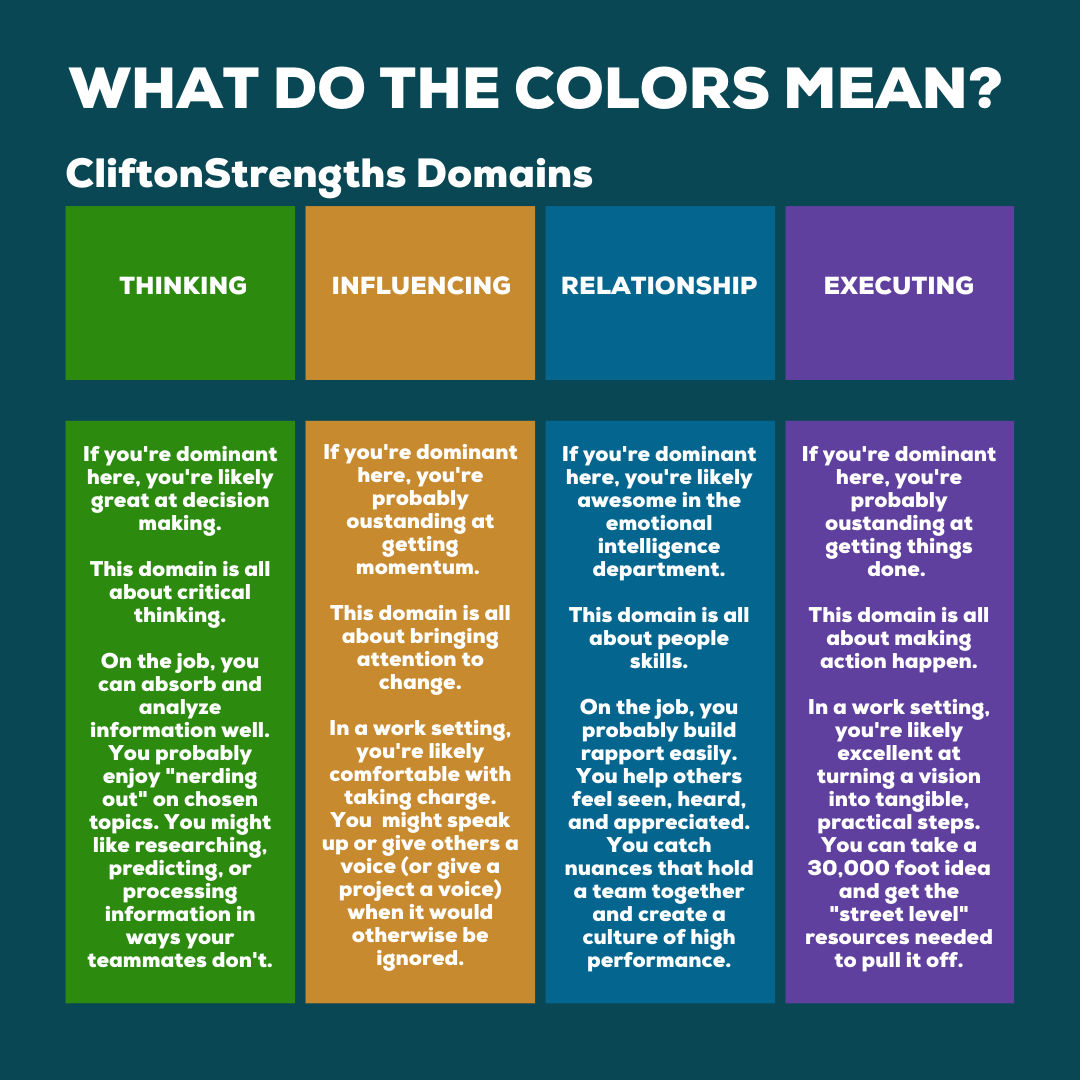
The StrengthsFinder assessment, developed by Gallup and Don Clifton, has been widely used in various settings, including education and employment. However, despite its popularity, the assessment has faced numerous criticisms. One of the primary concerns is the lack of scientific validity of the assessment, which has been questioned by many experts in the field of psychology. Additionally, the assessment has been criticized for its cultural bias and limited contextualization, which can lead to inaccurate results. For more information on the assessment, visit the CliftonStrengths website.
🚫 Criticisms of the CliftonStrengths Assessment
The CliftonStrengths assessment has been criticized for its lack of scientific validity, with many experts arguing that the assessment is not based on empirical evidence. The assessment has also been criticized for its overemphasis on individual strengths, which can lead to a lack of focus on weaknesses and areas for improvement. Furthermore, the assessment has been criticized for its limited contextualization, which can result in inaccurate results. For example, the assessment does not take into account the individual's socio-economic status or cultural background. For more information on the limitations of the assessment, visit the Gallup website.
📝 Lack of Scientific Validity
One of the primary criticisms of the StrengthsFinder assessment is its lack of scientific validity. The assessment has been criticized for its lack of empirical evidence, with many experts arguing that the assessment is not based on rigorous scientific research. Additionally, the assessment has been criticized for its methodological flaws, which can result in inaccurate results. For example, the assessment uses a forced-choice format, which can lead to biases and errors. For more information on the methodological flaws of the assessment, visit the psychology section of the Vibepedia website.
👥 Cultural Bias and Limited Contextualization
The StrengthsFinder assessment has been criticized for its cultural bias and limited contextualization. The assessment has been developed primarily for use in Western cultures, and its results may not be generalizable to other cultures. Additionally, the assessment has been criticized for its lack of diversity, with many experts arguing that the assessment does not account for the diverse experiences and backgrounds of individuals. For example, the assessment does not take into account the individual's disability or Mental health. For more information on the cultural bias of the assessment, visit the cultural psychology section of the Vibepedia website.
📊 Overemphasis on Individual Strengths
The StrengthsFinder assessment has been criticized for its overemphasis on individual strengths, which can lead to a lack of focus on weaknesses and areas for improvement. The assessment has been criticized for its narrow focus on individual strengths, which can result in an incomplete picture of the individual's abilities and potential. Additionally, the assessment has been criticized for its lack of context, which can lead to inaccurate results. For example, the assessment does not take into account the individual's work environment or social support. For more information on the limitations of the assessment, visit the Gallup website.
🤝 Ignoring Weaknesses and Areas for Improvement
The StrengthsFinder assessment has been criticized for ignoring weaknesses and areas for improvement. The assessment has been criticized for its positive bias, which can result in an overly optimistic view of the individual's abilities and potential. Additionally, the assessment has been criticized for its lack of feedback, which can make it difficult for individuals to identify areas for improvement. For example, the assessment does not provide feedback on the individual's weaknesses or areas for improvement. For more information on the limitations of the assessment, visit the psychology section of the Vibepedia website.
📚 Alternative Approaches to Personal Development
There are alternative approaches to personal development that do not rely on the StrengthsFinder assessment. For example, the Big Five personality traits framework provides a more comprehensive and nuanced view of individual personality and abilities. Additionally, the growth mindset approach emphasizes the importance of effort and persistence in achieving success, rather than relying solely on individual strengths. For more information on alternative approaches to personal development, visit the personal development section of the Vibepedia website.
📊 The Role of Context in StrengthsFinder
The StrengthsFinder assessment has been criticized for its lack of contextualization, which can result in inaccurate results. The assessment has been criticized for its lack of consideration of context, which can lead to an incomplete picture of the individual's abilities and potential. Additionally, the assessment has been criticized for its failure to account for environmental factors, which can impact the individual's performance and success. For example, the assessment does not take into account the individual's work-life balance or social support. For more information on the limitations of the assessment, visit the Gallup website.
📝 Criticisms from the Academic Community
The StrengthsFinder assessment has been criticized by the academic community for its lack of scientific validity and methodological flaws. The assessment has been criticized for its lack of peer-reviewed research, which can make it difficult to evaluate the assessment's effectiveness and validity. Additionally, the assessment has been criticized for its lack of transparency, which can make it difficult to understand the assessment's methodology and results. For example, the assessment's scoring system is not publicly available, which can make it difficult to evaluate the assessment's results. For more information on the criticisms of the assessment, visit the psychology section of the Vibepedia website.
📊 The Future of StrengthsFinder and Personal Development
The future of StrengthsFinder and personal development is likely to involve a more nuanced and comprehensive approach to individual development. The assessment has been criticized for its lack of consideration of context, which can lead to an incomplete picture of the individual's abilities and potential. Additionally, the assessment has been criticized for its failure to account for environmental factors, which can impact the individual's performance and success. For example, the assessment does not take into account the individual's work-life balance or social support. For more information on the future of StrengthsFinder and personal development, visit the personal development section of the Vibepedia website.
📝 Conclusion and Recommendations
In conclusion, the StrengthsFinder assessment has been criticized for its lack of scientific validity, cultural bias, and limited contextualization. The assessment has been criticized for its overemphasis on individual strengths, which can lead to a lack of focus on weaknesses and areas for improvement. Additionally, the assessment has been criticized for its lack of feedback, which can make it difficult for individuals to identify areas for improvement. For more information on the limitations of the assessment, visit the Gallup website. It is recommended that individuals and organizations consider alternative approaches to personal development, such as the Big Five personality traits framework or the growth mindset approach.
Key Facts
- Year
- 2001
- Origin
- Gallup Organization
- Category
- Psychology and Education
- Type
- Psychological Assessment Tool
Frequently Asked Questions
What is the StrengthsFinder assessment?
The StrengthsFinder assessment is a personality assessment developed by Gallup and Don Clifton. The assessment is designed to identify individual strengths and provide feedback on how to develop and utilize those strengths. However, the assessment has been criticized for its lack of scientific validity, cultural bias, and limited contextualization. For more information on the assessment, visit the CliftonStrengths website.
What are the criticisms of the StrengthsFinder assessment?
The StrengthsFinder assessment has been criticized for its lack of scientific validity, cultural bias, and limited contextualization. The assessment has been criticized for its overemphasis on individual strengths, which can lead to a lack of focus on weaknesses and areas for improvement. Additionally, the assessment has been criticized for its lack of feedback, which can make it difficult for individuals to identify areas for improvement. For more information on the limitations of the assessment, visit the Gallup website.
What are alternative approaches to personal development?
There are alternative approaches to personal development that do not rely on the StrengthsFinder assessment. For example, the Big Five personality traits framework provides a more comprehensive and nuanced view of individual personality and abilities. Additionally, the growth mindset approach emphasizes the importance of effort and persistence in achieving success, rather than relying solely on individual strengths. For more information on alternative approaches to personal development, visit the personal development section of the Vibepedia website.
What is the future of StrengthsFinder and personal development?
The future of StrengthsFinder and personal development is likely to involve a more nuanced and comprehensive approach to individual development. The assessment has been criticized for its lack of consideration of context, which can lead to an incomplete picture of the individual's abilities and potential. Additionally, the assessment has been criticized for its failure to account for environmental factors, which can impact the individual's performance and success. For example, the assessment does not take into account the individual's work-life balance or social support. For more information on the future of StrengthsFinder and personal development, visit the personal development section of the Vibepedia website.
What are the implications of the criticisms of the StrengthsFinder assessment?
The implications of the criticisms of the StrengthsFinder assessment are significant. The assessment has been widely used in various settings, including education and employment. However, the assessment's lack of scientific validity, cultural bias, and limited contextualization can lead to inaccurate results and a lack of focus on weaknesses and areas for improvement. For more information on the implications of the criticisms, visit the Gallup website.
How can individuals and organizations use the StrengthsFinder assessment effectively?
Individuals and organizations can use the StrengthsFinder assessment effectively by considering its limitations and using it in conjunction with other approaches to personal development. For example, the Big Five personality traits framework can provide a more comprehensive and nuanced view of individual personality and abilities. Additionally, the growth mindset approach can emphasize the importance of effort and persistence in achieving success. For more information on how to use the StrengthsFinder assessment effectively, visit the personal development section of the Vibepedia website.
What are the potential consequences of relying solely on the StrengthsFinder assessment?
The potential consequences of relying solely on the StrengthsFinder assessment are significant. The assessment's lack of scientific validity, cultural bias, and limited contextualization can lead to inaccurate results and a lack of focus on weaknesses and areas for improvement. Additionally, the assessment's overemphasis on individual strengths can lead to a lack of consideration of context and environmental factors, which can impact the individual's performance and success. For more information on the potential consequences, visit the Gallup website.