
Contents
- 🌎 Introduction to Community Organizers
- 👥 The Process of Community Organizing
- 💡 Key Principles of Community Organizing
- 🌈 Building a Robust Local Democracy
- 📢 Developing New Local Leaders
- 🤝 Facilitating Coalitions and Campaigns
- 🔥 Conflict and Social Struggle in Community Organizing
- 📊 Measuring the Impact of Community Organizers
- 🌐 Global Examples of Community Organizing
- 🚀 The Future of Community Organizing
- 👀 Challenges and Controversies in Community Organizing
- 🌟 Success Stories of Community Organizers
- Frequently Asked Questions
- Related Topics
Overview
Community organizers are the backbone of social movements, working tirelessly to mobilize communities, build coalitions, and push for policy changes. With a rich history dating back to the Civil Rights Movement, community organizers have played a crucial role in shaping the course of social justice in the United States. From iconic figures like Saul Alinsky and Ella Baker to modern-day organizers like Alicia Garza and Patrisse Cullors, community organizers have consistently demonstrated their ability to drive progress and challenge the status quo. However, their work is often underappreciated and overlooked, with many organizers facing significant challenges and backlash from powerful interests. Despite these obstacles, community organizers remain a vital force for social change, using innovative tactics and strategies to build power and create lasting impact. With a vibe score of 8, community organizers are a testament to the power of grassroots activism and the importance of community-led social change, influencing key events like the 1963 March on Washington and the 2014 Ferguson protests, and connected to entities like the National Association for the Advancement of Colored People (NAACP) and the American Civil Liberties Union (ACLU)
🌎 Introduction to Community Organizers
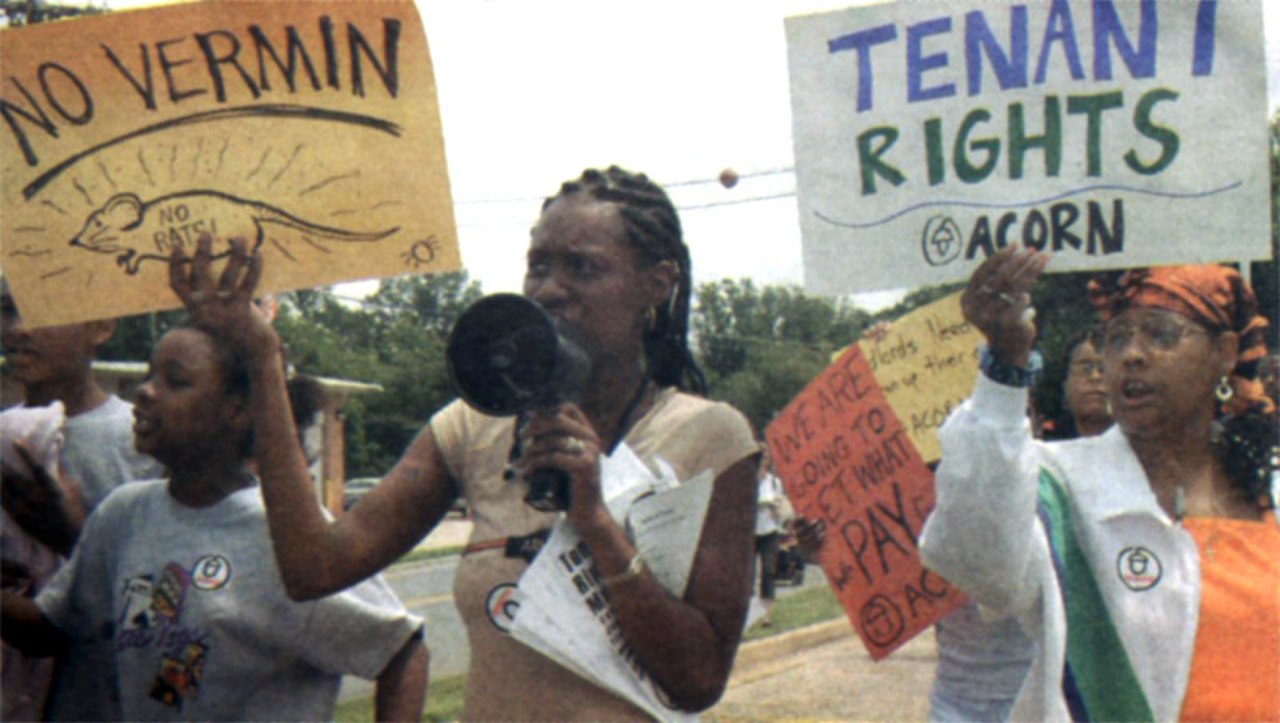
Community organizers are the unseen forces behind social change, working tirelessly to bring people together and fight for the interests of their community. As social justice advocates, they understand that social change often involves conflict and social struggle. Community organizers work with people who live in proximity to each other or share some common problem, helping them come together into an organization that acts in their shared self-interest. This process is rooted in the principles of community building and social movement theory. By developing new local leaders and facilitating coalitions, community organizers aim to generate durable power for their organization, allowing them to influence key decision-makers on a range of issues over time.
👥 The Process of Community Organizing
The process of community organizing involves several key steps, including identifying common problems, building relationships, and developing a shared vision for change. Community organizers use a range of tactics, from grassroots organizing to policy advocacy, to bring people together and push for social change. As community development experts, they understand the importance of building a robust, organized, local democracy that can bring community members together across differences to fight for their interests. This process is often facilitated by nonprofit organizations and community-based initiatives.
💡 Key Principles of Community Organizing
At the heart of community organizing are several key principles, including the importance of collective power, social struggle, and community-led decision-making. Community organizers believe that social change necessarily involves conflict and social struggle, and that this conflict can be a catalyst for growth and transformation. As social change theory suggests, community organizers aim to generate durable power for their organization, allowing them to influence key decision-makers on a range of issues over time. This is often achieved through coalition building and campaign development.
🌈 Building a Robust Local Democracy
Building a robust local democracy is a central goal of community organizing, as it allows community members to come together and make decisions that reflect their shared interests. Community organizers work to develop new local leaders, facilitate coalitions, and assist in the development of campaigns that promote social change. As democracy theory suggests, this process is rooted in the principles of participation, inclusion, and collective decision-making. By building a robust local democracy, community organizers can help ensure that community members have a voice in the decisions that affect their lives. This is often facilitated by civic engagement initiatives and community participation programs.
📢 Developing New Local Leaders
Developing new local leaders is a critical component of community organizing, as it helps to ensure that the organization has a strong, sustainable base of support. Community organizers work to identify and develop new leaders, providing them with the training and support they need to succeed. As leadership development experts, they understand the importance of building a pipeline of talented, committed leaders who can help drive social change. This process is often facilitated by mentorship programs and leadership training initiatives.
🤝 Facilitating Coalitions and Campaigns
Facilitating coalitions and campaigns is a key tactic used by community organizers to bring people together and push for social change. By building relationships with other organizations and community groups, community organizers can help to amplify their message and increase their impact. As coalition building experts, they understand the importance of building strong, sustainable relationships with other organizations and community groups. This process is often facilitated by networking events and partnership development initiatives.
📊 Measuring the Impact of Community Organizers
Measuring the impact of community organizers is critical to understanding the effectiveness of their work. Community organizers use a range of metrics, from participation rates to policy outcomes, to evaluate the success of their efforts. As evaluation methods experts, they understand the importance of using data-driven approaches to assess the impact of their work. By measuring the impact of community organizers, we can better understand the role that they play in promoting social change and building stronger, more resilient communities.
🌐 Global Examples of Community Organizing
Community organizing is a global phenomenon, with community organizers working in countries around the world to promote social change. From human rights to environmental justice, community organizers are working on a range of issues that affect communities globally. As global social movements experts, they understand the importance of building international solidarity and promoting global cooperation. By sharing best practices and lessons learned, community organizers can help to build a stronger, more resilient global movement for social change.
🚀 The Future of Community Organizing
The future of community organizing is uncertain, but one thing is clear: community organizers will continue to play a critical role in promoting social change and building stronger, more resilient communities. As social change theory suggests, community organizers will need to adapt to changing circumstances and find new ways to build power and promote social change. By building on the lessons of the past and embracing new technologies and tactics, community organizers can help to create a brighter, more just future for all.
👀 Challenges and Controversies in Community Organizing
Despite the many successes of community organizers, there are also challenges and controversies that arise in this work. From funding constraints to burnout and self-care, community organizers face a range of challenges that can make their work more difficult. As nonprofit management experts, they understand the importance of building sustainable organizations and promoting self-care. By acknowledging and addressing these challenges, community organizers can help to build a stronger, more resilient movement for social change.
🌟 Success Stories of Community Organizers
There are many success stories of community organizers who have made a significant impact in their communities. From civil rights movement leaders to environmental justice advocates, community organizers have played a critical role in promoting social change and building stronger, more resilient communities. As social movement experts, they understand the importance of building on the lessons of the past and embracing new technologies and tactics. By sharing these success stories, we can help to inspire and motivate a new generation of community organizers to continue this critical work.
Key Facts
- Year
- 1960
- Origin
- United States
- Category
- Social Justice
- Type
- Social Movement
Frequently Asked Questions
What is community organizing?
Community organizing is a process where people who live in proximity to each other or share some common problem come together into an organization that acts in their shared self-interest. Community organizers work to develop new local leaders, facilitate coalitions, and assist in the development of campaigns that promote social change. As social change theory suggests, community organizers aim to generate durable power for their organization, allowing them to influence key decision-makers on a range of issues over time.
What are the key principles of community organizing?
The key principles of community organizing include the importance of collective power, social struggle, and community-led decision-making. Community organizers believe that social change necessarily involves conflict and social struggle, and that this conflict can be a catalyst for growth and transformation. As community building experts, they understand the importance of building a robust, organized, local democracy that can bring community members together across differences to fight for their interests.
What is the role of community organizers in promoting social change?
Community organizers play a critical role in promoting social change by working to develop new local leaders, facilitate coalitions, and assist in the development of campaigns that promote social change. As social movement experts, they understand the importance of building on the lessons of the past and embracing new technologies and tactics. By building a robust, organized, local democracy, community organizers can help to ensure that community members have a voice in the decisions that affect their lives.
How do community organizers measure the impact of their work?
Community organizers use a range of metrics, from participation rates to policy outcomes, to evaluate the success of their efforts. As evaluation methods experts, they understand the importance of using data-driven approaches to assess the impact of their work. By measuring the impact of community organizers, we can better understand the role that they play in promoting social change and building stronger, more resilient communities.
What are some challenges faced by community organizers?
Community organizers face a range of challenges, from funding constraints to burnout and self-care. As nonprofit management experts, they understand the importance of building sustainable organizations and promoting self-care. By acknowledging and addressing these challenges, community organizers can help to build a stronger, more resilient movement for social change.
What is the future of community organizing?
The future of community organizing is uncertain, but one thing is clear: community organizers will continue to play a critical role in promoting social change and building stronger, more resilient communities. As social change theory suggests, community organizers will need to adapt to changing circumstances and find new ways to build power and promote social change. By building on the lessons of the past and embracing new technologies and tactics, community organizers can help to create a brighter, more just future for all.
How can I get involved in community organizing?
There are many ways to get involved in community organizing, from volunteering with a local organization to participating in a community campaign. As community building experts, community organizers understand the importance of building relationships and fostering a sense of community. By getting involved in community organizing, you can help to make a positive impact in your community and contribute to the creation of a more just and equitable society.