
Contents
- 🌎 Introduction to Communion
- ✝️ The Origins of Communion in Christianity
- 🍞 The Ritual of the Eucharist
- 🕊️ The Significance of Communion in Different Christian Denominations
- 🌈 Communion Across Religions and Cultures
- 🤝 The Role of Communion in Building Community
- 📜 The Theology of Communion
- 🌟 The Cultural Resonance of Communion
- 🌐 The Future of Communion in a Changing World
- 📊 Controversies and Debates Surrounding Communion
- 👥 The Impact of Communion on Personal Spirituality
- Frequently Asked Questions
- Related Topics
Overview
Communion, also known as the Eucharist or Holy Communion, is a sacred ritual in Christianity where believers partake in the consumption of bread and wine, symbolizing the body and blood of Jesus Christ. With a history dating back to the Last Supper in 33 AD, communion has evolved over time, with various Christian denominations interpreting its significance and practice differently. The historian notes that the early Christian Church fathers, such as St. Augustine and St. Thomas Aquinas, played a significant role in shaping the theology of communion. However, the skeptic questions the literal interpretation of transubstantiation, sparking debates among scholars and theologians. As a cultural phenomenon, communion has a vibe score of 80, reflecting its profound impact on art, literature, and music throughout history. The futurist wonders how communion will adapt to changing societal values and technological advancements, potentially altering the way people experience and interact with this sacred ritual. With influence flows tracing back to ancient Jewish traditions and forward to modern-day ecumenical movements, communion remains a complex and multifaceted topic, with entity relationships spanning across religious, cultural, and historical contexts.
🌎 Introduction to Communion
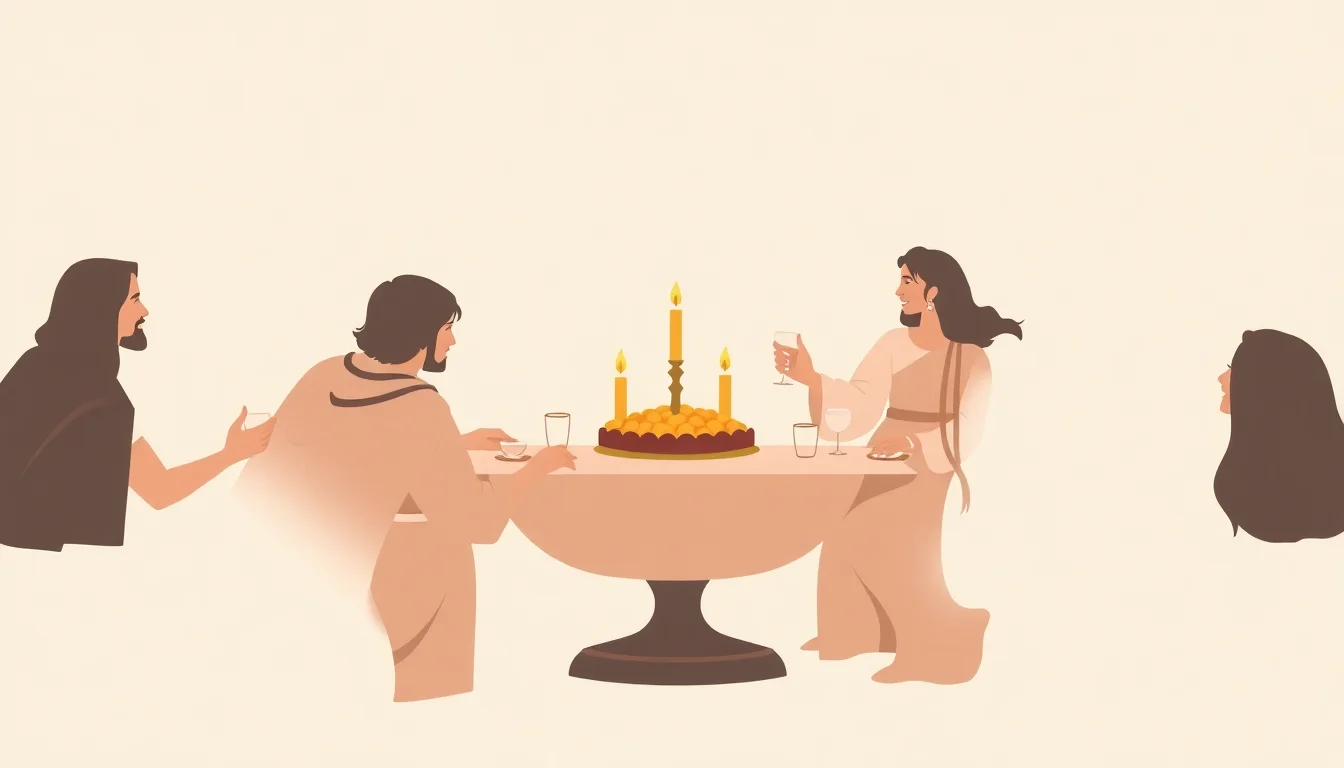
Communion, also known as the Eucharist or Holy Communion, is a sacred ritual in which participants share bread and wine to symbolize the body and blood of Jesus Christ. This ritual is a central aspect of Christianity, and its significance varies across different Christian denominations. The concept of communion is rooted in the Last Supper, where Jesus shared bread and wine with his disciples, instructing them to continue this practice in remembrance of him. As a result, communion has become an essential part of Christian worship, with many churches offering communion services on a regular basis. For example, the Catholic Church has a long history of communion, with the ritual being a cornerstone of Catholic worship. In contrast, some Protestant churches have a more informal approach to communion, with an emphasis on personal interpretation and experience.
✝️ The Origins of Communion in Christianity
The origins of communion in Christianity date back to the New Testament accounts of the Last Supper. According to the Gospel of Luke, Jesus took bread, gave thanks, and broke it, saying 'This is my body, which is given for you. Do this in remembrance of me.' Similarly, he took a cup of wine, saying 'This cup is the new covenant in my blood, which is shed for you.' This event has been interpreted in various ways throughout history, with different Christian denominations developing their own understanding of the significance and meaning of communion. For instance, the Eastern Orthodox Church has a rich tradition of communion, with an emphasis on the mystical and sacramental aspects of the ritual. In contrast, some Evangelical churches focus on the personal and emotional aspects of communion, with an emphasis on individual experience and relationship with God.
🍞 The Ritual of the Eucharist
The ritual of the Eucharist, also known as Holy Communion, typically involves the consecration of bread and wine by a priest or other authorized minister. The bread and wine are then distributed to the participants, who consume them in remembrance of Christ's sacrifice. The specifics of the ritual vary across different Christian denominations, with some churches using liturgy and others using more informal language. For example, the Lutheran Church has a traditional approach to communion, with an emphasis on the sacramental aspects of the ritual. In contrast, some Pentecostal churches have a more spontaneous and charismatic approach to communion, with an emphasis on the emotional and experiential aspects of the ritual. The concept of communion is also closely tied to the idea of fellowship, with many churches emphasizing the importance of community and shared experience in the communion ritual.
🕊️ The Significance of Communion in Different Christian Denominations
The significance of communion varies across different Christian denominations, with some churches placing a strong emphasis on the sacramental aspects of the ritual. For example, the Catholic Church teaches that the bread and wine used in communion become the literal body and blood of Christ, a doctrine known as transubstantiation. In contrast, some Protestant churches reject this doctrine, instead emphasizing the symbolic or spiritual significance of communion. The concept of communion is also closely tied to the idea of salvation, with many churches teaching that participation in communion is essential for spiritual growth and development. For instance, the Baptist Church has a strong emphasis on personal conversion and experience, with communion being seen as an important part of the spiritual journey. In contrast, some Anglican churches have a more nuanced approach to communion, with an emphasis on the balance between sacramental and symbolic aspects of the ritual.
🌈 Communion Across Religions and Cultures
Communion is not unique to Christianity, with similar rituals and practices found in other religions and cultures. For example, the Jewish tradition of Passover involves the sharing of bread and wine, symbolizing the liberation of the Israelites from slavery. Similarly, some Native American cultures have rituals involving the sharing of food and drink, symbolizing community and shared experience. The concept of communion is also closely tied to the idea of spirituality, with many people seeking to deepen their spiritual practice through participation in communion. For instance, the Sufi tradition of Islam has a strong emphasis on the mystical and spiritual aspects of communion, with an emphasis on the personal and emotional experience of the individual. In contrast, some Buddhist traditions have a more communal and ritualistic approach to communion, with an emphasis on the shared experience of the community.
🤝 The Role of Communion in Building Community
The role of communion in building community is a significant aspect of the ritual, with many churches emphasizing the importance of shared experience and fellowship. The concept of communion is closely tied to the idea of community, with many people seeking to deepen their sense of connection and belonging through participation in communion. For example, the Quaker tradition has a strong emphasis on the communal and egalitarian aspects of communion, with an emphasis on the shared experience of the community. In contrast, some Catholic churches have a more hierarchical approach to communion, with an emphasis on the role of the priest and the sacramental aspects of the ritual. The concept of communion is also closely tied to the idea of social justice, with many churches emphasizing the importance of compassion and service to others. For instance, the Methodist Church has a strong emphasis on social justice and community service, with communion being seen as an important part of the church's mission and outreach.
📜 The Theology of Communion
The theology of communion is complex and multifaceted, with different Christian denominations developing their own understanding of the significance and meaning of the ritual. The concept of communion is closely tied to the idea of Christology, with many churches emphasizing the importance of Christ's sacrifice and resurrection. For example, the Eastern Orthodox Church has a rich tradition of communion, with an emphasis on the mystical and sacramental aspects of the ritual. In contrast, some Evangelical churches focus on the personal and emotional aspects of communion, with an emphasis on individual experience and relationship with God. The concept of communion is also closely tied to the idea of ecclesiology, with many churches emphasizing the importance of the church as a community of believers. For instance, the Presbyterian Church has a strong emphasis on the communal and sacramental aspects of communion, with an emphasis on the role of the church in the life of the believer.
🌟 The Cultural Resonance of Communion
The cultural resonance of communion is significant, with the ritual being an important part of many people's spiritual practice and experience. The concept of communion is closely tied to the idea of tradition, with many churches emphasizing the importance of preserving and passing on the traditions of the past. For example, the Catholic Church has a rich tradition of communion, with an emphasis on the sacramental and mystical aspects of the ritual. In contrast, some Protestant churches have a more informal and spontaneous approach to communion, with an emphasis on the personal and emotional experience of the individual. The concept of communion is also closely tied to the idea of art and culture, with many artists and musicians drawing inspiration from the ritual and its symbolism. For instance, the iconography of communion has been a rich source of inspiration for many artists, with images of the Last Supper and the Eucharist being common themes in art and literature.
🌐 The Future of Communion in a Changing World
The future of communion in a changing world is uncertain, with many churches facing challenges and opportunities in their efforts to preserve and pass on the traditions of the past. The concept of communion is closely tied to the idea of mission and evangelism, with many churches emphasizing the importance of sharing the message of Christ with others. For example, the Pentecostal Church has a strong emphasis on evangelism and outreach, with communion being seen as an important part of the church's mission and ministry. In contrast, some Mainline Protestant churches have a more nuanced approach to communion, with an emphasis on the balance between tradition and innovation. The concept of communion is also closely tied to the idea of interfaith dialogue, with many churches seeking to build bridges of understanding and cooperation with other faith communities. For instance, the Ecumenical movement has been an important force in promoting interfaith dialogue and cooperation, with communion being seen as an important part of the ecumenical journey.
📊 Controversies and Debates Surrounding Communion
Controversies and debates surrounding communion are numerous, with different Christian denominations and individuals holding varying views on the significance and meaning of the ritual. The concept of communion is closely tied to the idea of sacramental theology, with many churches emphasizing the importance of the sacraments in the life of the believer. For example, the Catholic Church has a strong emphasis on the sacramental aspects of communion, with an emphasis on the role of the priest and the sacramental aspects of the ritual. In contrast, some Protestant churches have a more symbolic and spiritual approach to communion, with an emphasis on the personal and emotional experience of the individual. The concept of communion is also closely tied to the idea of church governance, with many churches facing challenges and debates over issues such as ordination and church authority. For instance, the Anglican Communion has been facing challenges and debates over issues such as same-sex marriage and the role of women in the church.
👥 The Impact of Communion on Personal Spirituality
The impact of communion on personal spirituality is significant, with many people finding the ritual to be a source of comfort, strength, and inspiration. The concept of communion is closely tied to the idea of personal growth, with many churches emphasizing the importance of spiritual growth and development. For example, the Baptist Church has a strong emphasis on personal conversion and experience, with communion being seen as an important part of the spiritual journey. In contrast, some Catholic churches have a more sacramental and mystical approach to communion, with an emphasis on the role of the priest and the sacramental aspects of the ritual. The concept of communion is also closely tied to the idea of community and belonging, with many people seeking to deepen their sense of connection and belonging through participation in communion. For instance, the Quaker tradition has a strong emphasis on the communal and egalitarian aspects of communion, with an emphasis on the shared experience of the community.
Key Facts
- Year
- 33
- Origin
- Jerusalem, Israel
- Category
- Religion and Spirituality
- Type
- Ritual
Frequently Asked Questions
What is the significance of communion in Christianity?
The significance of communion in Christianity varies across different Christian denominations, but it is generally seen as a way of remembering and honoring the sacrifice of Jesus Christ. The ritual of communion is a way of symbolizing the body and blood of Christ, and is often seen as a way of deepening one's spiritual practice and connection with God. For example, the Catholic Church teaches that the bread and wine used in communion become the literal body and blood of Christ, a doctrine known as transubstantiation. In contrast, some Protestant churches reject this doctrine, instead emphasizing the symbolic or spiritual significance of communion.
How does communion differ across different Christian denominations?
The specifics of the communion ritual vary across different Christian denominations, with some churches using liturgy and others using more informal language. For example, the Lutheran Church has a traditional approach to communion, with an emphasis on the sacramental aspects of the ritual. In contrast, some Pentecostal churches have a more spontaneous and charismatic approach to communion, with an emphasis on the emotional and experiential aspects of the ritual. The concept of communion is also closely tied to the idea of fellowship, with many churches emphasizing the importance of community and shared experience in the communion ritual.
What is the role of communion in building community?
The role of communion in building community is significant, with many churches emphasizing the importance of shared experience and fellowship. The concept of communion is closely tied to the idea of community, with many people seeking to deepen their sense of connection and belonging through participation in communion. For example, the Quaker tradition has a strong emphasis on the communal and egalitarian aspects of communion, with an emphasis on the shared experience of the community. In contrast, some Catholic churches have a more hierarchical approach to communion, with an emphasis on the role of the priest and the sacramental aspects of the ritual.
How does communion relate to other religious traditions?
Communion is not unique to Christianity, with similar rituals and practices found in other religions and cultures. For example, the Jewish tradition of Passover involves the sharing of bread and wine, symbolizing the liberation of the Israelites from slavery. Similarly, some Native American cultures have rituals involving the sharing of food and drink, symbolizing community and shared experience. The concept of communion is also closely tied to the idea of spirituality, with many people seeking to deepen their spiritual practice through participation in communion.
What are some of the controversies and debates surrounding communion?
Controversies and debates surrounding communion are numerous, with different Christian denominations and individuals holding varying views on the significance and meaning of the ritual. The concept of communion is closely tied to the idea of sacramental theology, with many churches emphasizing the importance of the sacraments in the life of the believer. For example, the Catholic Church has a strong emphasis on the sacramental aspects of communion, with an emphasis on the role of the priest and the sacramental aspects of the ritual. In contrast, some Protestant churches have a more symbolic and spiritual approach to communion, with an emphasis on the personal and emotional experience of the individual.