
Contents
- 📈 Introduction to Collective Bargaining
- 👥 The Role of Trade Unions in Collective Bargaining
- 💼 The Collective Bargaining Process
- 📊 Key Components of a Collective Agreement
- 🔒 The Importance of Grievance Mechanisms
- 💸 Productivity Bargaining: A Win-Win Approach
- 🚫 Challenges and Limitations of Collective Bargaining
- 🌎 Global Perspectives on Collective Bargaining
- 📊 Measuring the Success of Collective Bargaining
- 🔍 The Future of Collective Bargaining
- 👥 Best Practices for Effective Collective Bargaining
- Frequently Asked Questions
- Related Topics
Overview
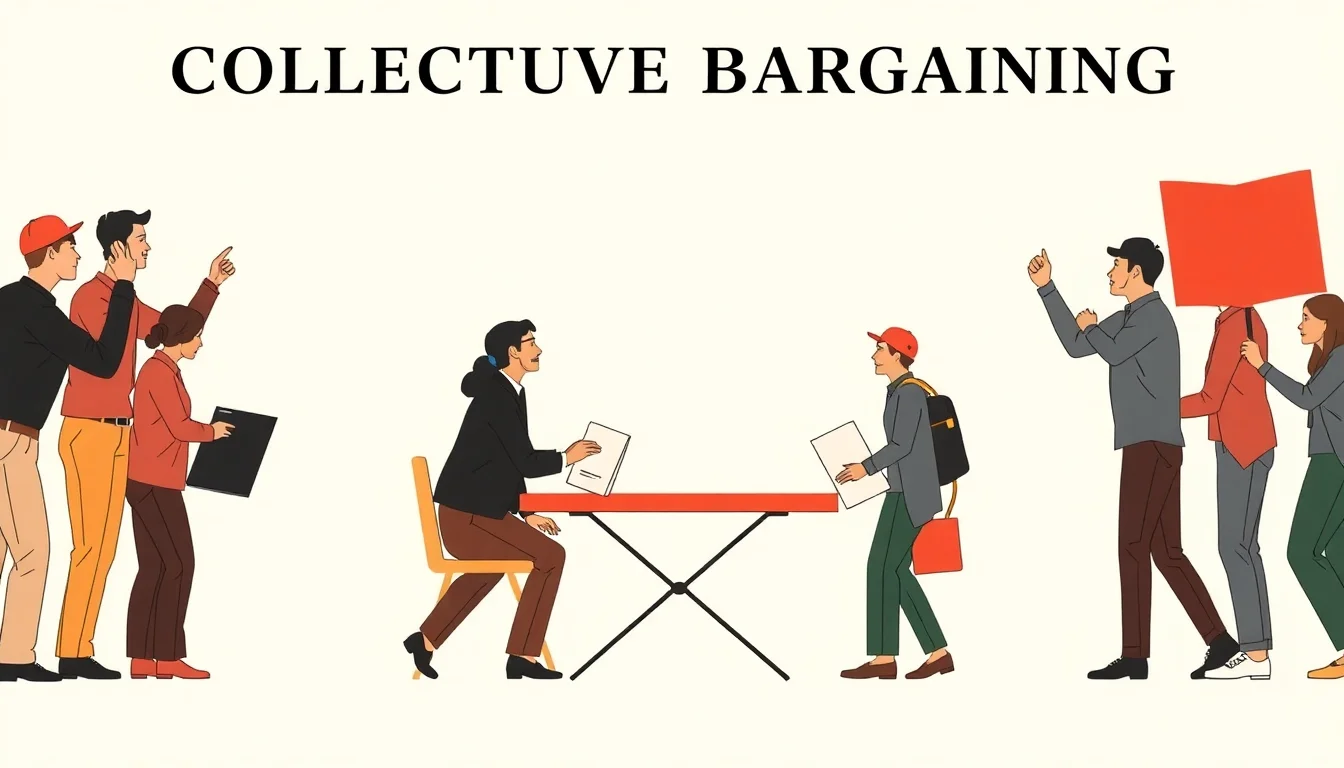
Collective bargaining is the process by which workers, often represented by unions, negotiate with employers to establish wages, benefits, and working conditions. This complex and contentious process has shaped the modern workplace, with landmark agreements like the 1950 Treaty of Detroit between General Motors and the United Auto Workers (UAW) setting the tone for decades to come. However, the rise of globalization and the decline of union membership have eroded bargaining power, sparking debates about the role of collective bargaining in the 21st-century economy. According to a 2020 report by the Bureau of Labor Statistics, union membership has declined from 20.1% of the workforce in 1983 to just 10.8% in 2020. Meanwhile, the National Labor Relations Act of 1935 remains a cornerstone of US labor law, protecting workers' right to organize and engage in collective bargaining. As the gig economy and automation transform the nature of work, collective bargaining will need to adapt to address the needs of a changing workforce, with some arguing that sectoral bargaining, which involves negotiations across entire industries, could be a key to reviving labor's fortunes. The influence of key figures like John L. Lewis, who led the UAW during its formative years, and organizations like the AFL-CIO, which has advocated for workers' rights since 1955, will continue to shape the trajectory of collective bargaining. With a vibe score of 8, reflecting its significant cultural energy and ongoing relevance, collective bargaining remains a critical component of the labor landscape, with far-reaching implications for workers, employers, and the broader economy.
📈 Introduction to Collective Bargaining
Collective bargaining is a crucial aspect of Labor Relations, allowing employees to negotiate with employers to improve their working conditions, salaries, and benefits. This process is facilitated by Trade Unions, which represent the interests of employees. The goal of collective bargaining is to reach a Collective Agreement that regulates various aspects of employment, including Wage Scales, Working Hours, and Health and Safety. For instance, the National Labor Relations Act in the United States provides a framework for collective bargaining, while the International Labor Organization promotes fair labor practices globally.
👥 The Role of Trade Unions in Collective Bargaining
Trade unions play a vital role in collective bargaining, as they represent the collective interests of employees. Union Representation ensures that employees have a stronger voice in negotiations, allowing them to secure better working conditions and higher wages. The Service Employees International Union and the United Auto Workers are examples of trade unions that have successfully negotiated collective agreements on behalf of their members. However, the National Right-to-Work movement has raised concerns about the role of trade unions in collective bargaining.
💼 The Collective Bargaining Process
The collective bargaining process typically involves several stages, including Preparation, Negotiation, and Ratification. Employers and employees must engage in good-faith negotiations, with the goal of reaching a mutually beneficial agreement. The Federal Labor Relations Authority provides guidance on the collective bargaining process, while the Labor Management Reporting and Disclosure Act regulates the activities of labor unions.
📊 Key Components of a Collective Agreement
A collective agreement typically includes provisions related to Wage Scales, Working Hours, Training, and Health and Safety. It may also address issues such as Overtime, Grievance Mechanisms, and Worker Participation in company affairs. For example, the Collective Bargaining Agreement between the United Steelworkers and the Steel Industry includes provisions for worker training and health and safety protocols.
🔒 The Importance of Grievance Mechanisms
Grievance mechanisms are an essential component of collective agreements, as they provide a process for resolving disputes between employers and employees. These mechanisms can help to prevent Labor Disputes and promote a more positive work environment. The National Labor Relations Board provides guidance on grievance mechanisms, while the American Arbitration Association offers alternative dispute resolution services.
💸 Productivity Bargaining: A Win-Win Approach
Productivity bargaining is a type of collective bargaining that involves employees agreeing to changes in working practices in exchange for higher pay or greater job security. This approach can be beneficial for both employers and employees, as it can lead to increased productivity and improved working conditions. The Productivity Bargaining Agreement between the Communication Workers of America and the Telecommunications Industry is an example of a successful productivity bargaining agreement.
🚫 Challenges and Limitations of Collective Bargaining
Despite its benefits, collective bargaining can be challenging, particularly in industries with Anti-Union sentiments. Employers may resist collective bargaining, and employees may face difficulties in organizing and negotiating with their employers. The National Labor Relations Act provides protections for employees who engage in collective bargaining, while the Labor Management Reporting and Disclosure Act regulates the activities of labor unions.
🌎 Global Perspectives on Collective Bargaining
Collective bargaining is a global phenomenon, with countries such as Germany and Sweden having well-established collective bargaining systems. The International Labor Organization promotes fair labor practices and provides guidance on collective bargaining. The European Union has implemented regulations to promote collective bargaining and worker participation in company affairs.
📊 Measuring the Success of Collective Bargaining
Measuring the success of collective bargaining can be complex, as it depends on various factors such as the Wage Scales, Working Hours, and Health and Safety provisions included in the collective agreement. However, research has shown that collective bargaining can lead to improved working conditions, higher wages, and increased job satisfaction. The Bureau of Labor Statistics provides data on collective bargaining and labor relations, while the Economic Policy Institute conducts research on the impact of collective bargaining on the economy.
🔍 The Future of Collective Bargaining
The future of collective bargaining is uncertain, as it faces challenges such as Globalization and Automation. However, with the rise of the Gig Economy, collective bargaining may become even more important, as workers seek to negotiate better working conditions and benefits. The National Labor Relations Board has issued guidance on collective bargaining in the gig economy, while the International Labor Organization has launched initiatives to promote fair labor practices in the gig economy.
👥 Best Practices for Effective Collective Bargaining
Best practices for effective collective bargaining include Preparation, Communication, and Flexibility. Employers and employees must engage in good-faith negotiations, with a willingness to compromise and find mutually beneficial solutions. The Federal Labor Relations Authority provides guidance on best practices for collective bargaining, while the Labor Management Reporting and Disclosure Act regulates the activities of labor unions.
Key Facts
- Year
- 1935
- Origin
- National Labor Relations Act of 1935, United States
- Category
- Labor Relations
- Type
- Concept
Frequently Asked Questions
What is collective bargaining?
Collective bargaining is a process of negotiation between employers and a group of employees aimed at agreements to regulate working salaries, working conditions, benefits, and other aspects of workers' compensation and rights for workers. It is facilitated by trade unions, which represent the interests of employees. For example, the National Labor Relations Act provides a framework for collective bargaining in the United States.
What are the benefits of collective bargaining?
The benefits of collective bargaining include improved working conditions, higher wages, and increased job satisfaction. Collective bargaining can also lead to increased productivity and better labor-management relations. However, collective bargaining can be challenging, particularly in industries with Anti-Union sentiments. The International Labor Organization promotes fair labor practices and provides guidance on collective bargaining.
What is the role of trade unions in collective bargaining?
Trade unions play a vital role in collective bargaining, as they represent the collective interests of employees. Union representation ensures that employees have a stronger voice in negotiations, allowing them to secure better working conditions and higher wages. The Service Employees International Union and the United Auto Workers are examples of trade unions that have successfully negotiated collective agreements on behalf of their members.
What are the key components of a collective agreement?
A collective agreement typically includes provisions related to wage scales, working hours, training, and health and safety. It may also address issues such as overtime, grievance mechanisms, and worker participation in company affairs. For example, the Collective Bargaining Agreement between the United Steelworkers and the Steel Industry includes provisions for worker training and health and safety protocols.
What is productivity bargaining?
Productivity bargaining is a type of collective bargaining that involves employees agreeing to changes in working practices in exchange for higher pay or greater job security. This approach can be beneficial for both employers and employees, as it can lead to increased productivity and improved working conditions. The Productivity Bargaining Agreement between the Communication Workers of America and the Telecommunications Industry is an example of a successful productivity bargaining agreement.
What are the challenges facing collective bargaining?
Collective bargaining faces challenges such as globalization and automation, which can lead to increased competition and decreased union membership. However, with the rise of the gig economy, collective bargaining may become even more important, as workers seek to negotiate better working conditions and benefits. The National Labor Relations Board has issued guidance on collective bargaining in the gig economy, while the International Labor Organization has launched initiatives to promote fair labor practices in the gig economy.
What is the future of collective bargaining?
The future of collective bargaining is uncertain, as it faces challenges such as globalization and automation. However, with the rise of the gig economy, collective bargaining may become even more important, as workers seek to negotiate better working conditions and benefits. The National Labor Relations Board has issued guidance on collective bargaining in the gig economy, while the International Labor Organization has launched initiatives to promote fair labor practices in the gig economy.