
Contents
- 🍵 Introduction to Coffeehouses
- 🌍 Global Coffee Culture
- 🍴 Food and Beverage Options
- 🍫 The Rise of Doughnut Shops
- 🍺 Alcoholic Drinks in European Cafés
- 🚭 Shisha and Hookah Culture
- 👥 Social Aspect of Coffeehouses
- 💼 Coffeehouses as Workspaces
- 📈 The Business of Coffee
- 🌟 Trends in Coffee Culture
- 🤝 Community Engagement
- 📊 The Future of Coffeehouses
- Frequently Asked Questions
- Related Topics
Overview
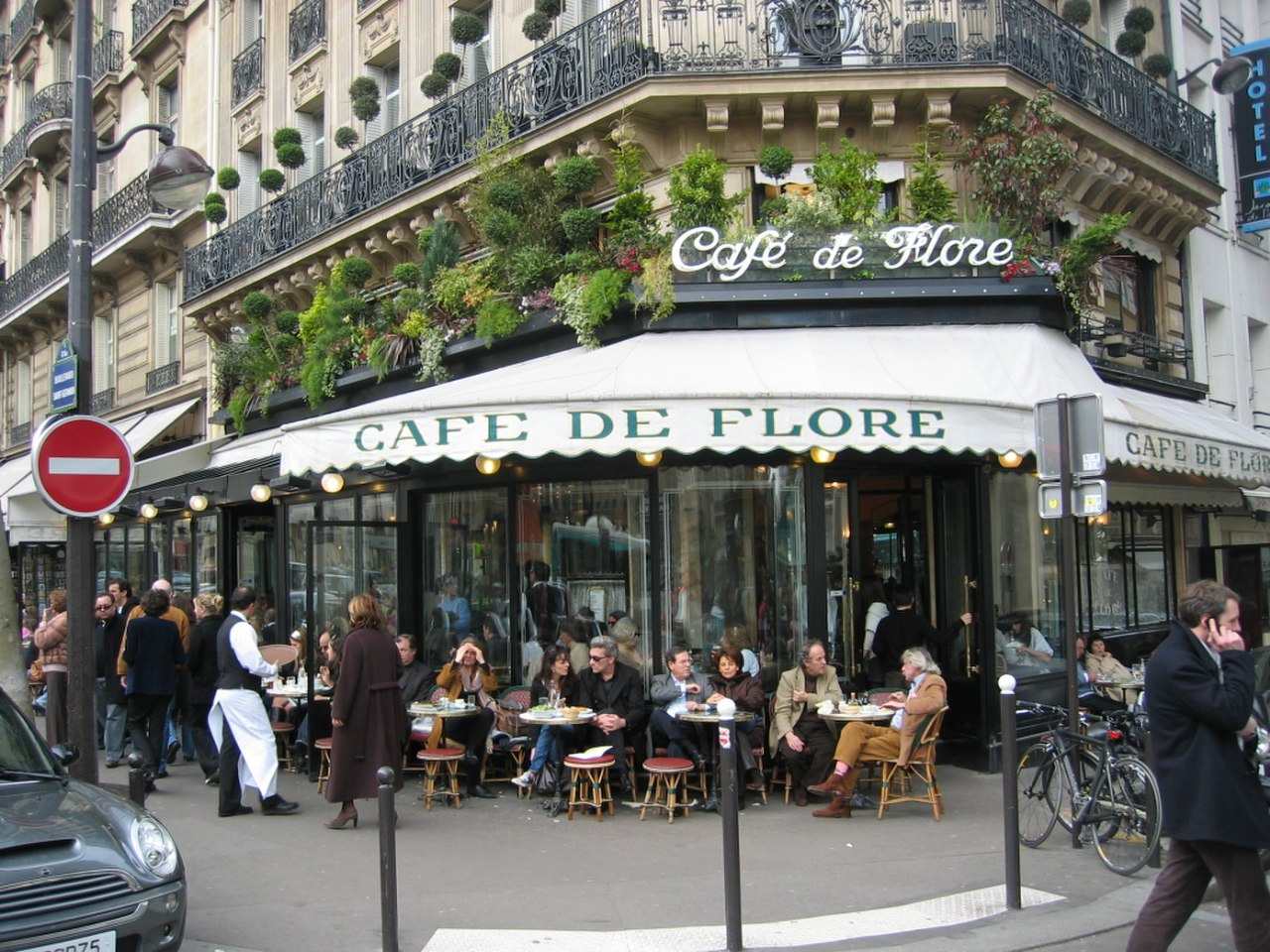
Coffeehouses have been a staple of urban life for centuries, with the first recorded coffeehouse opening in London in 1652. These establishments quickly became hubs for intellectual and artistic gatherings, with notable figures like Voltaire and Rousseau frequenting Parisian coffeehouses in the 18th century. Today, coffeehouses are a ubiquitous part of cityscapes worldwide, with chains like Starbucks and independent shops like Intelligentsia Coffee offering a wide range of coffee drinks and atmospheres. However, the rise of corporate coffee chains has led to concerns about the homogenization of coffee culture and the displacement of local, independent coffee shops. With a vibe score of 8, coffeehouses continue to be a vital part of urban culture, with 64% of Americans drinking coffee daily, according to a survey by the National Coffee Association. As the coffee industry continues to evolve, with trends like sustainable coffee and coffee cupping on the rise, it will be interesting to see how coffeehouses adapt to changing consumer preferences and technological advancements, such as mobile ordering and coffee-brewing robots, with companies like CafeX and Briggo Coffee leading the charge.
🍵 Introduction to Coffeehouses
The concept of a coffeehouse, also known as a coffee shop or café, has been around for centuries, with the first recorded coffeehouse opening in Constantinople in 1552. These establishments have evolved over time to serve a variety of purposes, from social gathering spaces to workplaces. Today, coffeehouses can be found in almost every corner of the globe, each with its unique character and offerings. For instance, some coffeehouses specialize in serving espresso and espresso-based drinks, while others offer a wide range of food options, including sandwiches and pastries. In many cities, coffeehouses have become an integral part of the urban landscape, providing a space for people to relax, work, and socialize.
🌍 Global Coffee Culture
Coffee culture varies greatly from one region to another, with different countries and cities having their own unique take on the traditional coffeehouse. In Europe, for example, coffeehouses often serve as social hubs, where people gather to discuss politics, art, and culture. In contrast, coffeehouses in Asia may offer a more subdued atmosphere, with a focus on traditional tea and coffee drinks. The Middle East is also home to a rich coffee culture, with many coffeehouses serving cardamom coffee and other traditional beverages. Furthermore, the rise of coffee chains has led to a more standardized coffee experience, with many consumers opting for the convenience and consistency of these establishments.
🍴 Food and Beverage Options
In addition to coffee, many coffeehouses offer a variety of food and beverage options, including light snacks, muffins, and cakes. Some coffeehouses may also serve iced coffee and other cold drinks, as well as non-caffeinated beverages like tea and juice. In some cases, coffeehouses may even serve alcoholic drinks, such as wine and beer. The food options available at coffeehouses can range from simple pastries and sandwiches to more elaborate meals, such as breakfast dishes and lunch options. Moreover, the rise of food trucks and street food has led to a more diverse range of culinary options available at coffeehouses.
🍫 The Rise of Doughnut Shops
Doughnut shops, which often serve coffee to accompany their sweet treats, can also be classified as coffee shops. These establishments tend to be more casual and serve cheaper fare, making them a popular option for those looking for a quick and affordable breakfast or snack. In Canada and the United States, doughnut shops are a common sight, with many chains offering a wide range of doughnut flavors and coffee drinks. The combination of coffee and doughnuts has become a staple of North American food culture, with many consumers opting for the convenience and affordability of these establishments. Additionally, the rise of gourmet doughnuts has led to a more sophisticated and diverse range of doughnut options available at coffeehouses.
🍺 Alcoholic Drinks in European Cafés
In continental Europe, some cafés even serve alcoholic drinks, such as wine and beer. This is particularly common in countries like France and Italy, where coffee and wine are an integral part of the cultural heritage. The serving of alcoholic drinks in coffeehouses has become a popular trend in recent years, with many establishments offering a wide range of cocktails and other beverages. Moreover, the combination of coffee and alcohol has led to the creation of unique and innovative drinks, such as coffee cocktails and wine-based coffee drinks. However, the serving of alcoholic drinks in coffeehouses has also raised concerns about the impact on public health and safety.
🚭 Shisha and Hookah Culture
In West Asia, some coffeehouses offer a flavored tobacco smoked through a hookah, called shisha in most varieties of Arabic or nargile in Levantine Arabic, Greek, and Turkish. This traditional practice has been around for centuries and is an important part of the social culture in many Middle Eastern countries. The use of shisha and hookah in coffeehouses has become a popular trend in recent years, with many establishments offering a wide range of flavors and options. However, the health risks associated with shisha and hookah use have raised concerns among health professionals and policymakers. Furthermore, the cultural significance of shisha and hookah in Middle Eastern societies has led to a more nuanced and complex discussion about the role of these practices in modern society.
💼 Coffeehouses as Workspaces
In recent years, coffeehouses have become an increasingly popular workspace, with many freelancers and remote workers opting for the atmosphere and amenities of these establishments over traditional offices. The rise of co-working spaces has also led to a more flexible and dynamic work environment, with many coffeehouses offering meeting rooms and other facilities to support productivity and collaboration. Moreover, the combination of coffee and work has led to a more creative and innovative work culture, with many coffeehouses offering workshops and other events to facilitate networking and skill-building. However, the impact of coffeehouses on traditional workspaces has also raised concerns about the erosion of traditional employment norms and the rise of the gig economy.
📈 The Business of Coffee
The business of coffee is a complex and multifaceted industry, with many different players and stakeholders involved. From coffee farmers to roasters to baristas, the coffee supply chain is a long and winding road that requires careful management and coordination. The rise of coffee chains has led to a more standardized and efficient coffee industry, with many consumers opting for the convenience and consistency of these establishments. However, the impact of coffee chains on local coffee cultures has also raised concerns about the homogenization of traditional coffee practices and the erosion of local identities.
🌟 Trends in Coffee Culture
The trends in coffee culture are constantly evolving, with new and innovative drinks and practices emerging all the time. From cold brew to matcha, the world of coffee is a dynamic and ever-changing landscape that requires constant adaptation and innovation. The rise of sustainable coffee has led to a more environmentally conscious coffee culture, with many consumers opting for fair trade and organic coffee options. Moreover, the combination of coffee and technology has led to a more efficient and convenient coffee experience, with many coffeehouses offering mobile ordering and other digital amenities.
🤝 Community Engagement
Coffeehouses have long been a hub of community engagement, with many establishments hosting events and activities that bring people together and foster a sense of community. From book clubs to live music, coffeehouses are an important part of the social fabric of many cities and towns. The community aspect of coffeehouses is a key part of their appeal, with many consumers opting for the atmosphere and ambiance of these establishments over the convenience of take-out coffee. Moreover, the rise of social entrepreneurship has led to a more innovative and impactful coffee culture, with many coffeehouses offering workshops and other events to facilitate social change and community development.
📊 The Future of Coffeehouses
As the coffee industry continues to evolve and grow, it will be interesting to see how coffeehouses adapt and change to meet the needs of consumers. With the rise of sustainable coffee and social entrepreneurship, it is likely that coffeehouses will play an increasingly important role in promoting social and environmental responsibility. The future of coffeehouses is likely to be shaped by a combination of technological, social, and environmental factors, with many establishments opting for more sustainable and innovative practices. Moreover, the impact of coffeehouses on local communities will continue to be a key aspect of their appeal, with many consumers opting for the atmosphere and ambiance of these establishments over the convenience of take-out coffee.
Key Facts
- Year
- 1652
- Origin
- London, England
- Category
- Food and Culture
- Type
- Establishment
Frequently Asked Questions
What is a coffeehouse?
A coffeehouse, also known as a coffee shop or café, is an establishment that serves various types of coffee drinks, as well as other beverages and food options. Coffeehouses have a long history and have evolved over time to serve a variety of purposes, from social gathering spaces to workplaces. Today, coffeehouses can be found in almost every corner of the globe, each with its unique character and offerings. For instance, some coffeehouses specialize in serving espresso and espresso-based drinks, while others offer a wide range of food options, including sandwiches and pastries.
What types of food and beverages are typically served at coffeehouses?
Coffeehouses typically serve a variety of coffee drinks, including espresso, latte, americano, and cappuccino. Many coffeehouses also serve other beverages, such as tea, juice, and milkshakes. In addition to drinks, coffeehouses often serve a range of food options, including light snacks, muffins, cakes, and sandwiches. Some coffeehouses may also serve alcoholic drinks, such as wine and beer. The food options available at coffeehouses can range from simple pastries and sandwiches to more elaborate meals, such as breakfast dishes and lunch options.
What is the social aspect of coffeehouses?
Coffeehouses have long been a social hub, where people gather to discuss politics, art, and culture. The social aspect of coffeehouses is a key part of their appeal, with many consumers opting for the atmosphere and ambiance of these establishments over the convenience of take-out coffee. Many coffeehouses host events and activities, such as book clubs and live music, that bring people together and foster a sense of community. Moreover, the rise of social media has led to a more connected and interactive coffee culture, with many coffeehouses offering Wi-Fi and other amenities to facilitate social interaction.
What is the business of coffee?
The business of coffee is a complex and multifaceted industry, with many different players and stakeholders involved. From coffee farmers to roasters to baristas, the coffee supply chain is a long and winding road that requires careful management and coordination. The rise of coffee chains has led to a more standardized and efficient coffee industry, with many consumers opting for the convenience and consistency of these establishments. However, the impact of coffee chains on local coffee cultures has also raised concerns about the homogenization of traditional coffee practices and the erosion of local identities.
What are the trends in coffee culture?
The trends in coffee culture are constantly evolving, with new and innovative drinks and practices emerging all the time. From cold brew to matcha, the world of coffee is a dynamic and ever-changing landscape that requires constant adaptation and innovation. The rise of sustainable coffee has led to a more environmentally conscious coffee culture, with many consumers opting for fair trade and organic coffee options. Moreover, the combination of coffee and technology has led to a more efficient and convenient coffee experience, with many coffeehouses offering mobile ordering and other digital amenities.
What is the future of coffeehouses?
As the coffee industry continues to evolve and grow, it will be interesting to see how coffeehouses adapt and change to meet the needs of consumers. With the rise of sustainable coffee and social entrepreneurship, it is likely that coffeehouses will play an increasingly important role in promoting social and environmental responsibility. The future of coffeehouses is likely to be shaped by a combination of technological, social, and environmental factors, with many establishments opting for more sustainable and innovative practices. Moreover, the impact of coffeehouses on local communities will continue to be a key aspect of their appeal, with many consumers opting for the atmosphere and ambiance of these establishments over the convenience of take-out coffee.
How do coffeehouses contribute to community engagement?
Coffeehouses have long been a hub of community engagement, with many establishments hosting events and activities that bring people together and foster a sense of community. From book clubs to live music, coffeehouses are an important part of the social fabric of many cities and towns. The community aspect of coffeehouses is a key part of their appeal, with many consumers opting for the atmosphere and ambiance of these establishments over the convenience of take-out coffee. Moreover, the rise of social entrepreneurship has led to a more innovative and impactful coffee culture, with many coffeehouses offering workshops and other events to facilitate social change and community development.
👥 Social Aspect of Coffeehouses
Coffeehouses have long been a social hub, where people gather to discuss politics, art, and culture. In many cities, coffeehouses are an integral part of the community, providing a space for people to meet and connect with one another. The social aspect of coffeehouses is a key part of their appeal, with many consumers opting for the atmosphere and ambiance of these establishments over the convenience of take-out coffee. Moreover, the rise of social media has led to a more connected and interactive coffee culture, with many coffeehouses offering Wi-Fi and other amenities to facilitate social interaction. However, the impact of social media on coffee culture has also raised concerns about the erosion of traditional social norms and the homogenization of local cultures.