
Contents
- 🌎 Introduction to Climate Policy
- 🔥 The Science Behind Climate Change
- 📊 The Economics of Climate Policy
- 🚫 Resistance to Climate Policy
- 🌟 Climate Policy Success Stories
- 🤝 International Cooperation on Climate Change
- 📈 The Role of Technology in Climate Policy
- 🚨 The Urgency of Climate Action
- 👥 Key Players in Climate Policy
- 📊 The Cost of Inaction on Climate Change
- 🌈 A Sustainable Future: Opportunities and Challenges
- Frequently Asked Questions
- Related Topics
Overview
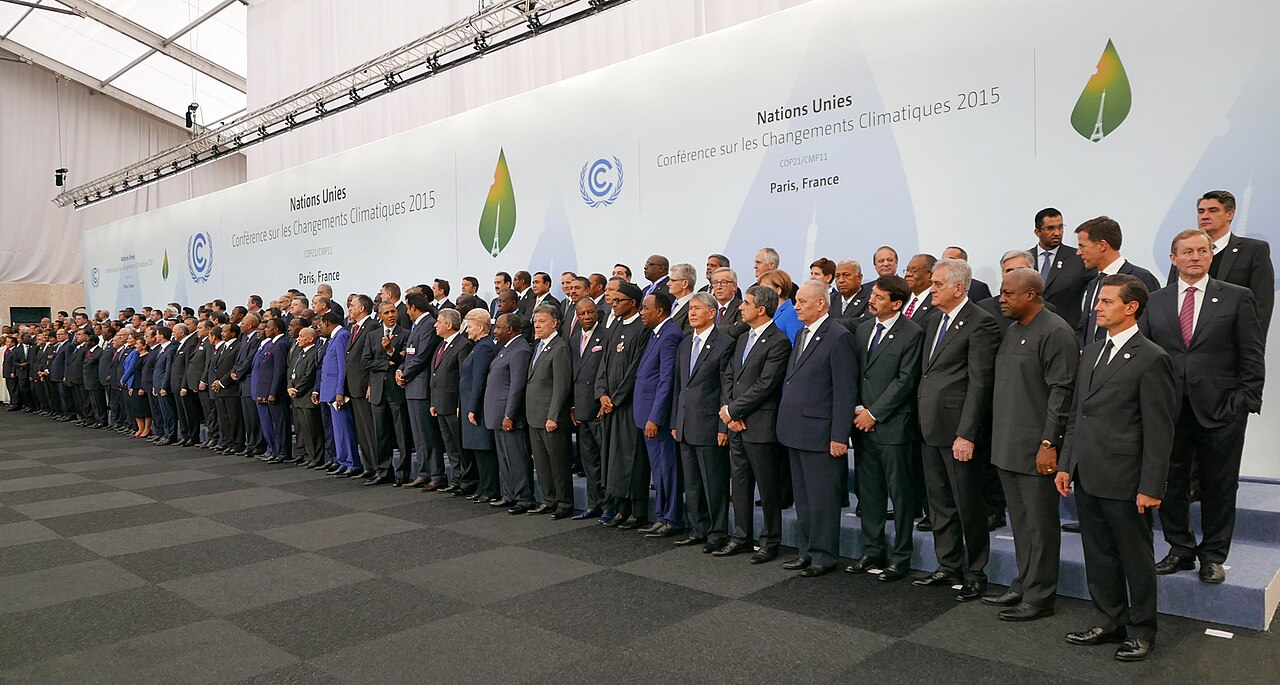
Climate policy is a contentious and complex field, with the 2015 Paris Agreement (COP21) setting a global benchmark for reducing greenhouse gas emissions. However, the agreement's voluntary nature and lack of enforcement mechanisms have raised concerns about its effectiveness. The European Union's Green Deal, launched in 2019, aims to achieve carbon neutrality by 2050, while the United States' re-entry into the Paris Agreement under the Biden administration has been met with skepticism by some. According to the Intergovernmental Panel on Climate Change (IPCC), the world has just over a decade to take drastic action to limit global warming to 1.5°C above pre-industrial levels, with the current pace of emissions reduction falling short of this goal. The climate policy debate is further complicated by the influence of fossil fuel lobbies, such as ExxonMobil and Shell, which have been accused of spreading climate disinformation. As the world inches closer to the precipice of catastrophic climate change, the need for effective and enforceable climate policy has never been more pressing, with the IPCC warning that the cost of inaction could exceed $54 trillion by 2100.
🌎 Introduction to Climate Policy
Climate policy is a high-stakes gamble, with the future of the planet hanging in the balance. The climate change crisis is driven largely by the emissions of greenhouse gases due to human activity, especially the burning of fossil fuels, certain industries like cement and steel production, and land use for agriculture and forestry. Since the Industrial Revolution, fossil fuels have provided the main source of energy for economic and technological development. The centrality of fossil fuels and other carbon-intensive industries has resulted in much resistance to climate policy, despite widespread scientific consensus that such policy is necessary. For example, the Paris Agreement aims to limit global warming to well below 2 degrees Celsius, but its implementation has been hindered by the lack of international cooperation.
🔥 The Science Behind Climate Change
The science behind climate change is clear: human activities are releasing large amounts of greenhouse gases, such as carbon dioxide and methane, into the atmosphere, leading to a global average temperature increase of over 1 degree Celsius since the late 19th century. The Intergovernmental Panel on Climate Change (IPCC) has warned that in order to avoid the most catastrophic consequences of climate change, global greenhouse gas emissions must be reduced by 45% by 2030 and reach net-zero by 2050. This requires a fundamental transformation of our energy systems, including a shift towards renewable energy sources like solar power and wind power. However, the fossil fuel industry has been resistant to this change, and has climate change denial campaigns to undermine the scientific consensus.
📊 The Economics of Climate Policy
The economics of climate policy are complex and multifaceted. On the one hand, the cost of transitioning to a low-carbon economy is significant, and will require substantial investments in renewable energy and energy efficiency. On the other hand, the cost of inaction on climate change is even higher, with estimates suggesting that the economic impacts of climate change could be as high as 30% of global GDP by the end of the century. Furthermore, the green economy has the potential to create millions of new jobs and stimulate economic growth, as seen in the Green New Deal proposed by Alexandria Ocasio-Cortez. However, the carbon pricing mechanism, which is a key component of climate policy, has been met with resistance from some industries and countries.
🚫 Resistance to Climate Policy
Resistance to climate policy is a major obstacle to addressing the climate crisis. The fossil fuel industry has a strong interest in maintaining the status quo and has used its influence to block or weaken climate policies. Additionally, some countries and politicians have been skeptical of the need for climate action, and have climate change denial campaigns to undermine the scientific consensus. For example, the Trump administration in the United States has been a major obstacle to climate progress, having withdrawn from the Paris Agreement and rolled back numerous climate regulations. However, there are also many climate activists and environmental organizations working to promote climate action and hold leaders accountable.
🌟 Climate Policy Success Stories
Despite the challenges, there have been many climate policy success stories in recent years. For example, the EU climate policy has been a leader in reducing greenhouse gas emissions and promoting renewable energy. The California climate policy has also been a model for other states and countries, with its cap-and-trade system and renewable portfolio standard. Additionally, many cities and companies are taking action on climate change, with Copenhagen aiming to be carbon neutral by 2025 and Microsoft committing to become carbon negative by 2030. However, these efforts are often hindered by the lack of international cooperation and climate finance.
🤝 International Cooperation on Climate Change
International cooperation on climate change is essential for addressing the global nature of the problem. The United Nations Framework Convention on Climate Change (UNFCCC) has been the primary international forum for addressing climate change, and has led to the development of the Kyoto Protocol and the Paris Agreement. However, the implementation of these agreements has been hindered by the lack of climate finance and technology transfer from developed to developing countries. For example, the Green Climate Fund has been established to support developing countries in their efforts to reduce greenhouse gas emissions and adapt to the impacts of climate change. However, the fund has been criticized for its lack of transparency and accountability.
📈 The Role of Technology in Climate Policy
The role of technology in climate policy is crucial, as it can help reduce greenhouse gas emissions and promote energy efficiency. For example, renewable energy technologies like solar power and wind power have become increasingly cost-competitive with fossil fuels, and electric vehicles are becoming more popular. Additionally, carbon capture and storage (CCS) technologies can help reduce emissions from industrial sources, and green buildings can help reduce energy consumption. However, the development and deployment of these technologies require significant investments in research and development and infrastructure.
🚨 The Urgency of Climate Action
The urgency of climate action cannot be overstated. The IPCC has warned that in order to avoid the most catastrophic consequences of climate change, global greenhouse gas emissions must be reduced by 45% by 2030 and reach net-zero by 2050. This requires immediate and drastic action, including a rapid transition to renewable energy and energy efficiency. However, the climate policy implementation has been hindered by the lack of international cooperation and climate finance. For example, the COP25 climate conference in Madrid failed to reach an agreement on carbon markets and loss and damage.
👥 Key Players in Climate Policy
There are many key players in climate policy, including governments, corporations, and civil society organizations. For example, the European Union has been a leader in climate policy, with its EU climate policy aiming to reduce greenhouse gas emissions by at least 55% by 2030. The United Nations has also played a crucial role in promoting climate action, with its UNFCCC and Sustainable Development Goals (SDGs). Additionally, many corporations, such as Microsoft and Google, are taking action on climate change, with commitments to become carbon neutral or negative. However, the fossil fuel industry remains a major obstacle to climate progress.
📊 The Cost of Inaction on Climate Change
The cost of inaction on climate change is staggering, with estimates suggesting that the economic impacts of climate change could be as high as 30% of global GDP by the end of the century. This includes the costs of more frequent and severe natural disasters, such as hurricanes and wildfires, as well as the costs of sea level rise and water scarcity. Additionally, the health impacts of climate change, such as the spread of disease and heat stress, will be significant. However, the cost of transitioning to a low-carbon economy is also significant, and will require substantial investments in renewable energy and energy efficiency.
🌈 A Sustainable Future: Opportunities and Challenges
A sustainable future is possible, but it will require immediate and drastic action. This includes a rapid transition to renewable energy and energy efficiency, as well as a fundamental transformation of our economic systems. For example, the circular economy has the potential to reduce waste and promote sustainable consumption. Additionally, climate resilience and adaptation efforts will be essential for protecting communities from the impacts of climate change. However, the climate policy implementation has been hindered by the lack of international cooperation and climate finance.
Key Facts
- Year
- 2021
- Origin
- United Nations Framework Convention on Climate Change (UNFCCC)
- Category
- Environmental Policy
- Type
- Concept
Frequently Asked Questions
What is climate policy?
Climate policy refers to the laws, regulations, and agreements that aim to reduce greenhouse gas emissions and mitigate the impacts of climate change. This includes policies to promote renewable energy, energy efficiency, and carbon pricing. For example, the EU climate policy has been a leader in reducing greenhouse gas emissions and promoting renewable energy. However, the implementation of these policies has been hindered by the lack of international cooperation and climate finance.
Why is climate policy important?
Climate policy is important because it can help reduce the risks and impacts of climate change, which include more frequent and severe natural disasters, sea level rise, and water scarcity. Additionally, climate policy can help promote sustainable development and reduce the economic costs of climate change. For example, the IPCC has warned that in order to avoid the most catastrophic consequences of climate change, global greenhouse gas emissions must be reduced by 45% by 2030 and reach net-zero by 2050. However, the fossil fuel industry remains a major obstacle to climate progress.
What are the challenges to implementing climate policy?
The challenges to implementing climate policy include the lack of international cooperation, the influence of the fossil fuel industry, and the high cost of transitioning to a low-carbon economy. Additionally, the climate policy implementation has been hindered by the lack of climate finance and technology transfer from developed to developing countries. For example, the Green Climate Fund has been established to support developing countries in their efforts to reduce greenhouse gas emissions and adapt to the impacts of climate change. However, the fund has been criticized for its lack of transparency and accountability.
What are the benefits of climate policy?
The benefits of climate policy include the reduction of greenhouse gas emissions, the promotion of renewable energy and energy efficiency, and the creation of jobs and economic growth in the green economy. Additionally, climate policy can help protect communities from the impacts of climate change and promote sustainable development. For example, the California climate policy has been a model for other states and countries, with its cap-and-trade system and renewable portfolio standard. However, the climate policy implementation has been hindered by the lack of international cooperation and climate finance.
What is the current state of climate policy?
The current state of climate policy is complex and multifaceted. While there have been many successes, such as the Paris Agreement and the growth of the renewable energy industry, there are still many challenges to overcome. The fossil fuel industry remains a major obstacle to climate progress, and the lack of international cooperation and climate finance has hindered the implementation of climate policies. However, there are also many opportunities for climate action, including the development of new clean technologies and the growth of the green economy.
What can individuals do to support climate policy?
Individuals can support climate policy by reducing their own carbon footprint, advocating for climate action, and supporting organizations that work on climate issues. This can include actions such as using public transportation, carpooling, or driving electric vehicles, as well as reducing energy consumption and waste. Additionally, individuals can support renewable energy projects and companies that are working to reduce greenhouse gas emissions. For example, the Sierra Club has been a major advocate for climate action, and the Climate March has brought attention to the need for climate action.
What is the role of international cooperation in climate policy?
International cooperation is essential for addressing the global nature of climate change. The UNFCCC has been the primary international forum for addressing climate change, and has led to the development of the Kyoto Protocol and the Paris Agreement. However, the implementation of these agreements has been hindered by the lack of climate finance and technology transfer from developed to developing countries. For example, the Green Climate Fund has been established to support developing countries in their efforts to reduce greenhouse gas emissions and adapt to the impacts of climate change.