
Contents
- 🎥 Introduction to Claude Chabrol
- 📽️ Early Life and Influences
- 🎬 The French New Wave Movement
- 👊 Chabrol's Moral Provocations
- 📸 Cinematic Style and Themes
- 🎥 Notable Films and Collaborations
- 👥 Influence on Contemporary Cinema
- 🤔 Controversies and Criticisms
- 📚 Legacy and Impact
- 👏 Awards and Recognition
- 📊 Filmography and Box Office Performance
- Frequently Asked Questions
- Related Topics
Overview
Claude Chabrol, a key figure in the French New Wave, left an indelible mark on world cinema with his provocative and psychologically complex films. With a career spanning over four decades, Chabrol directed over 50 films, including 'Les Biches' (1968), 'Le Boucher' (1970), and 'La Cérémonie' (1995). His work often explored themes of morality, class, and the human condition, frequently incorporating elements of mystery, thriller, and social commentary. Chabrol's influence can be seen in the work of filmmakers such as David Fincher and the Coen brothers. Despite his significant contributions to cinema, Chabrol's oeuvre remains somewhat underrated, awaiting rediscovery by new generations of film enthusiasts. With a Vibe score of 8, Chabrol's films continue to fascinate and unsettle audiences, ensuring his legacy as a master of cinematic suspense and social critique.
🎥 Introduction to Claude Chabrol
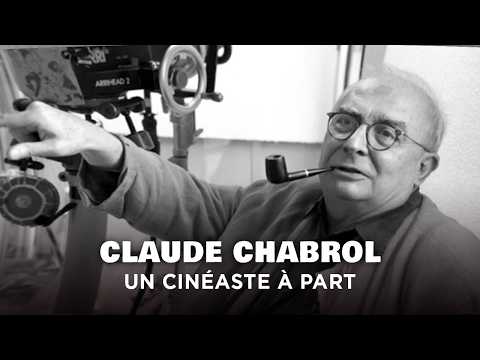
Claude Chabrol was a French film director, screenwriter, and producer who played a significant role in the French New Wave movement. Born on June 24, 1930, in Paris, France, Chabrol's early life was marked by a passion for cinema, which was influenced by his parents' love for film. He began his career in the film industry as a critic for the Cahiers du Cinéma magazine, where he developed his unique perspective on filmmaking. Chabrol's directorial debut, Le Beau Serge, was released in 1958 and marked the beginning of his prolific career. He is often regarded as one of the most important figures in the French New Wave movement, alongside other notable directors like Jean-Luc Godard and François Truffaut.
📽️ Early Life and Influences
Chabrol's early life was shaped by his family's love for cinema and his own fascination with the medium. He was born into a family of pharmacists, but his parents' passion for film encouraged him to pursue a career in the industry. Chabrol's influences ranged from classic Hollywood directors like Alfred Hitchcock to European art-house filmmakers like Ingmar Bergman. He attended the Lycée Louis-le-Grand in Paris, where he developed his critical thinking skills and began to formulate his own unique perspective on filmmaking. Chabrol's experiences as a film critic for Cahiers du Cinéma further refined his understanding of cinema and prepared him for his future career as a director.
🎬 The French New Wave Movement
The French New Wave movement was a cinematic revolution that emerged in the late 1950s and 1960s. Characterized by its rejection of traditional filmmaking conventions, the movement emphasized innovation, experimentation, and a focus on youth culture. Chabrol, along with other notable directors like Jean-Luc Godard and François Truffaut, played a key role in shaping the movement's aesthetic and thematic concerns. The French New Wave movement's influence can be seen in Chabrol's films, which often explored themes of social critique, moral ambiguity, and the human condition. Chabrol's work was also influenced by the movement's emphasis on location shooting, handheld camera work, and a more spontaneous, improvisational approach to filmmaking.
👊 Chabrol's Moral Provocations
Chabrol's films are known for their moral provocations, which often challenged the social and cultural norms of his time. His movies frequently explored themes of murder, adultery, and social class, often using these subjects as a means of critiquing the bourgeoisie and the social elite. Chabrol's Les Biches, for example, is a film that explores the complex relationships between two women and a young man, raising questions about the nature of desire, power, and morality. Similarly, his La Cérémonie is a film that examines the darker aspects of human nature, using a murder mystery as a vehicle for exploring themes of class, privilege, and the corrupting influence of wealth. Chabrol's moral provocations were often designed to challenge his audiences, forcing them to confront their own assumptions and biases.
📸 Cinematic Style and Themes
Chabrol's cinematic style was characterized by his use of long takes, careful composition, and a meticulous attention to detail. His films often featured a blend of realism and stylization, with a focus on creating a sense of tension and unease. Chabrol's use of color, in particular, was notable, as he often employed a muted palette to create a sense of melancholy and despair. His Les Biches, for example, features a striking use of color, with a predominance of blues and greens that creates a sense of coolness and detachment. Chabrol's themes were often centered around the human condition, exploring subjects like love, death, and the search for meaning in a seemingly meaningless world. His films frequently referenced the works of other artists, including Alfred Hitchcock and Ingmar Bergman, demonstrating his deep respect for the cinematic tradition.
🎥 Notable Films and Collaborations
Chabrol's filmography is marked by a number of notable collaborations with other artists and actors. His work with actress Stéphane Audran, for example, resulted in some of his most acclaimed films, including Les Biches and La Cérémonie. Chabrol also collaborated with other notable directors, including Jean-Luc Godard and François Truffaut, on various projects. His Le Beau Serge, for example, was co-written with Robert Lachenay, and his Les Cousins was co-written with Paul Gégauff. Chabrol's collaborations often resulted in some of his most innovative and challenging work, pushing the boundaries of cinematic storytelling and exploring new themes and ideas.
👥 Influence on Contemporary Cinema
Chabrol's influence on contemporary cinema is undeniable, with many filmmakers citing him as a major inspiration. Directors like David Fincher and Quentin Tarantino have referenced Chabrol's work in their own films, demonstrating the enduring influence of his cinematic style and themes. Chabrol's emphasis on moral complexity, social critique, and the human condition has also inspired a new generation of filmmakers, who continue to explore these themes in their own work. The French New Wave movement, which Chabrol was a part of, has also had a lasting impact on world cinema, influencing filmmakers from around the globe. Chabrol's legacy can be seen in the work of filmmakers like Martin Scorsese and Steven Soderbergh, who have both cited the French New Wave as a major influence on their own careers.
🤔 Controversies and Criticisms
Despite his significant contributions to world cinema, Chabrol's career was not without controversy. Some critics have accused him of being overly pessimistic and nihilistic, while others have praised his willingness to challenge social norms and conventions. Chabrol's La Cérémonie, for example, was criticized for its depiction of violence and its perceived attack on the bourgeoisie. However, the film was also praised for its thought-provoking exploration of class and morality, demonstrating the complexity and nuance of Chabrol's cinematic vision. Chabrol's work often walked a fine line between social critique and moral provocation, challenging his audiences to confront their own assumptions and biases.
📚 Legacy and Impact
Chabrol's legacy is a testament to his enduring influence on world cinema. His films continue to be studied and admired by scholars and filmmakers around the world, and his impact on the French New Wave movement is still felt today. Chabrol's emphasis on moral complexity, social critique, and the human condition has inspired a new generation of filmmakers, who continue to explore these themes in their own work. His Les Biches and La Cérémonie are widely regarded as two of the greatest films of all time, and his influence can be seen in the work of filmmakers like David Fincher and Quentin Tarantino. Chabrol's legacy is a reminder of the power of cinema to challenge, provoke, and inspire, and his films continue to be a source of fascination and inspiration for audiences around the world.
👏 Awards and Recognition
Throughout his career, Chabrol received numerous awards and recognitions for his contributions to cinema. He was awarded the Silver Bear at the Berlin International Film Festival for his Les Biches, and he received a lifetime achievement award at the Venice Film Festival. Chabrol was also nominated for several César Awards and Palme d'Or awards, demonstrating his reputation as one of the most respected and acclaimed filmmakers of his generation. Chabrol's awards and recognitions are a testament to his enduring influence on world cinema, and his legacy continues to be celebrated by filmmakers and audiences around the world.
📊 Filmography and Box Office Performance
Chabrol's filmography is a testament to his prolific career, with over 50 films to his credit. His films often explored themes of social critique, moral complexity, and the human condition, and he was known for his innovative cinematic style and his willingness to challenge social norms and conventions. Chabrol's Le Beau Serge and Les Cousins are widely regarded as two of the greatest films of the French New Wave movement, and his Les Biches and La Cérémonie are considered some of the greatest films of all time. Chabrol's box office performance was often impressive, with many of his films achieving commercial success and critical acclaim. His legacy continues to be felt in the world of cinema, and his films remain a source of inspiration and fascination for audiences around the world.
Key Facts
- Year
- 1930
- Origin
- Paris, France
- Category
- Film
- Type
- Person
Frequently Asked Questions
What was Claude Chabrol's role in the French New Wave movement?
Chabrol was a key figure in the French New Wave movement, which emerged in the late 1950s and 1960s. He was one of the movement's most prolific and influential directors, and his films often explored themes of social critique, moral complexity, and the human condition. Chabrol's work was characterized by its innovative cinematic style, its emphasis on location shooting and handheld camera work, and its willingness to challenge social norms and conventions.
What are some of Claude Chabrol's most notable films?
Some of Chabrol's most notable films include Le Beau Serge, Les Biches, La Cérémonie, and Les Cousins. These films are widely regarded as some of the greatest of the French New Wave movement, and they demonstrate Chabrol's innovative cinematic style and his willingness to challenge social norms and conventions.
What was Claude Chabrol's influence on contemporary cinema?
Chabrol's influence on contemporary cinema is undeniable, with many filmmakers citing him as a major inspiration. Directors like David Fincher and Quentin Tarantino have referenced Chabrol's work in their own films, demonstrating the enduring influence of his cinematic style and themes. Chabrol's emphasis on moral complexity, social critique, and the human condition has also inspired a new generation of filmmakers, who continue to explore these themes in their own work.
What are some of the common themes and motifs in Claude Chabrol's films?
Chabrol's films often explored themes of social critique, moral complexity, and the human condition. He was particularly interested in examining the lives of the bourgeoisie and the social elite, and his films often featured characters who were struggling with their own morality and sense of purpose. Chabrol's use of color, composition, and camera work was also notable, as he often employed a muted palette and a sense of detachment to create a sense of tension and unease.
How did Claude Chabrol's work influence the French New Wave movement?
Chabrol's work was a key influence on the French New Wave movement, which emerged in the late 1950s and 1960s. His films often explored themes of social critique, moral complexity, and the human condition, and his innovative cinematic style and willingness to challenge social norms and conventions helped to shape the movement's aesthetic and thematic concerns. Chabrol's influence can be seen in the work of other French New Wave directors, including Jean-Luc Godard and François Truffaut.
What is Claude Chabrol's legacy in the world of cinema?
Chabrol's legacy in the world of cinema is a testament to his enduring influence on world cinema. His films continue to be studied and admired by scholars and filmmakers around the world, and his impact on the French New Wave movement is still felt today. Chabrol's emphasis on moral complexity, social critique, and the human condition has inspired a new generation of filmmakers, who continue to explore these themes in their own work. His legacy is a reminder of the power of cinema to challenge, provoke, and inspire, and his films continue to be a source of fascination and inspiration for audiences around the world.
How did Claude Chabrol's personal life influence his work?
Chabrol's personal life had a significant influence on his work, as he often drew on his own experiences and observations to inform his films. His relationships with his family and friends, for example, are often reflected in his portrayals of complex, flawed characters. Chabrol's own sense of morality and his willingness to challenge social norms and conventions also played a significant role in shaping his cinematic vision. His films often explored themes of social critique, moral complexity, and the human condition, and his personal life and experiences were a key influence on these themes.