
Contents
- 📰 Introduction to The Chronicle of Higher Education
- 📚 History and Evolution of The Chronicle
- 📰 News and Information for Academia
- 👥 Audience and Subscription Model
- 📊 Jobs and Career Development
- 📈 Impact on Academic Community
- 🤝 Connections to Other Academic Resources
- 📊 Controversies and Criticisms
- 📚 The Chronicle's Role in Shaping Academic Discourse
- 🔮 Future of The Chronicle of Higher Education
- 📊 Conclusion and Final Thoughts
- Frequently Asked Questions
- Related Topics
Overview
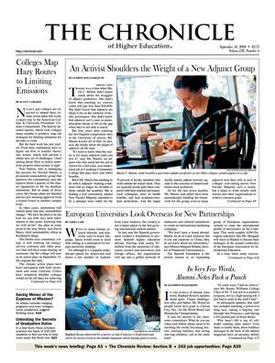
The Chronicle of Higher Education, founded in 1966 by Corbin Gwaltney, has been a leading source of news, information, and jobs for college and university faculty members and administrators. With a vibe score of 8, it has a significant cultural energy measurement, reflecting its influence on the academic community. The Chronicle has been at the forefront of covering issues such as academic freedom, student debt, and the impact of technology on higher education. Its reporting has sparked debates and discussions among educators, policymakers, and students, with a controversy spectrum that ranges from moderate to high. As the higher education landscape continues to evolve, The Chronicle remains a trusted resource for those seeking to understand the complexities of the academic world. With a perspective breakdown that is generally neutral, The Chronicle provides a balanced view of the issues, although some critics argue that it can be overly focused on the interests of faculty and administrators. The Chronicle's influence flows can be seen in its ability to shape the national conversation on higher education, with many of its articles and reports being cited by policymakers and educators. As the academic community continues to grapple with the challenges of the 21st century, The Chronicle of Higher Education will likely remain a key player in shaping the discussion.
📰 Introduction to The Chronicle of Higher Education
The Chronicle of Higher Education is a leading source of news, information, and jobs for college and university faculty and student affairs professionals. With a rich history dating back to 1966, The Chronicle has established itself as a beacon of academic insight, providing valuable resources and information to its audience. As a higher education institution, it is essential to stay informed about the latest developments and trends in the field, and The Chronicle is an excellent source for this information. The newspaper and website offer a wide range of articles, including news, commentary, and academic research pieces. For those interested in pursuing a career in academia, The Chronicle's career development resources are invaluable.
📚 History and Evolution of The Chronicle
The Chronicle of Higher Education has a long and storied history, with its first issue being published in 1966. Since then, the newspaper has undergone significant changes, including the launch of its website in 1993. Over the years, The Chronicle has expanded its coverage to include a wide range of topics, from student affairs to faculty development. Today, The Chronicle is one of the most widely read and respected sources of news and information for the academic community. As a education news outlet, The Chronicle has a unique perspective on the issues and challenges facing higher education. Its journalism is known for being in-depth and well-researched, making it a trusted source for academics and educators.
📰 News and Information for Academia
The Chronicle of Higher Education presents news, information, and jobs for college and university faculty and student affairs professionals. The newspaper and website offer a wide range of articles, including news, commentary, and academic administration pieces. For those interested in staying up-to-date on the latest developments in higher education, The Chronicle's news and trends section is an excellent resource. The Chronicle also provides valuable information on faculty jobs and career advice, making it an essential tool for academics looking to advance their careers. Additionally, The Chronicle's higher education policy coverage provides insight into the latest developments and trends in the field.
👥 Audience and Subscription Model
The Chronicle of Higher Education's audience is primarily composed of college and university faculty and student affairs professionals. The newspaper and website offer a subscription-based model, with some articles available for free and others requiring a subscription. For those interested in accessing The Chronicle's premium content, a subscription is required. The Chronicle's audience is highly engaged, with many readers participating in online discussions and forums. As a academic community resource, The Chronicle provides a valuable platform for academics to share their ideas and perspectives. The Chronicle also offers a range of academic resources, including research tools and career guidance.
📊 Jobs and Career Development
The Chronicle of Higher Education offers a wide range of jobs and career development resources for academics. The newspaper and website provide a comprehensive job search platform, with listings for faculty and staff positions at colleges and universities across the United States. For those looking to advance their careers, The Chronicle's career advice section is an excellent resource. The Chronicle also provides valuable information on professional development opportunities, including conferences and workshops. Additionally, The Chronicle's academic networking resources provide a platform for academics to connect with one another and share their ideas and perspectives.
📈 Impact on Academic Community
The Chronicle of Higher Education has a significant impact on the academic community. As a leading source of news and information, The Chronicle helps to shape the conversation around higher education. The newspaper and website provide a platform for academics to share their ideas and perspectives, and to engage with one another on the issues and challenges facing higher education. The Chronicle's influence extends beyond the academic community, with its coverage of higher education issues and trends being widely read and respected by policymakers and educators. The Chronicle also provides valuable insights into the latest developments and trends in higher education, making it an essential resource for academics and educators.
🤝 Connections to Other Academic Resources
The Chronicle of Higher Education is connected to a wide range of other academic resources, including academic journals and research institutions. The newspaper and website provide a platform for academics to share their research and ideas, and to engage with one another on the issues and challenges facing higher education. The Chronicle also partners with other academic organizations, including professional associations and educational institutions. These partnerships help to extend The Chronicle's reach and influence, and provide valuable resources and information to its audience. Additionally, The Chronicle's academic partnerships provide opportunities for collaboration and innovation in higher education.
📊 Controversies and Criticisms
The Chronicle of Higher Education has faced controversy and criticism over the years, particularly with regards to its subscription model. Some critics have argued that the newspaper and website's premium content is too expensive, and that it limits access to important information and resources. Others have criticized The Chronicle's editorial bias, arguing that it favors certain perspectives and viewpoints over others. Despite these criticisms, The Chronicle remains a widely respected and trusted source of news and information for the academic community. The Chronicle's response to criticisms has been to provide more free content and to increase transparency around its editorial processes.
📚 The Chronicle's Role in Shaping Academic Discourse
The Chronicle of Higher Education plays a significant role in shaping academic discourse. The newspaper and website provide a platform for academics to share their ideas and perspectives, and to engage with one another on the issues and challenges facing higher education. The Chronicle's influence on academic discourse extends beyond the academic community, with its coverage of higher education issues and trends being widely read and respected by policymakers and educators. The Chronicle also provides valuable insights into academic trends, making it an essential resource for academics and educators. Additionally, The Chronicle's academic commentary provides a platform for academics to share their opinions and perspectives on the issues and challenges facing higher education.
🔮 Future of The Chronicle of Higher Education
The future of The Chronicle of Higher Education is likely to be shaped by a range of factors, including changes in the academic landscape and advances in technology. As a digital media outlet, The Chronicle is well-positioned to adapt to these changes and to continue providing valuable resources and information to its audience. The Chronicle's innovation and adaptability will be key to its success in the years to come. Additionally, The Chronicle's commitment to academic excellence will remain a core part of its mission and values. The Chronicle will continue to provide high-quality content and valuable resources to its audience, making it an essential tool for academics and educators.
📊 Conclusion and Final Thoughts
In conclusion, The Chronicle of Higher Education is a leading source of news, information, and jobs for college and university faculty and student affairs professionals. With its rich history, comprehensive coverage, and valuable resources, The Chronicle is an essential tool for academics and educators. As the academic landscape continues to evolve, The Chronicle is well-positioned to adapt and to continue providing valuable insights and information to its audience. The Chronicle's legacy as a beacon of academic insight will endure, and its impact on higher education will continue to be felt for years to come.
Key Facts
- Year
- 1966
- Origin
- Washington, D.C.
- Category
- Education
- Type
- Publication
Frequently Asked Questions
What is The Chronicle of Higher Education?
The Chronicle of Higher Education is an American newspaper and website that presents news, information, and jobs for college and university faculty and student affairs professionals. It is a leading source of news and information for the academic community, and provides valuable resources and insights for academics and educators. The Chronicle's coverage includes higher education policy, academic administration, and faculty development.
What type of content does The Chronicle of Higher Education offer?
The Chronicle of Higher Education offers a wide range of content, including news, commentary, and academic research pieces. The newspaper and website provide a comprehensive platform for academics to share their ideas and perspectives, and to engage with one another on the issues and challenges facing higher education. The Chronicle's content includes news and trends, career advice, and academic resources.
How can I access The Chronicle of Higher Education's content?
The Chronicle of Higher Education offers a subscription-based model, with some articles available for free and others requiring a subscription. To access The Chronicle's premium content, a subscription is required. The Chronicle's subscription model provides access to its full range of content, including premium articles and exclusive resources.
What is the target audience of The Chronicle of Higher Education?
The target audience of The Chronicle of Higher Education is primarily composed of college and university faculty and student affairs professionals. The newspaper and website provide a valuable platform for academics to share their ideas and perspectives, and to engage with one another on the issues and challenges facing higher education. The Chronicle's audience includes academics, educators, and policymakers.
How does The Chronicle of Higher Education impact the academic community?
The Chronicle of Higher Education has a significant impact on the academic community, providing a platform for academics to share their ideas and perspectives, and to engage with one another on the issues and challenges facing higher education. The Chronicle's coverage of higher education issues and trends is widely read and respected, and helps to shape the conversation around higher education. The Chronicle's influence extends beyond the academic community, with its coverage being widely read and respected by policymakers and educators.
What are some of the criticisms of The Chronicle of Higher Education?
The Chronicle of Higher Education has faced criticism over the years, particularly with regards to its subscription model and editorial bias. Some critics have argued that the newspaper and website's premium content is too expensive, and that it limits access to important information and resources. Others have criticized The Chronicle's editorial bias, arguing that it favors certain perspectives and viewpoints over others. The Chronicle's response to criticisms has been to provide more free content and to increase transparency around its editorial processes.
What is the future of The Chronicle of Higher Education?
The future of The Chronicle of Higher Education is likely to be shaped by a range of factors, including changes in the academic landscape and advances in technology. As a digital media outlet, The Chronicle is well-positioned to adapt to these changes and to continue providing valuable resources and information to its audience. The Chronicle's innovation and adaptability will be key to its success in the years to come. The Chronicle will continue to provide high-quality content and valuable resources to its audience, making it an essential tool for academics and educators.