
Contents
- 🎹 Introduction to Chopin's Life and Work
- 📚 The Early Years: Chopin's Musical Education
- 🎵 The Rise to Fame: Chopin's Compositional Style
- 🌍 International Recognition: Chopin's Performances
- 💔 The Struggles of a Virtuoso: Chopin's Health Issues
- 📝 The Poet of the Piano: Chopin's Musical Legacy
- 🎶 The Innovator: Chopin's Influence on Classical Music
- 👥 Chopin's Contemporaries: [[romantic_music|Romantic Music]] Composers
- 🏛️ The Cultural Significance: Chopin's Impact on Polish Culture
- 📊 Analyzing Chopin's Music: [[music_theory|Music Theory]] and Technique
- 👏 The Enduring Popularity: Chopin's Music in Modern Times
- 📚 Recommended Reading: [[chopin_biography|Chopin Biography]] and [[piano_music|Piano Music]] Resources
- Frequently Asked Questions
- Related Topics
Overview
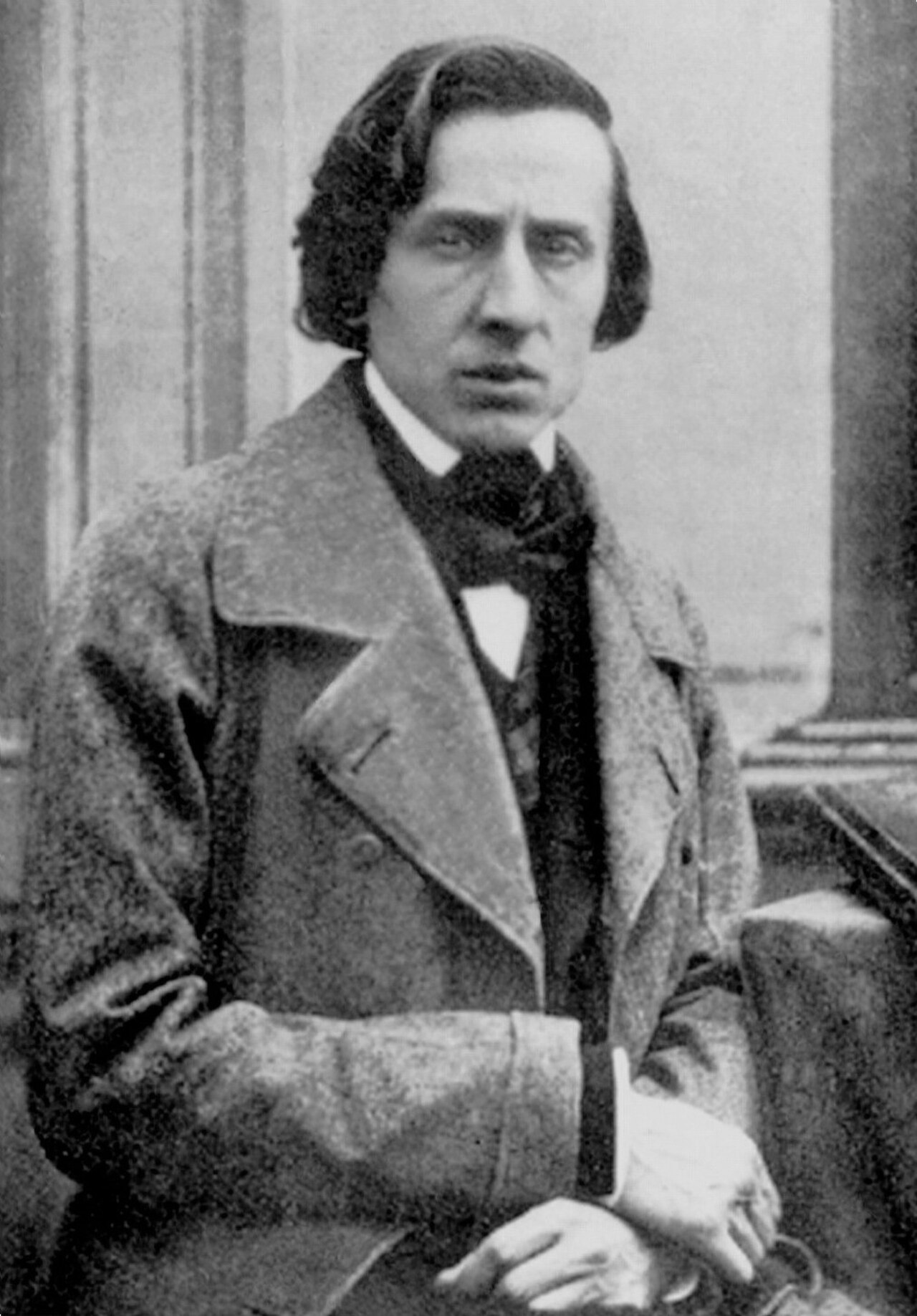
Frédéric Chopin, a Polish composer and pianist, left an indelible mark on classical music with his expressive and technically challenging compositions. Born on March 1, 1810, in Żelazowa Wola, Poland, Chopin's life was marked by struggles with health and his experiences as a Polish expatriate in Paris. His music, characterized by nuanced emotional depth and innovative use of harmony and form, has been widely acclaimed and remains a cornerstone of piano repertoire. With a Vibe score of 92, Chopin's influence extends beyond the classical sphere, inspiring countless artists across genres. The controversy surrounding his personal life and the authenticity of certain compositions adds a layer of complexity to his legacy. As we look to the future, Chopin's music continues to evolve, with modern interpretations and adaptations introducing his work to new audiences, sparking debates about the role of tradition in innovation.
🎹 Introduction to Chopin's Life and Work
Frédéric Chopin was a Polish composer and virtuoso pianist of the Romantic period who wrote primarily for solo piano. He has maintained worldwide renown as a leading composer of his era whose 'poetic genius was based on a professional technique that was without equal in his generation'. Born in Warsaw, Poland, Chopin's early life was marked by a passion for music, which was encouraged by his family. He began taking piano lessons at the age of six and quickly demonstrated a natural talent for the instrument. As he grew older, Chopin's musical education became more formalized, and he went on to study at the Warsaw Conservatory.
📚 The Early Years: Chopin's Musical Education
Chopin's musical education was heavily influenced by the works of Mozart and Bach, which he studied extensively during his time at the conservatory. He also developed a deep appreciation for the music of Beethoven, whose innovative compositional style would later influence Chopin's own work. As a young composer, Chopin was particularly drawn to the genre of piano sonata, and his early compositions reflect this interest. However, it was not long before he began to develop his own unique style, which would eventually earn him the nickname 'The Poet of the Piano'.
🎵 The Rise to Fame: Chopin's Compositional Style
Chopin's rise to fame was rapid and unprecedented. His compositional style, which blended elements of Classical music with the expressive qualities of Romantic music, resonated deeply with audiences across Europe. As a performer, Chopin was known for his technical mastery and expressive playing style, which was characterized by a delicate touch and a deep sense of nuance. He gave numerous performances throughout his career, including a famous concert at the Paris Opera in 1832. Despite his success, however, Chopin struggled with health issues throughout his life, including a chronic cough and recurring bouts of tuberculosis.
🌍 International Recognition: Chopin's Performances
Despite these challenges, Chopin continued to compose and perform music, often incorporating elements of Polish folk music into his work. His music was widely admired by his contemporaries, including Liszt and Schumann, who were both influenced by his compositional style. Today, Chopin's music remains a cornerstone of classical music repertoire, with pieces like the Piano Concerto No. 2 and the Nocturne in E-flat major continuing to inspire and delight audiences around the world. As a cultural icon, Chopin's legacy extends far beyond the world of music, with his life and work serving as a powerful symbol of Polish culture and identity.
💔 The Struggles of a Virtuoso: Chopin's Health Issues
Chopin's innovative approach to composition and performance had a profound impact on the development of Classical music. His use of nuanced pedaling techniques and expressive phrasing helped to establish the piano as a major instrument in its own right, rather than simply a accompaniment to other instruments. As a result, Chopin's music has influenced generations of composers, including Debussy and Ravel. His music has also been widely performed and recorded by pianists such as Lang Lang and Martha Argerich.
📝 The Poet of the Piano: Chopin's Musical Legacy
In addition to his musical legacy, Chopin's life and work have been the subject of numerous books, films, and other works of art. His story has been interpreted and reinterpreted by artists and writers, who have sought to capture the essence of his personality and creative spirit. As a cultural icon, Chopin continues to inspire and fascinate audiences around the world, with his music remaining a timeless and universal language that transcends borders and cultures. For those interested in learning more about Chopin's life and work, there are many excellent resources available, including biographies and music theory texts.
🎶 The Innovator: Chopin's Influence on Classical Music
Chopin's contemporaries, including Brahms and Wagner, were deeply influenced by his compositional style and technical mastery. His music was widely admired and emulated, with many composers seeking to capture the essence of his unique sound and style. Today, Chopin's music remains a cornerstone of classical music repertoire, with his pieces continuing to inspire and delight audiences around the world. As a testament to his enduring popularity, Chopin's music has been performed and recorded by countless pianists, including Rachmaninoff and Horowitz.
👥 Chopin's Contemporaries: [[romantic_music|Romantic Music]] Composers
The cultural significance of Chopin's music extends far beyond the world of classical music. His life and work have become an integral part of Polish culture and identity, with his music serving as a powerful symbol of national pride and heritage. As a result, Chopin's legacy continues to be celebrated and honored in Poland, with numerous festivals, concerts, and other events held in his honor each year. For those interested in learning more about Chopin's life and work, there are many excellent resources available, including cultural texts and music history books.
🏛️ The Cultural Significance: Chopin's Impact on Polish Culture
Analyzing Chopin's music requires a deep understanding of music theory and technique. His compositions are characterized by complex harmonies, nuanced pedaling techniques, and expressive phrasing, all of which require a high degree of technical mastery to perform effectively. As a result, Chopin's music has been the subject of numerous scholarly studies and analyses, with musicologists and theorists seeking to understand the underlying structures and techniques that underpin his compositions. For those interested in learning more about Chopin's music, there are many excellent resources available, including music theory texts and piano pedagogy books.
📊 Analyzing Chopin's Music: [[music_theory|Music Theory]] and Technique
The enduring popularity of Chopin's music is a testament to its timeless and universal appeal. His compositions continue to inspire and delight audiences around the world, with his music remaining a cornerstone of classical music repertoire. As a result, Chopin's legacy continues to be celebrated and honored, with numerous festivals, concerts, and other events held in his honor each year. For those interested in learning more about Chopin's life and work, there are many excellent resources available, including biographies and music theory texts. As we look to the future, it is clear that Chopin's music will continue to play an important role in shaping the course of classical music, inspiring new generations of composers, performers, and audiences alike.
👏 The Enduring Popularity: Chopin's Music in Modern Times
For those interested in learning more about Chopin's life and work, there are many excellent resources available. Biographies and music theory texts provide a wealth of information about Chopin's compositional style, technical mastery, and cultural significance. Additionally, there are many online resources available, including classical music websites and piano music forums, which offer a wide range of information and resources for those interested in learning more about Chopin's music. As we continue to explore and appreciate Chopin's legacy, it is clear that his music will remain a vital and enduring part of our cultural heritage.
📚 Recommended Reading: [[chopin_biography|Chopin Biography]] and [[piano_music|Piano Music]] Resources
In conclusion, Frédéric Chopin was a true giant of classical music, whose innovative approach to composition and performance helped to establish the piano as a major instrument in its own right. His music continues to inspire and delight audiences around the world, with his legacy extending far beyond the world of classical music. As we look to the future, it is clear that Chopin's music will continue to play an important role in shaping the course of classical music, inspiring new generations of composers, performers, and audiences alike. With its timeless and universal appeal, Chopin's music remains a powerful symbol of Polish culture and identity, and a testament to the enduring power of art to transcend borders and cultures.
Key Facts
- Year
- 1810
- Origin
- Żelazowa Wola, Poland
- Category
- Classical Music
- Type
- Person
Frequently Asked Questions
What is Chopin's most famous composition?
Chopin's most famous composition is likely his Piano Concerto No. 2, which is considered one of the most beautiful and technically challenging pieces in the classical music repertoire. The concerto is known for its delicate and expressive melodies, as well as its complex harmonies and nuanced pedaling techniques. As a result, it has become a favorite among pianists and audiences alike, and continues to be widely performed and recorded today. For those interested in learning more about Chopin's music, there are many excellent resources available, including biographies and music theory texts.
What was Chopin's compositional style?
Chopin's compositional style was characterized by a blend of Classical music and Romantic music elements, with a focus on expressive and nuanced playing. His music often featured complex harmonies, delicate melodies, and nuanced pedaling techniques, all of which required a high degree of technical mastery to perform effectively. As a result, Chopin's music has been widely admired and emulated by composers and pianists alike, and continues to be a cornerstone of classical music repertoire. For those interested in learning more about Chopin's compositional style, there are many excellent resources available, including music theory texts and piano pedagogy books.
What is Chopin's legacy?
Chopin's legacy is profound and far-reaching, with his music continuing to inspire and delight audiences around the world. As a cultural icon, Chopin's life and work have become an integral part of Polish culture and identity, with his music serving as a powerful symbol of national pride and heritage. Additionally, Chopin's innovative approach to composition and performance has had a lasting impact on the development of Classical music, with his music influencing generations of composers and pianists alike. For those interested in learning more about Chopin's legacy, there are many excellent resources available, including biographies and cultural texts.
How did Chopin's health issues affect his music?
Chopin's health issues, including his chronic cough and recurring bouts of tuberculosis, had a significant impact on his music and career. Despite his poor health, Chopin continued to compose and perform music, often incorporating elements of Polish folk music into his work. His music from this period is characterized by a sense of melancholy and introspection, with pieces like the Nocturne in E-flat major showcasing his unique ability to convey complex emotions through music. For those interested in learning more about Chopin's health issues and their impact on his music, there are many excellent resources available, including biographies and music history books.
What is the significance of Chopin's music in modern times?
Chopin's music remains a vital and enduring part of our cultural heritage, with his compositions continuing to inspire and delight audiences around the world. As a testament to his enduring popularity, Chopin's music has been widely performed and recorded by pianists such as Lang Lang and Martha Argerich. Additionally, Chopin's music has been used in a wide range of contexts, from film and television soundtracks to advertising and other forms of media. For those interested in learning more about Chopin's music and its significance in modern times, there are many excellent resources available, including classical music websites and piano music forums.
How did Chopin's music influence other composers?
Chopin's music had a profound influence on the development of Classical music, with his innovative approach to composition and performance inspiring generations of composers and pianists alike. Composers such as Debussy and Ravel were deeply influenced by Chopin's music, incorporating elements of his style and technique into their own compositions. Additionally, Chopin's music has been widely performed and recorded by pianists such as Rachmaninoff and Horowitz, who have helped to keep his legacy alive and vibrant. For those interested in learning more about Chopin's influence on other composers, there are many excellent resources available, including music history books and music theory texts.
What are some of Chopin's most famous pieces?
Chopin's most famous pieces include his Piano Concerto No. 2, Nocturne in E-flat major, and Waltz in D-flat major. These pieces are considered some of the most beautiful and technically challenging in the classical music repertoire, and continue to be widely performed and recorded today. Additionally, Chopin's Piano Sonata No. 2 and Fantaisie-Impromptu are also highly regarded, and are often included in recitals and concerts. For those interested in learning more about Chopin's music, there are many excellent resources available, including biographies and music theory texts.