
Contents
- 🎵 Origins & History
- ⚙️ How It Works
- 📊 Key Facts & Numbers
- 👥 Key People & Organizations
- 🌍 Cultural Impact & Influence
- ⚡ Current State & Latest Developments
- 🤔 Controversies & Debates
- 🔮 Future Outlook & Predictions
- 💡 Practical Applications
- 📚 Related Topics & Deeper Reading
- Frequently Asked Questions
- References
- Related Topics
Overview
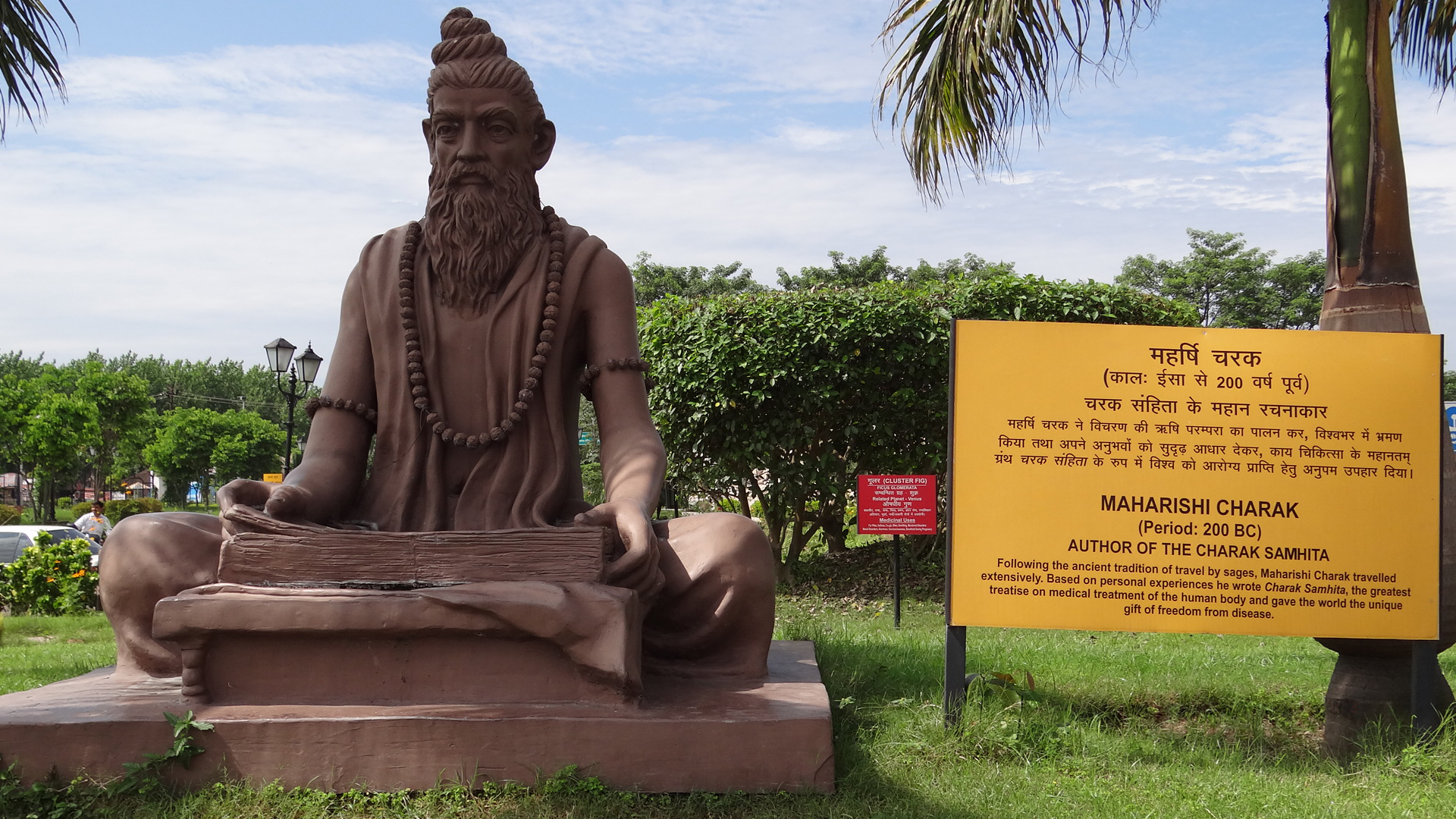
Charaka, a renowned ancient Indian physician and scholar, is best known for editing the Charaka Samhita, a foundational text of Ayurveda and classical Indian medicine. With a legacy spanning over two millennia, Charaka's contributions to the field of Ayurveda have had a profound impact on the development of traditional Indian medicine. His work, Charaka Samhita, is an exhaustive treatise on various aspects of medicine, including etiology, diagnosis, treatment, and ethical considerations, and remains a cornerstone of Ayurvedic practice to this day. The exact dates of Charaka's birth and death are uncertain, but it is believed that he lived during the 4th century BCE. As one of the principal contributors to Ayurveda, Charaka's influence extends beyond the boundaries of traditional Indian medicine, with his ideas and principles being studied and applied in modern contexts. The World Health Organization (WHO) has recognized the significance of Ayurveda and traditional medicine, and Charaka's work continues to be an essential part of this global conversation. With the growing interest in holistic and alternative approaches to health, Charaka's legacy is more relevant than ever, offering valuable insights into the interconnectedness of physical, mental, and spiritual well-being.
🎵 Origins & History
Charaka's life and work are shrouded in mystery, with the exact dates of his birth and death remaining uncertain. However, it is widely accepted that he lived during the 4th century BCE, a time of great intellectual and cultural flourishing in ancient India. As a physician and scholar, Charaka was deeply influenced by the works of Sushruta and Atreya Purva, two other prominent figures in the development of Ayurveda. The Charaka Samhita, which he edited, is a comprehensive treatise on various aspects of medicine, including etiology, diagnosis, treatment, and ethical considerations. This seminal work has had a profound impact on the development of traditional Indian medicine and remains a cornerstone of Ayurvedic practice to this day.
⚙️ How It Works
The Charaka Samhita is an exhaustive treatise that covers a wide range of topics, from the fundamental principles of Ayurveda to the diagnosis and treatment of various diseases. The text is divided into eight sections, each dealing with a specific aspect of medicine, such as anatomy, physiology, and pharmacology. Charaka's work is characterized by its emphasis on the interconnectedness of physical, mental, and spiritual well-being, and his ideas on the importance of lifestyle, diet, and environmental factors in maintaining health are remarkably prescient. As noted by the World Health Organization (WHO), traditional medicine, including Ayurveda, offers a unique perspective on health and wellness that can inform and complement modern medical practices.
📊 Key Facts & Numbers
Charaka's contributions to Ayurveda are numerous and significant, and his work has had a lasting impact on the development of traditional Indian medicine. The Charaka Samhita is considered one of the foundational texts of Ayurveda, and its influence can be seen in the work of later scholars and practitioners, such as Dhana Nidhana and Madhava Nidhana. Today, Charaka's ideas and principles continue to be studied and applied in modern contexts, with many Ayurvedic practitioners and scholars around the world drawing on his work for inspiration and guidance. The National Institute of Ayurveda in India, for example, is dedicated to the study and promotion of Ayurveda, and Charaka's work is an essential part of its curriculum.
👥 Key People & Organizations
Charaka's legacy extends beyond the boundaries of traditional Indian medicine, with his ideas and principles being studied and applied in modern contexts. The WHO has recognized the significance of Ayurveda and traditional medicine, and Charaka's work continues to be an essential part of this global conversation. As the world grapples with the challenges of modern healthcare, Charaka's emphasis on the interconnectedness of physical, mental, and spiritual well-being offers a valuable perspective on health and wellness. The Ayurvedic Practitioners Association in the United States, for example, is dedicated to promoting the practice of Ayurveda and providing resources and support for practitioners and patients alike.
🌍 Cultural Impact & Influence
The cultural impact of Charaka's work is profound, with his ideas and principles influencing not only the development of traditional Indian medicine but also the broader cultural and intellectual landscape of ancient India. The Charaka Samhita is a testament to the sophistication and complexity of ancient Indian thought, and its influence can be seen in the work of later scholars and practitioners, such as Patanjali and Kashyapa. Today, Charaka's legacy continues to inspire and guide Ayurvedic practitioners and scholars around the world, and his work remains an essential part of the global conversation on health and wellness. The Indian Council of Medical Research has recognized the significance of Charaka's work and its ongoing relevance to modern healthcare.
⚡ Current State & Latest Developments
The current state of Charaka's legacy is one of growing recognition and appreciation, with his ideas and principles being studied and applied in modern contexts. The WHO has recognized the significance of Ayurveda and traditional medicine, and Charaka's work continues to be an essential part of this global conversation. As the world grapples with the challenges of modern healthcare, Charaka's emphasis on the interconnectedness of physical, mental, and spiritual well-being offers a valuable perspective on health and wellness. The International Ayurveda Conference is a premier event that brings together scholars and practitioners from around the world to discuss the latest developments and advancements in Ayurveda.
🤔 Controversies & Debates
Despite the many contributions of Charaka to the field of Ayurveda, there are also controversies and debates surrounding his work. Some scholars have questioned the authenticity of the Charaka Samhita, suggesting that it may have been written or edited by later scholars. Others have criticized the text for its lack of scientific rigor and its reliance on unproven assumptions and theories. However, these criticisms notwithstanding, Charaka's work remains an essential part of the global conversation on health and wellness, and his ideas and principles continue to inspire and guide Ayurvedic practitioners and scholars around the world. The Journal of Ayurveda and Integrative Medicine is a leading publication that explores the latest research and developments in Ayurveda and its applications.
🔮 Future Outlook & Predictions
The future outlook for Charaka's legacy is one of continued growth and recognition, with his ideas and principles being studied and applied in modern contexts. As the world grapples with the challenges of modern healthcare, Charaka's emphasis on the interconnectedness of physical, mental, and spiritual well-being offers a valuable perspective on health and wellness. The WHO has recognized the significance of Ayurveda and traditional medicine, and Charaka's work continues to be an essential part of this global conversation. The Ayurvedic Research Institute is dedicated to advancing the understanding and application of Ayurveda, and Charaka's work is a key part of its research agenda.
💡 Practical Applications
The practical applications of Charaka's work are numerous and significant, with his ideas and principles being used to inform and guide Ayurvedic practice around the world. The Charaka Samhita is a comprehensive treatise that covers a wide range of topics, from the fundamental principles of Ayurveda to the diagnosis and treatment of various diseases. As noted by the National Center for Complementary and Integrative Health, Ayurveda offers a unique perspective on health and wellness that can inform and complement modern medical practices. The Ayurvedic Clinic is a leading healthcare provider that offers Ayurvedic treatments and therapies based on Charaka's principles.
Key Facts
- Year
- 4th century BCE
- Origin
- Ancient India
- Category
- nutrition
- Type
- person
Frequently Asked Questions
Who was Charaka?
Charaka was an ancient Indian physician and scholar who made significant contributions to the field of Ayurveda. He is best known for editing the Charaka Samhita, a foundational text of Ayurveda and classical Indian medicine.
What is the Charaka Samhita?
The Charaka Samhita is a comprehensive treatise on various aspects of medicine, including etiology, diagnosis, treatment, and ethical considerations. It is considered one of the foundational texts of Ayurveda and remains a cornerstone of Ayurvedic practice to this day.
What is Ayurveda?
Ayurveda is a traditional system of medicine that originated in the Indian subcontinent. It is based on the idea that the body, mind, and spirit are interconnected and that health and wellness can be achieved through a combination of lifestyle, diet, and environmental factors.
What is the significance of Charaka's work?
Charaka's work is significant because it provides a comprehensive and systematic approach to the practice of Ayurveda. His ideas and principles continue to be studied and applied in modern contexts, and his work remains an essential part of the global conversation on health and wellness.
How does Charaka's work relate to modern healthcare?
Charaka's work relates to modern healthcare in several ways. His emphasis on the interconnectedness of physical, mental, and spiritual well-being offers a valuable perspective on health and wellness that can inform and complement modern medical practices. Additionally, his ideas on the importance of lifestyle, diet, and environmental factors in maintaining health are remarkably prescient and continue to be relevant today.
What are some of the controversies surrounding Charaka's work?
Some of the controversies surrounding Charaka's work include questions about the authenticity of the Charaka Samhita and the scientific rigor of Ayurveda. However, these criticisms notwithstanding, Charaka's work remains an essential part of the global conversation on health and wellness, and his ideas and principles continue to inspire and guide Ayurvedic practitioners and scholars around the world.
How does Charaka's work influence modern Ayurvedic practice?
Charaka's work influences modern Ayurvedic practice in several ways. His ideas and principles continue to be studied and applied in modern contexts, and his work remains an essential part of the global conversation on health and wellness. Additionally, his emphasis on the interconnectedness of physical, mental, and spiritual well-being offers a valuable perspective on health and wellness that can inform and complement modern medical practices.
What are some of the key concepts in Charaka's work?
Some of the key concepts in Charaka's work include the idea of the three doshas (Vata, Pitta, and Kapha), the concept of prana (life force), and the importance of lifestyle, diet, and environmental factors in maintaining health. These concepts are central to the practice of Ayurveda and continue to be relevant today.