
Contents
- 🚀 Introduction to the Challenger Disaster
- 🔍 Causes of the Tragedy
- 👥 Crew Members and Their Roles
- 🚀 Space Shuttle Challenger: A Technical Overview
- 📊 Investigation and Aftermath
- 🌎 Impact on the Space Program
- 📝 Lessons Learned and Implementations
- 🕊️ Memorialization and Legacy
- 📊 Cost and Schedule Implications
- 🌐 International Response and Cooperation
- 📚 Conclusion and Future Directions
- Frequently Asked Questions
- Related Topics
Overview
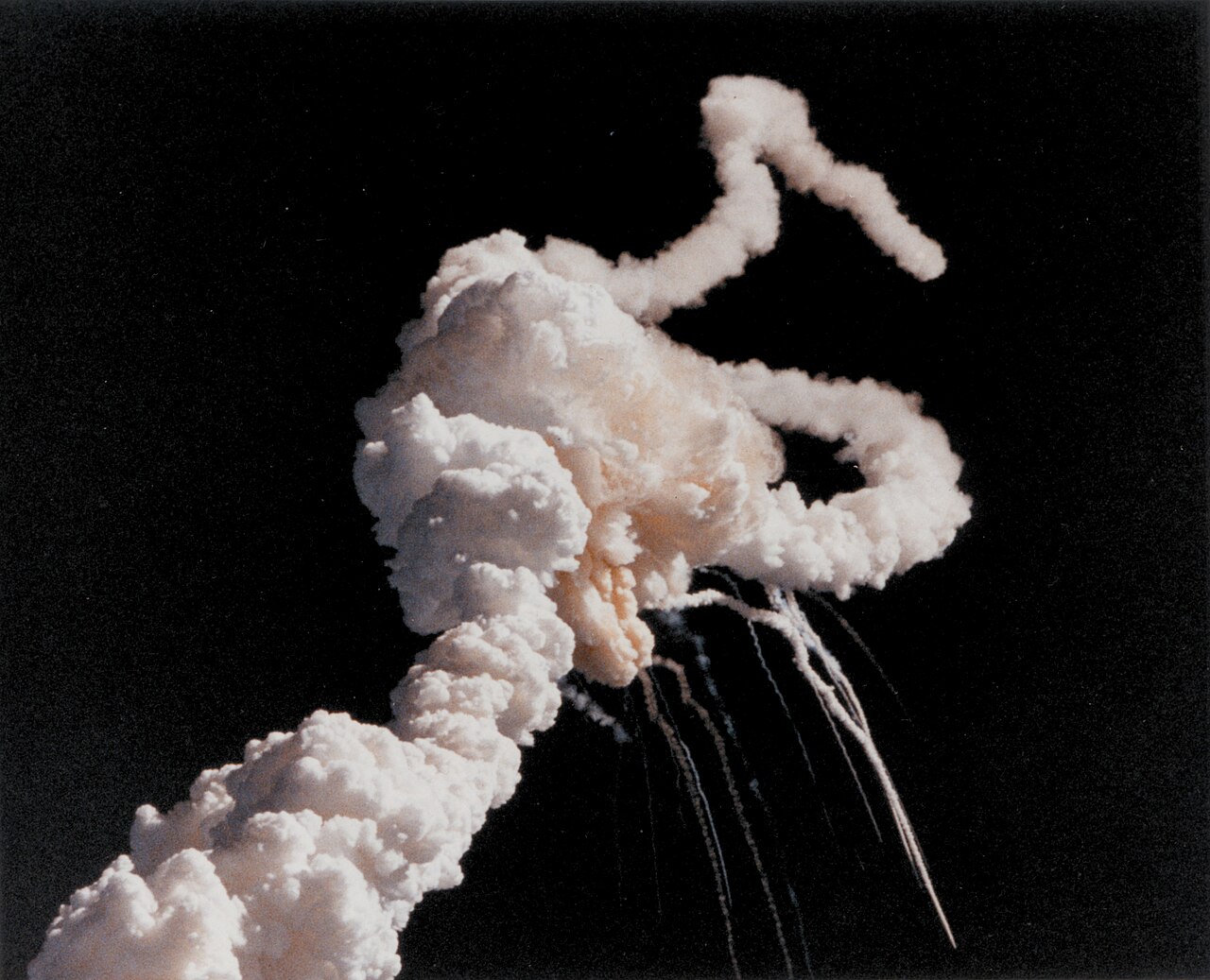
The Challenger disaster was a pivotal moment in the history of space exploration. On January 28, 1986, the Space Shuttle Challenger broke apart just 73 seconds into its flight, resulting in the loss of all seven crew members. This tragic event occurred about 46,000 feet above the Atlantic Ocean, off the coast of Cape Canaveral, Florida. The disaster was the first fatal accident involving an American spacecraft while in flight, and it had a profound impact on the Space Shuttle program. The crew members on board were Francis Scobee, Michael Smith, Judith Resnik, Ellison Onizuka, Ronald McNair, Sharon McAuliffe, and Greg Jarvis. The Challenger disaster led to a significant shift in the way NASA approached safety and risk management, as discussed in the Safety Culture report.
🔍 Causes of the Tragedy
The primary cause of the Challenger disaster was a faulty O-ring in one of the solid rocket boosters, which failed due to the low temperatures on the day of the launch. This failure allowed hot gases to escape and ignite the fuel tank, leading to a catastrophic explosion. The Roger Boisjoly memo, written by an engineer at Morton Thiokol, had warned of the potential dangers of launching in low temperatures, but his concerns were ultimately overruled. The investigation into the disaster was led by the Presidential Commission, which identified a number of factors that contributed to the tragedy, including inadequate safety procedures and a lack of communication between NASA and its contractors. The commission's report led to significant changes in the way NASA approached safety and risk management, as outlined in the Safety Reforms report.
👥 Crew Members and Their Roles
The crew members on board the Challenger were a diverse and experienced group of individuals. Francis Scobee was the commander of the mission, while Michael Smith was the pilot. Judith Resnik and Ellison Onizuka were mission specialists, and Ronald McNair was a physicist who was on board to conduct experiments. Sharon McAuliffe was a teacher and member of the Teacher in Space Project, and Greg Jarvis was a payload specialist. The crew members underwent rigorous training to prepare for the mission, which included spacewalk training and emergency procedures. Despite their training and experience, the crew was unable to survive the disaster, which was a devastating blow to the space program.
🚀 Space Shuttle Challenger: A Technical Overview
The Space Shuttle Challenger was a complex and sophisticated spacecraft, designed to carry crew and cargo into low Earth orbit. The spacecraft was equipped with a number of advanced systems, including solid rocket boosters and a liquid fuel tank. The Challenger was also equipped with a thermal protection system, which was designed to protect the spacecraft from the intense heat generated during re-entry. The spacecraft was launched from Kennedy Space Center using a launch pad, and it was intended to deploy a number of satellites and conduct scientific experiments. However, the mission was cut short by the disaster, which occurred just 73 seconds into the flight. The Space Shuttle main engine was also a critical component of the spacecraft, and its failure was a major contributor to the disaster.
📊 Investigation and Aftermath
The investigation into the Challenger disaster was led by the Presidential Commission, which was established by President Ronald Reagan. The commission was tasked with identifying the causes of the disaster and making recommendations to prevent similar tragedies in the future. The commission's report was highly critical of NASA and its contractors, and it identified a number of factors that contributed to the disaster, including inadequate safety procedures and a lack of communication between NASA and its contractors. The report led to significant changes in the way NASA approached safety and risk management, as outlined in the Safety Reforms report. The commission's findings were also discussed in the Congressional Hearings on the disaster.
🌎 Impact on the Space Program
The Challenger disaster had a profound impact on the space program, leading to a significant shift in the way NASA approached safety and risk management. The disaster also led to a number of changes in the design and operation of the Space Shuttle, including the development of new safety procedures and the implementation of more robust testing and inspection protocols. The disaster also had a major impact on the Space Shuttle program, leading to a significant delay in the schedule and an increase in costs. The Space Station program was also affected by the disaster, as it relied heavily on the Space Shuttle for transportation and logistics. The disaster led to a re-evaluation of the space program and its priorities, as discussed in the Space Policy report.
📝 Lessons Learned and Implementations
The Challenger disaster led to a number of important lessons being learned, including the importance of adequate safety procedures and the need for effective communication between NASA and its contractors. The disaster also highlighted the need for more robust testing and inspection protocols, as well as the importance of addressing potential safety concerns in a timely and effective manner. The Safety Culture report, written by NASA in response to the disaster, outlined a number of recommendations for improving safety and risk management within the agency. The report emphasized the importance of creating a safety-focused culture within NASA, and it led to significant changes in the way the agency approached safety and risk management. The Risk Management process was also improved, with a greater emphasis on identifying and mitigating potential risks.
🕊️ Memorialization and Legacy
The Challenger disaster was a devastating blow to the nation, and it led to a significant outpouring of grief and support for the families of the crew members. The disaster was widely covered in the media, and it led to a number of memorial services and tributes being held across the country. The Challenger Memorial was established to honor the crew members who lost their lives in the disaster, and it has become a powerful symbol of the sacrifices made by astronauts and their families. The disaster also led to a number of changes in the way NASA approaches the memorialization of its astronauts, including the establishment of a formal Astronaut Memorial program. The Space Mirror memorial was also dedicated to the crew members, and it serves as a reminder of the risks and challenges faced by astronauts.
📊 Cost and Schedule Implications
The Challenger disaster had significant cost and schedule implications for the Space Shuttle program. The disaster led to a significant delay in the schedule, and it resulted in a major increase in costs. The cost overrun was estimated to be in the billions of dollars, and it had a major impact on the overall budget for the space program. The disaster also led to a number of changes in the way NASA approaches the management of its programs, including the establishment of more robust cost and schedule controls. The Program Management process was improved, with a greater emphasis on tracking and controlling costs and schedules. The disaster also led to a re-evaluation of the space program and its priorities, as discussed in the Space Policy report.
🌐 International Response and Cooperation
The Challenger disaster led to a significant international response, with many countries offering condolences and support to the United States. The disaster was widely covered in the international media, and it led to a number of memorial services and tributes being held around the world. The International Space Community came together to offer support and assistance to NASA and the families of the crew members. The disaster also led to a number of changes in the way NASA approaches international cooperation, including the establishment of more robust partnerships and agreements with other space-faring nations. The Space Cooperation agreement was signed with several countries, and it has led to a number of joint missions and projects.
📚 Conclusion and Future Directions
In conclusion, the Challenger disaster was a pivotal moment in the history of space exploration. The disaster led to a significant shift in the way NASA approached safety and risk management, and it had a major impact on the Space Shuttle program. The disaster also led to a number of important lessons being learned, including the importance of adequate safety procedures and the need for effective communication between NASA and its contractors. As we look to the future of space exploration, it is essential that we remember the sacrifices made by the crew members of the Challenger and that we continue to prioritize safety and risk management in all of our endeavors. The Future of Space Exploration is bright, but it will require continued investment and innovation in order to achieve our goals.
Key Facts
- Year
- 1986
- Origin
- Kennedy Space Center, Florida
- Category
- Space Exploration
- Type
- Event
Frequently Asked Questions
What was the primary cause of the Challenger disaster?
The primary cause of the Challenger disaster was a faulty O-ring in one of the solid rocket boosters, which failed due to the low temperatures on the day of the launch. This failure allowed hot gases to escape and ignite the fuel tank, leading to a catastrophic explosion. The Roger Boisjoly memo, written by an engineer at Morton Thiokol, had warned of the potential dangers of launching in low temperatures, but his concerns were ultimately overruled.
Who were the crew members on board the Challenger?
The crew members on board the Challenger were Francis Scobee, Michael Smith, Judith Resnik, Ellison Onizuka, Ronald McNair, Sharon McAuliffe, and Greg Jarvis. They were a diverse and experienced group of individuals who underwent rigorous training to prepare for the mission.
What were the consequences of the Challenger disaster?
The Challenger disaster had a profound impact on the space program, leading to a significant shift in the way NASA approached safety and risk management. The disaster also led to a number of changes in the design and operation of the Space Shuttle, including the development of new safety procedures and the implementation of more robust testing and inspection protocols.
How did the Challenger disaster affect the Space Shuttle program?
The Challenger disaster led to a significant delay in the schedule and an increase in costs for the Space Shuttle program. The disaster also led to a number of changes in the way NASA approached the management of its programs, including the establishment of more robust cost and schedule controls.
What lessons were learned from the Challenger disaster?
The Challenger disaster led to a number of important lessons being learned, including the importance of adequate safety procedures and the need for effective communication between NASA and its contractors. The disaster also highlighted the need for more robust testing and inspection protocols, as well as the importance of addressing potential safety concerns in a timely and effective manner.