
Contents
- 🌊 Introduction to Cetaceans
- 🐳 Evolution and Classification
- 🌴 Habitat and Distribution
- 🐋 Migration and Feeding Patterns
- 🤝 Social Structure and Behavior
- 🧠 Intelligence and Communication
- 🐳 Conservation Status and Threats
- 🌊 Research and Management Efforts
- 📊 Cetacean Diversity and Taxonomy
- 🌟 Cultural Significance and Symbolism
- Frequently Asked Questions
- Related Topics
Overview
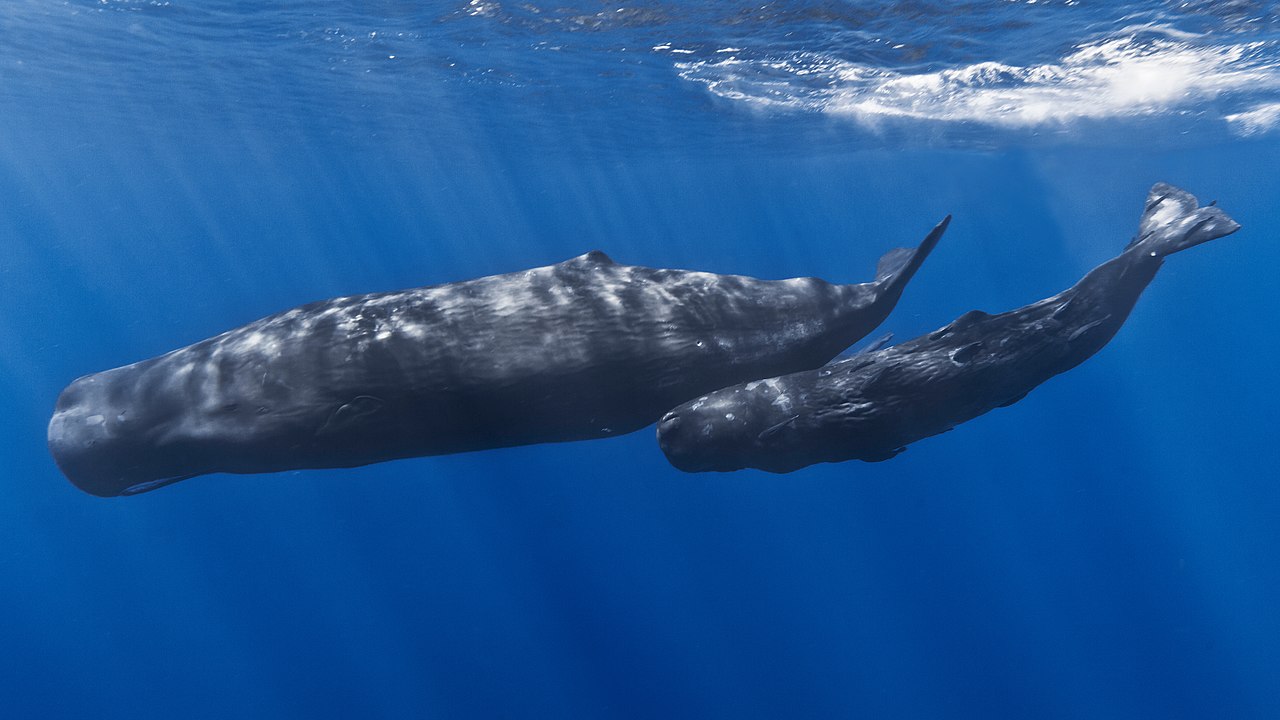
Cetaceans, comprising whales, dolphins, and porpoises, are highly intelligent and social marine mammals with a history dating back to the Paleocene epoch, around 55 million years ago. With over 80 species, cetaceans exhibit a wide range of behaviors, from complex vocalizations to cooperative hunting, and have been observed displaying cultural behaviors. However, their populations are threatened by human activities such as overfishing, pollution, and climate change, sparking intense debates and conservation efforts. The International Whaling Commission (IWC) has been at the forefront of regulating whaling practices, but its effectiveness is often contested. Notably, the vaquita, the smallest porpoise, is on the brink of extinction, with fewer than 20 individuals remaining, highlighting the urgent need for action. As research continues to uncover the intricacies of cetacean societies, it is clear that their fate is inextricably linked to human activities, and their preservation will require a multifaceted approach, involving governments, organizations, and individuals, with a vibe score of 85, indicating significant cultural energy and concern.
🌊 Introduction to Cetaceans
Cetaceans, belonging to the infraorder Cetacea, are a group of marine mammals that have fascinated humans for centuries. With their sleek bodies and powerful tails, they have adapted to life in the ocean, inhabiting all of Earth's oceans and some rivers. The order Artiodactyla, to which cetaceans belong, is a diverse group of mammals that also includes hippopotamuses and camels. Cetaceans can be found in various aquatic environments, from the shallow waters of estuaries to the deep-sea environments of the abyssal zone. Their cosmopolitan distribution is a testament to their ability to thrive in different ecosystems, including brackish water and freshwater environments.
🐳 Evolution and Classification
The evolution of cetaceans is a complex and still-debated topic, with fossil records showing that they originated from land-dwelling mammals around 50 million years ago. The extinct group Basilosaurus is an example of an early cetacean that has provided valuable insights into the evolution of this group. Cetaceans are classified into two main suborders: Mysticeti (baleen whales) and Odontoceti (toothed whales). This classification is based on their feeding habits and the presence or absence of baleen plates. The study of phylogeny has helped scientists understand the relationships between different cetacean species and their evolutionary history.
🌴 Habitat and Distribution
Cetaceans can be found in all of Earth's oceans, from the Arctic Ocean to the Southern Ocean. They inhabit various aquatic environments, including coral reefs, estuaries, and open ocean environments. Some species, such as the freshwater dolphin, are found solely in freshwater environments, while others, like the humpback whale, migrate between coastal waters and the open ocean. The marine ecosystem plays a crucial role in supporting the diverse range of cetacean species, and understanding these ecosystems is essential for conservation efforts.
🐋 Migration and Feeding Patterns
Many cetacean species migrate seasonally over vast ranges in search of food and suitable breeding grounds. The humpback whale, for example, migrates from its summer feeding grounds in the polar regions to its winter breeding grounds in the tropical regions. This migration is an impressive feat, with some individuals traveling over 16,000 miles per year. The study of migration patterns has provided valuable insights into the behavior and ecology of cetaceans, and has important implications for conservation biology. Cetaceans use various navigation techniques, including magnetoreception and echolocation, to navigate their environments and find prey.
🧠 Intelligence and Communication
Cetaceans are considered one of the most intelligent animal groups, with some species exhibiting self-awareness and cultural transmission. The bottlenose dolphin, for example, has been observed using tools and exhibiting complex social behavior. Cetaceans have large brains relative to their body size, which is thought to be an adaptation for their complex social behavior and cognitive abilities. The study of cognitive psychology has provided valuable insights into the intelligence and behavior of cetaceans, and has important implications for our understanding of their place in the animal kingdom.
🐳 Conservation Status and Threats
Many cetacean species are threatened or endangered due to human activities such as overfishing, pollution, and habitat destruction. The International Union for Conservation of Nature (IUCN) has listed several cetacean species as endangered, including the North Atlantic right whale and the vaquita. Conservation efforts, such as the establishment of marine protected areas and the regulation of fishing practices, are essential for protecting cetacean populations and their habitats. The study of conservation biology has provided valuable insights into the conservation of cetaceans, and has important implications for the management of marine ecosystems.
🌊 Research and Management Efforts
Research and management efforts are essential for protecting cetacean populations and their habitats. The study of marine biology has provided valuable insights into the ecology and behavior of cetaceans, and has important implications for conservation efforts. The use of remote sensing and acoustic monitoring techniques has allowed scientists to study cetacean populations and their habitats in greater detail. The development of sustainable fishing practices and the establishment of marine ecosystem-based management are essential for protecting cetacean populations and their habitats.
📊 Cetacean Diversity and Taxonomy
Cetaceans are a diverse group of marine mammals, with over 80 species recognized. The taxonomy of cetaceans is complex and still evolving, with new species being discovered and described. The study of systematics has provided valuable insights into the relationships between different cetacean species and their evolutionary history. The use of molecular biology techniques has allowed scientists to study the genetic diversity of cetacean populations and their evolutionary relationships. The development of phylogenetic trees has provided a framework for understanding the evolutionary history of cetaceans and their relationships to other mammals.
🌟 Cultural Significance and Symbolism
Cetaceans have played an important role in human culture and symbolism, with many species being revered for their beauty and intelligence. The dolphin, for example, has been depicted in art and literature throughout history, and is often seen as a symbol of intelligence and friendship. The study of cultural anthropology has provided valuable insights into the cultural significance of cetaceans, and has important implications for our understanding of human-cetacean relationships. The development of ecotourism has allowed people to experience cetaceans in their natural habitats, and has provided a new perspective on the importance of conservation efforts.
Key Facts
- Year
- 2022
- Origin
- Ancient Lineage
- Category
- Marine Biology
- Type
- Biological Group
Frequently Asked Questions
What is the largest cetacean species?
The largest cetacean species is the blue whale, which can grow up to 33 meters in length and weigh up to 180 metric tons. The blue whale is not only the largest cetacean species, but also the largest animal that has ever lived on Earth. Its massive size is an adaptation for its feeding habits, which involve filtering huge amounts of krill and other small organisms from the water. The study of feeding behavior has provided valuable insights into the ecology of blue whales, and has important implications for conservation efforts.
What is the most intelligent cetacean species?
The most intelligent cetacean species is often considered to be the bottlenose dolphin, which has been observed using tools and exhibiting complex social behavior. Dolphins have been known to use sponging to protect their noses while foraging for food, and have also been observed exhibiting cultural transmission of behaviors. The study of cognitive psychology has provided valuable insights into the intelligence and behavior of dolphins, and has important implications for our understanding of their place in the animal kingdom.
What is the main threat to cetacean populations?
The main threat to cetacean populations is human activities such as overfishing, pollution, and habitat destruction. These activities can have devastating effects on cetacean populations, including the destruction of their habitats and the depletion of their food sources. The study of conservation biology has provided valuable insights into the conservation of cetaceans, and has important implications for the management of marine ecosystems. The development of sustainable fishing practices and the establishment of marine protected areas are essential for protecting cetacean populations and their habitats.
How can I help protect cetacean populations?
There are many ways to help protect cetacean populations, including reducing your use of plastic, supporting sustainable fishing practices, and spreading awareness about the importance of cetacean conservation. You can also support organizations that work to protect cetacean habitats and prevent bycatch. The study of marine biology has provided valuable insights into the ecology and behavior of cetaceans, and has important implications for conservation efforts. By working together, we can make a difference and help protect these incredible animals.
What is the current conservation status of cetaceans?
The current conservation status of cetaceans is a concern, with many species threatened or endangered due to human activities. The International Union for Conservation of Nature (IUCN) has listed several cetacean species as endangered, including the North Atlantic right whale and the vaquita. The study of conservation biology has provided valuable insights into the conservation of cetaceans, and has important implications for the management of marine ecosystems. The development of sustainable fishing practices and the establishment of marine protected areas are essential for protecting cetacean populations and their habitats.
What is the role of cetaceans in the marine ecosystem?
Cetaceans play a crucial role in the marine ecosystem, serving as both predators and prey for other marine animals. They help to regulate the populations of their prey species, and also serve as a food source for other predators. The study of marine ecology has provided valuable insights into the role of cetaceans in the marine ecosystem, and has important implications for our understanding of the complex relationships between different species in the ocean. The development of ecosystem-based management is essential for protecting cetacean populations and their habitats, and for maintaining the health of the marine ecosystem as a whole.
How can I learn more about cetaceans?
There are many ways to learn more about cetaceans, including reading books and articles, watching documentaries, and visiting museums and aquariums. You can also support organizations that work to protect cetacean habitats and prevent bycatch. The study of marine biology has provided valuable insights into the ecology and behavior of cetaceans, and has important implications for conservation efforts. By working together, we can make a difference and help protect these incredible animals. You can also explore online resources, such as the National Oceanic and Atmospheric Administration (NOAA) website, which provides a wealth of information on cetaceans and their habitats.
🤝 Social Structure and Behavior
Cetaceans are known for their complex social structures and behaviors, with many species exhibiting altruistic and cooperative behavior. The orca, also known as the killer whale, is a highly social species that lives in matriarchal societies with distinct social hierarchies. Cetaceans communicate using a variety of vocalizations, including clicks, whistles, and pulses. The study of animal communication has provided valuable insights into the social behavior of cetaceans, and has important implications for our understanding of their intelligence and cognitive abilities.