
Contents
- 📚 Introduction to Certified Public Accountant (CPA)
- 🎓 Education and Examination Requirements
- 📊 Licensing and Certification Process
- 🌎 Global Equivalence and Recognition
- 📈 Career Opportunities and Specializations
- 🤝 Professional Associations and Networking
- 📊 Continuing Professional Education (CPE) Requirements
- 🚀 Future of the CPA Profession
- 📊 CPA vs. Other Accounting Certifications
- 📝 Conclusion and Next Steps
- Frequently Asked Questions
- Related Topics
Overview
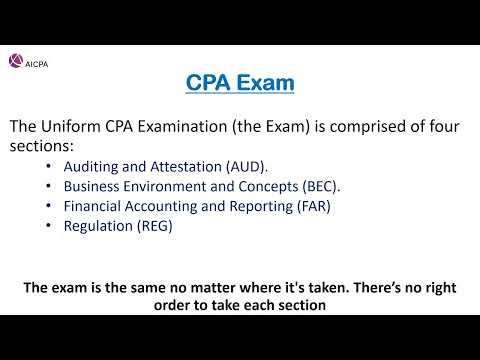
A Certified Public Accountant (CPA) is a professional designation awarded to accountants who have met the education, experience, and examination requirements set by their state's accountancy board. With over 650,000 CPAs in the United States, according to the American Institute of Certified Public Accountants (AICPA), this certification is considered the gold standard of accounting professionals. CPAs are responsible for a wide range of tasks, including auditing, tax preparation, and financial planning, and are employed in various industries, including public accounting firms, corporations, and government agencies. The CPA exam, which is administered by the AICPA, consists of four sections: Auditing and Attestation (AUD), Financial Accounting and Reporting (FAR), Regulation (REG), and Business Environment and Concepts (BEC). The exam has a pass rate of around 50%, making it a challenging and prestigious certification to obtain. As the accounting profession continues to evolve, CPAs must stay up-to-date with changing regulations and technologies, such as blockchain and artificial intelligence, to remain competitive and provide high-quality services to their clients.
📚 Introduction to Certified Public Accountant (CPA)
The Certified Public Accountant (CPA) is a prestigious title awarded to qualified accountants in many English-speaking countries, including the United States, Canada, and Australia. To become a CPA, one must meet the licensing requirements set by their state or country, which typically include passing the Uniform Certified Public Accountant Examination. The CPA title is equivalent to the Chartered Accountant title in other English-speaking countries. In the United States, the CPA is a license to provide accounting services to the public, and it is awarded by each of the 50 states for practice in that state. Additionally, all states except Hawaii have passed mobility laws to allow CPAs from other states to practice in their state.
🎓 Education and Examination Requirements
To become a CPA, one must meet the minimum standard requirements, which include passing the Uniform Certified Public Accountant Examination, completing 150 semester units of college education, and gaining one year of accounting-related experience. The education requirements typically include a bachelor's degree in accounting or a related field, such as business administration or finance. The Uniform CPA Examination is a 16-hour exam that tests a candidate's knowledge and skills in areas such as auditing, financial accounting, and taxation.
📊 Licensing and Certification Process
The licensing and certification process for CPAs varies by state, but most states require candidates to apply for a CPA license through their state's accountancy board. The application process typically involves submitting transcripts, letters of recommendation, and other documentation to verify the candidate's education and experience. Once the application is approved, the candidate can register for the Uniform Certified Public Accountant Examination. After passing the exam, the candidate can apply for a CPA license, which must be renewed periodically to maintain certification.
🌎 Global Equivalence and Recognition
The CPA title is recognized globally, and many countries have equivalent certifications, such as the Chartered Accountant title in the United Kingdom and Canada. The International Federation of Accountants (IFAC) is a global organization that promotes the development of the accounting profession and provides guidance on accounting standards and ethics. CPAs can work in a variety of industries, including public accounting, industry, and government. They can also specialize in areas such as taxation, auditing, and financial planning.
📈 Career Opportunities and Specializations
CPAs have a wide range of career opportunities and specializations, including public accounting, industry, and government. They can work in areas such as financial reporting, budgeting, and financial analysis. CPAs can also pursue specialized certifications, such as the Certified Management Accountant (CMA) or the Certified Internal Auditor (CIA). Professional associations, such as the American Institute of Certified Public Accountants (AICPA), provide resources and networking opportunities for CPAs.
🤝 Professional Associations and Networking
Professional associations, such as the American Institute of Certified Public Accountants (AICPA), play a crucial role in promoting the CPA profession and providing resources for CPAs. These associations offer continuing professional education (CPE) courses, conferences, and networking events to help CPAs stay up-to-date with the latest developments in the field. They also advocate for the interests of CPAs and the accounting profession as a whole. Additionally, many states have their own state accountancy boards that regulate the practice of accounting and provide guidance on licensing requirements.
📊 Continuing Professional Education (CPE) Requirements
To maintain their certification, CPAs must complete a certain number of hours of continuing professional education (CPE) courses every year. These courses can be taken online or in-person and cover a wide range of topics, including accounting standards, taxation, and auditing. The American Institute of Certified Public Accountants (AICPA) and other professional associations offer CPE courses and resources to help CPAs meet their CPE requirements. CPAs must also adhere to a code of professional conduct that outlines their ethical responsibilities and obligations.
🚀 Future of the CPA Profession
The future of the CPA profession is likely to be shaped by technological advancements, such as artificial intelligence and blockchain, which are changing the way accounting services are delivered. CPAs will need to develop new skills and competencies to stay relevant in this changing landscape. The American Institute of Certified Public Accountants (AICPA) and other professional associations are working to promote the development of these skills and to advocate for the interests of CPAs. Additionally, the International Federation of Accountants (IFAC) is working to promote the development of the accounting profession globally.
📊 CPA vs. Other Accounting Certifications
The CPA certification is one of several accounting certifications available, including the Certified Management Accountant (CMA) and the Certified Internal Auditor (CIA). Each certification has its own unique requirements and specializations, and CPAs can pursue multiple certifications to enhance their career opportunities. The American Institute of Certified Public Accountants (AICPA) offers resources and guidance to help CPAs choose the right certification for their career goals. Additionally, many states have their own state accountancy boards that regulate the practice of accounting and provide guidance on licensing requirements.
📝 Conclusion and Next Steps
In conclusion, the Certified Public Accountant (CPA) is a prestigious title that requires a high level of education, experience, and expertise. CPAs play a critical role in the accounting profession, and their services are in high demand. To become a CPA, one must meet the licensing requirements set by their state or country, which typically include passing the Uniform Certified Public Accountant Examination. The American Institute of Certified Public Accountants (AICPA) and other professional associations provide resources and guidance to help CPAs achieve their career goals and stay up-to-date with the latest developments in the field.
Key Facts
- Year
- 1887
- Origin
- United States
- Category
- Finance and Accounting
- Type
- Professional Certification
Frequently Asked Questions
What is a Certified Public Accountant (CPA)?
A Certified Public Accountant (CPA) is a qualified accountant who has met the licensing requirements set by their state or country, which typically include passing the Uniform Certified Public Accountant Examination, completing 150 semester units of college education, and gaining one year of accounting-related experience. CPAs are licensed to provide accounting services to the public and can work in a variety of industries, including public accounting, industry, and government.
What are the education requirements for a CPA?
The education requirements for a CPA typically include a bachelor's degree in accounting or a related field, such as business administration or finance. The degree must be from an accredited institution and must include a certain number of semester units of accounting and business courses. Additionally, many states require CPAs to complete a certain number of hours of continuing professional education (CPE) courses every year to maintain their certification.
What is the Uniform Certified Public Accountant Examination?
The Uniform Certified Public Accountant Examination is a 16-hour exam that tests a candidate's knowledge and skills in areas such as auditing, financial accounting, and taxation. The exam is administered by the American Institute of Certified Public Accountants (AICPA) and is required for CPA licensure in most states. The exam is divided into four sections: Auditing and Attestation (AUD), Financial Accounting and Reporting (FAR), Regulation (REG), and Business Environment and Concepts (BEC).
What are the benefits of becoming a CPA?
The benefits of becoming a CPA include increased career opportunities, higher salary potential, and greater job security. CPAs are in high demand and can work in a variety of industries, including public accounting, industry, and government. Additionally, CPAs have access to a wide range of professional development opportunities and can pursue specialized certifications, such as the Certified Management Accountant (CMA) or the Certified Internal Auditor (CIA).
How do I maintain my CPA certification?
To maintain your CPA certification, you must complete a certain number of hours of continuing professional education (CPE) courses every year. The number of hours required varies by state, but most states require at least 40 hours of CPE every two years. You must also adhere to a code of professional conduct that outlines your ethical responsibilities and obligations. Additionally, you must renew your CPA license periodically, which typically involves paying a fee and submitting documentation to verify your CPE hours and other requirements.
What are the different types of accounting certifications?
There are several types of accounting certifications, including the Certified Public Accountant (CPA), the Certified Management Accountant (CMA), and the Certified Internal Auditor (CIA). Each certification has its own unique requirements and specializations, and CPAs can pursue multiple certifications to enhance their career opportunities. The American Institute of Certified Public Accountants (AICPA) offers resources and guidance to help CPAs choose the right certification for their career goals.
How do I choose the right accounting certification for my career goals?
To choose the right accounting certification for your career goals, you should consider your career aspirations, industry, and job function. You should also research the requirements and benefits of each certification, including the education and experience requirements, exam format, and CPE requirements. The American Institute of Certified Public Accountants (AICPA) offers resources and guidance to help you choose the right certification for your career goals.