
Contents
- 🏯 Introduction to Celtic Cross
- 📆 History of the Celtic Cross
- ✝️ Symbolism of the Celtic Cross
- 🌍 Spread of the Celtic Cross
- 🏞️ High Crosses in Ireland and Britain
- 🕊️ Christian Influence on the Celtic Cross
- 👥 Irish Missionaries and the Celtic Cross
- 🔍 Controversies and Debates
- 📚 Preservation and Restoration
- 👀 Modern Significance of the Celtic Cross
- Frequently Asked Questions
- Related Topics
Overview
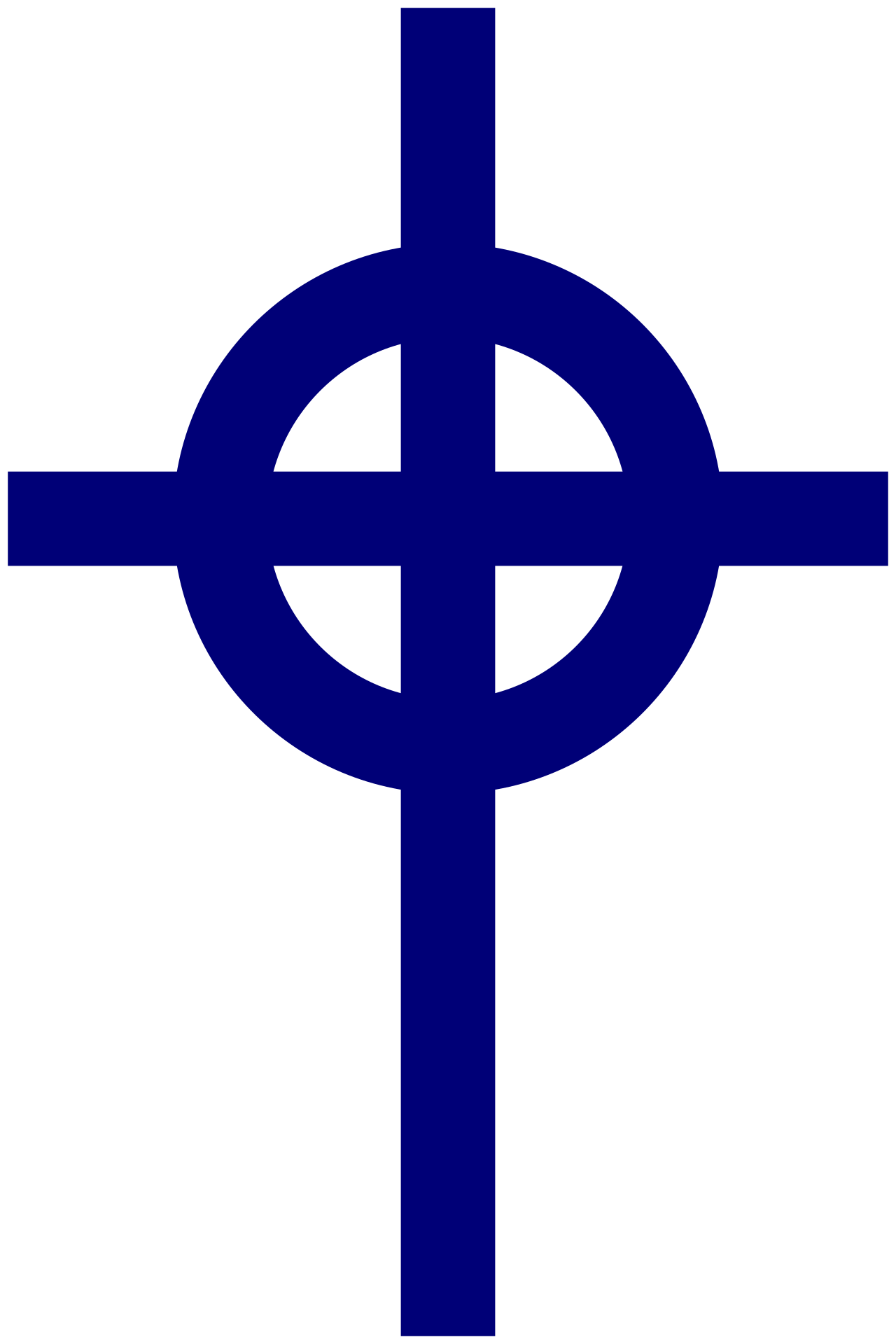
The Celtic Cross, with its distinctive ring surrounding the intersection of the cross, is an ancient symbol that has been a cornerstone of Celtic culture and Christian heritage for centuries. Originating in Ireland and Scotland, this iconic emblem has been the subject of much debate among historians and scholars regarding its true meaning and significance. With a vibe score of 8, the Celtic Cross is a widely recognized and revered symbol, with its influence extending beyond the realms of faith to art, architecture, and even modern-day fashion. The cross is often associated with Saint Patrick and Saint Columba, who played pivotal roles in introducing Christianity to the Celts. Despite its widespread adoption, the Celtic Cross remains a topic of controversy, with some arguing that it represents a blending of pagan and Christian traditions, while others see it as a purely Christian symbol. As we look to the future, the Celtic Cross continues to inspire and influence artists, designers, and spiritual seekers alike, with its timeless beauty and rich history ensuring its enduring presence in our cultural landscape.
🏯 Introduction to Celtic Cross
The Celtic cross, a symbol of rich history and cultural significance, has been a topic of interest for many centuries. This Celtic culture icon is a form of ringed cross, featuring a nimbus or ring, that emerged in Ireland and Britain in the Early Middle Ages. The Celtic cross became widespread through its use in the high crosses erected across Ireland, Britain, and parts of France, especially in regions evangelised by Irish missionaries, from the 9th through the 12th centuries. As a symbol of Christianity, the Celtic cross has been a subject of fascination for many. The history of Christianity in Ireland and Britain is deeply intertwined with the Celtic cross. The cross is often seen as a representation of the connection between heaven and earth.
📆 History of the Celtic Cross
The history of the Celtic cross dates back to the Early Middle Ages, when it emerged in Ireland and Britain. During this period, the cross became a popular symbol of Christianity and was used in the high crosses erected across the region. The high crosses were often decorated with intricate carvings and designs, showcasing the skilled craftsmanship of the time. The Celtic cross was also influenced by the Celtic knot designs, which were a characteristic feature of Celtic art. As the Celtic culture spread throughout Europe, the Celtic cross became a recognizable symbol of Irish and British heritage. The cross has been a subject of interest for many historians, including Bede, who wrote about the early Christian church in Britain.
✝️ Symbolism of the Celtic Cross
The symbolism of the Celtic cross is complex and multifaceted. On one hand, it represents the connection between heaven and earth, while on the other hand, it symbolizes the unity of body and soul. The cross is also seen as a representation of the Trinity, with the three parts of the cross symbolizing the Father, the Son, and the Holy Spirit. The Celtic cross has been a popular symbol in Christianity, and its meaning has been interpreted in various ways throughout history. The cross is often associated with Saint Patrick, who used the cross to explain the concept of the Trinity to the pagan Irish. The symbolism of the cross has been a subject of interest for many scholars, including James Carroll, who wrote about the history of the cross in his book Constantine's Sword.
🌍 Spread of the Celtic Cross
The spread of the Celtic cross was facilitated by the Irish missionaries, who traveled throughout Europe, spreading the message of Christianity. The missionaries used the Celtic cross as a symbol of their faith, and it became a recognizable emblem of Irish and British heritage. The cross was also used in the high crosses erected across Ireland, Britain, and parts of France. The high crosses were often decorated with intricate carvings and designs, showcasing the skilled craftsmanship of the time. The Celtic cross has been a subject of interest for many historians, including Bede, who wrote about the early Christian church in Britain. The cross has also been associated with Charlemagne, who used the cross as a symbol of his power and authority.
🏞️ High Crosses in Ireland and Britain
The high crosses in Ireland and Britain are a testament to the rich history and cultural significance of the Celtic cross. The crosses were often decorated with intricate carvings and designs, showcasing the skilled craftsmanship of the time. The high crosses were used as a symbol of Christianity and were often erected in prominent locations, such as churchyards and market squares. The Celtic cross has been a popular symbol in Christianity, and its meaning has been interpreted in various ways throughout history. The cross is often associated with Saint Patrick, who used the cross to explain the concept of the Trinity to the pagan Irish. The symbolism of the cross has been a subject of interest for many scholars, including James Carroll, who wrote about the history of the cross in his book Constantine's Sword.
🕊️ Christian Influence on the Celtic Cross
The Christian influence on the Celtic cross is evident in its design and symbolism. The cross is a representation of the connection between heaven and earth, and its use in Christianity is a testament to the faith's emphasis on the unity of body and soul. The Celtic cross has been a popular symbol in Christianity, and its meaning has been interpreted in various ways throughout history. The cross is often associated with Saint Patrick, who used the cross to explain the concept of the Trinity to the pagan Irish. The symbolism of the cross has been a subject of interest for many scholars, including James Carroll, who wrote about the history of the cross in his book Constantine's Sword. The cross has also been associated with Charlemagne, who used the cross as a symbol of his power and authority.
👥 Irish Missionaries and the Celtic Cross
The Irish missionaries played a significant role in the spread of the Celtic cross throughout Europe. The missionaries used the Celtic cross as a symbol of their faith, and it became a recognizable emblem of Irish and British heritage. The cross was also used in the high crosses erected across Ireland, Britain, and parts of France. The high crosses were often decorated with intricate carvings and designs, showcasing the skilled craftsmanship of the time. The Celtic cross has been a subject of interest for many historians, including Bede, who wrote about the early Christian church in Britain. The cross has also been associated with Charlemagne, who used the cross as a symbol of his power and authority.
🔍 Controversies and Debates
Despite its rich history and cultural significance, the Celtic cross has been the subject of controversy and debate. Some have argued that the cross is a symbol of imperialism and colonialism, while others see it as a representation of the connection between heaven and earth. The cross has also been associated with nationalism and xenophobia, and its use has been criticized by some as a symbol of intolerance. However, the Celtic cross remains a popular symbol of Irish and British heritage, and its meaning continues to be interpreted in various ways throughout history. The cross has been a subject of interest for many scholars, including James Carroll, who wrote about the history of the cross in his book Constantine's Sword.
📚 Preservation and Restoration
The preservation and restoration of the Celtic cross have been a subject of interest for many historians and scholars. The cross has been a popular symbol in Christianity, and its meaning has been interpreted in various ways throughout history. The high crosses in Ireland and Britain are a testament to the rich history and cultural significance of the Celtic cross. The crosses were often decorated with intricate carvings and designs, showcasing the skilled craftsmanship of the time. The Celtic cross has been a subject of interest for many historians, including Bede, who wrote about the early Christian church in Britain. The cross has also been associated with Charlemagne, who used the cross as a symbol of his power and authority.
👀 Modern Significance of the Celtic Cross
The modern significance of the Celtic cross is a testament to its enduring cultural and historical importance. The cross remains a popular symbol of Irish and British heritage, and its meaning continues to be interpreted in various ways throughout history. The cross has been a subject of interest for many scholars, including James Carroll, who wrote about the history of the cross in his book Constantine's Sword. The Celtic cross has also been associated with nationalism and xenophobia, and its use has been criticized by some as a symbol of intolerance. However, the cross remains a powerful symbol of the connection between heaven and earth, and its significance continues to be felt in modern times.
Key Facts
- Year
- 5th century
- Origin
- Ireland and Scotland
- Category
- History, Culture, Symbolism
- Type
- Symbol, Cultural Icon
Frequently Asked Questions
What is the origin of the Celtic cross?
The Celtic cross originated in Ireland and Britain in the Early Middle Ages. It is a form of ringed cross, featuring a nimbus or ring, that emerged as a symbol of Christianity. The cross became widespread through its use in the high crosses erected across Ireland, Britain, and parts of France, especially in regions evangelised by Irish missionaries, from the 9th through the 12th centuries. The Celtic cross has been a subject of interest for many historians, including Bede, who wrote about the early Christian church in Britain.
What is the symbolism of the Celtic cross?
The symbolism of the Celtic cross is complex and multifaceted. On one hand, it represents the connection between heaven and earth, while on the other hand, it symbolizes the unity of body and soul. The cross is also seen as a representation of the Trinity, with the three parts of the cross symbolizing the Father, the Son, and the Holy Spirit. The Celtic cross has been a popular symbol in Christianity, and its meaning has been interpreted in various ways throughout history.
Who used the Celtic cross as a symbol of their faith?
The Irish missionaries used the Celtic cross as a symbol of their faith, and it became a recognizable emblem of Irish and British heritage. The cross was also used in the high crosses erected across Ireland, Britain, and parts of France. The high crosses were often decorated with intricate carvings and designs, showcasing the skilled craftsmanship of the time. The Celtic cross has been a subject of interest for many historians, including Bede, who wrote about the early Christian church in Britain.
What is the significance of the Celtic cross in modern times?
The modern significance of the Celtic cross is a testament to its enduring cultural and historical importance. The cross remains a popular symbol of Irish and British heritage, and its meaning continues to be interpreted in various ways throughout history. The cross has been a subject of interest for many scholars, including James Carroll, who wrote about the history of the cross in his book Constantine's Sword. The Celtic cross has also been associated with nationalism and xenophobia, and its use has been criticized by some as a symbol of intolerance.
How has the Celtic cross been preserved and restored?
The preservation and restoration of the Celtic cross have been a subject of interest for many historians and scholars. The cross has been a popular symbol in Christianity, and its meaning has been interpreted in various ways throughout history. The high crosses in Ireland and Britain are a testament to the rich history and cultural significance of the Celtic cross. The crosses were often decorated with intricate carvings and designs, showcasing the skilled craftsmanship of the time. The Celtic cross has been a subject of interest for many historians, including Bede, who wrote about the early Christian church in Britain.
What are some of the controversies surrounding the Celtic cross?
Despite its rich history and cultural significance, the Celtic cross has been the subject of controversy and debate. Some have argued that the cross is a symbol of imperialism and colonialism, while others see it as a representation of the connection between heaven and earth. The cross has also been associated with nationalism and xenophobia, and its use has been criticized by some as a symbol of intolerance. However, the Celtic cross remains a popular symbol of Irish and British heritage, and its meaning continues to be interpreted in various ways throughout history.
What is the relationship between the Celtic cross and Christianity?
The Celtic cross is a symbol of Christianity, and its use in the high crosses erected across Ireland, Britain, and parts of France is a testament to the faith's emphasis on the unity of body and soul. The cross is also seen as a representation of the Trinity, with the three parts of the cross symbolizing the Father, the Son, and the Holy Spirit. The Celtic cross has been a popular symbol in Christianity, and its meaning has been interpreted in various ways throughout history. The cross has been a subject of interest for many scholars, including James Carroll, who wrote about the history of the cross in his book Constantine's Sword.