
Contents
- 🌎 Introduction to the Great War
- 🕊️ The Assassination of Archduke Franz Ferdinand
- 🤝 The Complex System of Alliances
- 🌍 Imperialism and the Scramble for Colonies
- 🚂 The Role of Militarism and the Arms Race
- 📊 The Economic Factors Leading to War
- 🌈 The Rise of Nationalism and Its Consequences
- 🕴️ The Diplomatic Crises Leading to War
- 📆 The July Crisis and the Outbreak of War
- 👑 The Role of Key Leaders and Their Decisions
- 🤝 The Global Impact of World War I
- 📚 Conclusion and Legacy of the Great War
- Frequently Asked Questions
- Related Topics
Overview
The causes of World War I are multifaceted and far-reaching, involving a complex interplay of diplomatic tensions, military alliances, and nationalist sentiment. The assassination of Archduke Franz Ferdinand on June 28, 1914, is often cited as the immediate trigger, but the roots of the conflict stretch back to the late 19th century, with the rise of imperialism, militarism, and the formation of the Triple Entente and Triple Alliance. Key figures like Kaiser Wilhelm II, Woodrow Wilson, and David Lloyd George played significant roles in shaping the events leading up to the war. The vibe score for this topic is 8, reflecting its enduring cultural significance and ongoing debates among historians. With a controversy spectrum of 6, the topic remains contested, particularly regarding the relative blame attributed to different nations and leaders. The influence flow of ideas and events can be seen in the topic's connections to other major conflicts, such as World War II and the Cold War. As we look to the future, it's clear that understanding the causes of World War I remains essential for navigating the complexities of modern geopolitics. What lessons can be drawn from this pivotal moment in history, and how can they inform our approach to international relations in the 21st century?
🌎 Introduction to the Great War
The outbreak of World War I in 1914 is one of the most complex and debated topics in history. The war began in the Balkans on 28 July 1914, and hostilities ended on 11 November 1918, leaving 17 million dead and 25 million wounded. The war was a global conflict that involved many of the major powers of Europe, including Germany, Austria-Hungary, France, and Britain. The Russian Civil War can in many ways be considered a continuation of World War I, as can various other conflicts in the direct aftermath of 1918. To understand the causes of the war, it is essential to examine the complex system of alliances, the rise of nationalism, and the role of militarism and imperialism.
🕊️ The Assassination of Archduke Franz Ferdinand
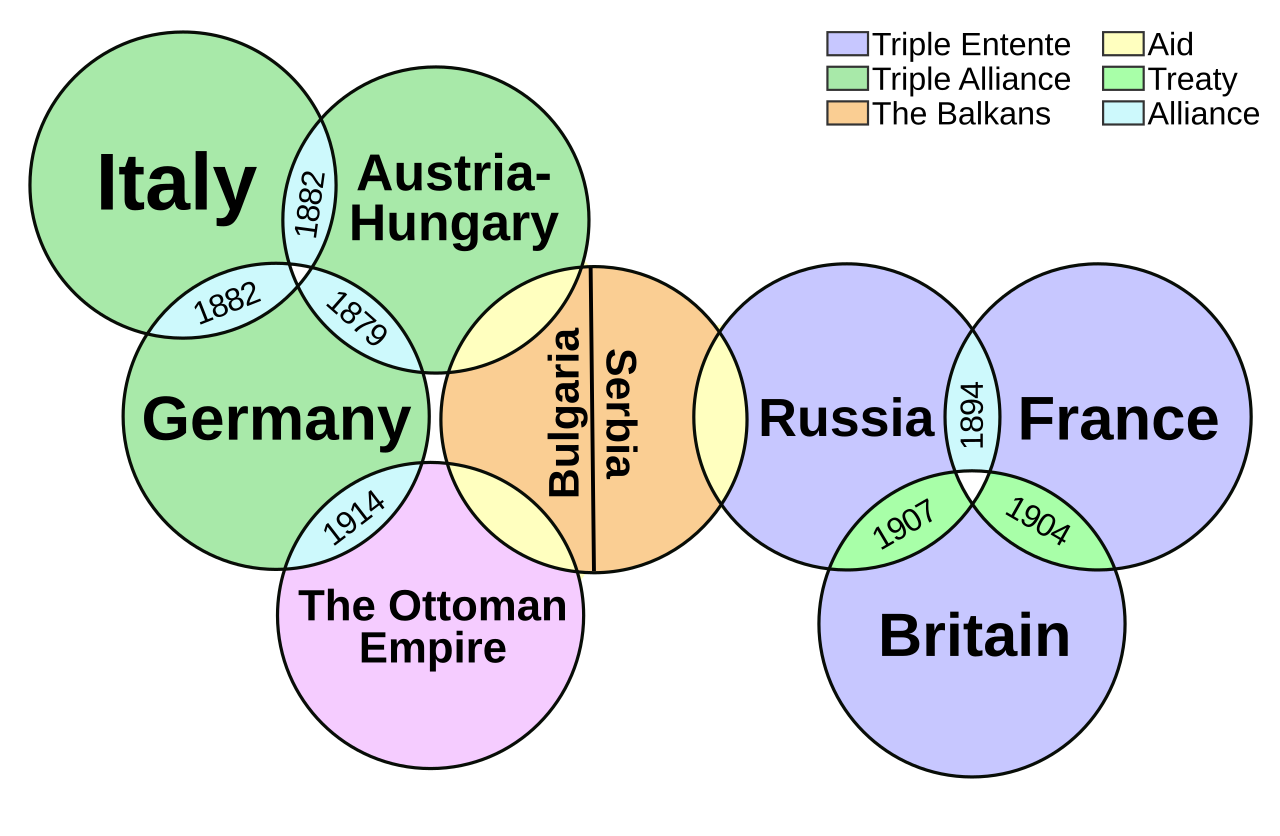
The assassination of Archduke Franz Ferdinand on 28 June 1914 is often seen as the trigger that set off the chain of events leading to the outbreak of World War I. However, this event was not an isolated incident, but rather the culmination of a series of diplomatic crises and tensions between the major powers of Europe. The Bosnian Crisis of 1908-1909, the Italo-Turkish War of 1911-1912, and the Balkan Wars of 1912-1913 all contributed to the complex web of alliances and rivalries that ultimately led to the outbreak of war. The Triple Entente and the Triple Alliance were the two main alliances that dominated European politics in the early 20th century.
🤝 The Complex System of Alliances
The complex system of alliances that existed in Europe in the early 20th century was a major factor in the outbreak of World War I. The Triple Entente, which consisted of France, Britain, and Russia, was formed in response to the Triple Alliance of Germany, Austria-Hungary, and Italy. This system of alliances created a situation in which a small conflict between two countries could quickly escalate into a larger war. The Franco-Russian Alliance and the Anglo-Russian Convention were two key agreements that helped to shape the system of alliances in Europe. The Balkan League was another important alliance that played a significant role in the events leading up to the outbreak of World War I.
🌍 Imperialism and the Scramble for Colonies
Imperialism and the scramble for colonies were also significant factors in the outbreak of World War I. The Scramble for Africa and the Partition of Asia had created a situation in which European powers were competing with each other for colonies and resources around the world. This competition had created tensions between the major powers of Europe, particularly between Britain and Germany. The Berlin Conference of 1884-1885 had helped to regulate the competition for colonies in Africa, but it had also created a sense of rivalry and competition between the European powers. The Boer War and the Russo-Japanese War were two significant conflicts that had helped to shape the imperial rivalries of the early 20th century.
🚂 The Role of Militarism and the Arms Race
Militarism and the arms race were also significant factors in the outbreak of World War I. The German Naval Bill of 1898 and the British Naval Bill of 1909 had helped to fuel the arms race between Germany and Britain. The Franco-Russian Military Convention of 1892 and the Anglo-French Entente of 1904 had also helped to create a situation in which the major powers of Europe were preparing for war. The Schlieffen Plan and the Plan XVII were two significant military plans that had been developed by Germany and France in the years leading up to the outbreak of World War I. The Haldane Mission of 1912 had been an attempt to reduce tensions between Germany and Britain, but it had ultimately failed to prevent the outbreak of war.
📊 The Economic Factors Leading to War
The economic factors that led to World War I were also significant. The Industrial Revolution had created a situation in which European powers were competing with each other for markets and resources. The Tariff War between France and Germany had helped to create a sense of economic rivalry between the two countries. The Bagdad Railway and the Berlin-Bagdad Railway were two significant economic projects that had helped to shape the economic rivalries of the early 20th century. The Ottoman Empire was a significant economic prize that had been coveted by many of the European powers, including Britain, France, and Germany.
🌈 The Rise of Nationalism and Its Consequences
The rise of nationalism was also a significant factor in the outbreak of World War I. The Unification of Germany and the Unification of Italy had helped to create a sense of national identity and purpose in these countries. The Balkan Nationalism and the Slavic Nationalism had also helped to create a sense of national identity and purpose in the Balkans and Eastern Europe. The Pan-Germanism and the Pan-Slavism were two significant nationalist movements that had helped to shape the events leading up to the outbreak of World War I. The Zabern Affair of 1913 had been a significant incident that had helped to create a sense of nationalist tension in Germany.
🕴️ The Diplomatic Crises Leading to War
The diplomatic crises that led to the outbreak of World War I were also significant. The Bosnian Crisis of 1908-1909, the Italo-Turkish War of 1911-1912, and the Balkan Wars of 1912-1913 had all contributed to the complex web of alliances and rivalries that ultimately led to the outbreak of war. The Limburg Dispatch of 1909 and the Kaiser's Speech of 1913 had been two significant diplomatic incidents that had helped to create a sense of tension and rivalry between the European powers. The Haldane Mission of 1912 had been an attempt to reduce tensions between Germany and Britain, but it had ultimately failed to prevent the outbreak of war.
📆 The July Crisis and the Outbreak of War
The July Crisis of 1914 was the final diplomatic crisis that led to the outbreak of World War I. The assassination of Archduke Franz Ferdinand on 28 June 1914 had set off a chain of events that ultimately led to the outbreak of war. The Austro-Hungarian Ultimatum to Serbia on 23 July 1914 had been a significant diplomatic incident that had helped to create a sense of crisis and urgency in Europe. The Russian Mobilization of 24 July 1914 had been a significant military response to the Austro-Hungarian Ultimatum, and it had helped to create a sense of tension and rivalry between the European powers. The German Declaration of War on France on 3 August 1914 had been the final act that had led to the outbreak of World War I.
👑 The Role of Key Leaders and Their Decisions
The role of key leaders and their decisions was also significant in the outbreak of World War I. The Kaiser Wilhelm II of Germany and the Tsar Nicholas II of Russia had been two significant leaders who had played a major role in the events leading up to the outbreak of war. The Franz Ferdinand and the Gavrilo Princip had also been two significant individuals who had helped to shape the events leading up to the outbreak of World War I. The Winston Churchill and the David Lloyd George had been two significant leaders who had played a major role in the British war effort during World War I.
🤝 The Global Impact of World War I
The global impact of World War I was significant. The war had involved many of the major powers of Europe, including Germany, Austria-Hungary, France, and Britain. The war had also involved many other countries, including United States, Canada, and Australia. The war had been fought on multiple fronts, including the Western Front and the Eastern Front. The war had also been fought at sea, with the Battle of Jutland being a significant naval engagement. The Russian Revolution of 1917 had been a significant consequence of World War I, and it had helped to shape the course of modern history.
📚 Conclusion and Legacy of the Great War
In conclusion, the causes of World War I were complex and multifaceted. The war had been the result of a combination of factors, including the complex system of alliances, the rise of nationalism, and the role of militarism and imperialism. The war had also been the result of a series of diplomatic crises and incidents, including the assassination of Archduke Franz Ferdinand and the Austro-Hungarian Ultimatum to Serbia. The war had had a significant impact on the course of modern history, and it had helped to shape the world in which we live today. As we look to the future, it is essential that we remember the lessons of the past and work towards a more peaceful and stable world. The League of Nations and the United Nations had been two significant international organizations that had been established in the aftermath of World War I and World War II, respectively, to promote peace and stability in the world.
Key Facts
- Year
- 1914
- Origin
- Europe
- Category
- History
- Type
- Historical Event
Frequently Asked Questions
What were the main causes of World War I?
The main causes of World War I were the complex system of alliances, the rise of nationalism, and the role of militarism and imperialism. The war was also the result of a series of diplomatic crises and incidents, including the assassination of Archduke Franz Ferdinand and the Austro-Hungarian Ultimatum to Serbia. The complex system of alliances, which included the Triple Entente and the Triple Alliance, had created a situation in which a small conflict between two countries could quickly escalate into a larger war. The rise of nationalism had also helped to create a sense of national identity and purpose in many countries, which had contributed to the tensions and rivalries that ultimately led to the outbreak of war.
Who were the main leaders involved in World War I?
The main leaders involved in World War I were the Kaiser Wilhelm II of Germany, the Tsar Nicholas II of Russia, and the Prime Minister David Lloyd George of Britain. Other significant leaders included the President Woodrow Wilson of the United States, the Prime Minister Georges Clemenceau of France, and the Emperor Franz Joseph of Austria-Hungary. These leaders played a major role in shaping the events leading up to the outbreak of war and in determining the course of the war itself.
What was the significance of the assassination of Archduke Franz Ferdinand?
The assassination of Archduke Franz Ferdinand was a significant event that helped to trigger the outbreak of World War I. The assassination, which was carried out by Gavrilo Princip, a Serbian nationalist, helped to create a sense of crisis and urgency in Europe. The event was seen as a challenge to the authority of the Austro-Hungarian Empire, and it helped to create a sense of tension and rivalry between the European powers. The assassination was also a significant factor in the chain of events that led to the outbreak of war, as it helped to create a sense of urgency and crisis that ultimately led to the declaration of war by Germany on France and Russia.
What was the impact of World War I on the world?
The impact of World War I on the world was significant. The war resulted in the loss of millions of lives, the destruction of entire cities and communities, and the redrawing of the map of Europe. The war also helped to shape the course of modern history, as it contributed to the rise of the United States and the Soviet Union as superpowers, and it helped to create the conditions for the outbreak of World War II. The war also had a significant impact on the global economy, as it helped to create a sense of economic instability and uncertainty that lasted for decades.
What were the main consequences of World War I?
The main consequences of World War I were the loss of millions of lives, the destruction of entire cities and communities, and the redrawing of the map of Europe. The war also helped to shape the course of modern history, as it contributed to the rise of the United States and the Soviet Union as superpowers, and it helped to create the conditions for the outbreak of World War II. The war also had a significant impact on the global economy, as it helped to create a sense of economic instability and uncertainty that lasted for decades. The war also led to the establishment of the League of Nations, an international organization dedicated to promoting peace and stability in the world.
How did the war affect the Russian Empire?
The war had a significant impact on the Russian Empire, as it helped to contribute to the outbreak of the Russian Revolution and the eventual collapse of the empire. The war had also helped to create a sense of economic and social instability in Russia, as the country struggled to cope with the demands of the war effort. The war also had a significant impact on the Russian people, as it helped to create a sense of disillusionment and discontent with the government and the war effort.
What was the role of the United States in World War I?
The United States played a significant role in World War I, as it entered the war on the side of the Allies in 1917. The U.S. contribution to the war effort was significant, as it helped to provide military and economic support to the Allies. The U.S. also played a major role in the Paris Peace Conference, where the Treaty of Versailles was negotiated. The U.S. had initially maintained a policy of neutrality in the war, but it eventually entered the conflict after Germany resumed unrestricted submarine warfare and sank several American ships.