
Contents
- 📈 Introduction to Capital Gains Tax
- 💰 Understanding Capital Gains and Losses
- 📊 Taxation of Capital Gains
- 🏠 Real Estate and Capital Gains Tax
- 📉 Minimizing Capital Gains Tax Liability
- 🤝 Impact of Capital Gains Tax on Investors
- 📊 International Perspectives on Capital Gains Tax
- 🚀 Future of Capital Gains Taxation
- 📊 Entity Relationships and Capital Gains Tax
- 📈 Conclusion and Key Takeaways
- Frequently Asked Questions
- Related Topics
Overview
Capital gains tax is a type of tax levied on the profit made from selling assets such as stocks, real estate, and bonds. The tax rate varies widely depending on the country, type of asset, and holding period, with some countries like the United States and Canada offering preferential rates for long-term capital gains. According to data from the Organisation for Economic Co-operation and Development (OECD), the average capital gains tax rate across its member countries is around 25%. However, critics argue that capital gains tax can stifle investment and economic growth, while proponents see it as a necessary tool for reducing income inequality. As of 2022, countries like Australia and the United Kingdom have been re-examining their capital gains tax regimes, with potential reforms on the horizon. With a Vibe score of 60, the debate around capital gains tax is likely to continue, with investors and policymakers weighing the trade-offs between revenue generation and economic stimulation.
📈 Introduction to Capital Gains Tax
The concept of capital gains tax (CGT) has been a topic of discussion among investors and economists for decades. A capital gains tax is the tax on profits realised on the sale of a non-inventory asset, such as Stocks, Bonds, Precious Metals, Real Estate, and property. The most common capital gains are realised from the sale of these assets, and the tax implications can be significant. For instance, the sale of a Stock can result in a capital gain, which is subject to CGT. Similarly, the sale of a Bond can also result in a capital gain, which is taxable. Understanding the basics of CGT is essential for investors to make informed decisions about their investments, as discussed in Investment Strategy.
💰 Understanding Capital Gains and Losses
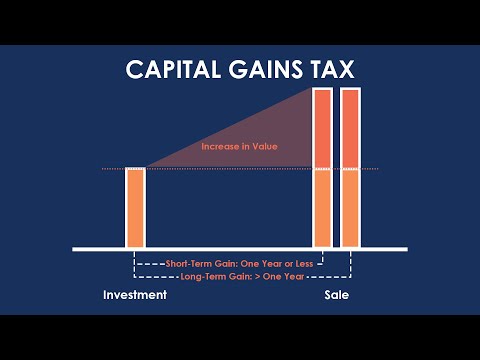
Capital gains and losses are calculated by determining the difference between the sale price and the original purchase price of an asset. If the sale price is higher than the purchase price, a capital gain is realised, and the investor is subject to CGT. On the other hand, if the sale price is lower than the purchase price, a capital loss is realised, which can be used to offset capital gains from other investments. For example, an investor who sells a Stock for a profit can use the capital loss from the sale of another Stock to reduce their CGT liability. This is an important consideration for investors, as it can help them Tax Planning and minimise their tax liability. The concept of capital gains and losses is also relevant to Portfolio Management, as it can impact the overall performance of an investment portfolio.
📊 Taxation of Capital Gains
The taxation of capital gains is a complex issue, and the tax rates and rules vary depending on the jurisdiction. In general, capital gains are taxed at a lower rate than ordinary income, such as Salary or Wages. However, the tax rates and rules can change over time, and investors need to stay up-to-date with the latest developments to ensure they are in compliance with the tax laws. For instance, the Tax Reform in the United States has had a significant impact on the taxation of capital gains, and investors need to understand the new rules and regulations to avoid any potential penalties. The taxation of capital gains is also relevant to Retirement Planning, as it can impact the after-tax returns of an investment portfolio.
🏠 Real Estate and Capital Gains Tax
Real estate is a common asset class that is subject to capital gains tax. When an investor sells a property, such as a House or a Condominium, they may be subject to CGT on the profit realised from the sale. The tax implications can be significant, especially if the property has appreciated in value over time. For example, an investor who sells a House for a profit can use the Primary Residence Exemption to reduce their CGT liability. However, this exemption is subject to certain rules and regulations, and investors need to understand the details to ensure they are eligible. The taxation of real estate is also relevant to Real Estate Investing, as it can impact the overall returns of a real estate investment portfolio.
📉 Minimizing Capital Gains Tax Liability
Minimizing capital gains tax liability is an important consideration for investors. One strategy is to hold assets for a long period, as this can help to reduce the tax rate applicable to the capital gain. Another strategy is to use tax-loss harvesting, which involves selling assets that have declined in value to offset capital gains from other investments. For example, an investor who sells a Stock at a loss can use the capital loss to offset the capital gain from the sale of another Stock. This can help to reduce the overall tax liability and improve the after-tax returns of an investment portfolio. The concept of tax-loss harvesting is also relevant to Investment Management, as it can help to optimise the performance of an investment portfolio.
🤝 Impact of Capital Gains Tax on Investors
The impact of capital gains tax on investors can be significant. A high CGT rate can discourage investors from selling their assets, as they may be reluctant to pay the tax on the profit realised. On the other hand, a low CGT rate can encourage investors to sell their assets, as they may be more willing to pay the tax on the profit realised. For instance, the Capital Gains Tax Rate in the United States is currently relatively low, which has encouraged investors to sell their assets and realise their profits. However, the tax rate can change over time, and investors need to stay up-to-date with the latest developments to ensure they are in compliance with the tax laws. The impact of CGT on investors is also relevant to Financial Planning, as it can impact the overall financial situation of an individual or a business.
📊 International Perspectives on Capital Gains Tax
The taxation of capital gains is not uniform across different countries. Some countries, such as Singapore, have a low CGT rate or no CGT at all, while others, such as United States, have a higher CGT rate. Investors need to understand the tax laws and regulations in each country to ensure they are in compliance with the tax laws. For example, an investor who sells a Stock in the United States may be subject to a higher CGT rate than an investor who sells a Stock in Singapore. The international perspective on CGT is also relevant to International Investing, as it can impact the overall returns of an investment portfolio.
🚀 Future of Capital Gains Taxation
The future of capital gains taxation is uncertain. Some countries are considering changes to their CGT rates or rules, while others are introducing new taxes on capital gains. Investors need to stay up-to-date with the latest developments to ensure they are in compliance with the tax laws. For instance, the Tax Reform in the United States has had a significant impact on the taxation of capital gains, and investors need to understand the new rules and regulations to avoid any potential penalties. The future of CGT is also relevant to Tax Policy, as it can impact the overall tax system and the economy as a whole.
📊 Entity Relationships and Capital Gains Tax
Entity relationships and capital gains tax are complex issues. For example, the sale of a Stock by a Corporation can result in a capital gain, which is subject to CGT. However, the tax implications can be different if the Corporation is a Subsidiary of another company. Investors need to understand the entity relationships and the tax laws and regulations to ensure they are in compliance with the tax laws. The concept of entity relationships is also relevant to Corporate Taxation, as it can impact the overall tax liability of a corporation.
📈 Conclusion and Key Takeaways
In conclusion, capital gains tax is a complex issue that can have a significant impact on investors. Understanding the basics of CGT, including the taxation of capital gains and losses, is essential for investors to make informed decisions about their investments. The impact of CGT on investors can be significant, and investors need to stay up-to-date with the latest developments to ensure they are in compliance with the tax laws. The concept of CGT is also relevant to Investment Strategy, as it can impact the overall performance of an investment portfolio. By understanding the basics of CGT and the entity relationships, investors can make informed decisions and optimise their investment portfolios.
Key Facts
- Year
- 2022
- Origin
- United States, 1920s
- Category
- Economics
- Type
- Taxation Concept
Frequently Asked Questions
What is capital gains tax?
Capital gains tax is the tax on profits realised on the sale of a non-inventory asset, such as stocks, bonds, precious metals, real estate, and property. The tax implications can be significant, and investors need to understand the basics of CGT to make informed decisions about their investments. For example, the sale of a stock can result in a capital gain, which is subject to CGT. The concept of CGT is also relevant to Investment Strategy, as it can impact the overall performance of an investment portfolio.
How is capital gains tax calculated?
Capital gains tax is calculated by determining the difference between the sale price and the original purchase price of an asset. If the sale price is higher than the purchase price, a capital gain is realised, and the investor is subject to CGT. The tax rate and rules vary depending on the jurisdiction, and investors need to stay up-to-date with the latest developments to ensure they are in compliance with the tax laws. For instance, the Tax Reform in the United States has had a significant impact on the taxation of capital gains, and investors need to understand the new rules and regulations to avoid any potential penalties.
What is the impact of capital gains tax on investors?
The impact of capital gains tax on investors can be significant. A high CGT rate can discourage investors from selling their assets, as they may be reluctant to pay the tax on the profit realised. On the other hand, a low CGT rate can encourage investors to sell their assets, as they may be more willing to pay the tax on the profit realised. For example, the Capital Gains Tax Rate in the United States is currently relatively low, which has encouraged investors to sell their assets and realise their profits. However, the tax rate can change over time, and investors need to stay up-to-date with the latest developments to ensure they are in compliance with the tax laws.
How can investors minimize their capital gains tax liability?
Investors can minimize their capital gains tax liability by holding assets for a long period, as this can help to reduce the tax rate applicable to the capital gain. Another strategy is to use tax-loss harvesting, which involves selling assets that have declined in value to offset capital gains from other investments. For example, an investor who sells a stock at a loss can use the capital loss to offset the capital gain from the sale of another stock. This can help to reduce the overall tax liability and improve the after-tax returns of an investment portfolio. The concept of tax-loss harvesting is also relevant to Investment Management, as it can help to optimise the performance of an investment portfolio.
What is the future of capital gains taxation?
The future of capital gains taxation is uncertain. Some countries are considering changes to their CGT rates or rules, while others are introducing new taxes on capital gains. Investors need to stay up-to-date with the latest developments to ensure they are in compliance with the tax laws. For instance, the Tax Reform in the United States has had a significant impact on the taxation of capital gains, and investors need to understand the new rules and regulations to avoid any potential penalties. The future of CGT is also relevant to Tax Policy, as it can impact the overall tax system and the economy as a whole.