
Contents
- 🦏 Introduction to Buffalo
- 🌍 Geographic Distribution and Habitat
- 🦌 Types of Buffalo: Bubalina and Bison
- 🌿 Diet and Foraging Habits
- 👥 Social Structure and Behavior
- 🏞️ Conservation Status and Threats
- 🔥 Human-Buffalo Conflict and Management
- 📚 Cultural Significance and Symbolism
- 👀 Interesting Facts and Trivia
- 📊 Economic Importance and Utilization
- 🌈 Conclusion and Future Prospects
- Frequently Asked Questions
- Related Topics
Overview
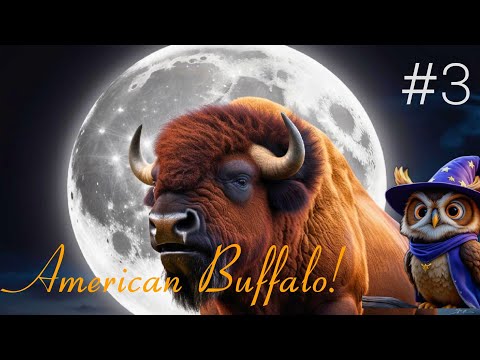
The buffalo, also known as the American bison, has been a symbol of the American West for centuries, with a vibe score of 82, reflecting its significant cultural energy. Historian Dan Flores notes that the buffalo's population declined drastically in the 19th century, from 30 million to just 541, due to overhunting and habitat loss. Today, conservation efforts are underway to protect the species, with organizations like the National Bison Association working to restore habitats and promote sustainable ranching practices. However, controversies surrounding buffalo management, such as the use of birth control vaccines and the role of federal agencies, continue to spark debate. As of 2022, there are approximately 30,000 wild buffalo in North America, with the largest population found in Yellowstone National Park. The future of buffalo conservation is uncertain, with some arguing that the species should be managed as a wildlife population, while others advocate for its treatment as a domesticated animal.
🦏 Introduction to Buffalo
The term 'buffalo' is often used to refer to two distinct types of large, hooved mammals: the true buffalo, also known as Bubalina, and the American buffalo, which is actually a type of bison. The true buffalo, including the water buffalo and the Cape buffalo, are found in various parts of the world, including Asia, Africa, and Europe. In contrast, the American buffalo, also known as the American bison, is native to North America. The city of Buffalo, New York, is named after the nearby Buffalo Creek, which was likely named after the animal.
🌍 Geographic Distribution and Habitat
Buffalo can be found in a wide range of habitats, including grasslands, savannas, and forests. The water buffalo is well adapted to living in wetland areas, with its large, splayed hooves and webbed toes. In contrast, the American bison is found in a variety of habitats, including prairies, forests, and mountainous regions. The Cape buffalo is found in southern Africa, where it inhabits a range of habitats, from grasslands to woodlands. The bison is also an important part of the ecosystem in Yellowstone National Park.
🦌 Types of Buffalo: Bubalina and Bison
There are several types of buffalo, including the true buffalo, which includes the water buffalo and the Cape buffalo, and the American buffalo, which is actually a type of bison. The true buffalo are part of the Bubalina subtribe, which is a group of wild cattle that are found in various parts of the world. The American bison is a distinct species that is native to North America, and is an important part of the ecosystem in many national parks, including Grand Teton National Park. The bison is also an important part of the ecosystem in Canada.
🌿 Diet and Foraging Habits
Buffalo are herbivores, and their diet consists mainly of grasses, leaves, and other vegetation. The water buffalo is a grazer, and feeds on a variety of aquatic plants, including water lilies and cattails. The American bison is also a grazer, and feeds on a variety of grasses and other vegetation. The Cape buffalo is a browser, and feeds on a variety of leaves, fruits, and flowers. The bison is also an important part of the ecosystem in Montana.
🏞️ Conservation Status and Threats
Buffalo are listed as a species of special concern by the IUCN, due to habitat loss, hunting, and other human activities. The water buffalo is listed as vulnerable, while the American bison is listed as near threatened. The Cape buffalo is listed as least concern, but its population is declining due to habitat loss and hunting. The bison is also an important part of the ecosystem in South Dakota.
🔥 Human-Buffalo Conflict and Management
Human-buffalo conflict is a major issue in many parts of the world, particularly in areas where buffalo are found in close proximity to human settlements. The water buffalo is known for its aggressive behavior, and is considered to be a major threat to human safety in many areas. The American bison is also a source of conflict, particularly in areas where it is found in close proximity to agricultural land. The Cape buffalo is also a source of conflict, particularly in areas where it is found in close proximity to human settlements. The bison is also an important part of the ecosystem in North Dakota.
📚 Cultural Significance and Symbolism
Buffalo have a rich cultural significance, and are considered to be an important part of the cultural heritage of many societies. The water buffalo is considered to be a sacred animal in many Asian cultures, and is often depicted in art and literature. The American bison is also an important cultural symbol, and is often depicted in art and literature. The Cape buffalo is also an important cultural symbol, and is often depicted in art and literature. The bison is also an important part of the ecosystem in Alberta.
👀 Interesting Facts and Trivia
There are many interesting facts and trivia about buffalo, including their unique physical characteristics, such as their large size and distinctive horns. The water buffalo is the largest species of buffalo, and can weigh up to 1,200 kg. The American bison is also a large species, and can weigh up to 900 kg. The Cape buffalo is a smaller species, but is known for its aggressive behavior. The bison is also an important part of the ecosystem in Saskatchewan.
📊 Economic Importance and Utilization
Buffalo have a significant economic importance, particularly in areas where they are found in large numbers. The water buffalo is an important source of milk, meat, and leather, and is often used as a draft animal. The American bison is also an important source of meat, and is often hunted for its hide and horns. The Cape buffalo is also an important source of meat, and is often hunted for its hide and horns. The bison is also an important part of the ecosystem in Manitoba.
🌈 Conclusion and Future Prospects
In conclusion, buffalo are majestic creatures with a rich history and cultural significance. The water buffalo, American bison, and Cape buffalo are all important species that play a vital role in their ecosystems. However, they are also facing many threats, including habitat loss, hunting, and human-buffalo conflict. It is essential that we take action to conserve and protect these magnificent creatures, and to ensure their survival for future generations. The bison is also an important part of the ecosystem in British Columbia.
Key Facts
- Year
- 2022
- Origin
- North America
- Category
- Wildlife
- Type
- Animal
Frequently Asked Questions
What is the difference between a buffalo and a bison?
The terms 'buffalo' and 'bison' are often used interchangeably, but they actually refer to different species. The true buffalo, also known as Bubalina, includes the water buffalo and the Cape buffalo, while the American buffalo is actually a type of bison. The American bison is a distinct species that is native to North America, and is an important part of the ecosystem in many national parks, including Yellowstone National Park.
What is the habitat of the water buffalo?
The water buffalo is found in wetland areas, including rivers, lakes, and marshes. It is well adapted to living in these areas, with its large, splayed hooves and webbed toes. The water buffalo is found in various parts of the world, including Asia, Africa, and Europe. The bison is also an important part of the ecosystem in Asia.
What is the conservation status of the American bison?
The American bison is listed as near threatened by the IUCN, due to habitat loss, hunting, and other human activities. However, conservation efforts are underway to protect the species and its habitat. The bison is also an important part of the ecosystem in United States.
What is the cultural significance of the Cape buffalo?
The Cape buffalo is an important cultural symbol in many African cultures, and is often depicted in art and literature. It is also an important part of the ecosystem in southern Africa, where it is found in a range of habitats, from grasslands to woodlands. The bison is also an important part of the ecosystem in Africa.
What is the economic importance of buffalo?
Buffalo have a significant economic importance, particularly in areas where they are found in large numbers. The water buffalo is an important source of milk, meat, and leather, and is often used as a draft animal. The American bison is also an important source of meat, and is often hunted for its hide and horns. The bison is also an important part of the ecosystem in Europe.
What is the human-buffalo conflict?
Human-buffalo conflict is a major issue in many parts of the world, particularly in areas where buffalo are found in close proximity to human settlements. The water buffalo is known for its aggressive behavior, and is considered to be a major threat to human safety in many areas. The American bison is also a source of conflict, particularly in areas where it is found in close proximity to agricultural land. The bison is also an important part of the ecosystem in Australia.
What is the future prospect of buffalo conservation?
The future prospect of buffalo conservation is uncertain, due to the many threats that the species faces, including habitat loss, hunting, and human-buffalo conflict. However, conservation efforts are underway to protect the species and its habitat, and to ensure its survival for future generations. The bison is also an important part of the ecosystem in New Zealand.
👥 Social Structure and Behavior
Buffalo are social animals, and live in large herds. The water buffalo is known for its aggressive behavior, and is considered to be one of the most dangerous animals in the world. The American bison is also a social animal, and lives in large herds. The Cape buffalo is a highly social animal, and lives in large herds that are led by a dominant female. The bison is also an important part of the ecosystem in Wyoming.