
Contents
- 🔍 Introduction to Brooches: A Historical Perspective
- 💎 The Evolution of Brooches: From Ancient Civilizations to Modern Times
- 👑 The Role of Brooches in Royal and Noble Circles
- 🔗 The Practical Function of Brooches: Fastening Garments and Signifying Status
- 🌎 Brooches as Cultural Indicators: Reflecting the Spirit of an Era
- 💅 The Art of Brooch Design: From Enamel to Gemstones
- 🏯 The Archaeological Significance of Brooches: Uncovering the Past
- 👗 Brooches in Modern Fashion: A Statement Piece or a Relic of the Past
- 🕊️ The Symbolism of Brooches: Conveying Messages and Telling Stories
- 👑 The Legacy of Brooches: Preserving History and Culture
- 📚 Conclusion: The Enduring Allure of Brooches
- Frequently Asked Questions
- Related Topics
Overview
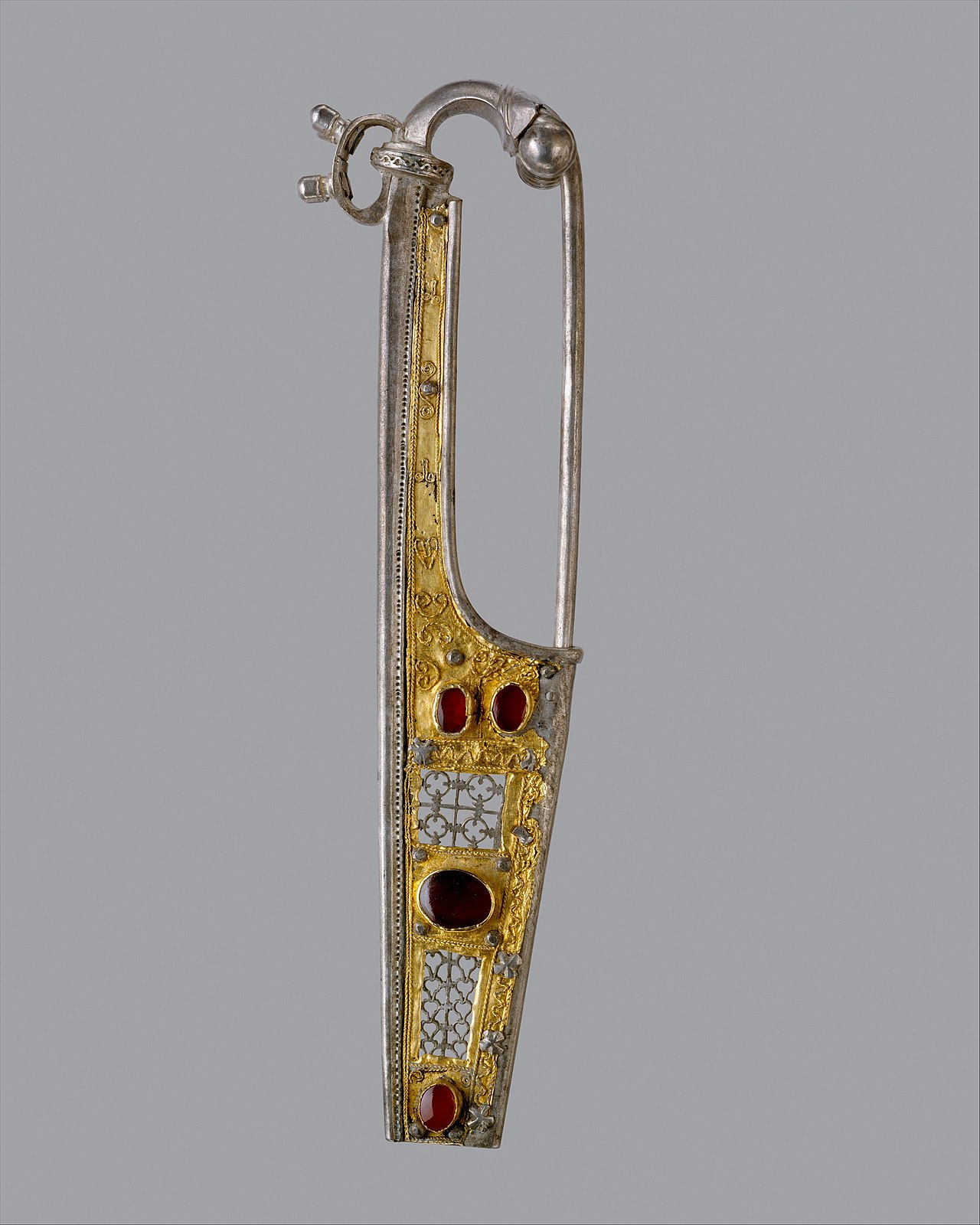
The history of brooches dates back to the Bronze Age, with the earliest known examples showcasing the ingenuity and craftsmanship of ancient civilizations. As a decorative jewellery item, brooches have been used to fasten garments, convey status, and signify cultural identity. The Tara Brooch, for instance, is an exemplary piece of ancient Irish metalwork, featuring intricate designs and ornamentation. Brooches have also played a significant role in archaeological discoveries, serving as chronological indicators and providing valuable insights into the lives of ancient cultures. The study of brooches has been instrumental in understanding the fashion trends and cultural practices of bygone eras. Furthermore, the Latin term fibula is often used to refer to ancient European brooches, highlighting the importance of these artefacts in the historical record.
💎 The Evolution of Brooches: From Ancient Civilizations to Modern Times
The evolution of brooches has been marked by significant changes in design, materials, and functionality. From the Ancient Greek and Roman periods to the Middle Ages and beyond, brooches have reflected the aesthetic and cultural values of their time. The use of enamel and gemstones in brooch design has added an extra layer of complexity and beauty to these objects, making them highly prized by collectors and connoisseurs. The Victorian era, in particular, saw a resurgence in the popularity of brooches, with intricate designs and ornate details becoming hallmarks of the period. As a result, brooches have become an essential part of fashion history, offering a unique window into the past. The influence of Art Nouveau and Art Deco styles can also be seen in the design of brooches, highlighting the dynamic interplay between art, culture, and fashion.
👑 The Role of Brooches in Royal and Noble Circles
Throughout history, brooches have been worn by royalty and nobility as a symbol of status and power. The Queen Victoria brooch, for example, is a stunning example of Victorian jewellery, featuring a large pearl surrounded by diamonds. The use of brooches as a status symbol has been particularly evident in royal courts, where they have been used to signify rank, wealth, and influence. The British monarchy has a long history of wearing brooches on formal occasions, with the Queen Elizabeth II being a prominent example. Brooches have also been used as a way to convey diplomatic messages, with gifts of brooches being exchanged between royalty and nobility as a symbol of friendship and alliance. The state visit of a foreign dignitary, for instance, may involve the exchange of brooches as a gesture of goodwill and cooperation.
🔗 The Practical Function of Brooches: Fastening Garments and Signifying Status
In addition to their decorative function, brooches have also served a practical purpose as clothes fasteners. The safety pin brooch, for example, was a common type of brooch used in the 19th century to fasten clothing. The use of brooches as a fastening device has been particularly important in traditional clothing, where they have been used to secure garments and add a touch of elegance to an outfit. The kilt, for instance, is often fastened with a brooch, highlighting the importance of these objects in traditional dress. Brooches have also been used to signify marital status, with the wedding ring brooch being a popular choice for newlyweds. The engagement ring brooch is another example of a brooch being used to signify a significant life event.
🌎 Brooches as Cultural Indicators: Reflecting the Spirit of an Era
Brooches have long been recognized as cultural indicators, reflecting the spirit of an era and providing valuable insights into the values and beliefs of a particular time and place. The hippie movement of the 1960s, for example, saw a resurgence in the popularity of brooches, with flower power and peace symbol brooches becoming iconic symbols of the era. The punk movement of the 1970s and 1980s also saw the use of brooches as a way to express rebellion and nonconformity. Brooches have also been used to promote social justice causes, with charity brooches being sold to raise funds for various organizations. The red ribbon brooch, for instance, is a symbol of awareness and support for HIV/AIDS research.
💅 The Art of Brooch Design: From Enamel to Gemstones
The art of brooch design has been characterized by a wide range of techniques and materials, from enameling and gemstone setting to metalwork and jewellery making. The use of precious metals such as gold and silver has added an extra layer of luxury and sophistication to brooches, making them highly prized by collectors and connoisseurs. The Renaissance period, in particular, saw a resurgence in the popularity of brooches, with intricate designs and ornate details becoming hallmarks of the period. The Baroque style, with its emphasis on grandeur and ornamentation, has also been influential in the design of brooches. As a result, brooches have become an essential part of art history, offering a unique window into the creative and cultural values of the past.
🏯 The Archaeological Significance of Brooches: Uncovering the Past
The archaeological significance of brooches cannot be overstated, with these objects providing valuable insights into the lives and cultures of ancient civilizations. The Tara Brooch, for example, is an exemplary piece of ancient Irish metalwork, featuring intricate designs and ornamentation. The fibula brooch, with its distinctive shape and design, has been found in numerous archaeological sites throughout Europe, highlighting the importance of these objects in the historical record. Brooches have also been used to date archaeological sites, with the chronology of brooches providing a valuable framework for understanding the development of ancient cultures. The excavation of brooches has also shed light on the trade networks and cultural exchange that existed between ancient civilizations.
👗 Brooches in Modern Fashion: A Statement Piece or a Relic of the Past
In modern fashion, brooches have become a statement piece, with designers incorporating them into their collections as a way to add a touch of elegance and sophistication to an outfit. The runway shows of top designers such as Chanel and Dior have featured brooches as a key element of their designs, highlighting the enduring appeal of these objects. The street style movement has also seen a resurgence in the popularity of brooches, with fashion bloggers and influencers incorporating them into their outfits as a way to express their personal style. Brooches have also been used to promote sustainability and eco-friendly fashion, with upcycled and recycled brooches becoming increasingly popular.
🕊️ The Symbolism of Brooches: Conveying Messages and Telling Stories
The symbolism of brooches has been a topic of interest for many scholars and researchers, with these objects being used to convey a wide range of messages and meanings. The heart-shaped brooch, for example, is often used to symbolize love and romance, while the cross-shaped brooch is often used to symbolize faith and spirituality. Brooches have also been used to signify membership in a particular group or organization, with fraternity and sorority brooches being popular among students. The Masonic brooch, for instance, is a symbol of membership in the Freemasonry organization. Brooches have also been used to promote social justice causes, with charity brooches being sold to raise funds for various organizations.
👑 The Legacy of Brooches: Preserving History and Culture
The legacy of brooches is a testament to the enduring power of these objects to inspire and influence people across cultures and time. The Victoria and Albert Museum in London, for example, has an extensive collection of brooches, featuring pieces from ancient civilizations to modern designers. The Metropolitan Museum of Art in New York has also featured brooches in its exhibitions, highlighting the importance of these objects in the history of art and fashion. Brooches have also been used to promote cultural heritage, with museums and cultural institutions using them to educate people about the history and significance of these objects. As a result, brooches have become an essential part of our shared cultural heritage, offering a unique window into the past and a source of inspiration for the future.
📚 Conclusion: The Enduring Allure of Brooches
In conclusion, the cultural significance of brooches is a complex and multifaceted topic, reflecting the dynamic interplay between art, culture, and fashion. From their origins in ancient civilizations to their modern-day use as a statement piece, brooches have played a significant role in shaping our understanding of the past and our appreciation of beauty and craftsmanship. As we look to the future, it is clear that brooches will continue to inspire and influence people, serving as a reminder of the enduring power of art and culture to shape our lives and our world. The future of fashion will likely see a continued emphasis on sustainability and eco-friendly practices, with brooches playing a key role in this movement.
Key Facts
- Year
- 2000
- Origin
- Ancient Rome, Egypt
- Category
- Fashion, History, Culture
- Type
- Jewelry, Fashion Accessory
Frequently Asked Questions
What is the earliest known example of a brooch?
The earliest known example of a brooch dates back to the Bronze Age, with the Tara Brooch being a notable example. This brooch is an exemplary piece of ancient Irish metalwork, featuring intricate designs and ornamentation. The use of brooches as a decorative item and a clothes fastener has been evident throughout history, with the safety pin brooch being a common type of brooch used in the 19th century. The fibula brooch, with its distinctive shape and design, has been found in numerous archaeological sites throughout Europe, highlighting the importance of these objects in the historical record.
What is the significance of brooches in archaeology?
Brooches have been used to date archaeological sites, with the chronology of brooches providing a valuable framework for understanding the development of ancient cultures. The excavation of brooches has also shed light on the trade networks and cultural exchange that existed between ancient civilizations. The Tara Brooch, for example, is an exemplary piece of ancient Irish metalwork, featuring intricate designs and ornamentation. The use of brooches as a chronological indicator has been particularly important in archaeological discoveries, serving as a valuable tool for understanding the lives and cultures of ancient civilizations.
What is the cultural significance of brooches?
Brooches have been used to convey a wide range of messages and meanings, from love and romance to faith and spirituality. The heart-shaped brooch, for example, is often used to symbolize love and romance, while the cross-shaped brooch is often used to symbolize faith and spirituality. Brooches have also been used to signify membership in a particular group or organization, with fraternity and sorority brooches being popular among students. The Masonic brooch, for instance, is a symbol of membership in the Freemasonry organization.
How have brooches been used in modern fashion?
Brooches have become a statement piece in modern fashion, with designers incorporating them into their collections as a way to add a touch of elegance and sophistication to an outfit. The runway shows of top designers such as Chanel and Dior have featured brooches as a key element of their designs, highlighting the enduring appeal of these objects. The street style movement has also seen a resurgence in the popularity of brooches, with fashion bloggers and influencers incorporating them into their outfits as a way to express their personal style. Brooches have also been used to promote sustainability and eco-friendly fashion, with upcycled and recycled brooches becoming increasingly popular.
What is the future of brooches in fashion?
The future of fashion will likely see a continued emphasis on sustainability and eco-friendly practices, with brooches playing a key role in this movement. The use of upcycled and recycled materials in brooch design will become increasingly popular, as consumers become more aware of the environmental impact of their purchasing decisions. The digitalization of fashion will also have an impact on the brooch industry, with online platforms and social media channels providing new opportunities for designers and consumers to engage with brooches. As a result, brooches will continue to evolve and adapt to changing fashion trends and consumer preferences, ensuring their enduring relevance and appeal in the world of fashion.