
Contents
- 🌊 Introduction to the Brisbane River
- 🚣♀️ History of Exploration and Settlement
- 🌴 Geography and Climate
- 🌊 Hydrology and Water Quality
- 🏙️ The River's Role in Shaping Brisbane City
- 🐳 Wildlife and Conservation Efforts
- 🚫 Environmental Challenges and Concerns
- 🌈 Cultural Significance and Community Engagement
- 📸 Tourism and Recreation Opportunities
- 🔍 Future Developments and Sustainability Initiatives
- 👥 Community Involvement and Education
- Frequently Asked Questions
- Related Topics
Overview
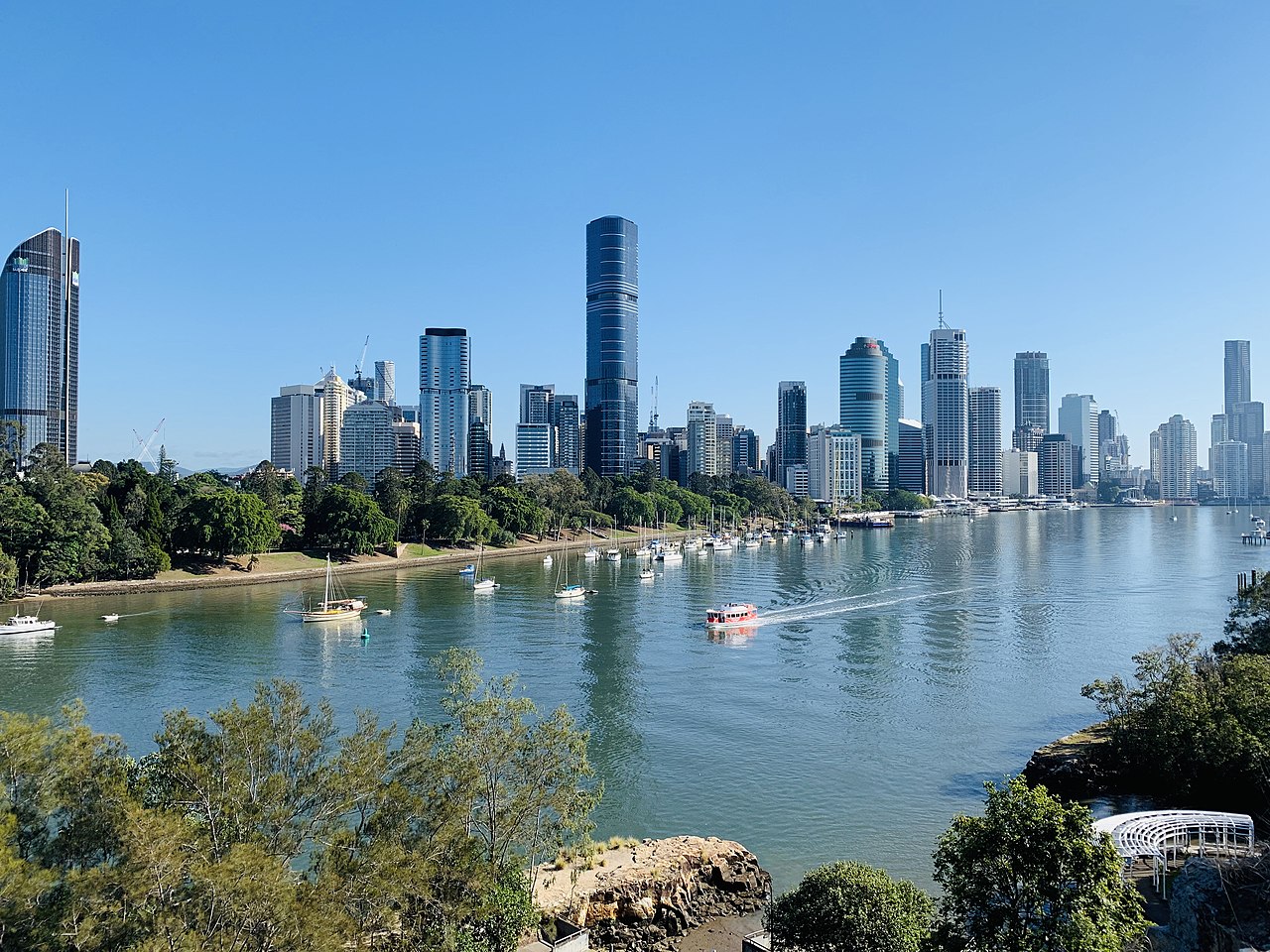
The Brisbane River, stretching over 344 kilometers, has been the lifeblood of Queensland's capital city for thousands of years, supporting Indigenous cultures, early European settlement, and modern-day urban development. With a vibe score of 82, the river is a hub of cultural and recreational activities, from ferry rides and riverwalks to fishing and kayaking. However, the river has also faced environmental challenges, including pollution, flooding, and climate change, sparking debates about conservation and sustainability. As the city continues to grow, the Brisbane River's future is a topic of contention, with some advocating for increased development and others pushing for preservation. The river's history is marked by significant events, such as the founding of the Moreton Bay Penal Colony in 1825 and the Great Flood of 2011, which had a devastating impact on the city. With its rich history, cultural significance, and environmental importance, the Brisbane River is a complex and multifaceted topic that continues to shape the identity of Brisbane and its people.
🌊 Introduction to the Brisbane River
The Brisbane River is the longest river in South East Queensland, Australia, stretching over 344 kilometers from its source in the Conondale Range to its mouth in Moreton Bay. It flows through the city of Brisbane, before emptying into the Coral Sea. The river has a rich history, with Brisbane being named after the Governor of New South Wales, Sir Thomas Brisbane in 1823 by John Oxley, the first European to explore the river. The penal colony of Moreton Bay later adopted the same name, eventually becoming the present city of Brisbane. Today, the river is a popular spot for recreation and tourism, with many parks and gardens lining its banks, such as the South Bank Parklands. The river is also home to a variety of wildlife, including fish, birds, and even the occasional saltwater crocodile.
🚣♀️ History of Exploration and Settlement
The history of the Brisbane River dates back to 1823, when John Oxley, the first European to explore the river, named it after the Governor of New South Wales, Sir Thomas Brisbane. The penal colony of Moreton Bay later adopted the same name, eventually becoming the present city of Brisbane. The river played a crucial role in the development of the city, with many early settlers relying on it for transportation and trade. The river was also an important source of food, with many fish and other seafood species calling it home. Today, the river is still an important part of the city's identity, with many cultural and historical events taking place along its banks, such as the Brisbane Riverfest. The river's history is also closely tied to the history of Indigenous Australians, who have lived along its banks for thousands of years.
🌴 Geography and Climate
The Brisbane River is a tidal estuary, with the water being brackish from its mouth through the majority of the Brisbane metropolitan area westward to the Mount Crosby Weir. The river is wide and navigable throughout the Brisbane metropolitan area, making it an important transportation route for goods and people. The river's geography is characterized by a long, winding course, with many bends and curves. The river is also home to several islands, including Moreton Island and North Stradbroke Island. The river's climate is subtropical, with warm temperatures and high levels of rainfall throughout the year. The river's catchment area is also home to several other important waterways, including the Pine River and the Caboolture River.
🌊 Hydrology and Water Quality
The Brisbane River's hydrology is characterized by a mix of fresh and saltwater, with the water being brackish from its mouth through the majority of the Brisbane metropolitan area westward to the Mount Crosby Weir. The river's water quality is also an important issue, with many pollutants and sediments entering the river from various sources. The river is also home to several important wetlands, including the Boondall Wetlands and the Nudgee Beach Wetlands. These wetlands provide important habitat for many species of plants and animals, and help to filter out pollutants and sediments from the river. The river's water quality is closely monitored by the Queensland Government, which has implemented several initiatives to improve the river's health and sustainability.
🏙️ The River's Role in Shaping Brisbane City
The Brisbane River has played a crucial role in shaping the city of Brisbane, with many of the city's early settlers relying on it for transportation and trade. The river was also an important source of food, with many fish and other seafood species calling it home. Today, the river is still an important part of the city's identity, with many cultural and historical events taking place along its banks. The river is also home to several important landmarks, including the Story Bridge and the Kurilpa Bridge. The river's banks are also lined with many parks and gardens, including the South Bank Parklands and the Roma Street Parkland. These parks provide important green spaces for residents and visitors, and help to connect the city to the river.
🐳 Wildlife and Conservation Efforts
The Brisbane River is home to a diverse range of wildlife, including fish, birds, and even the occasional saltwater crocodile. The river's wetlands and mangrove forests provide important habitat for many species of plants and animals, and help to filter out pollutants and sediments from the river. The river is also an important stopover for many migratory bird species, including the Eastern Curlew and the Bar-tailed Godwit. Conservation efforts are underway to protect the river's wildlife and habitats, including the Brisbane River Catchment and the Moreton Bay Marine Park. These initiatives aim to reduce pollution, protect habitats, and promote sustainable use of the river's resources.
🚫 Environmental Challenges and Concerns
Despite its importance, the Brisbane River faces several environmental challenges and concerns. The river's water quality is an ongoing issue, with many pollutants and sediments entering the river from various sources. The river is also vulnerable to climate change, with rising sea levels and increased storm intensity posing a threat to the city's coastal areas. The river's catchment area is also home to several other important waterways, including the Pine River and the Caboolture River, which are also facing environmental challenges. The Queensland Government has implemented several initiatives to address these challenges, including the Brisbane River Catchment and the Moreton Bay Marine Park.
🌈 Cultural Significance and Community Engagement
The Brisbane River has significant cultural and historical importance to the city of Brisbane and its residents. The river has been an important part of the city's identity since its founding, with many cultural and historical events taking place along its banks. The river is also home to several important landmarks, including the Story Bridge and the Kurilpa Bridge. The river's banks are also lined with many parks and gardens, including the South Bank Parklands and the Roma Street Parkland. These parks provide important green spaces for residents and visitors, and help to connect the city to the river. The river is also an important part of the city's Indigenous Australian heritage, with many important cultural sites and events taking place along its banks.
📸 Tourism and Recreation Opportunities
The Brisbane River offers many opportunities for tourism and recreation, including boating, fishing, and swimming. The river is also home to several important events and festivals, including the Brisbane Riverfest and the Brisbane to Gold Coast Yacht Racing. The river's banks are also lined with many parks and gardens, including the South Bank Parklands and the Roma Street Parkland. These parks provide important green spaces for residents and visitors, and help to connect the city to the river. The river is also an important part of the city's Queensland tourism industry, with many visitors drawn to its natural beauty and cultural significance.
🔍 Future Developments and Sustainability Initiatives
The Brisbane River is an important part of the city's future development and sustainability initiatives. The Queensland Government has implemented several initiatives to improve the river's health and sustainability, including the Brisbane River Catchment and the Moreton Bay Marine Park. These initiatives aim to reduce pollution, protect habitats, and promote sustainable use of the river's resources. The river is also an important part of the city's Brisbane 2032 Olympic bid, with several events and venues planned for the river and its surrounds. The river's future development will be shaped by the city's growing population and urbanization, with a focus on sustainable and environmentally-friendly practices.
👥 Community Involvement and Education
The Brisbane River is an important part of the city's community and education initiatives. The river is home to several important educational institutions, including the University of Queensland and the Queensland University of Technology. The river is also an important part of the city's community engagement initiatives, with many events and activities taking place along its banks. The river's banks are also lined with many parks and gardens, including the South Bank Parklands and the Roma Street Parkland. These parks provide important green spaces for residents and visitors, and help to connect the city to the river. The river is also an important part of the city's Indigenous Australian heritage, with many important cultural sites and events taking place along its banks.
Key Facts
- Year
- 1825
- Origin
- Moreton Bay, Queensland, Australia
- Category
- Geography, History, Environment
- Type
- Geographical Feature
Frequently Asked Questions
What is the length of the Brisbane River?
The Brisbane River is approximately 344 kilometers long, stretching from its source in the Conondale Range to its mouth in Moreton Bay. The river flows through the city of Brisbane, before emptying into the Coral Sea. The river's length and course have been shaped by thousands of years of geological history, with many bends and curves along the way. Today, the river is an important part of the city's identity, with many cultural and historical events taking place along its banks. The river is also home to several important landmarks, including the Story Bridge and the Kurilpa Bridge.
What is the Brisbane River's water quality like?
The Brisbane River's water quality is an ongoing issue, with many pollutants and sediments entering the river from various sources. The river is also vulnerable to climate change, with rising sea levels and increased storm intensity posing a threat to the city's coastal areas. However, the Queensland Government has implemented several initiatives to improve the river's health and sustainability, including the Brisbane River Catchment and the Moreton Bay Marine Park. These initiatives aim to reduce pollution, protect habitats, and promote sustainable use of the river's resources. The river's water quality is closely monitored by the Queensland Government, which has implemented several initiatives to address these challenges.
What are some popular activities to do on the Brisbane River?
The Brisbane River offers many opportunities for tourism and recreation, including boating, fishing, and swimming. The river is also home to several important events and festivals, including the Brisbane Riverfest and the Brisbane to Gold Coast Yacht Racing. The river's banks are also lined with many parks and gardens, including the South Bank Parklands and the Roma Street Parkland. These parks provide important green spaces for residents and visitors, and help to connect the city to the river. The river is also an important part of the city's Queensland tourism industry, with many visitors drawn to its natural beauty and cultural significance.
What is the cultural significance of the Brisbane River?
The Brisbane River has significant cultural and historical importance to the city of Brisbane and its residents. The river has been an important part of the city's identity since its founding, with many cultural and historical events taking place along its banks. The river is also home to several important landmarks, including the Story Bridge and the Kurilpa Bridge. The river's banks are also lined with many parks and gardens, including the South Bank Parklands and the Roma Street Parkland. These parks provide important green spaces for residents and visitors, and help to connect the city to the river. The river is also an important part of the city's Indigenous Australian heritage, with many important cultural sites and events taking place along its banks.
How does the Brisbane River impact the local environment?
The Brisbane River has a significant impact on the local environment, with many species of plants and animals calling it home. The river's wetlands and mangrove forests provide important habitat for many species, and help to filter out pollutants and sediments from the river. However, the river is also vulnerable to climate change, with rising sea levels and increased storm intensity posing a threat to the city's coastal areas. The Queensland Government has implemented several initiatives to improve the river's health and sustainability, including the Brisbane River Catchment and the Moreton Bay Marine Park. These initiatives aim to reduce pollution, protect habitats, and promote sustainable use of the river's resources.
What are some of the challenges facing the Brisbane River?
The Brisbane River faces several challenges, including pollution, climate change, and urbanization. The river's water quality is an ongoing issue, with many pollutants and sediments entering the river from various sources. The river is also vulnerable to climate change, with rising sea levels and increased storm intensity posing a threat to the city's coastal areas. However, the Queensland Government has implemented several initiatives to improve the river's health and sustainability, including the Brisbane River Catchment and the Moreton Bay Marine Park. These initiatives aim to reduce pollution, protect habitats, and promote sustainable use of the river's resources.
How can I get involved in Brisbane River conservation efforts?
There are many ways to get involved in Brisbane River conservation efforts, including volunteering with local organizations, participating in community events, and supporting sustainable practices. The Brisbane River Catchment and the Moreton Bay Marine Park are two important initiatives that aim to improve the river's health and sustainability. You can also support local businesses and organizations that prioritize sustainable practices and environmental protection. Additionally, you can stay informed about the latest news and developments related to the Brisbane River by following local media and government reports.